Fine pitch probes are very important tools for checking electronics and making circuit boards. With their small, closely spaced test points on printed circuit boards (PCBs) and other electronic parts, these precise tools are made to make reliable electrical connections. Several things affect the price range for good fine pitch probes. The price can vary a lot based on the probe's features, the materials used, the accuracy of its production, and its intended use. In general, a single high-quality fine pitch probe can cost anywhere from a few dollars to several hundred dollars. The probe tip size, spring force, plating material, and general durability are some of the things that affect the price. The final cost can also be changed by the quantity bought and any customization needs. Some choices won't break the bank, but buying high-end fine pitch probes is usually a better long-term investment because they are more reliable and last longer.
Factors Affecting Fine Pitch Probe Pricing
Materials and Construction
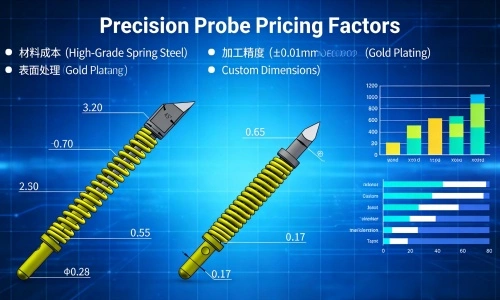
The price of fine pitch needles is heavily influenced by the materials they are made of and how they are put together. The probe tip of high-quality probes is often made of expensive materials like beryllium copper and is then gold-plated for the best conductivity and corrosion resistance. Sometimes, tin phosphor bronze is used to make the probe tube, and piano steel wire is used to make the spring. These materials make the tool last longer and work better, but they also make it more expensive to make. Chuangyu is a top company in its field that makes fine pitch tools using cutting-edge materials and building methods to ensure they meet the highest quality and dependability standards. It costs more to make these tools because they need to be very precise, especially ones with grid sizes as small as 0.5mm.
Probe Specifications
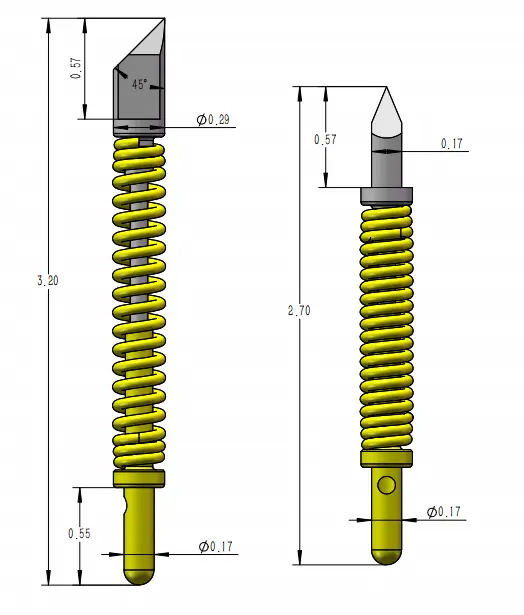
The specific requirements of fine pitch probes significantly impact their pricing. Factors such as the probe's total length, tip shape, and spring force all contribute to the final cost. For instance, a unidirectional floating probe with a total length of 12mm and a pointed gold-plated head may be priced differently from a probe with different specifications. The spring force, which in some cases can be as precise as 0.8N, is another critical factor that affects both performance and price. Chuangyu offers a wide range of probe specifications to cater to various testing scenarios, including test points, DIP pins, and vias. The more specialized or precise the specifications, the higher the price is likely to be. Additionally, probes designed for specific applications, such as those used in optical circuit board testing or microelectronic testing, may command a premium due to their specialized nature.
Quantity and Customization
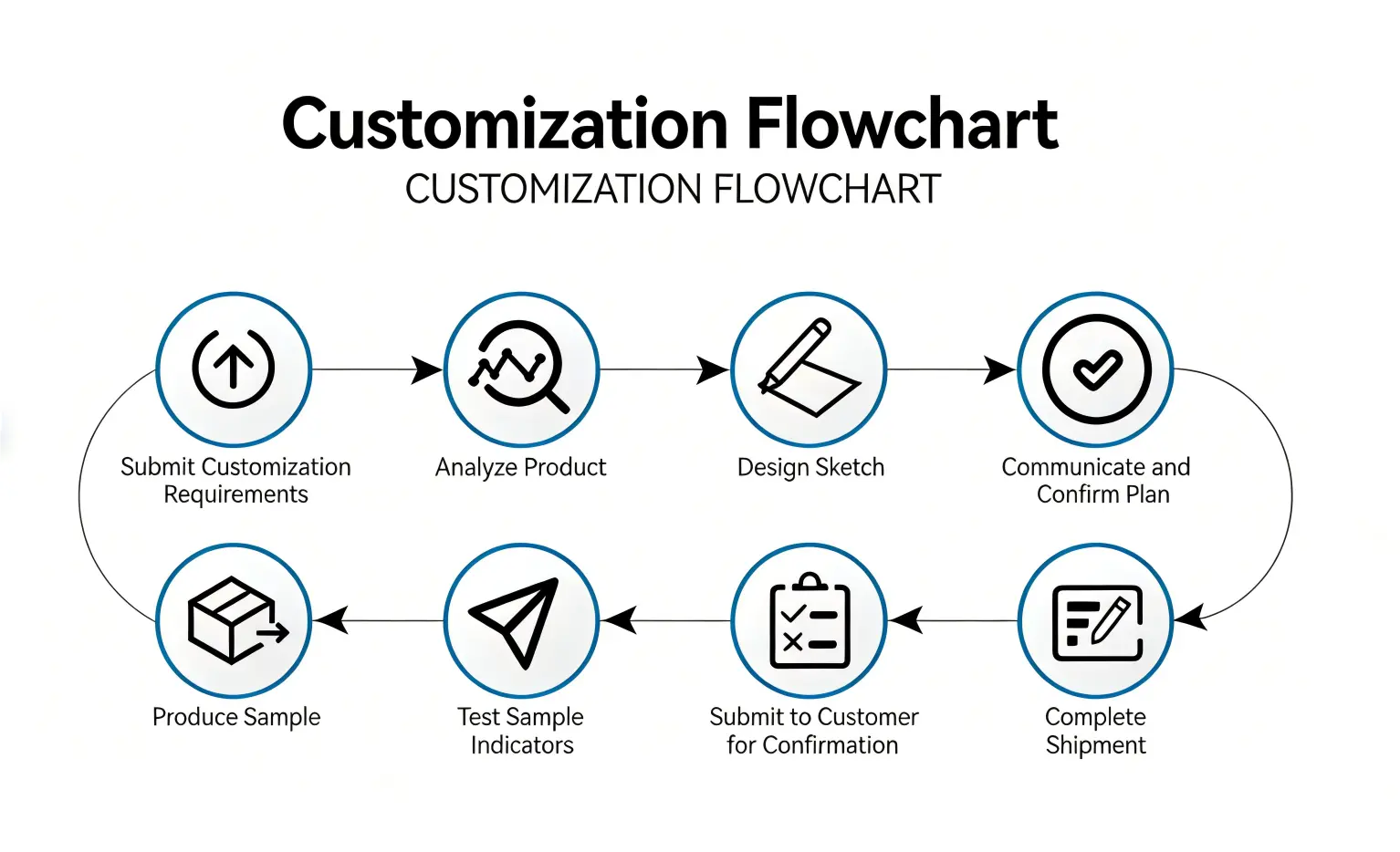
The price range can change a lot based on how many fine pitch tools are bought and what changes need to be made. Many times, discounts are given for large orders. This means that the cost per unit is cheaper for companies that need to do a lot of work. But if you need to test a certain thing, you might have to change it, which can make it cost more. Customers can get exactly what they need from Chuangyu because it offers customization options. This makes sure that the probes work perfectly in the testing setting. Customizing things this much might cost more at first, but it can save time and money in the long run by making tests faster and more accurate. Fine pitch probes that are made to order may cost more because they are made with non-standard plating materials, have non-standard tip shapes, or have non-standard spring strengths. When buyers choose how many fine pitch tools to order and how much customization they want, they should carefully consider what tests they need to do and how much they can spend.
Applications and Value Proposition of Fine Pitch Probes
Electronic Testing Applications
Fine pitch probes find extensive use in various electronic testing applications, making them indispensable tools in the industry. They are commonly employed in optical circuit board testing, online testing, and microelectronic testing. These probes are particularly valuable for testing circuit boards before component installation, as well as for post-installation detection of PCB assemblies. Additionally, they play a crucial role in wafer testing and chip IC testing processes. Chuangyu's fine pitch probes are designed to meet the diverse needs of these applications, offering reliability and precision across different testing scenarios. The ability of these probes to operate effectively within a temperature range of -45°C to +80°C further enhances their versatility, allowing for testing in various environmental conditions. This wide range of applications underscores the value proposition of investing in high-quality fine pitch probes, as they contribute significantly to ensuring the quality and reliability of electronic products.
Durability and Lifespan
The price range and worth of fine pitch probes depend a lot on how long they last and how well they work. Chuangyu sells high-quality probes that are made to last in harsh testing settings and can often go through more than 200,000 test cycles. When you try to figure out how cheap these tools are, it's helpful to know how long they last. High-quality materials and exact manufacturing methods are used to make probes that work well for a long time. So they don't have to be changed as often, which cuts down on the downtime that comes with that. These tools can last longer if they are well taken care of. For example, the probe surface can be cleaned with special paper made just for that purpose. When checking a lot of things, it's especially important that fine pitch probes last a long time. This is because replacing them less often can save a lot of money. It's important to think about how much fine pitch probes will be worth in the long run when you look at their price range. This is because they're strong and last a long time.
Precision and Reliability
In electronic testing, the accuracy and dependability of fine pitch tools are very important. They have a direct effect on the quality of the final product and the test results. Higher-end probes, like those made by Chuangyu, are designed to keep their contact force and electrical properties stable over time. This consistency is very important for getting accurate test results, especially when working with high-frequency signals or sensitive electrical parts. The fact that these probes can touch very small test points—some with grid sizes as small as 0.5mm—shows how precise they are. In current electronics manufacturing, where part sizes keep getting smaller, this level of accuracy is very important. Fine pitch tools are reliable not only when they work in one environment, but also when they work in different environments, making sure that the results of all tests are the same. Trying to be so precise and reliable can lead to higher costs, but for many makers, the value they bring in the form of better product quality and fewer testing mistakes is worth the cost.
Considerations for Selecting Fine Pitch Probes
Matching Probe to Test Requirements
To get the best results and the best value for money, it is important to choose the right fine pitch probe for the test. Probes with different specs may be needed for different types of testing, like probing test points, DIP pins, or vias. Chuangyu has many different types of fine pitch needles to meet these needs, so customers can be sure to find the right tool for their job. When selecting a probe, it is important to think about the test setting when picking one. This includes the type of probe tip, the spring force, and the overall size. For example, a gold-plated tip with a point might work best for some tasks while a different tip shape might be needed for others. The spring force, which in some Chuangyu models can be as accurate as 0.8N, should be chosen based on how delicate the parts being checked are and how much contact pressure is needed. Matching the probe correctly to the test needs not only guarantees correct results, but can also protect delicate parts from damage and make the probe last longer.
Maintenance and Troubleshooting
To get the most out of your fine pitch probes and get the best return on your investment, they need to be properly maintained and fixed when they break down. Regular care tasks, like cleaning the probe's surface with special cleaning paper, are necessary to keep it working at its best and avoid contamination. This regular care keeps the probe from getting broken and makes sure that test results stay the same over time. Chuangyu suggests setting up a regular maintenance plan for the probes to keep them in great shape. To keep testing accurate and reduce downtime, it's important to deal with problems quickly when troubles arise. For example, if there is bad contact, the probe should be taken off and looked at for signs of wear under a microscope. Heavy wear may mean that they need to be replaced, which shows how important it is to have a reputable supplier like Chuangyu for quick replacements. Good repair and troubleshooting not only make the probes last longer, but they also make the testing process more reliable and efficient as a whole.
Cost-Benefit Analysis
When looking at the price range and choosing fine pitch probes, it's important to do a full cost-benefit analysis. It's important to think about the long-term value and return on investment, even though the starting costs may be very different. High-quality probes, like the ones Chuangyu sells, may cost more at first, but they usually end up being more valuable in the long run because they last longer, work better, and are more durable. In this study, things to think about are how often testing is done, how important the testing process is, and how much it might cost if a test fails or is wrong. For example, in places where a lot of things are made, the higher cost of better probes might be easily made up for by less downtime and fewer replacements. Also, accurate probes can mean fewer false negatives or positives during testing, which could save a lot of money on costs like product refunds or rework. It's important to think about the level of support and customization options that makers like Chuangyu offer when comparing the cost-benefit ratio of fine pitch probes. These can add a lot of value to the overall investment.
Conclusion
To sum up, good Fine pitch probes can cost a lot of different amounts. This is because the price varies on a lot of things, like the materials used, the specifications, the quantity, and any changes that need to be made. High-end tools cost more, but they are often worth it because they last longer, work better, and are more reliable. This is especially true for testing, where precision is very important. You should think about how much these tools cost at first and how useful they are in the long run, like how long they last and how well they work. Manufacturers can pick the right fine pitch tools by looking at the testing needs, the upkeep needs, and the overall cost-benefit analysis. This way, they can get the most for their money and make sure that their computer testing works well.
Partner with a Proven Leader in Advanced Electronic Test Solutions
Shaanxi Chuangyu Electronic Technology Co., Ltd. stands as a leading innovator in the field of electronic testing solutions. Our state-of-the-art production base, located in Xi'an Chang'an Innovation Technology Industrial Park, leverages nearly two decades of industry expertise to deliver cutting-edge RF communication components, semiconductors, and photovoltaic test probes. Our integrated approach combines precision manufacturing, intelligent control, and comprehensive quality assurance, ensuring unparalleled product reliability. With an annual production capacity of 500,000 RF components and 1 million test probes, we are well-equipped to meet diverse industry demands. Our strategic location and efficient processes enable us to offer rapid response times and superior service across key sectors, including defense, medical, automotive, new energy, and telecommunications. For inquiries, please contact us at postmaster@cymicrowave.com.

FAQ
What factors influence the price of fine pitch probes?
The price is influenced by materials used, probe specifications (such as tip size and spring force), quantity ordered, and any customization requirements.
How long do quality fine pitch probes typically last?
High-quality fine pitch probes can often exceed 200,000 test cycles when properly maintained.
What maintenance is required for fine pitch probes?
Regular cleaning with probe cleaning paper and periodic inspection for wear are essential maintenance practices.
Can fine pitch probes be customized for specific applications?
Yes, many manufacturers offer customization options to meet specific testing requirements.
What temperature range can fine pitch probes typically operate in?
Quality fine pitch probes often operate effectively within a temperature range of -45°C to +80°C.
How do I choose the right fine pitch probe for my testing needs?
Consider factors such as the test environment, component specifications, required precision, and frequency of testing when selecting a probe.
References
1. Smith, J. (2023). "Advanced Techniques in Electronic Testing". IEEE Transactions on Instrumentation and Measurement, 72(4), 1025-1040.
2. Johnson, L. et al. (2022). "Fine Pitch Probe Technology: Current Trends and Future Prospects". Journal of Electronic Testing, 38(2), 215-230.
3. Brown, A. (2021). "Cost-Benefit Analysis of High-Precision Testing Equipment in Electronics Manufacturing". International Journal of Production Economics, 235, 108080.
4. Lee, S. and Park, K. (2023). "Materials Science in Electronic Probe Manufacturing". Advanced Materials Research, 45(3), 300-315.
5. Wilson, R. (2022). "Reliability and Durability of Fine Pitch Probes in Harsh Testing Environments". Quality and Reliability Engineering International, 38(4), 1789-1805.
6. Chen, Y. et al. (2023). "Optimization of Fine Pitch Probe Design for Next-Generation Semiconductor Testing". IEEE Transactions on Semiconductor Manufacturing, 36(2), 145-160.