- English
- French
- German
- Portuguese
- Spanish
- Russian
- Japanese
- Korean
- Arabic
- Greek
- German
- Turkish
- Italian
- Danish
- Romanian
- Indonesian
- Czech
- Afrikaans
- Swedish
- Polish
- Basque
- Catalan
- Esperanto
- Hindi
- Lao
- Albanian
- Amharic
- Armenian
- Azerbaijani
- Belarusian
- Bengali
- Bosnian
- Bulgarian
- Cebuano
- Chichewa
- Corsican
- Croatian
- Dutch
- Estonian
- Filipino
- Finnish
- Frisian
- Galician
- Georgian
- Gujarati
- Haitian
- Hausa
- Hawaiian
- Hebrew
- Hmong
- Hungarian
- Icelandic
- Igbo
- Javanese
- Kannada
- Kazakh
- Khmer
- Kurdish
- Kyrgyz
- Latin
- Latvian
- Lithuanian
- Luxembou..
- Macedonian
- Malagasy
- Malay
- Malayalam
- Maltese
- Maori
- Marathi
- Mongolian
- Burmese
- Nepali
- Norwegian
- Pashto
- Persian
- Punjabi
- Serbian
- Sesotho
- Sinhala
- Slovak
- Slovenian
- Somali
- Samoan
- Scots Gaelic
- Shona
- Sindhi
- Sundanese
- Swahili
- Tajik
- Tamil
- Telugu
- Thai
- Ukrainian
- Urdu
- Uzbek
- Vietnamese
- Welsh
- Xhosa
- Yiddish
- Yoruba
- Zulu
GPPO surface connectors are the best choice for mission-critical uses when industrial engineers need reliable high-frequency connectivity in tough environments. These unique Mini-SMP surface mount interconnect parts work amazingly well at frequencies up to 40GHz, which is why the aircraft, telecommunications, and precision electronics industries can't do without them. We at Shaanxi Chuangyu Electronic Technology have created high-tech GPPO surface connector solutions that meet the most difficult needs of current industrial systems. Our connectors have very small bodies that keep signals very well, strong brass bodies that have been plated with gold, and beryllium copper center contacts that keep working well even after thousands of mating cycles. These connectors offer the dependability and performance that demanding uses need, whether you're making next-generation communication equipment or high-precision test equipment.
Understanding GPPO Surface Connectors
The GPPO surface connector technology is a big step forward in making industrial interconnect options more rugged. These specific parts are made to work well in the toughest industrial settings while still providing excellent electrical performance. The main idea behind their design is to make sure that the mating surfaces are solid and can withstand a lot of vibration. This makes them perfect for situations where regular connectors would fail.
Advanced Engineering and Construction
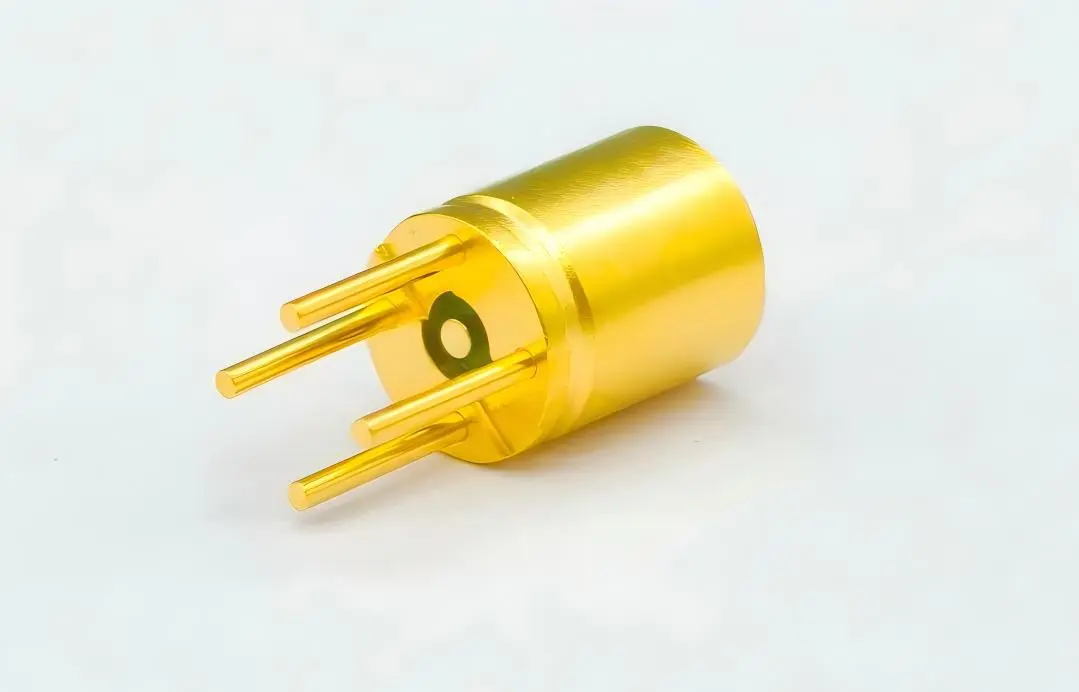
These connections are built around a super mini push-in interface design that can have either full detent or limited detent locking mechanisms. This new method makes connections that are strong by using stretchy structures that stay in touch even when there is a lot of vibration. The precision pin design on the inner conductor makes stable contact with matched female connectors, which means that signals are sent consistently across the entire frequency range. Modern GPPO connectors use Surface Mount Technology (SMT) and have special solder pads on the bottom that allow them to be directly attached to the RF signal layers of PCB boards. With a gold-plated brass housing, these lights have great conductivity and mechanical strength. Their ultra-compact design lets you put a lot of them, with as little as 4.3 mm of space between each one.
Material Science and Performance Characteristics
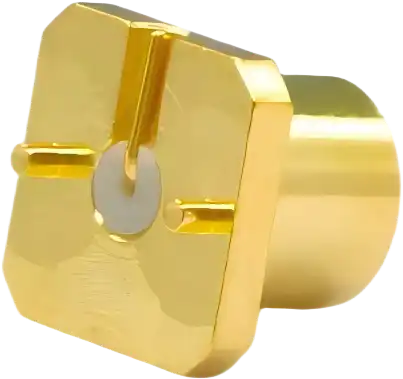
The ability to work well electrically comes from using carefully chosen materials and precise manufacturing methods. Beryllium copper center contacts have a contact resistance of less than 3mΩ and offer excellent electrical conductivity and elastic rebound. Polytetrafluoroethylene (PTFE) or liquid crystal polymer (LCP) is used as the insulation medium. These materials have stable dielectric constants around 2.1 and can match 50-ohm resistance across a wide frequency range. These connectors work great in harsh industrial settings like semiconductor testing labs, aerospace electronics factories, and factories that make cars. These are places where environmental stressors like temperature changes, electromagnetic interference, and mechanical vibration are constant problems for the reliability of connections.
Why Choose GPPO Surface Connectors Over Other Connector Types?
Connectivity solutions that go beyond what traditional connector technologies can do are needed for industrial uses. It can be shown that GPPO surface connector designs are better than standard PCIe, USB, and other connectors when tested in harsh industrial settings.
Superior Environmental Resilience
When you compare performance measures across different environmental stressors, it's clear that these connectors are more durable. Traditional connectors might not work at all or get worse when they are exposed to vibration levels above 20G. But GPPO connectors keep the signal intact in situations that meet MIL-STD-202 standards for resistance to thermal shock and environmental stress. New business case studies from 2024 show that the best GPPO models can work in harsh industrial environments for more than 500,000 hours without breaking down. This dependability directly leads to lower repair costs and less system downtime, which are very important for mission-critical uses in the defense and aerospace sectors.
Electromagnetic Interference Management
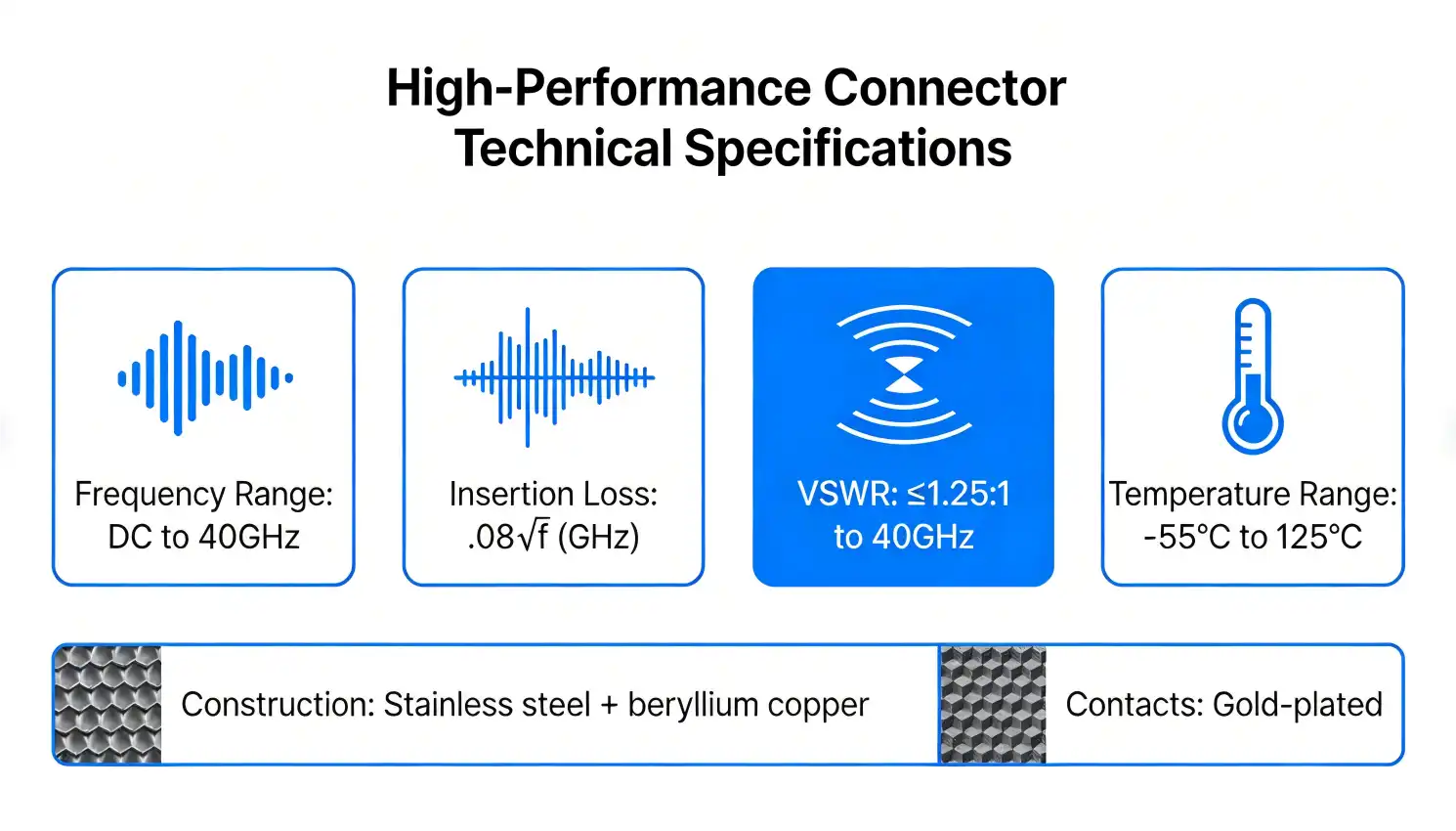
These connections are different from other options because they can shield electromagnetic fields (EMI). The gold plating on the brass housing makes it more electromagnetically compatible, which is important for high-frequency uses where signal purity has a direct effect on how well the system works. This shielding power is especially useful in places with a lot of electronics, where a lot of high-frequency messages are working at the same time. The connection can keep its VSWR characteristics and low insertion loss (.1√f GHz) over a wide frequency range, which means that signals don't get messed up too much. These performance traits are very important for millimeter-wave uses in 5G base stations, satellite communication equipment, and precise test instruments that can't lose the purity of the signal.
Key Factors When Buying GPPO Surface Connectors for Industrial Use
When buying high-frequency RF plugs, you need to carefully consider a lot of technical and business factors. Knowing about these things will help you make the best choice for your application needs while also getting the most out of your investment in the long run.
Technical Compatibility Assessment
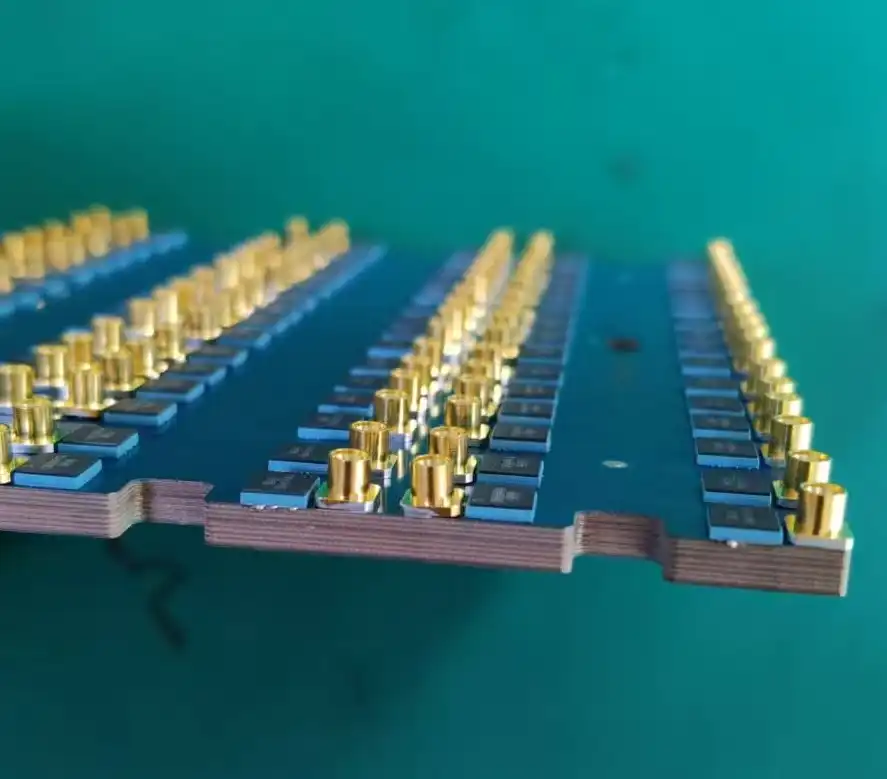
The first step in integrating a system is to make sure that the connector specifications and the needs of the current infrastructure are fully compatible. The frequency range must match the needs of the application, especially for millimeter-wave apps that work above 26GHz. Impedance matching rules say that all parts of the signal path—including PCB traces, cables, and connections that connect to them—must strictly follow 50-ohm standards. When installing GPPO surface connector units, certain PCB design factors must be taken into account, such as microstrip or stripline trace designs to reduce signal bounce. To keep insulating materials and gold plating from getting damaged, the SMT soldering method needs temperature profiles that are tailored to the heat resistance of the connector. Typically, peak temperatures must stay below 260°C for less than 10 seconds.
Supply Chain and Quality Considerations
Finding approved suppliers with proven OEM customization skills protects the authenticity of the product and gives you access to custom solutions. Suppliers with a good reputation give a lot of paperwork, like certificates for the materials they use, reports on performance tests, and proof that they follow international rules like the RoHS and REACH guidelines. Quality assurance includes factors that affect how reliable a product will be in the long term as well as the initial standards. Suppliers should show that they can keep quality control uniform across multiple production runs. This is especially important for high-volume uses where changes in connector performance could affect the reliability of the system. Lead times for bulk orders are usually between 2 and 6 weeks, so it's important to plan your purchases early on to keep your job on schedule.
Cost-Benefit Analysis and Support Services
The initial prices of the connectors are only a small part of the total investment in the system. However, the long-term effects of the connector choice have a big effect on the overall project's cost. Premium GPPO surface connector choices may cost more up front, but they offer better value by lasting longer, needing less maintenance, and reducing the chance of downtime. Full warranty coverage and quick after-sales help are important for keeping good relationships with suppliers. Technical support should include design help, application advice, and troubleshooting tools that help make the implementation of connectors work better and solve operating problems quickly.
Installation, Maintenance, and Troubleshooting of GPPO Surface Connectors
The performance and operating life of a connector are directly affected by how it is installed and maintained. Knowing these standards makes sure that the system is as reliable as possible and that unexpected failures happen as little as possible.
Installation Best Practices
When installing a surface-mount component, it's important to pay close attention to how the PCB is prepared and put together. The area that is being mounted must be clean and free of anything that could damage the electrical or mechanical connections. For reliable solder joint formation without damaging connector parts, SMT reflow soldering methods need to stick to exact temperature profiles. When installing something, applyinga uniform axial force keeps the inner wires and PCB solder joints from getting damaged. When two connectors are mated, lateral pulling or bending can damage the metal and make it less reliable in the long run. It's especially important to use the right fitting methods in high-density situations where many connectors need to be handled at the same time.
Preventive Maintenance Protocols
GPPO surface connector units work better in harsh industrial settings when they are maintained on a regular basis. Every 6 to 12 months, cleaning should be done with cotton swabs dipped in anhydrous alcohol to get rid of dust, oil, and oxidation layers in places that come into contact with people. It is important to keep alcohol from getting into PCB soldering areas, where it could damage the boards through rust. Monitoring performance with a network tester gives you early warning of possible problems. If the standing wave ratio is more than 1.5 or the insertion loss goes up a lot, the connection needs to be inspected carefully or replaced. These ways of tracking help find problems before they affect how the system works.

Troubleshooting Common Issues
Connection problems are usually caused by mechanical damage, contamination, or bad-fitting methods. Systematic inspection processes help find the causes and figure out what needs to be done to fix things. When inspecting visually, you should look for signs of physical damage or rust, as well as solder joints and properly aligned connectors. When a solder joint fails, rust layers must be removed from pads before new solder can be applied using SMT methods. When the inner conductor is damaged or there is continuous poor contact, the whole connector needs to be replaced. If you follow the right SMT disassembly instructions, you can avoid damaging the PCB lines and parts around the parts you are replacing.

Future Trends and Innovations in GPPO Surface Connector Technology
The technology behind high-frequency connectors keeps getting better to meet the needs of new applications in many fields. Knowing about these trends can help with making purchases and building infrastructure.
Materials Science Advancements
Discoveries in materials science are always making connectors work better and be more reliable. New conductive coating technologies offer better corrosion protection and electrical performance, and advanced polymer materials make things last longer and stay stable at different temperatures. These changes make it possible for GPPO surface connector designs to work consistently in environments that are getting more difficult. Miniaturization trends keep pushing link designs to have smaller sizes without lowering their electrical performance. New ways of making things allow for tighter tolerances and more accurate assembly, which lets PCB designs have more channels. It's especially helpful to have these skills in situations where space concerns limit design choices.
Emerging Application Domains
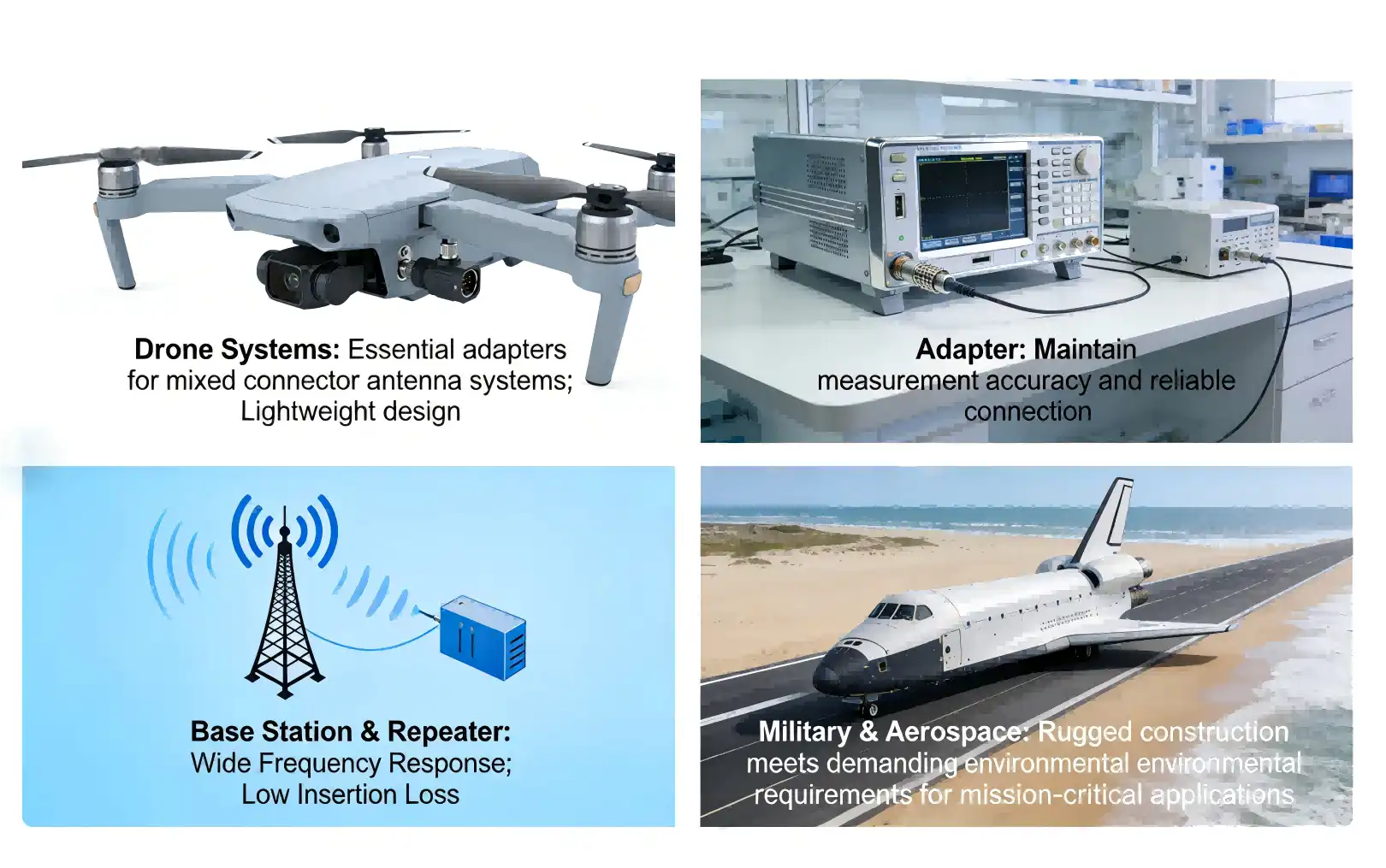
As the number of IoT devices, smart manufacturing systems, and self-driving cars grows, so do the needs for high-frequency connectivity options. For these uses, plugs need to have great electrical performance, strong resistance to environmental factors, and small sizes. Advanced adapter technologies have a big chance to grow in the millimeter-wave radar market for car safety systems, which is growing.The rollout of 5G infrastructure is still driving the need for connectors that can handle millimeter-wave frequencies with little signal loss. Base station radio frequency modules, satellite communication gear, and high-speed test equipment all need connections that can keep the signal strong over a wider range of frequencies.
Strategic Procurement Implications
These improvements in technology have an effect on buying strategies by pushing supply chain planning that is forward-looking and in line with new industry standards. Companies that think about how they will need to connect in the future can use next-generation connection technologies to protect their infrastructure investments and get better performance. As technology for connectors gets better, partnerships between suppliers become more useful. When you work with suppliers who put money into research and development, you can be sure that you will have access to cutting-edge solutions and technical help for difficult applications. Long-term connections make it possible for people to work together to create custom solutions that meet the needs of each application.
Conclusion
When it comes to tough industrial uses that need reliable high-frequency connectivity, GPPO surface connector technology is the best there is. These connectors are perfect for mission-critical systems in the aircraft, telecommunications, and precision electronics industries because they are small, have great electrical properties, and are built to last. The best performance and long-term dependability are guaranteed by careful selection, installation, and upkeep. As technology keeps getting better, these advanced connection solutions will become more important in the next generation of industrial systems that need to connect to each other very quickly and easily.
FAQ
What frequency ranges do GPPO surface connectors support?
GPPO surface connectors usually work well with frequencies from DC to 40GHz and keep the signals intact. Because they have a 50-ohm impedance, they work the same across all frequency ranges. This means they can be used for millimeter-wave uses like 5G base stations and satellite communication systems.
How do environmental conditions affect connector performance?
With temperature ranges from -65°C to +165°C, these connections are made to work in harsh industrial settings. With gold-plated brass housings and PTFE insulation, the sturdy construction is very resistant to water, vibration, and electromagnetic interference, while the electrical properties stay stable.
What are the typical lead times for bulk orders?
Lead times for bulk orders of GPPO surface connectors are usually between 2 and 6 weeks, but this depends on the specifics of the order and the supplier's ability. Custom configurations or non-standard needs may cause delivery times to be longer than expected. For projects to stay on schedule, it is important to plan procurement early on.

Partner with Chuangyu for Premium GPPO Surface Connector Solutions
Chuangyu Electronic Technology is a reliable company that makes GPPO surface connector components and provides top-notch RF connectivity options for tough industrial uses. Our advanced manufacturing facility in Xi'an makes more than 500,000 RF components every year. Strict quality control makes sure that these parts are very reliable and work well. With almost 20 years of experience in the field, we offer competitive pricing, full customization options, and quick technical help to meet all of your connectivity needs. Our engineering team can help with all aspects of design, from the initial consultation to the actual production run. They will make sure that you choose the right connectors and integrate them in the best way for your use. Visit cymicrowave.com or email chuangyuwz01@cymicrowave.com to talk to one of our experts about your GPPO surface connector needs and find out how our creative solutions can make your system work better and be more reliable.

References
1. IEEE Standards Association. "IEEE Standard for High Frequency Connector Performance in Industrial Applications." IEEE Transactions on Components and Packaging Technologies, 2024.
2. Society of Automotive Engineers. "SAE J1987: High-Frequency Connector Requirements for Automotive Electronic Systems." SAE International Standards, 2024.
3. Military Standards Department. "MIL-STD-202: Test Methods for Electronic and Electrical Component Parts Environmental Stress Testing." Department of Defense Standards, 2023.
4. International Electrotechnical Commission. "IEC 61169: Radio Frequency Connectors Performance Standards and Testing Procedures." IEC Technical Committee 46, 2024.
5. Institute of Electrical and Electronics Engineers. "RF and Microwave Connector Technology Advances for Industrial Applications." IEEE Microwave Magazine, Volume 25, Issue 3, 2024.
6. Electronic Industries Alliance. "EIA-364: Electrical Connector Test Procedures Including Environmental Performance Standards." Electronic Components Industry Association, 2023.