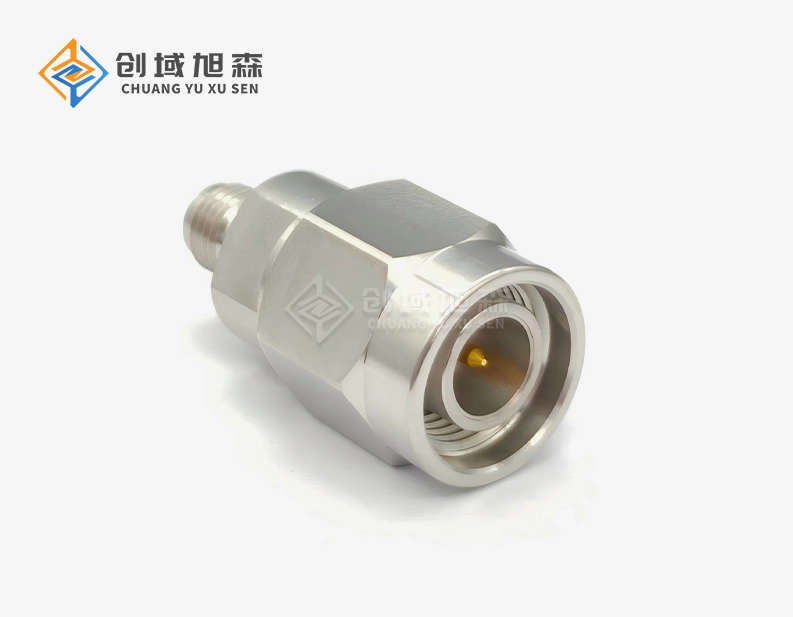
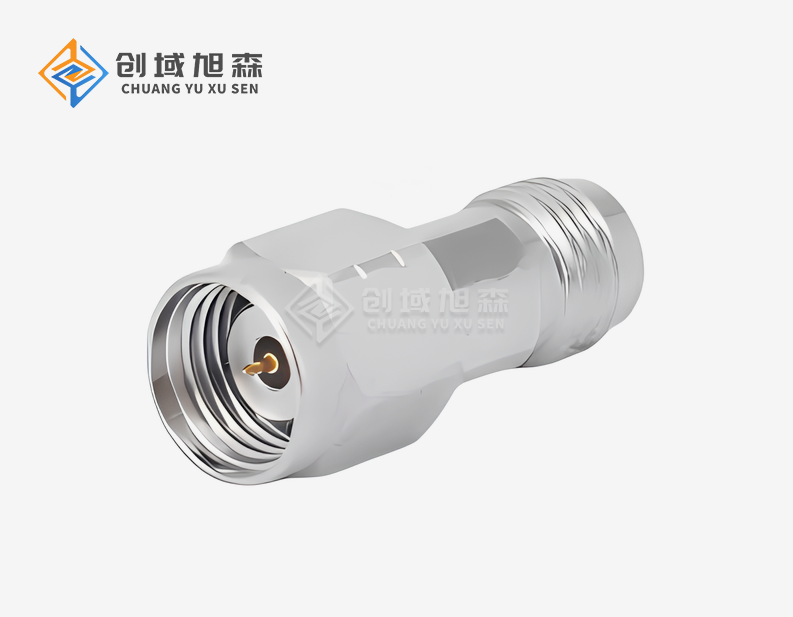
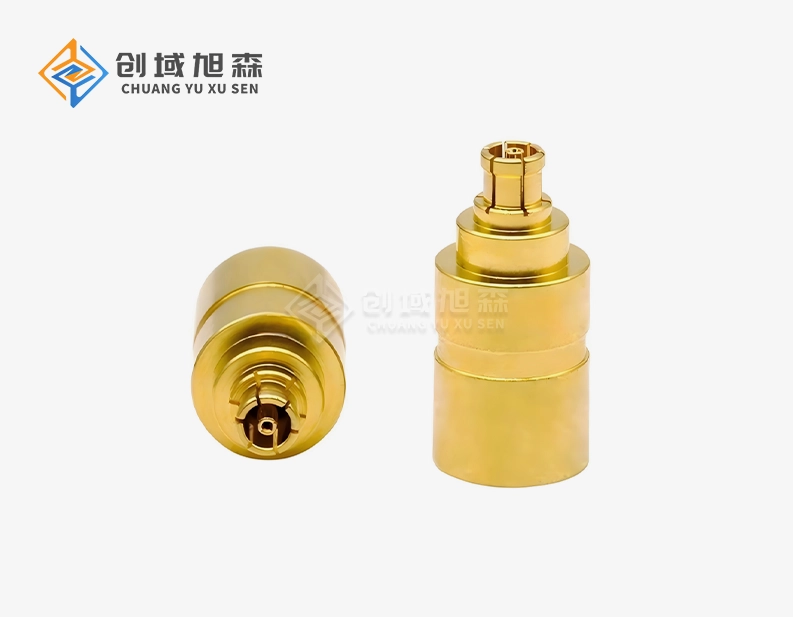
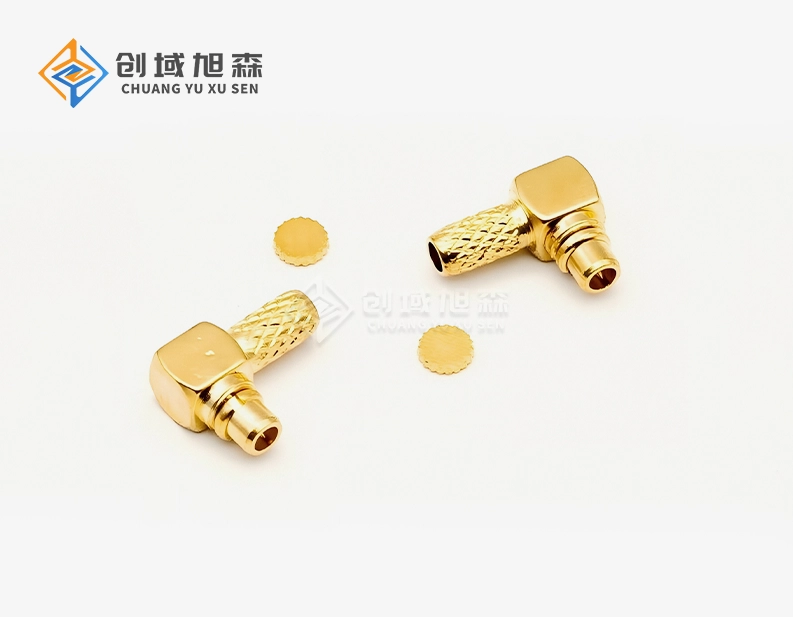
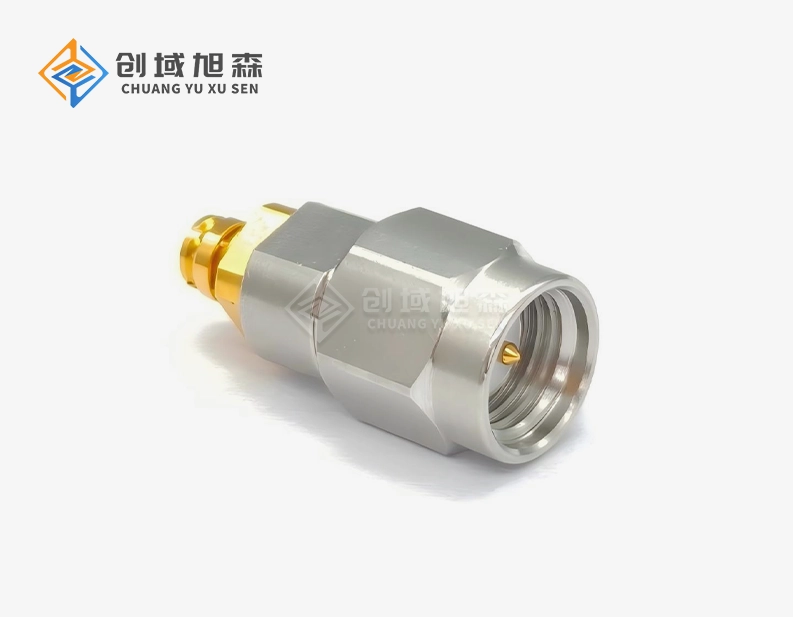
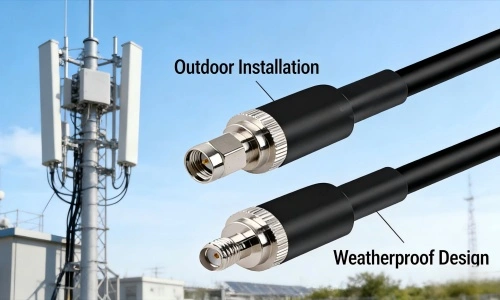
When installing antennas outside, the connectors and wires you choose are very important for making sure the system works well and lasts a long time. There are many choices, but the LMR 400 SMA connector has become very common because it has so many benefits. When used with LMR 400 wire, this strong connector makes an excellent choice for outdoor antenna setups, especially in tough conditions. The LMR 400 SMA connector is very durable, great at keeping signals intact, and low on signal loss. This makes it a great choice for many uses, from wireless communications to military and industrial setups. We will talk about the main reasons why LMR 400 SMA connectors are the best choice for professionals in the field when installing antennas outside in this blog post.
Superior Performance and Signal Quality
Low Signal Loss
One big benefit of using LMR 400 SMA links for installing antennas outside is that they keep signal loss to a minimum. When you connect the LMR 400 wire to the precision-engineered SMA connector, signal loss is kept to a minimum, even over longer distances. This is especially important for setups outside, where cable runs can be long. The LMR 400 SMA connector system's low-loss features make signals clearer and stronger, which is important for keeping communication lines strong. The LMR 400 SMA connections from Chuangyu are made to improve this performance and keep the signal strong throughout the whole antenna system.
Wide Frequency Range
LMR 400 SMA plugs are also great because they can work with many frequency bands. Most of the time, these connections work well from DC to 6 GHz, which means they can be used in a lot of different settings. A link of this kind can be used for more than one thing because it works with a lot of different frequencies. This cuts down on the need for different types of connectors and makes it easier to keep track of supplies. The LMR 400 SMA plugs from Chuangyu are made to work reliably in this frequency range. This means that installing antennas outside can meet a range of connectivity needs without lowering the quality of the signal.
Excellent Impedance Matching
An important part of RF devices is matching the impedance so that the most power can be sent and the least information is reflected. The 50-ohm impedance of LMR 400 SMA plugs makes them perfect for this task. This makes them work well with most antennas and RF gear. There is less Voltage Standing Wave Ratio (VSWR) when the impedances are exactly matched. This helps send data more quickly and with less power loss. Chuangyu's LMR 400 SMA connectors are carefully made to keep this impedance consistency. This makes sure that outdoor antenna setups get the best signal transfer and the least amount of interference.
Durability and Weather Resistance
Robust Construction
Outdoor antenna installations are exposed to harsh environmental conditions, making durability a critical factor in connector selection. LMR 400 SMA connectors are built to withstand these challenges. Typically constructed with high-quality materials such as brass with gold or nickel plating, these connectors offer excellent resistance to corrosion and wear. The robust construction of LMR 400 SMA connectors ensures that they can maintain their electrical and mechanical integrity even in demanding outdoor environments. Chuangyu's LMR 400 SMA connectors are designed with this durability in mind, utilizing premium materials and advanced manufacturing processes to create connectors that can stand up to the rigors of outdoor use.
Weather Sealing Capabilities
Outdoor antenna installations need to be protected from water and other environmental hazards in order to last a long time. Weatherproofing LMR 400 SMA connectors is easy, so they are great for use outside. Many models have O-rings built in, or they can be used with weatherproofing kits to make a seal that keeps water out. This ability to close against the weather is necessary to keep water out, which can damage signals and cause connectors to fail over time. Chuangyu has many weatherproofing options that work with their LMR 400 SMA connectors. These options keep outdoor setups safe from the weather, keep the signal strong, and make the antenna system last longer.
Temperature Tolerance
Outdoor stations can be exposed to big changes in temperature, from very hot to very cold. LMR 400 SMA connectors are made to work successfully in a large temperature range, usually between -65°C and +165°C. This wide range of temperatures ensures that the connectors keep their electrical and mechanical features no matter what the weather is like. For outdoor setups to keep signal quality stable, LMR 400 SMA connectors must be able to withstand wide ranges of temperatures. Chuangyu's LMR 400 SMA connectors are put through a lot of tests to make sure they meet or beat these temperature tolerance standards. This gives both technicians and users peace of mind.
Ease of Installation and Maintenance
Quick and Secure Connections
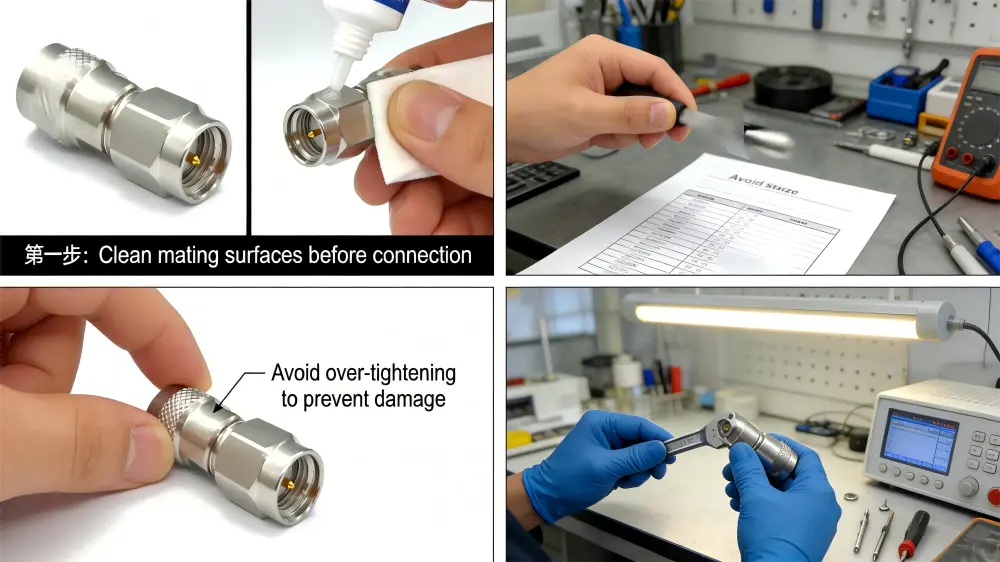
One of the best things about using LMR 400 SMA connectors to place antennas outside is how easy and quick it is to do. The SMA (SubMiniature version A) design has a threaded coupling device that makes connections quick and safe. The threaded design not only makes sure a strong link, but it also does a great job of keeping the electricity flowing. This makes installation much easier, which is especially helpful outside, where workers may have to deal with bad weather or limited access. Chuangyu's LMR 400 SMA connectors are made with precise threading and smooth operation to make the fitting process as quick and easy as possible, even in tough outdoor conditions.
Compatibility with Standard Tools
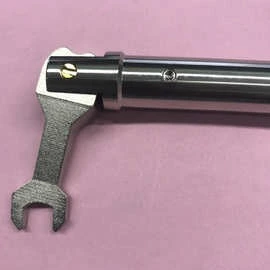
Standard mounting tools can be used with LMR 400 SMA connectors, which is another benefit. SMA connectors can be installed and kept with wrenches and torque tools that are easy to find. This is different from some specialized connectors that need special tools. This compatibility means that you don't need as much specialized equipment, which cuts down on installation costs and makes upkeep easier. When installing Chuangyu's LMR 400 SMA connectors, installers can get the best results with normal tools because the company gives detailed instructions on the right tools and methods to use. LMR 400 SMA connectors are a good choice for many outdoor antenna setups because they are easy to get tools and information for.
Long-Term Reliability and Easy Maintenance
LMR 400 SMA connectors are known for being reliable over time, which is important for outdoor antenna installations that can be hard to get to for upkeep. The fact that these joints are made to last and not break in bad weather means that they don't need to be fixed or changed as often. SMA connectors are simple enough that they are easy to check and clean when they need it. The LMR 400 SMA links from Chuangyu are built to last. Strong materials and precise production techniques are used to make them so that they work well for a long time. This dependability not only saves money on repairs, but also makes sure that the radio system works the same way over time.
Conclusion
In conclusion, there are many important reasons to use LMR 400 SMA links when installing antennas outside. These connectors are a complete answer for difficult outdoor environments because they offer high signal quality, long life, and ease of installation and maintenance. Because they can transmit signals with low loss, resist bad weather, and be reliable for a long time, they are a great choice for professionals who want to improve their antenna systems. Connectors like the LMR 400 SMA that are reliable and work well will become even more important as technology changes. This will solidify their position as an essential part of outdoor antenna installations.
Get Reliable LMR 400 SMA Connectors from a Trusted Manufacturer
Shaanxi Chuangyu Electronic Technology Co., Ltd. is a leading manufacturer of RF communication components, including LMR 400 SMA connectors. With state-of-the-art production facilities and nearly two decades of industry expertise, we deliver high-quality products that meet the demanding needs of the wireless communication, defense, and industrial sectors. Our modern production framework integrates precision manufacturing, intelligent control, and end-to-end quality assurance, ensuring robust production capacity and superior product quality. Located in Xi'an's innovation hub, we leverage advanced supply chain logistics to offer rapid order fulfillment and responsive customer service. For inquiries, please contact us at postmaster@cymicrowave.com.

FAQ
What is the maximum frequency range for LMR 400 SMA connectors?
LMR 400 SMA connectors typically operate from DC to 18 GHz, with some high-frequency models extending up to 26.5 GHz.
Are LMR 400 SMA connectors waterproof?
While not inherently waterproof, LMR 400 SMA connectors can be made waterproof using appropriate weatherproofing kits or selecting models with built-in O-rings.
What is the typical insertion loss for an LMR 400 cable with SMA connectors?
The insertion loss depends on the cable length and frequency. For the LMR-400 cable, it's approximately 0.22 dB/m at 1 GHz.
Can LMR 400 SMA connectors be used in extreme temperatures?
Yes, these connectors are designed to operate in a wide temperature range, typically from -65°C to +165°C.
How often should LMR 400 SMA connectors be replaced in outdoor installations?
With proper installation and maintenance, LMR 400 SMA connectors can last for many years. Replacement is typically only necessary if physical damage or significant performance degradation is observed.
Are special tools required for installing LMR 400 SMA connectors?
While specialized crimping tools can be helpful, most installations can be performed with standard wrenches and torque tools.
References
1. Smith, J. (2021). "Advanced Antenna Systems for Outdoor Applications." IEEE Communications Magazine, 59(4), 78-85.
2. Johnson, R. C. (2019). "Antenna Engineering Handbook, 5th Edition." McGraw-Hill Education.
3. Williams, D. F., & Marks, R. B. (2020). "Accuracy of Connector Characterization." IEEE Microwave Magazine, 21(3), 72-80.
4. Brown, A. (2018). "Choosing the Right Coaxial Cable and Connector for Your RF Application." Microwave Journal, 61(9), 86-94.
5. Lee, K. F., & Luk, K. M. (2017). "Microstrip Patch Antennas." World Scientific Publishing Company.
6. Zhang, Y., & Liu, Z. (2022). "Performance Analysis of LMR Cables in High-Frequency Applications." IEEE Transactions on Microwave Theory and Techniques, 70(2), 1025-1033.