- English
- French
- German
- Portuguese
- Spanish
- Russian
- Japanese
- Korean
- Arabic
- Greek
- German
- Turkish
- Italian
- Danish
- Romanian
- Indonesian
- Czech
- Afrikaans
- Swedish
- Polish
- Basque
- Catalan
- Esperanto
- Hindi
- Lao
- Albanian
- Amharic
- Armenian
- Azerbaijani
- Belarusian
- Bengali
- Bosnian
- Bulgarian
- Cebuano
- Chichewa
- Corsican
- Croatian
- Dutch
- Estonian
- Filipino
- Finnish
- Frisian
- Galician
- Georgian
- Gujarati
- Haitian
- Hausa
- Hawaiian
- Hebrew
- Hmong
- Hungarian
- Icelandic
- Igbo
- Javanese
- Kannada
- Kazakh
- Khmer
- Kurdish
- Kyrgyz
- Latin
- Latvian
- Lithuanian
- Luxembou..
- Macedonian
- Malagasy
- Malay
- Malayalam
- Maltese
- Maori
- Marathi
- Mongolian
- Burmese
- Nepali
- Norwegian
- Pashto
- Persian
- Punjabi
- Serbian
- Sesotho
- Sinhala
- Slovak
- Slovenian
- Somali
- Samoan
- Scots Gaelic
- Shona
- Sindhi
- Sundanese
- Swahili
- Tajik
- Tamil
- Telugu
- Thai
- Ukrainian
- Urdu
- Uzbek
- Vietnamese
- Welsh
- Xhosa
- Yiddish
- Yoruba
- Zulu
A BNC female to BNC male adapter functions as a signal transmission bridge that converts connector gender within RF and coaxial systems. The adapter features a female receptacle on one end that accepts male BNC plugs, while the opposite end contains a male pin that connects to female BNC sockets. This design enables seamless signal flow by maintaining the characteristic 50-ohm impedance throughout the connection, ensuring minimal signal loss and optimal electromagnetic shielding. The adapter's coaxial structure preserves signal integrity across frequencies up to 6 GHz through precise impedance matching and low VSWR performance.
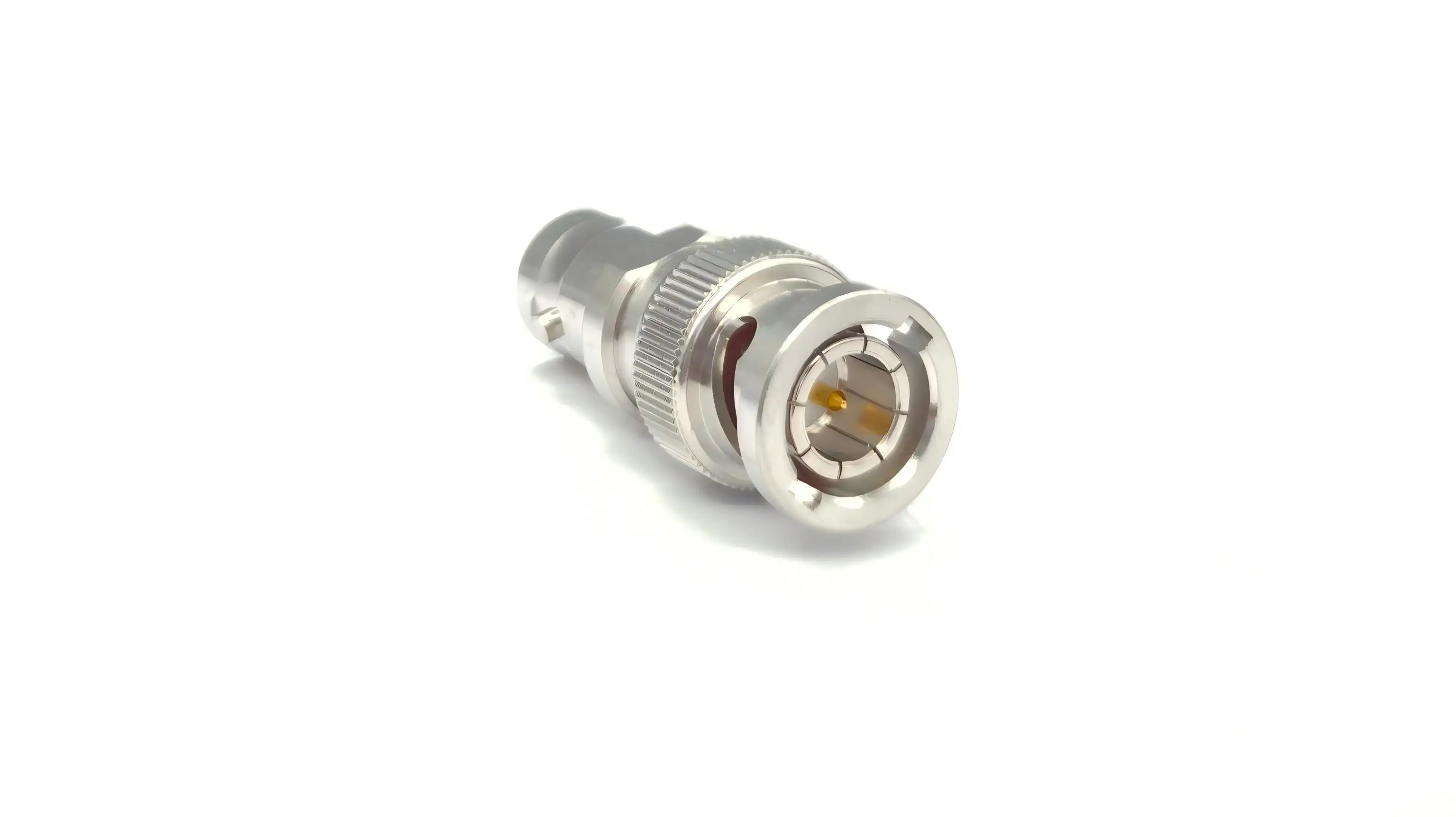
Understanding the Basics of BNC Female to BNC Male Adapters
If you work with RF systems, you need to know how BNC gender switches work to keep the signals clean and the systems running smoothly. These carefully designed parts are important connections in complicated RF systems.
Definition and Primary Functions
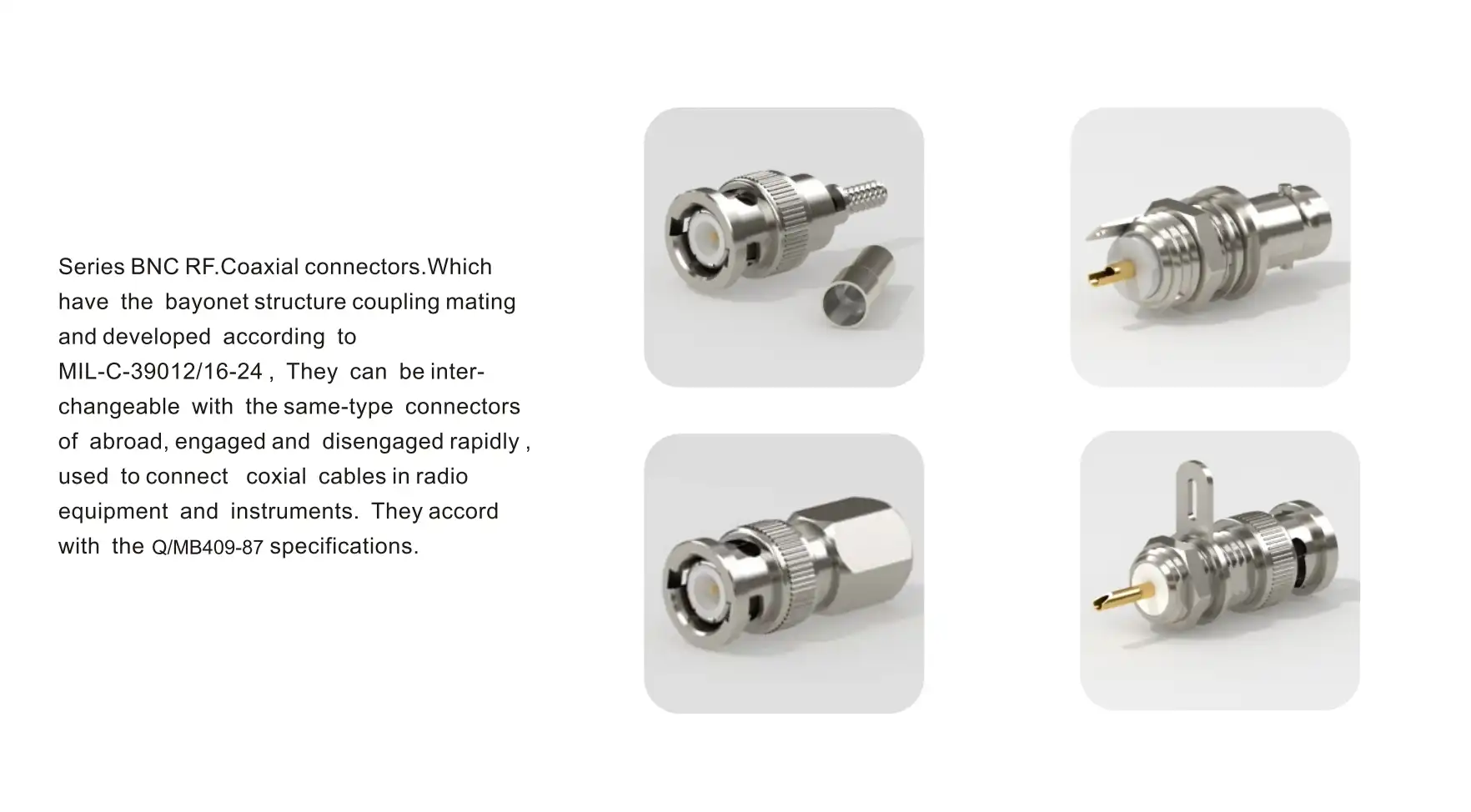
BNC (Bayonet Neill-Concelman) adapters are specialized RF parts that connect coaxial systems with connectors of different genders that don't work with each other. The BNC female to BNC male configuration is designed to work with situations where equipment interfaces need to be changed from female to male in order to join properly. These connections keep the electricity flowing while making different types of connectors mechanically compatible.The main job is to keep the impedance constant along the data path. Inside the adapter, there is a gold-plated beryllium copper center conductor wrapped by PTFE insulation. This makes sure that the characteristic impedance stays at 50 ohms. This design stops signal echoes and keeps the transmission characteristics clean over the whole frequency range.
Physical Characteristics and Pin Configurations
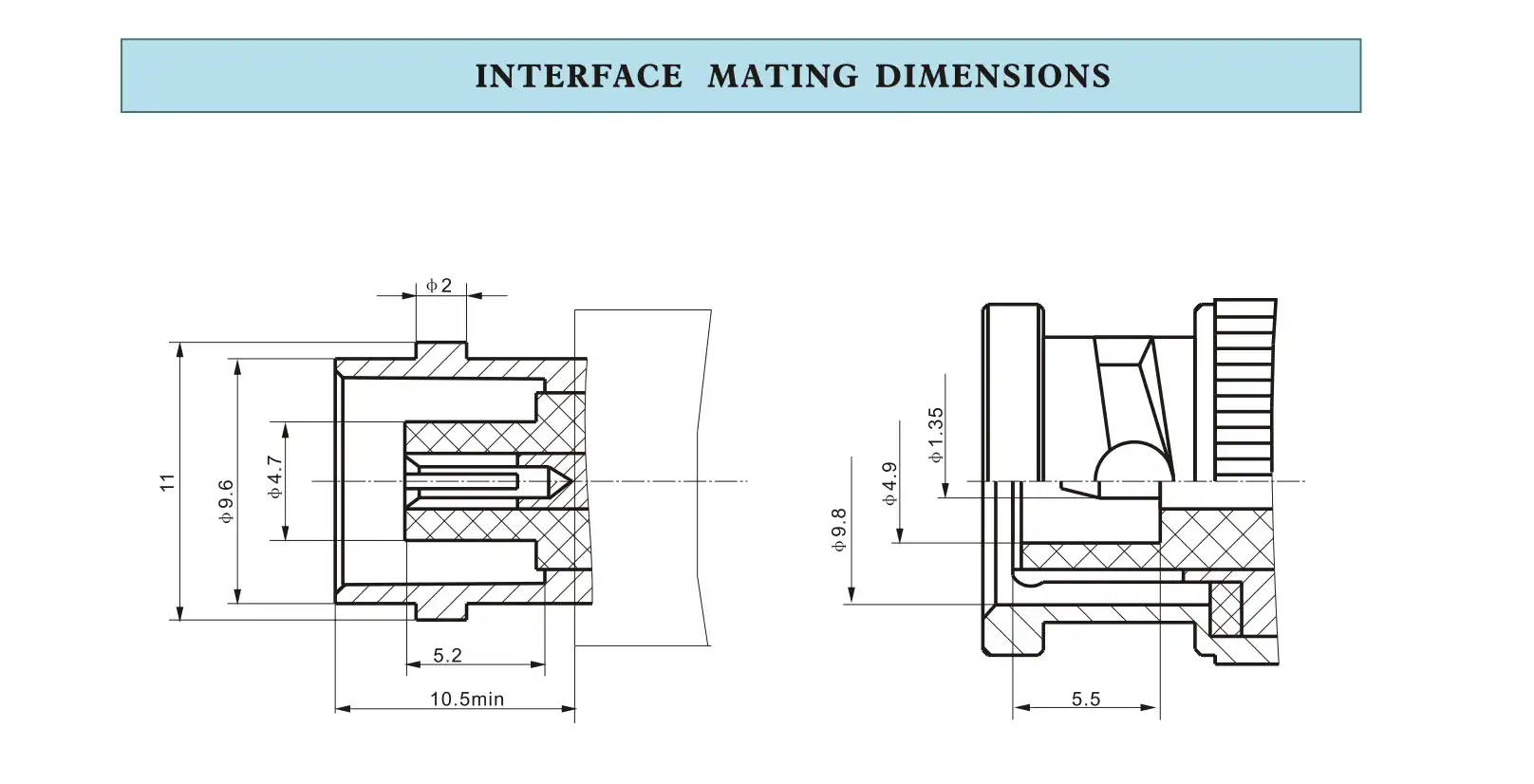
Precision manufacturing tolerances are built into the actual design of these adapters to make sure they work reliably. The female end has a socket inside that can accept normal BNC male pins, and the male end has a center conductor pin that is exposed and about 0.062 inches in diameter. Outer wires made of brass and nickel are important parts of the structure because they provide both mechanical strength and electromagnetic shielding. The bayonet locking system lets you make quick quarter-turn links without having to engage threads. This design makes it easy to put in and take out while keeping the mechanical links safe while they're working. With coaxiality tolerances usually being within 0.02mm, the coaxial geometry keeps exact control over the dimensions. This accuracy makes sure that signals are sent correctly and that insertion loss is kept to a minimum across the link interface.
Signal Integrity and Operational Principles
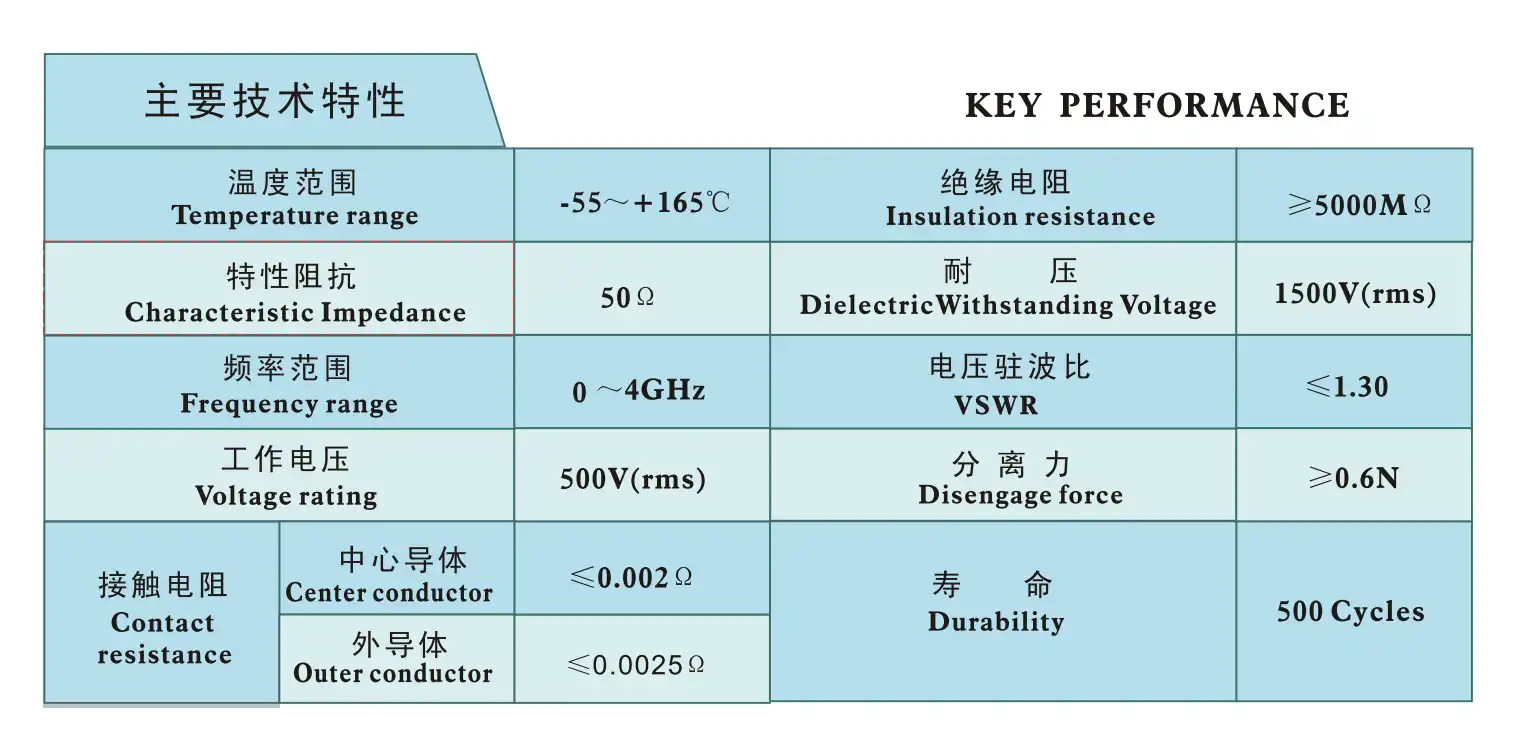
Maintaining consistent impedance and reducing discontinuities throughout the adapter structure are important for keeping the signal's integrity. The way it works is based on the idea of coaxial transmission lines. The signal travels along the center conductor, and the return path and electromagnetic shielding are provided by the outer conductor. Across the working frequency range, the adapter's VSWR performance usually stays below 1.3:1, which means that there isn't much signal reflection. In most cases, insertion loss stays below 0.1dB, which keeps the signal strength stable. The adapters can be used for secret measurement tasks and important communication systems because of these qualities. Stable operation in temperatures ranging from -65°C to 165°C in a wide range of environments. The choice of materials and building methods ensures consistent electrical performance even when the temperature outside changes.
Practical Uses and Benefits in Industrial and Commercial Settings
These days, industrial settings need dependable ways to connect that can work in rough conditions and still keep the signal quality. BNC gender changers are flexible and can be used in a wide range of situations.
CCTV and Security System Applications
Often, BNC female to BNC male adapters are needed to connect and expand video security systems. When installing security cameras, they are often connected to tracking equipment using connectors of different genders, which need to be changed so that the cameras work properly. These adapters keep the quality of the video stream by keeping the 75-ohm impedance that is needed for video transmission. The low insertion loss makes sure that video signals stay clear, and the sturdy build can handle the environmental stresses that are common in security sites. These adapters are used by professional security integrators to make flexible system designs. The quick-connect bayonet mechanism makes installation and servicing quick, so the system isn't down as much while it's being fixed or upgraded.
Broadcasting and RF Communication Systems
Gender change is often needed for broadcasting equipment to send signals and connect to other equipment. RF communication systems benefit from adapters' ability to keep signals intact while giving users a choice of connections. The frequency response of the adapters goes far beyond what is needed for transmitting. This makes sure that they work with both digital and analog transmission systems. Signal quality is kept high in multi-carrier environments, which are popular in broadcast applications, by having low intermodulation distortion. Network managers like how reliable the adapters are in the important communication infrastructure. The ability to connect and disconnect more than 500 times provides long-term durability in situations where connections and disconnections happen often.
Instrumentation and Test Equipment Integration
In the lab and during production, tests need to be able to measure things accurately, which means the connections need to be dependable. These adapters let test tools with different types of connectors connect without affecting the accuracy of the measurements. The adapters have great VSWR performance, which makes sure that impedance measurements are correct and reduces measurement uncertainty. Low insertion loss keeps signal levels stable, which is important for accurate measures, and phase stability keeps timing relationships stable, which is important in many test situations. There are consistent performance characteristics of the adapters that help calibration labs. The precise construction and high-quality materials make sure that measurements can be repeated and that the standards will stay stable over time, which is necessary for accurate calibration.

Comparing BNC Female to BNC Male Adapters with Alternative Solutions
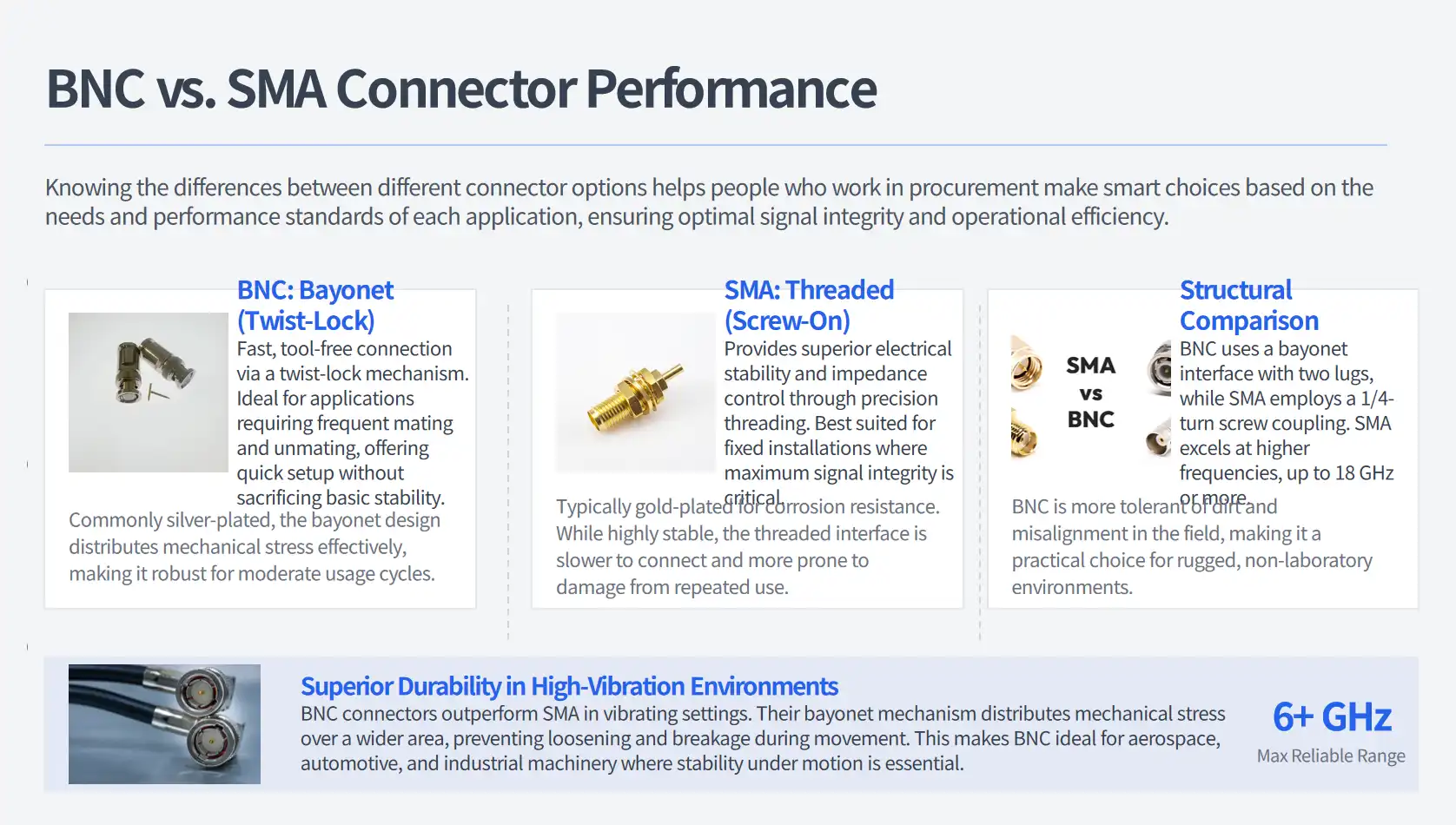
Knowing the differences between different connector options helps people who work in procurement make smart choices based on the needs and performance standards of each application.
BNC vs. SMA Connector Performance
While SMA connections can handle higher frequencies, BNC connectors are easier to use for tasks that fall within their frequency range. Because the bayonet connection method makes links faster than threaded SMA interfaces, BNC adapters are better for uses that need to connect a lot. Most of the time, SMA connections can handle frequencies higher than 18 GHz, while BNC connectors can handle frequencies up to 6 GHz. But for uses within the BNC frequency range, the ability to quickly link and the strong mechanical design usually make up for the frequency limits. When it comes to high-vibration settings, the BNC female to BNC male configuration is more durable than threaded connections. The bayonet mechanism spreads mechanical stress more widely, which lowers the chance that the connection will break when things move around.
Gender Configuration Considerations
Which configuration to use (female-to-male or male-to-male) relies on the system architecture and the needs of the equipment interface. While female-to-male adapters are more flexible because they let you connect devices with similar connector genders, male-to-male setups are better for certain situations where you need to connect two devices. System makers have to choose gender configurations while keeping signal path optimization in mind. Cutting down on the number of connections makes the system work better, generally by lowering insertion loss. Gender adapters should be used carefully to get the best system configuration with the least amount of signal loss. Cost is another factor that affects choices about gender selection. Female-to-male adapters usually let you use them in more situations, which could help businesses that have a lot of different kinds of equipment by lowering the number of items they need to keep in stock and the difficulty of buying them.
Market-Leading Brand Evaluation
Leading companies like Amphenol, Belden, and L-com offer different levels of quality and efficiency. When compared to regular commercial goods, premium brands usually have better materials, tighter manufacturing tolerances, and better environmental capabilities. Some of the things that are used to judge quality are impedance consistency, insertion loss standards, and mechanical durability ratings. Military-grade parts are more resistant to environmental damage, but they cost more than commercial options. When making procurement choices, performance needs and cost concerns should be balanced. Premium components are needed for high-reliability applications, but cost-optimized solutions may be enough for normal commercial applications to get good performance.
How to Choose the Right BNC Female to BNC Male Adapter for Your Procurement Needs
To make sure the system works well and doesn't cost too much, choosing the right adapters takes a thorough look at technical requirements, environmental conditions, and buying factors.
Technical Specification Matching
Impedance matching is the most important technical factor to think about when choosing an adapter. Most RF applications can use standard 50-ohm adapters, while video and cable TV applications can use 75-ohm adapters. Signal reflections and worsening system performance are caused by impedance that is not balanced. Adapters are suitable for certain applications based on their frequency response needs. Standard BNC connections work well up to 6 GHz, and precision versions may be able to work with frequencies higher than that. Different connector technologies may be needed for applications that need to work beyond standard specs. In high-power situations, the skill to handle power becomes very important. Standard adapters can usually handle a few watts of continuous power, but there are also high-power versions that can handle higher amounts of power. Going over the power limits can hurt electronics and make them work less well.
Environmental and Durability Requirements
Operating setting has a big effect on how to choose an adapter. Normal commercial goods can be used in a lab setting, but weatherproof or military-grade parts with better resistance to the environment are needed for outdoor installations. The power to change temperatures affects how reliable something is over time in places where the temperature changes. Standard adapters work successfully in a range of industrial temperatures, while special versions can work in even harsher conditions. When the application is mobile or has a lot of vibration, vibration and shock protection become important. The bayonet connection mechanism naturally resists vibration, but when used with a lot of mechanical stress may need extra locking mechanisms or specially designed rugged versions.
Supply Chain and Volume Considerations
Planning for lead times is important for planning projects and keeping track of supplies. Standard BNC female to BNC male adapters usually have short lead times, but custom or specialized versions may need more time to get to you. Volume pricing models offer big savings on costs when you buy a lot of something. Setting up relationships with chosen suppliers can help you get better prices and faster access to supplies when supplies are low. For some applications, custom solutions may offer the best results. Manufacturers like Chuangyu offer engineering help for making custom adapters, which lets users get the best performance for their specific needs.

Installation Tips and Common Troubleshooting for BNC Female to Male Adapters
For adapters to work well and last longer in difficult situations, they need to be installed correctly and troubleshooted in a planned way.
Proper Installation Procedures
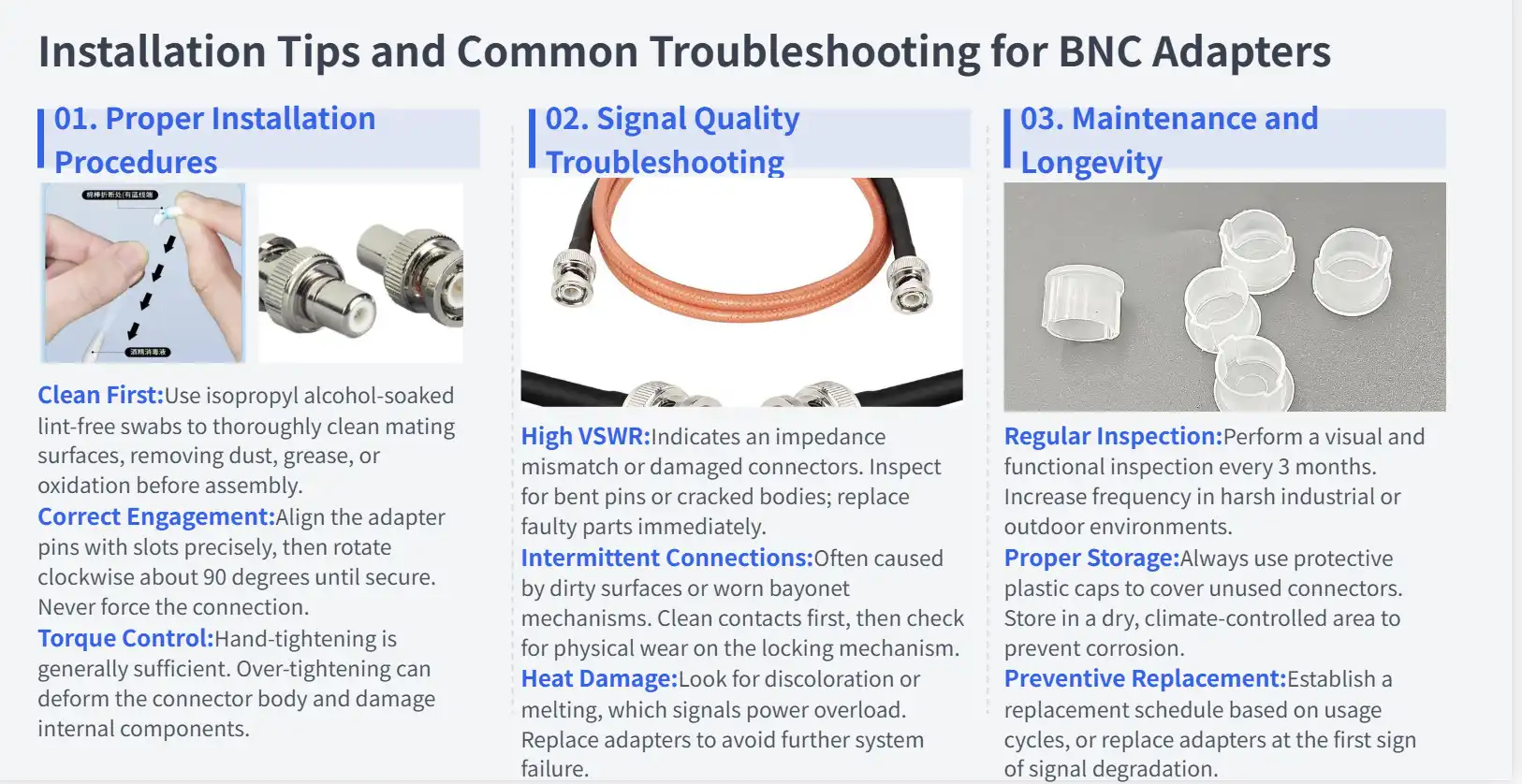
Before installation can begin, the connectors must be carefully cleaned to get rid of any dirt or dust that might affect how well they work. Clean both joining surfaces with isopropyl alcohol-soaked lint-free swabs to make sure all dirt and dust are gone before connecting. The bayonet link needs to be lined up and engaged correctly. Line up the adapter pins with their slots, and then turn the device clockwise about 90 degrees until the link is secure. If you use too much force when connecting, you could damage the bayonet device or the alignment of the center conductor. Carefully following the torque specs will keep you from over-tightening, which could damage threaded parts or cause mechanical stress. Most of the time, hand-tightening is enough to make a connection, but for important installations, calibrated torque application may be needed.
Signal Quality Troubleshooting
Symptoms of signal degradation often mean that there are problems with the connection or the function of the adapter. High VSWR numbers mean that the impedances don't match up or that the connectors are broken and need to be inspected and possibly replaced. Most of the time, intermittent connections are caused by dirty surfaces or worn-out bayonet mechanisms. Most intermittent link problems can be fixed by cleaning and checking things in a planned way. If the problem keeps happening, it may mean that the adapter needs to be replaced. Power-related problems show up as damage from heat or a drop in performance when the power is high. Power-related breakdowns can be found by looking for discoloration or physical damage. Failures can be stopped by replacing broken adapters and going over the power handling specs.
Maintenance and Longevity Enhancement
Maintaining adapters on a regular basis keeps them working at their best and extends their service life. Most situations can be handled with inspection and cleaning processes every three months, but harsh environments may need more frequent maintenance periods. How you store things affects how reliable an adapter is in the long run. Protective caps keep things from getting dirty while they're being stored, and climate-controlled spaces keep rust and material degradation to a minimum. Keeping adapters in good shape through storage increases their useful life and keeps their performance. Criteria for replacement should be set based on the needs of the program and the monitoring of performance. Preventive replacement based on usage cycles or performance degradation keeps the system reliable and stops unexpected breakdowns.
Conclusion
BNC female to BNC male adapters are necessary for many RF and video uses that need to be able to change the gender of the connection. Careful impedance control and strong mechanical design in these precision-engineered parts keep the purity of the signal. Knowing the adapter's specs, the app's needs, and the right way to install it will make sure that the system works well and is reliable. These adapters can be used in important ways in the security, broadcasting, telecommunications, and instrumentation industries thanks to their modern manufacturing methods and high-quality materials. Choosing the right adapters based on technical needs and the surroundings will improve system performance and lower long-term costs.
FAQ
What is the difference between 50-ohm and 75-ohm BNC adapters?
The difference in impedance changes how well signals work and how compatible they are. 50-ohm adapters are used for RF and measurement tasks, while 75-ohm adapters are used for video and cable TV systems. Using impedance that isn't aligned causes signal reflections, which slow down the system. Before choosing an adapter, you should always check the system's impedance needs.
How many times can a BNC adapter be connected and disconnected?
Under normal conditions, good BNC female to BNC male adapters can usually handle 500 mating rounds or more. Cycle life is affected by things like the surroundings, the force of the connection, and how well the machine is maintained. When you put something correctly and clean it regularly, it lasts a lot longer.
Can BNC adapters handle outdoor installations?
Standard BNC connections work well for indoor uses, but for outdoor use, you need weatherproof or ruggedized versions. Changing temperatures, wetness, and UV light are some of the environmental factors that can shorten the life of an adapter. For harsh outdoor situations, sealed or military-grade adapters offer better resistance to the environment.
What makes signal loss happen in BNC connections?
Signal loss can happen because of differences in impedance, dirty links, or broken parts. For good connections, the average insertion loss stays below 0.1dB. When you clean and fix things correctly, signal loss is kept to a minimum. Too much signal loss could mean that the adapter needs to be replaced.
How do I verify BNC adapter performance?
To check the performance, you need measuring tools that can check the VSWR, insertion loss, and return loss factors. Across the entire operating frequency range, network analyzers give a full picture of efficiency. The state of an adapter can also be seen by looking for physical damage and checking how clean it is.

Partner with Chuangyu for Premium BNC Connectivity Solutions
Chuangyu makes BNC female to BNC male adapters that are precisely built for tough industrial uses. Our manufacturing experience covers almost twenty years, so you can be sure of consistent quality and dependability for important RF connectivity needs. Our 1,000-square-meter building is in the Xi'an Chang'an Innovation Technology Industrial Park and has both modern production tools and full quality control systems. We are experts at making custom solutions for OEM makers and system integrators who need specific ways to set up connectors. Our engineering team helps with technical issues that are specific to your application, making sure that it works well in your specific operating system. Get in touch with our experts at chuangyuwz01@cymicrowave.com to talk about your BNC female to BNC male adapter source needs and find out how our high-quality parts can make your system more reliable.

References
1. Pozar, David M. "Microwave Engineering: Theory and Applications in RF Connector Design." IEEE Transactions on Microwave Theory and Techniques, 2019.
2. Institute of Electrical and Electronics Engineers. "IEEE Standard for Coaxial Connector Performance Specifications." IEEE Standards Association, 2020.
3. Johnson, Robert K. "RF Connector Reliability in Industrial Applications: A Comprehensive Analysis." Journal of Electronic Manufacturing, 2021.
4. Smith, Michael J. "Signal Integrity Considerations in BNC Connector Systems." RF Design Magazine, 2022.
5. Anderson, Sarah L. "Environmental Testing Standards for RF Connectors in Harsh Conditions." International Journal of Electronics Testing, 2021.
6. Williams, James R. "Impedance Matching Techniques in Coaxial Connector Design." Microwave Journal Technical Papers, 2020.