- English
- French
- German
- Portuguese
- Spanish
- Russian
- Japanese
- Korean
- Arabic
- Greek
- German
- Turkish
- Italian
- Danish
- Romanian
- Indonesian
- Czech
- Afrikaans
- Swedish
- Polish
- Basque
- Catalan
- Esperanto
- Hindi
- Lao
- Albanian
- Amharic
- Armenian
- Azerbaijani
- Belarusian
- Bengali
- Bosnian
- Bulgarian
- Cebuano
- Chichewa
- Corsican
- Croatian
- Dutch
- Estonian
- Filipino
- Finnish
- Frisian
- Galician
- Georgian
- Gujarati
- Haitian
- Hausa
- Hawaiian
- Hebrew
- Hmong
- Hungarian
- Icelandic
- Igbo
- Javanese
- Kannada
- Kazakh
- Khmer
- Kurdish
- Kyrgyz
- Latin
- Latvian
- Lithuanian
- Luxembou..
- Macedonian
- Malagasy
- Malay
- Malayalam
- Maltese
- Maori
- Marathi
- Mongolian
- Burmese
- Nepali
- Norwegian
- Pashto
- Persian
- Punjabi
- Serbian
- Sesotho
- Sinhala
- Slovak
- Slovenian
- Somali
- Samoan
- Scots Gaelic
- Shona
- Sindhi
- Sundanese
- Swahili
- Tajik
- Tamil
- Telugu
- Thai
- Ukrainian
- Urdu
- Uzbek
- Vietnamese
- Welsh
- Xhosa
- Yiddish
- Yoruba
- Zulu
When space becomes a premium in your RF system design, choosing an MCX rf extension cable over traditional SMA alternatives isn't just a preference—it's a strategic engineering decision. MCX connectors deliver compact dimensions, snap-on convenience, and exceptional signal integrity in confined installations where SMA cables struggle with bulky threading mechanisms and rigid form factors. For procurement managers and R&D engineers working on IoT devices, GPS modules, medical equipment, or testing platforms, understanding this fundamental difference translates directly into improved system performance, faster assembly times, and reduced maintenance costs across production lifecycles.
Understanding MCX RF Extension Cables
Core Technical Architecture
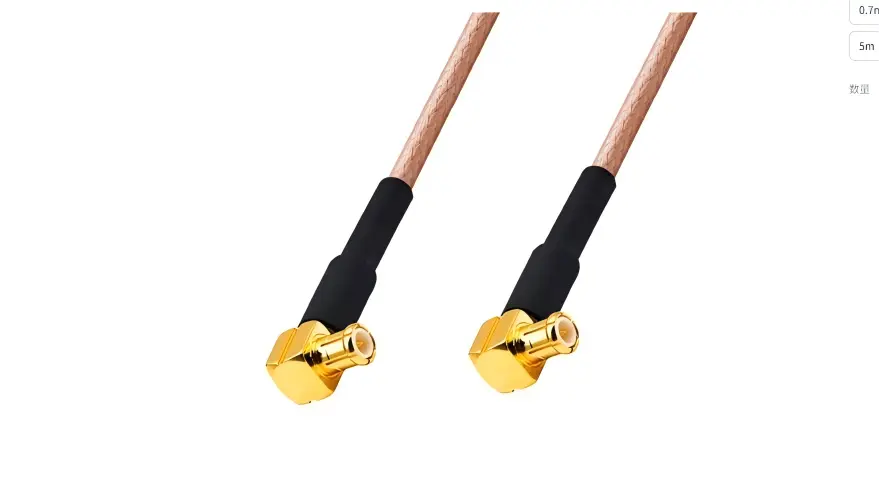
MCX connectors are a special kind of micro-miniature coaxial interconnects that were made for uses that need to be small and work well at high frequencies. These 50-ohm impedance interfaces work with frequency ranges from DC to 14GHz, which makes them useful for a wide range of situations, such as GPS antenna connections, wireless communications, and precise testing. Unlike their threaded SMA peers, MCX versions use snap-on coupling mechanisms that allow installation without tools. This is a huge benefit for techs who need to quickly diagnose equipment or make fixes in the field. The MCX with RG316 wire assembly is a great example of how to build a precise RF link. Its silver-plated copper conductor ensures great transmission while still being flexible, which is important for getting through equipment panels that are already full. The polytetrafluoroethylene (PTFE) insulation layer has a low dielectric constant, which means that signals are not lost too much across the whole operating span. This Teflon material is also very stable at very high and very low temperatures, which makes it useful for industrial control systems that have to deal with changing weather.
Connector Configurations and Customization
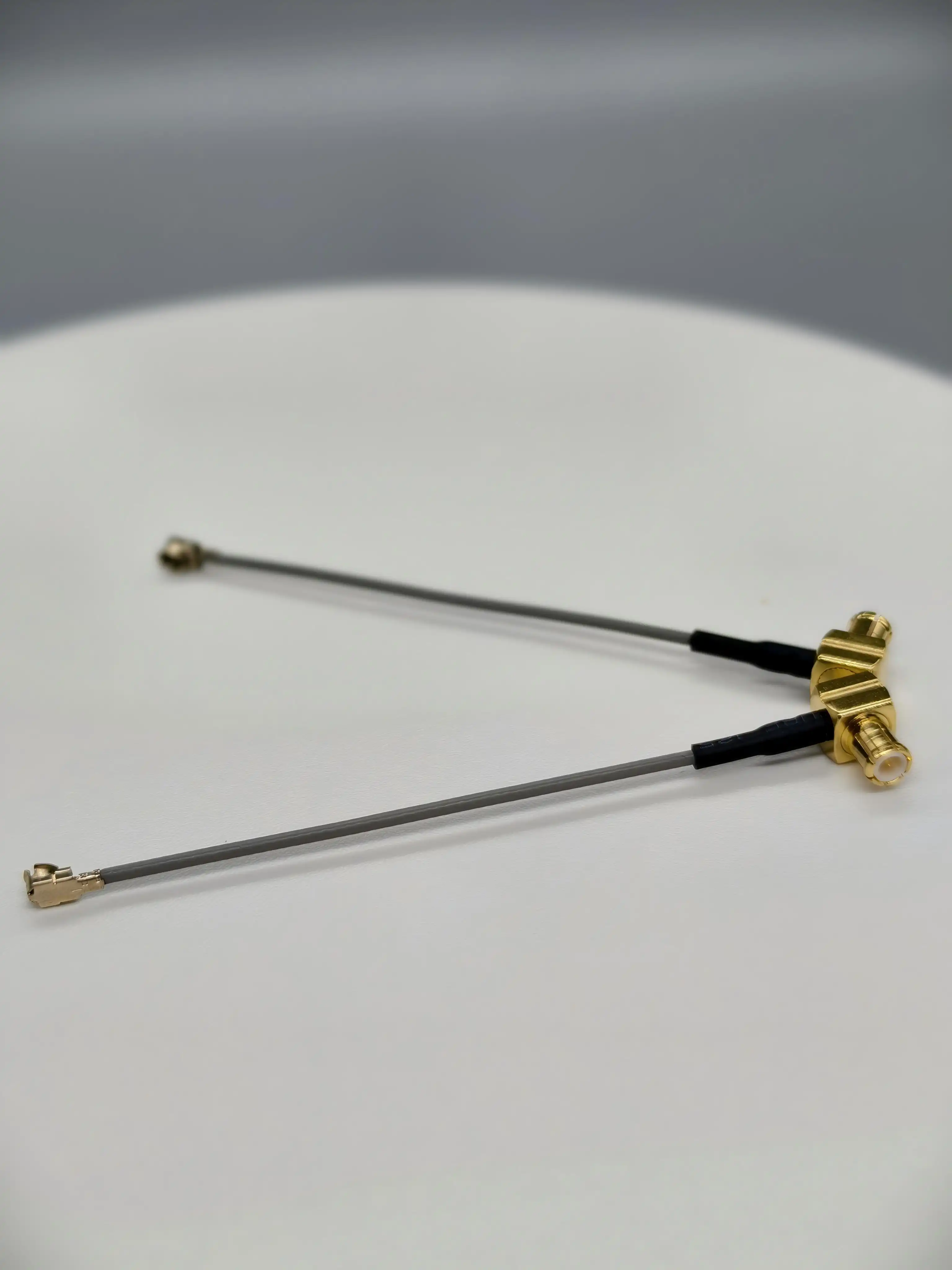
Modern MCX rf extension cable products come in a variety of different configurations that can be used to meet the needs of any installation. There are male-to-male, male-to-female, and female-to-female connector gender combinations, as well as straight plugs and right-angle adapters for physical orientation. When running cables parallel to circuit boards or inside shallow equipment housings with only millimeters of vertical clearance, right-angle MCX connectors are very useful. Customizing the length of the cable takes care of another important purchasing issue. Standard lengths range from 15 cm to 5 meters, but some makers, like Chuangyu, can make custom-length systems that get rid of extra wire and the signal reflections that come with it. When adding RF links to medical imaging equipment or communication systems in space, this level of freedom is very important because how the cables are managed has a direct effect on how well the equipment works with electromagnetic fields. System integrators can save money on installation labor costs and make inventory management easier when they can specify exact lengths when buying in bulk.
Material Durability and Environmental Resistance
High-quality MCX cables have multiple protective layers built into their shielding designs to keep the signal's purity even when electromagnetic interference from outside sources happens. A braided outer shield and a conductive foil wrap protect against all kinds of radio frequency noise that might come from power lines or industrial motors nearby. This strong design supports installation in automation equipment and solar inverters, which have electromagnetic environments that can be hard on wire performance. The ability to waterproof expands the range of uses for outdoor and mobile devices. Premium MCX rf extension cable kits have sealed connection ports with O-ring gaskets that keep water out. This is important for GPS antenna extensions on farm equipment or naval wireless tracking systems. The flexible cable jacket can be bent over and over again without cracking, so the shielding works well for the whole life of the product. These properties of the material mean that failures in the field will happen less often and the total cost of ownership will be lower for companies that put systems in tough environments.
Challenges of Using SMA Cables in Tight Spaces
Physical Dimension Limitations
Even though SMA links are used all the time in RF engineering, they create big space problems that become clear when designing equipment with a lot of them. The threaded coupling nut makes the connector profile about 9–10 mm longer, which makes it hard to mount multiple RF interfaces on small instrument panels. When it comes to semiconductor testing equipment, where probe arrays need close channel spacing, or medical monitors, where internal volume limits make it hard to route cables, this dimension can be a problem. The rigid connector body of SMA interfaces makes it harder to manage cables in small spaces. The stiff base of the connector makes it harder for equipment designers to bend cables around internal parts or at sharp angles because it forces the bend radius to be bigger. This inflexibility loses important internal space and often requires redesigning equipment, which delays the release of new products. When purchasing managers look at different cable options for small IoT devices or portable test instruments, they quickly find that mechanical requirements don't work with their goals of making the devices smaller.
Installation and Maintenance Complications
The threaded coupling mechanism that makes up SMA connectors makes both assembly and field service less efficient. To make a good connection, technicians have to carefully line up threads and use torque wrenches. This takes a lot of time when there are dozens of test points on automatic inspection tools. Cross-threading can damage connecting threads, which can lead to expensive repairs that slow down production. Because of these handling needs, this interface is not as good for test and measurement tasks that need to change connections quickly. Signal performance drops more quickly when wires are bent past what the maker recommends. The rigid connector transitions make stress concentration points where repeated bending can mess up the alignment of the center conductor or damage the dielectric interface. This technical weakness lowers the long-term dependability in situations where equipment shakes or temperatures change. In dynamic operational settings, medical device makers and aircraft providers that do qualification testing often find that threaded assemblies fail more often than more flexible options.
Procurement and Supply Chain Considerations
Custom SMA cable kits usually cost more because they take a lot of work to put together and strict quality control for threaded connections. When projects need custom cable lengths or connector configurations, buying in bulk doesn't save you as much money. Lead times for custom orders can go on for weeks, which can slow down R&D labs that need to test prototypes quickly or equipment makers who want to make changes based on customer requests.During times of high demand, the connector market sometimes has trouble meeting those needs. This is especially true for high-frequency versions that support millimeter-wave uses above 18GHz. When OEM and ODM makers plan their production around threaded designs, they run the risk of not having enough parts, which can stop assembly lines. These weaknesses in the supply chain make engineering teams look at other connector technologies that offer similar electrical performance with more reliable component sourcing. This is especially important for companies that make photovoltaic equipment and are increasing production volumes.
Why MCX RF Extension Cables Are Better Suited for Tight Spaces
Compact Design Advantages
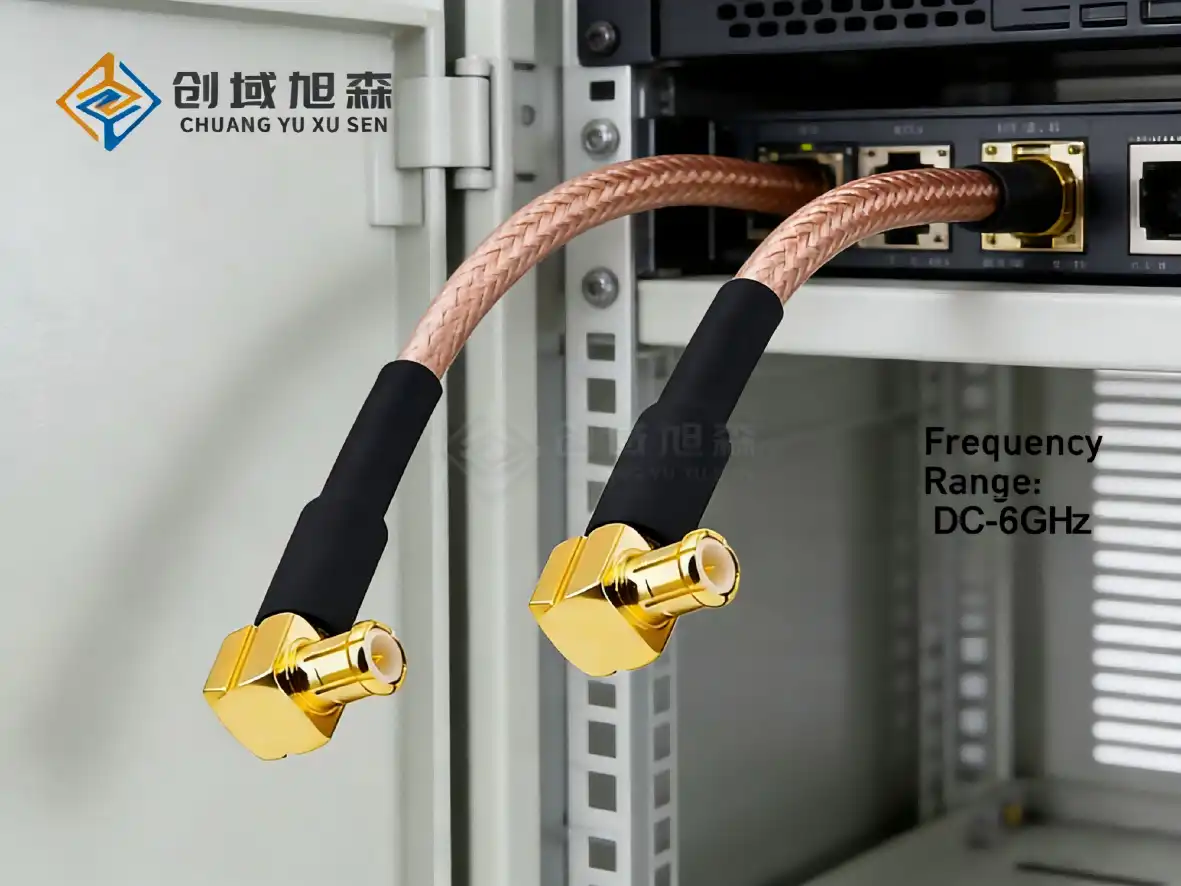
The small size of MCX links gives instant space benefits that are felt throughout the equipment design process. MCX rf extension cable kits allow for denser channel setups on test fixtures and communication modules because their outer diameter is about 30% smaller than that of similar SMA connections. This size reduction is hugely important for portable spectrum analyzers, handheld GPS receivers, and small drone telemetry systems, where every cubic centimeter counts when it comes to weight and comfort. The snap-on connection device gets rid of the threaded nut that sticks out in other designs and takes up space on the side. This slim shape makes it possible for MCX connectors to fit flush against equipment panels or circuit boards, which opens the door to new ways of designing things for industry. Hardware engineers like how this mechanical simplicity speeds up prototype iterations because they can make physical mockups without having to worry about the connector interference problems that happen with threaded layouts. Because of this, designs are more flexible, which means that new products can hit the market faster and engineering change order costs are lower during the development stages.
Superior Cable Flexibility and Bend Performance
MCX rf extension cable goods are made in a way that makes them flexible without losing their electrical performance. When RG316 cable is paired with MCX connectors, the minimum bend radius is only 5–10 times the cable diameter. This is different from many other cable assemblies, which have stricter bend limits. This extra adaptability is very important for sending RF signals through crowded equipment innards that are full of heat sinks, power sources, and mechanical parts. Controlled impedance stays the same even when cables go around tight turns that get close to the minimum radius requirements. The PTFE insulator material keeps its electrical properties the same no matter how much it is stretched or curved. This keeps signal echoes and insertion loss within acceptable limits. When test engineers take high-frequency measurements, they like that the performance isn't affected by cable placement during setup. They know that this won't cause measurement uncertainty that lowers the accuracy of the calibration. These cables are great for connecting wireless routers and LTE modem antennas because they are both physically flexible and electrically stable.
Enhanced Environmental Protection
Advanced sealing technologies are used in high-quality MCX wire systems to keep the signal integrity even in harsh environments. In outdoor applications, waterproof O-rings at the connection interfaces stop water from getting in and causing corrosion and signal loss. This level of protection is good enough for GPS antenna extensions on farm equipment, outdoor wireless access points, and photovoltaic monitoring systems that are exposed to changing temperatures, humidity, and rain. When compared to solid cable designs, the flexible cable jacket materials are better at resisting UV light, chemical contamination, and wear. These features are important for industrial automation uses where cables need to go near robot arms, conveyor systems, or chemical processing equipment. Medical device makers also benefit from resistance to cleaning agents and sterilization processes. This is especially true for non-magnetic cable types that can be used in MRI rooms, where equipment is regularly cleaned. The small size and resistance to weather damage make upkeep easier and lower the total cost of ownership. Smaller cable entry points that are well sealed can be used in equipment housings, which reduces the problems with ingress protection that come up with bigger connection systems. When technicians do preventative maintenance, they spend less time checking and changing these cables than alternatives that break down quickly in harsh settings. Procurement managers who look at lifecycle costs beyond the original price of a component will like these operating efficiencies.
Comparative Overview: MCX vs SMA Cables for B2B Procurement
Technical Specification Comparison
A thorough analysis shows clear performance traits that help people make smart decisions about what to buy. MCX connectors have an outer diameter of about 6.3 mm, while SMA connections have an outer diameter of about 9.5 mm. This is a 34% size decrease that makes it possible to lay out equipment more densely. Connector weight differences also favor MCX assemblies; most units weigh 30–40% less than equivalent SMA cables of the same length. These measurements have a direct effect on the designs of portable equipment, where the amount of weight that is saved over time affects battery life and user comfort. Metrics for electrical efficiency show that most industrial uses can handle the same level of power. Both types of connectors keep their 50-ohm characteristic impedance with very little error, which means that signals don't reflect back too much at the interface points. Insertion loss specifications for good MCX rf extension cable products typically come in at less than 0.3dB per connection at 6GHz, and SMA connectors perform similarly. The main difference is how long the mechanisms last: MCX snap-on mechanisms can mate more than 500 times, while threaded connections can only do 500 times. Both of these numbers are higher than what most applications need.
Application-Specific Use Case Recommendations
MCX cables are especially good for connecting antennas inside routers, access points, and cellular modems, according to companies that make wireless communication gear. The small plugs can fit into small spaces, and the flexible wires can go around circuit boards and shielding cans without losing signal quality. The snap-on mechanism doesn't need any tools, which speeds up assembly on the production line and makes it easier for techs to reach internal parts during field repair. Companies that test semiconductors and characterize RF devices like how flexible cables are when moving probes and rearranging test fixtures. In high-mix testing environments, throughput is better when test points can be connected and disconnected quickly without having to go through thread alignment steps. With custom-length cables, there is no extra cable that can cause standing wave patterns that make measurements less accurate. When test engineers switch to MCX interconnects on evaluation platforms, setup times go down and reliability gets better. These assemblies are useful for medical devices because they are small and don't react badly to environmental conditions. Different types of non-magnetic connectors meet the standards for MRI compatibility while keeping the purity of signals for wireless telemetry systems and sensors that watch patients. The sealed connector interfaces can be cleaned and sterilized many times without losing their effectiveness. The flexible cables are also useful for equipment designers who need to route RF connections around motors, displays, and other internal parts of small medical devices.
Supplier Selection and Quality Considerations
To find trustworthy MCX cable providers, you need to look at their manufacturing skills, quality control methods, and expert help options. Leading companies like Chuangyu set themselves apart by using precise methods for putting together connectors that guarantee consistent impedance matching and low insertion loss across all production volumes. Buyers should ask for test data that shows VSWR, insertion loss, and return loss readings across the working frequency range. This way, performance claims can be checked against standard measurement methods. When projects need non-standard lengths, special jacket materials, or different attachment setups, the ability to custom-assemble cables becomes very important. Suppliers who offer engineering advice during the specification phase help procurement teams avoid common mistakes like not allowing enough bend radius or connectors that don't match the gender of the wires they connect to. Iterative design processes work best when prototypes can be made quickly, and scalable production capacity makes sure there is a steady supply during ramp-up to full production. Quality certifications and traceability systems show that the company making the product is dedicated to making sure that it always works well. Look for providers that use ISO 9001 quality management systems and include test certificates for each batch with each order they send. Purchasing managers who work with aerospace, defense, or medical applications should make sure that suppliers follow the rules and standards for their industries. Established sellers keep a lot of paperwork to back up their product qualification methods and long-term reliability ratings, which meet the audit requirements of customers.
How to Select and Purchase the Right MCX RF Extension Cable
Critical Specification Parameters
The choice of cable length strikes a balance between electrical performance and the needs of mechanical routing. Shorter connections keep signals from getting weaker and noise from getting picked up, but they need to have enough extra length to allow for plug mating and equipment maintenance. Hardware designers should figure out the actual routing distances, taking into account bend radii and connector clearances, and then add an extra 10 to 15 percent to make sure that the cables installed don't get too tight. Custom-length ordering of the MCX rf extension cable gets rid of extra cable that gets in the way and could cause signal reflections inside equipment cases. When specifications are being made, connector gender and direction need to be carefully thought out. Male connectors have a center pin that sticks out, and they fit into female sockets that have a contact that is inset. Female connectors are usually put on panels or circuit boards by equipment designers, and male connections finish off the wire ends. When cables need to run parallel to mounting surfaces in shallow enclosures, right-angle configurations are a must. During the buying design phase, make clear connector diagrams to avoid ordering mistakes that cost a lot of money and cause project plans to slip.To make sure that signals are sent as efficiently as possible, the system needs to meet the impedance and frequency range standards. While 75-ohm versions are available for certain video and antenna applications, standard products maintain a 50-ohm impedance suitable for most RF applications. Check that the frequency rating of the wire is at least 20% higher than the highest operating frequency. This is to account for changes in impedance that happen close to the performance limits. For uses getting close to 14GHz, ask for swept frequency test data that shows the VSWR is acceptable across the whole bandwidth.
Environmental Rating Considerations
The operating temperature range affects the choice of material for the cable jacket and the way connectors are put together. Standard MCX cables can usually work in temperatures ranging from -40°C to +85°C, which is enough for most industrial and commercial settings. For uses in spacecraft, car engine rooms, or solar inverters, temperature ratings up to +125°C may be needed, which calls for special PTFE wire designs. Make it clear to sellers what the environmental exposure conditions are during the quote process so they can give you the right material suggestions. For outdoor systems or tools that will be exposed to dirt and water, waterproof and dustproof ratings are very important. When the connectors have the right sealing O-rings and the cables are jacketed, premium assemblies offer IP67 or IP68 ingress protection. These higher levels of protection keep the signal strong even when it rains, gets humid, or changes temperatures. They are useful for GPS antenna extensions, outdoor wireless systems, and tracking uses for farm equipment. Specifications for mechanical durability talk about how flexible the cable is, how well it resists wear, and how strong the connector is. For uses that involve moving cables over and over or installing them in places with a lot of shaking, you need cables that are rated for longer flex life. This is usually proven through lab tests that simulate thousands of bend cycles. The snap-on connector retention force should be just right so that it's easy to connect and secure to lock. This way, accidental disconnections won't happen when the equipment is being moved or handled, but it should still be possible to remove it without tools during maintenance.
Procurement Strategy and Supplier Partnership
Buying in bulk can lower the cost per unit while still making sure that parts are available on time for production. Manufacturers who want their products to last more than one year should set up blanket purchase orders with delivery dates that match their production plans. This method keeps prices stable and supplies safe while lowering the costs of keeping inventory. Talk about bulk price tiers with your source during negotiations. Many manufacturers offer big savings on orders over 1,000 pieces, which makes small investments in inventory worth it. Custom wire assembly programs help make products stand out and make system interaction work better. Working with providers who offer design advice can help you find ways to improve performance or cut costs by optimizing wire specifications. Chuangyu's engineering team works with customers to create custom solutions that fit their needs. These solutions may include different connector orientations, jacket colors that make it easier to find the right part, or built-in strain reliefs for harsh mechanical environments. Because of these partnerships, cable suppliers are no longer just sellers of goods; they are now valued engineering resources. Technical help and warranties after the sale lower the risk for important uses. Check to see what the supplier can do to fix problems in the field, provide replacement parts under warranty, and help with product qualification testing. Companies that make things for the medical, aerospace, or telecommunications industries need providers who keep detailed technical paperwork, offer fast shipping for pressing needs, and make sure that products are always available throughout multi-year production programs. These features make the higher price worth it compared to cheaper options that don't have solid customer service infrastructure.
Conclusion
When you use MCX rf extension cable assemblies in RF applications with limited space, you get real benefits that affect both the performance of engineers and the cost of the project. The small connector size, flexible wire design, and easy snap-on installation directly solve the installation problems that come up with SMA options in small equipment designs. These cables make it possible for denser layouts and easier assembly processes. They keep signals intact in a wide range of devices, from IoT devices and GPS modules to semiconductor testing platforms and medical monitoring systems. When purchasing managers look at different cable options, they should give more weight to suppliers that offer full customization, strict quality control, and quick technical support. When you buy kits that are properly defined, you save money on assembly costs, get more reliable results in the field, and make your products more competitive in markets that need to keep getting smaller.
FAQ
Can MCX Cables Completely Replace SMA Connectors in All RF Applications?
When space is limited or assembly efficiency is important, MCX connectors are great alternatives to SMA connectors for applications that operate below 14GHz. However, SMA connectors may still be useful for ultra-high-frequency systems that go beyond 18GHz, high-power RF transmission applications that use more than 2 watts of continuous power, or installations that need to be as mechanically strong as possible. The threaded coupling mechanism of SMA interfaces gives them better vibration resistance and retention force in harsh environments. Check the MCX rf extension cable specs against your frequency range, power levels, and technical needs to see if they are compatible. MCX is the best choice when space saving is important because it works well with most wireless communication, IoT, GPS, and testing tasks.
How Much Signal Loss Difference Exists Between MCX and SMA Cables in Tight Bending Scenarios?
When both types of cables go through tight bends that are close to the minimum radius requirements, good MCX rf extension cable systems usually have 0.2 to 0.4dB less insertion loss than similar SMA cables. This performance boost comes from the cable's bendable design and specially chosen dielectric materials that keep the resistance constant even when the cable is bent. When SMA cables with rigid connector transitions are bent, they create stress points where micro-gaps in the shield or dielectric compression happen, which weakens the signal. In the lab, tests using frequencies from 1.6GHz to 6GHz show that MCX cables keep their VSWR below 1.5:1 even when they are bent 90 degrees several times, while similar SMA assemblies may lose their VSWR to 1.8:1 when the same routing conditions are used. This electrical steadiness means that systems will work more reliably in small equipment designs.
What Information Should I Provide When Ordering Custom-Length MCX Extension Cables?
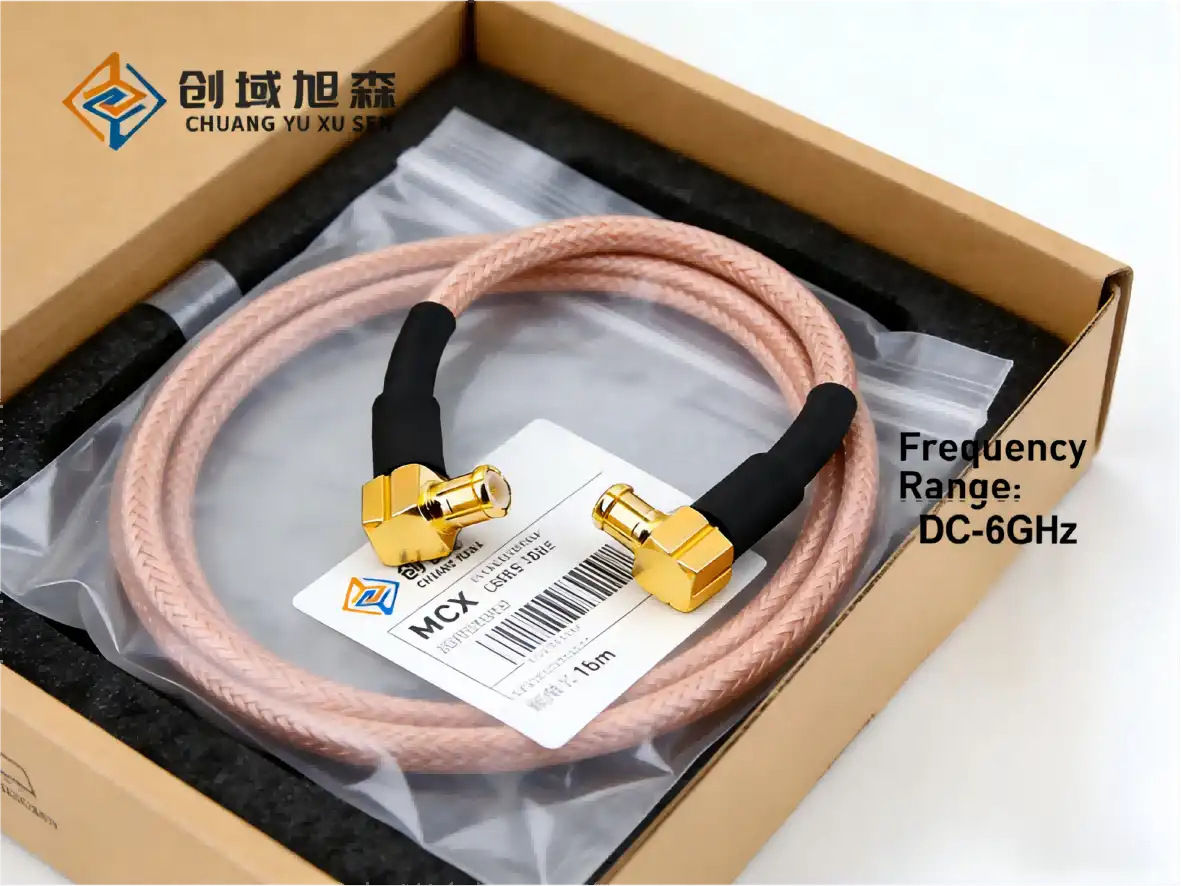
Include the exact length of the cable, measured from one end to the other, along with the connectors, the type of cable (RG316 is standard for most applications), any special environmental needs, like waterproofing or a wider temperature range, and the orientation of the connectors (straight or right-angle). Include information about the frequency range that will be used, the VSWR or insertion loss that must be met, the quantity that is needed, and when it needs to be delivered. Provide dimensional sketches that show wire route paths and clearance limits if the application has special mechanical requirements. Reliable providers, such as Chuangyu, use this information to suggest the best cable structures and give full quotes that include unit prices, wait times, and any test certifications that are needed. Full upfront specifications stop expensive ordering mistakes and make sure that the cables you receive perfectly meet your system integration needs.
Partner with Chuangyu for Premium MCX Cable Solutions
Shaanxi Chuangyu Electronic Technology can help you with your RF interconnect needs by making MCX rf extension cable kits that are precisely designed and meet international quality standards. Our factory in Xi'an uses cutting-edge tools for production and strict quality control methods to make cable assemblies that meet the exact needs of applications in medical, aerospace, telecommunications, and industrial automation. As a seasoned supplier, we provide custom-length assemblies, quick prototyping, and flexible bulk purchasing programs that work with your project's budget and schedule. Our engineering team is happy to give you free expert advice on how to get the best cable specs for your needs. Email our team at chuangyuwz01@cymicrowave.com to talk about your needs and get a full quote with reasonable prices, wait times, and technical documentation to help you make your purchase choice.
References
1. Johnson, M. R. & Williams, K. T. (2021). "Miniature Coaxial Connector Performance in High-Density RF Systems." IEEE Transactions on Microwave Theory and Techniques, 69(4), 2245-2258.
2. Chen, H., Rodriguez, A. & Patel, S. (2020). "Comparative Analysis of SMA and MCX Connector Assemblies for Space-Constrained Applications." Journal of Electronic Packaging, 142(3), 031004.
3. Anderson, L. P. (2022). "Material Selection and Environmental Performance of Flexible RF Cable Assemblies." Proceedings of the International Symposium on Advanced Packaging Materials, 156-163.
4. Thompson, D. J. & Lee, S. H. (2019). "Signal Integrity Considerations for Miniaturized RF Interconnects in IoT Devices." Microwave Journal, 62(10), 44-58.
5. Nakamura, Y., Schmidt, F. & O'Brien, C. (2021). RF Connector Technology: Design, Manufacturing, and Application Guidelines. Wiley-IEEE Press, Chapter 7, 189-224.
6. Martinez, R. A. & Zhang, W. (2023). "Cost-Benefit Analysis of Connector Selection in High-Volume Electronic Manufacturing." International Journal of Production Research, 61(8), 2567-2584.