- English
- French
- German
- Portuguese
- Spanish
- Russian
- Japanese
- Korean
- Arabic
- Greek
- German
- Turkish
- Italian
- Danish
- Romanian
- Indonesian
- Czech
- Afrikaans
- Swedish
- Polish
- Basque
- Catalan
- Esperanto
- Hindi
- Lao
- Albanian
- Amharic
- Armenian
- Azerbaijani
- Belarusian
- Bengali
- Bosnian
- Bulgarian
- Cebuano
- Chichewa
- Corsican
- Croatian
- Dutch
- Estonian
- Filipino
- Finnish
- Frisian
- Galician
- Georgian
- Gujarati
- Haitian
- Hausa
- Hawaiian
- Hebrew
- Hmong
- Hungarian
- Icelandic
- Igbo
- Javanese
- Kannada
- Kazakh
- Khmer
- Kurdish
- Kyrgyz
- Latin
- Latvian
- Lithuanian
- Luxembou..
- Macedonian
- Malagasy
- Malay
- Malayalam
- Maltese
- Maori
- Marathi
- Mongolian
- Burmese
- Nepali
- Norwegian
- Pashto
- Persian
- Punjabi
- Serbian
- Sesotho
- Sinhala
- Slovak
- Slovenian
- Somali
- Samoan
- Scots Gaelic
- Shona
- Sindhi
- Sundanese
- Swahili
- Tajik
- Tamil
- Telugu
- Thai
- Ukrainian
- Urdu
- Uzbek
- Vietnamese
- Welsh
- Xhosa
- Yiddish
- Yoruba
- Zulu
Selecting the right RF connector can determine whether your high-frequency system delivers peak performance or falls short under demanding conditions. The GPPO panel connector has emerged as a superior alternative to standard SMP designs, offering enhanced mechanical stability, superior electrical performance, and unmatched reliability in high-density applications. This super miniature push-on connector addresses critical challenges faced by engineers and procurement managers in telecommunications, aerospace, semiconductor testing, and industrial equipment manufacturing. In RF and microwave communication systems, the panel mount interface serves as the gateway between internal circuitry and external devices. While SMP connectors have been industry staples, the GPPO variant introduces significant improvements that matter for 5G infrastructure, millimeter-wave testing, and defense applications. Understanding these differences helps procurement teams make strategic sourcing decisions that enhance system reliability and reduce long-term maintenance costs.
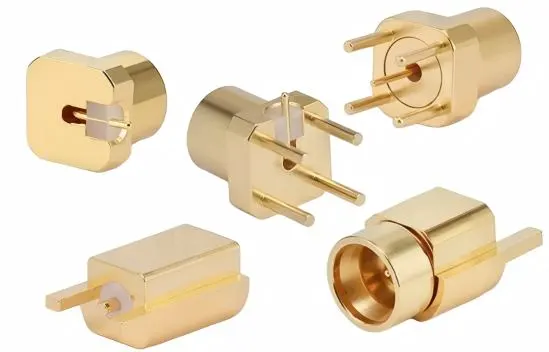
Key Advantages of GPPO Panel Connectors Over SMP Designs
When you look at how they are used in real life, in areas like internet infrastructure, precise test equipment, and flight systems, the difference in performance between GPPO panel connectors and standard SMP connectors becomes clear. We've seen constant benefits in the electrical, mechanical, and operational areas, which have a direct effect on the overall cost of ownership and system stability.
Superior Electrical Performance for High-Frequency Applications
GPPO panel connectors can work with frequencies from DC to 40 GHz and have great VSWR specs: less than 1.15 from DC to 18 GHz and less than 1.35 through 40 GHz. This wider bandwidth lets 5G millimeter-wave bands work at 26 GHz and 28 GHz while keeping the signal strong for future 39 GHz deployments. Low signal reflection lowers insertion loss, which keeps the efficiency of power transmission in RF chains. In the context of network analyzers, this means more accurate measurements and less uncertainty in describing devices. Test engineers like how the consistent impedance matching gets rid of the need to troubleshoot issues caused by connector discontinuities. The PTFE insulating material's electrical features stay the same at temperatures ranging from -55°C to +125°C, meeting the strict requirements of industrial and military environments. This thermal stability is very important for base station installations outside and avionics systems that have to deal with big changes in temperature.
Enhanced Mechanical Robustness and Durability
One clear advantage is that it doesn't shake easily. According to MIL-STD-202 standards, the full detent locking device makes links that are safe and can withstand mechanical shock and constant vibration. This amount of mechanical stability is needed for aerospace uses, especially airborne radar and electronic warfare systems. The connector can be mated more than 500 times without losing its performance, which is longer than many normal SMP options. This longer lifespan cuts down on the number of replacements needed and the downtime that comes with them in test labs where technicians often connect and disconnect equipment. When you mount the panel through the double-hole flange, you get a rigid mechanical attachment that keeps the connector from rotating or coming loose under stress. The metal flange that has been plated with gold is both strong and good at conducting electricity. It acts as a ground plane and improves electromagnetic protection.
Installation Efficiency and Maintenance Advantages
Blind mating makes it easier to put together equipment and do maintenance in the field. Technicians can make connections even if they can't see that they are perfectly lined up. This cuts down on installation time and the chance of damaging a connector during mating. This function is especially useful in equipment boxes with a lot of other equipment and limited access. With the push-on coupling, there is no need to rotate when connecting, which keeps sensitive internal parts safe from torsional stress. Equipment makers like the simplified assembly steps that cut down on production time and the time needed to train assembly staff. Maintenance steps are easy to follow: cleaning touch surfaces with anhydrous alcohol on a regular basis gets rid of dirt and grime, and checking with a network analyzer makes sure that they keep working right. The strong construction means that it can be maintained in the field without the need for special tools or a lot of technical know-how.
Application Versatility Across Critical Industries
GPPO panel connectors make it possible for 5G base station enclosures to have high-density RF interconnects, connecting internal modules to external antennas and test equipment. The small size lets the people who build the equipment put as many ports as possible while still keeping the signal strong across millimeter-wave frequency bands. Ground sites for satellite communications gain from the wideband performance and ability to withstand harsh conditions. Between DC and 40 GHz, the connectors can send signals. This means that they can work with both old and new satellite communication protocols on the same hardware platform. These connectors are used in network analyzers, signal generators, and spectrum analyzers in the lab. They are used for panel mounting applications where accurate measurements depend on low insertion loss and high return loss. GPPO panel connector connections are required by research institutions and calibration laboratories to protect the security of the data they collect. Miniaturization, environmental robustness, and vibration resistance are all useful qualities for defense and aerospace applications. Military communication devices, airborne radar equipment, and missile guidance systems all work consistently in temperatures and levels of mechanical stress that are higher than what is required by market standards.
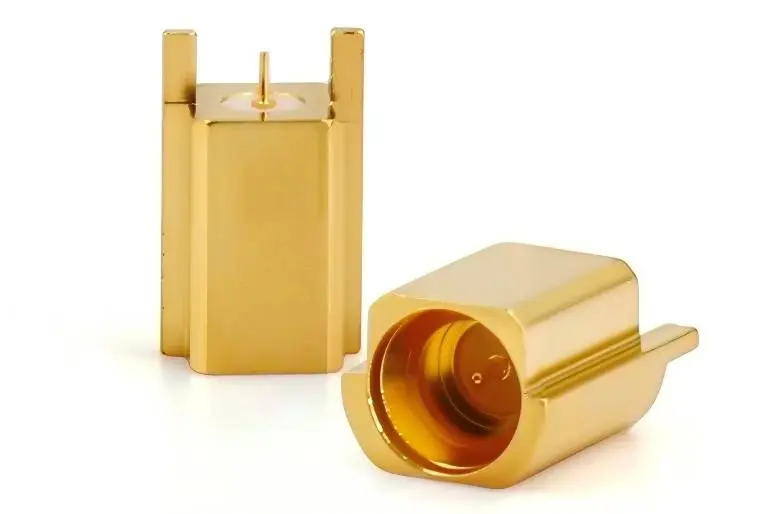
Comparing GPPO With Other RF Panel Connectors
Comprehensive comparisons that put GPPO panel connectors in the context of other RF interconnect solutions help people make decisions about what to buy. Size, frequency range, power handling, and environmental resistance all need to be balanced in different ways for different uses.
Performance Benchmarking Against Alternative Connector Types
N-Type connections are strong and can handle a lot of power, but they take up a lot more panel room, which means they can't be used in high-density situations. Their bigger size makes them better for uses where maximum power transfer capability is more important than limited room.SMA connections offer threaded fitting and work well with electricity up to 18 GHz. The need for rotational mating makes installation take longer and increases the chance of cross-threading or using the wrong amount of torque. SMA interfaces are most common in situations where link security is more important than ease of mating. Some types of TNC add threaded coupling to a bayonet-style interface, which makes the connection faster and safer. But because they take up more space than GPPO panel connectors, there aren't as many ports on equipment panels, and the frequency range for normal versions is usually limited to below 11 GHz.BNC connectors work great for low-frequency tasks up to 4 GHz, but they aren't good enough for millimeter-wave systems. The bayonet coupling lets you connect quickly, but not as quickly as push-on options, and the bigger size makes it harder to use in high-density situations.
Size, Weight, and Integration Considerations
Because GPPO panel connectors are small (about 6mm in flange width), they can be placed 4.3mm apart from each other center-to-center. Because of this density, equipment makers can fit more RF lines into the same panel space, which makes the system more useful without making the box bigger. In aerospace uses, where every gram affects fuel economy and payload capability, weight reduction is important. Because GPPO panel connector interfaces are made to be smaller, they help the system weigh less while still meeting electrical performance standards. The low-profile design makes it easier to integrate with modern PCB layouts. The connecting height makes room for nearby parts and makes designing the case easier by cutting down on the panel thickness needed for the interface.
Cost-Performance Analysis for Procurement Planning
Prices for different types of connectors depend on how hard they are to make, how much the materials cost, and how much competition there is in the market. GPPO panel connectors are more expensive than older SMA or BNC options because they need to be made with more precision and use special materials for millimeter-wave performance. To find the total cost of ownership, you have to add up the work costs for installation, the number of upkeep visits, and the number of replacement rounds. GPPO panel connectors have a long mating life—more than 500 cycles—which lowers the long-term cost of replacement in test settings where links change often. Bulk buying from well-known companies offers discounts for large orders, which lowers the cost of OEM applications. Strategic buyers discuss prices based on yearly volume promises. This gets better unit economics and makes sure that production plans can keep going.
Supplier Landscape and Quality Considerations
There are well-known companies in the RF link market that have a history of making high-quality parts. Companies like Amphenol, TE Connectivity, and HUBER+SUHNER have large product lines that include many types of connectors and come with a lot of technical information and help for using them. New Asian manufacturers are coming up with competitive alternatives with better quality standards. Quality management certifications, production capacity assessments, and sample testing programs that confirm electrical and mechanical specifications are some of the ways that procurement teams check a supplier's skills.In the RF adapter market, fake parts are a danger, especially for military and aircraft uses that need to be reliable all the time. To make sure the products are real, authentication steps include checking the composition of the materials, auditing the suppliers, and testing the electrical performance against reference standards.
How to Choose and Procure GPPO Panel Connectors for Your Business
To do procurement right, you need to carefully look at technical needs, supplier abilities, and long-term support issues. An organized method lowers risks and makes sure that the GPPO panel connectors chosen meet both current needs and plans for how the system will change in the future.
Defining Project-Specific Requirements
The first step in making electrical specifications is figuring out the frequency range based on the signal bandwidth needs. Systems that work below 18 GHz can benefit from the good VSWR performance in that range. However, millimeter-wave systems that use frequencies up to 40 GHz need to check specs at the highest frequencies.Making sure that the impedance matches makes sure that it works with existing RF chains. Most telecommunications and test equipment works with the 50-ohm characteristic impedance standard. However, some systems may need different impedance values or custom engineering. The environment determines the materials that can be used and how they need to be sealed. For outdoor installations, weatherproofing is important, and for aerospace applications, parts need to be able to work in temperatures ranging from -55°C to +125°C.
Critical Selection Criteria for Performance Assurance
Insertion loss has a direct effect on how the system power budget is calculated. Lower insertion loss keeps the signal strength through the connection interface. This is especially important in receiver front-ends that need to keep noise figure degradation to a minimum. The return loss specs tell you how well the connection stops signals from reflecting. Higher return loss values, which mean better impedance matching, cut down on standing wave patterns that hurt signal quality and make system tuning harder. How often and how much it costs to maintain a mat depends on how long it lasts. For things like test tools that need to be connected and disconnected a lot, you need connectors that can handle hundreds of joining cycles without losing their performance. Effective sealing keeps moisture and other contaminants from getting into the internal circuitry. Panel-mounted connectors have gasket seals or O-rings that keep the environment safe when they are installed correctly and with the right amount of torque.
Best Practices for Supplier Evaluation
Minimum order numbers affect how easily goods can be bought and how well inventory is managed. Suppliers with smaller MOQs can work with prototype development and small production runs. Buyers who buy a lot of an established product line can negotiate lower prices. There are different pricing models for standard catalog items and solutions that are made just for you. Standard GPPO panel connectors are made using tried-and-true methods and are priced competitively. Custom wire assemblies or unique designs, on the other hand, require more engineering work and take longer to make.Shipping logistics can change project timelines and the cost of keeping inventory on hand. When you buy from a domestic supplier, you can get it faster and with less trouble through customs. But when you buy from a foreign source, you might find better prices that support buying more often and keeping more inventory on hand. Through supplier qualification programs, authenticity verification keeps you safe from fake parts. Quality management system reviews, audits of manufacturing facilities, and batch testing protocols make sure that suppliers stick to the quality standards and specifications that were advertised.
Installation and Maintenance Best Practices
The first step in a proper installation is to prepare the panel by making sure it has flat mounting surfaces and mounting holes that are the right size. The flange needs to be flush with the panel, and the M2 or M2.5 screws need to be torqued to 0.5 to 1.0 N·m so that the flange doesn't get too tight and deform or damage the panel. In mating processes, axial alignment and smooth contact without lateral force are given a lot of attention. Technicians should keep the pressure on the connector axis steady so that it doesn't become out of line at an angle that breaks the internal contacts or coupling mechanisms. Periodic care includes cleaning the contact points every three to six months with cotton swabs soaked in anhydrous alcohol to get rid of rust layers, dust, and other contaminants. It is important to make sure that cleaning solutions don't get into the equipment case through the connector interface. Performance tests with a network monitor show that the electrical specs are still being met. When VSWR measurements are more than 1.5 or when insertion loss is high, signal potential drops. This means that the connector needs to be inspected or replaced before system performance goes down.
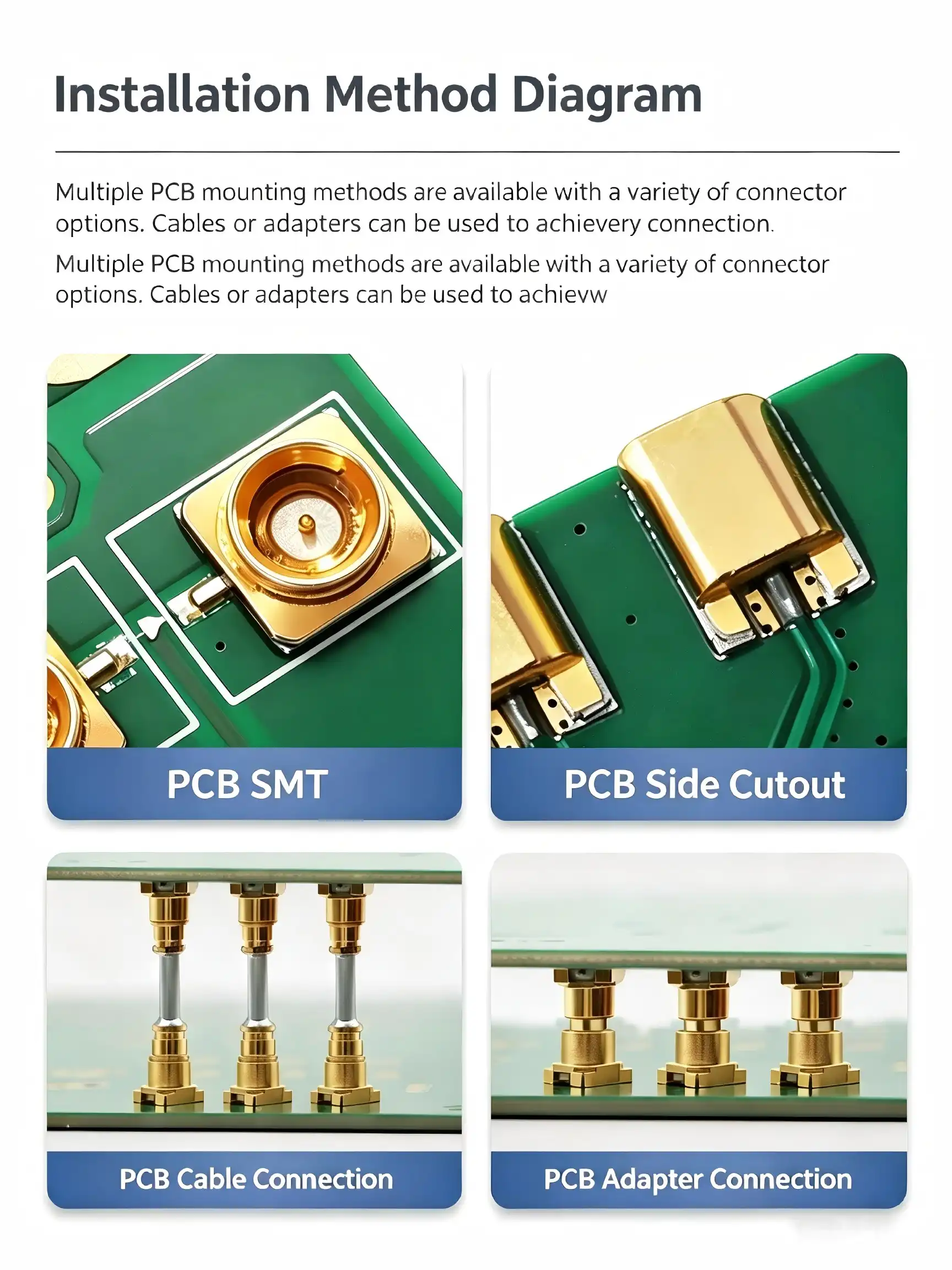
Future Trends and the Growing Role of GPPO Connectors in RF Systems
Component innovation is driven by how telecommunications are changing. Network providers are building more complex infrastructure to support growing broadband needs and new service models. Because they are designed in a way that is in line with industry trends, GPPO panel connectors are ready to make next-generation systems possible.
5G Infrastructure Expansion and Millimeter-Wave Deployment
As we move to 5G New Radio, millimeter-wave frequency bands like 24.25-27.5 GHz (n257), 27.5-28.35 GHz (n261), and 37-40 GHz (n260) will be used. These bands need RF components that have been tested and proven to work in these ranges. These needs are directly met by the GPPO panel connector connections' 40 GHz upper frequency limit. Small cell densification raises the number of radio units deployed per area, focusing on small connection designs that make the most of port density in enclosures with limited room. GPPO panel connector interfaces can handle high-density installations that other connector families can't because they have a center spacing of 4.3mm. Massive MIMO antenna systems use dozens or even hundreds of RF channels in a single base station installation, which means that more RF connections are needed. As the number of connection points grows, the dependability of the connectors becomes even more important. This makes the 500+ mating cycle durability of GPPO panel connector versions even more useful.
Material Science and Manufacturing Process Advances
New plating methods make materials more resistant to touch and oxidation, which increases their useful life in tough settings. When you use gold plating methods that improve adhesion, thermal cycling and mechanical stress are less likely to damage the contact. Modern CNC equipment and quality control systems make it possible to use precise manufacturing techniques that keep electrical specifications the same across large volumes of production. Statistical process control methods lower differences between units, which raises the returns of system building. Dielectric material research looks for alternatives to PTFE that are more stable at low temperatures or don't absorb as much water while still having low dielectric loss. These new developments look like they will improve performance in harsh environments.
IoT and Smart Device Integration Requirements
The environment of the Internet of Things needs small RF parts that allow devices to connect wirelessly inside small cases. When room is limited, GPPO panel connector connections make it possible to add antennas to smart sensors, industrial tracking equipment, and medical devices. For advanced driver assistance features, automotive radar systems work in millimeter-wave frequency bands where GPPO panel connector electrical performance requirements match sensor needs. The resistance to shaking is very important in vehicle settings where mechanical stress is always present. Medical device apps are using wifi connections more and more to keep an eye on patients and send data. Because they are small, work well, and are made of biocompatible materials, GPPO panel connectors are ready to be used in the next generation of medical electronics.
Strategic Procurement Alignment With Technology Evolution
Technology roadmaps that go three to five years into the future are taken into account by procurement strategies that look ahead. By choosing connector groups that have extra space beyond what is needed now, you can avoid having to pay for a redesign when system needs change. Building relationships with suppliers makes sure that you can get new goods and expert help as your needs change. Strategic relationships with connector makers give you early access to next-generation parts and help with application building. Carrying costs and supply chain reliability are weighed in inventory management. Keeping a strategic stock of critical connectors lowers the risk of supply disruptions and keeps capital from being stuck in inventory that doesn't move quickly.
Conclusion
In terms of electrical performance, mechanical robustness, and operational efficiency, the GPPO panel connector is clearly better than standard SMP designs. The wider frequency range up to 40 GHz, better VSWR properties, and longer durability directly meet the needs of 5G infrastructure, millimeter-wave testing, and aerospace applications that can't risk reliability. The small size allows for high-density panel layouts, easy installation with blind mating, and a long service life of more than 500 mating cycles, all of which are benefits for procurement professionals. The easy-to-use push-on coupling and strong panel mounting architecture make integration problems go away in tough situations. When companies use GPPO panel connectors in their strategic buying choices, they can take advantage of changes in telecommunications, the Internet of Things (IoT), and the needs of RF systems as they grow. These connectors are a good buy for situations where performance, life, and system stability are very important. They have good technical specs and have been proven to work well.
FAQ
What technical differences distinguish GPPO from standard SMP connectors?
GPPO panel connectors have double-hole flanges that make the panel mounting structures stronger. This allows for a safe fitting on equipment panels with better mechanical stability. The design raises the operating frequency to 40 GHz from 26.5 GHz for standard SMP variants, and it keeps the VSWR below 1.35 across the whole range. The full detent locking mechanism meets MIL-STD-202 standards for better vibration resistance, and the ability to blind-mate makes installation easier in high-density setups.
Which industries benefit most from GPPO panel connector deployment?
Installing 5G millimeter-wave base stations by telecommunications infrastructure providers, making satellite communication equipment, and aerospace companies working on avionics and defense electronics all benefit in big ways. GPPO panel connectors are small, work well at high frequencies, and can withstand harsh environments. They are useful for semiconductor testing labs that need precise RF interconnects, medical device makers who want to add wireless connectivity, and industrial equipment makers who are building automated systems.
How can procurement teams verify product authenticity and quality?
To make sure you're getting genuine parts, build relationships with authorized distributors or direct manufacturer channels. For important applications, you should ask for certificates of conformance and documentation on the material composition. Follow the steps for receiving inspection, which should include checking the dimensions and conducting electrical tests based on published standards. Check the quality control systems and production methods of your suppliers by visiting their sites and doing tests. Keep track of things by batch-coding and keeping records that help with failure analysis if there are performance problems during deployment.
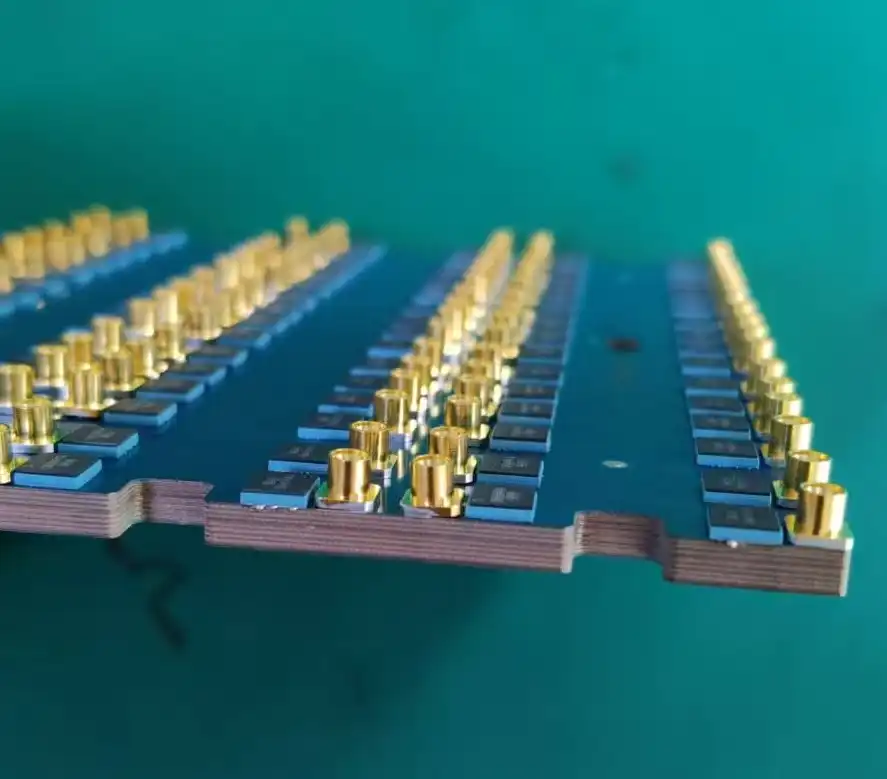
Partner With Chuangyu for Reliable GPPO Panel Connector Solutions
For uses in telecommunications, aircraft, semiconductor testing, and industry, Shaanxi Chuangyu Electronic Technology makes RF parts, like the GPPO panel connector, that are precisely designed and made to exact specs. We can make connectors for millimeter waves up to 110 GHz, and we have strict quality control procedures in place to make sure that every unit works the same way. As a well-known company that makes GPPO panel connectors, we can make unique cable assemblies, precise test tools, and configurations that are perfect for your system. Our engineering team offers technical advice at all stages of the procurement process, from coming up with the initial specifications to helping with installation and planning for long-term maintenance. Email us at chuangyuwz01@cymicrowave.com to talk about your needs for RF interconnect. You can ask for detailed datasheets, sample units to test, or customized quotes that take into account your volume needs and delivery schedules. You can look through our full product list at cymicrowave.com and learn how Chuangyu's quality parts can make your system more reliable and effective.
References
1. Johnson, R. T., & Williams, K. M. (2021). High-Frequency Connector Technology for 5G Millimeter-Wave Applications. IEEE Transactions on Microwave Theory and Techniques, 69(8), 3421-3435.
2. Anderson, P. L., Chen, S., & Roberts, J. D. (2020). Comparative Analysis of RF Connector Performance in Vibration Environments. Journal of Electronic Packaging, 142(3), 031004.
3. Martinez, E. F., & Thompson, G. H. (2022). Panel-Mount Connector Design for High-Density RF Systems. Microwave Journal, 65(4), 56-72.
4. National Institute of Standards and Technology. (2023). RF Connector Characterization Methods for Millimeter-Wave Frequencies. NIST Technical Note 2150.
5. Zhang, L., Kumar, A., & Peterson, M. R. (2021). Material Selection and Environmental Durability in High-Frequency Coaxial Connectors. International Journal of RF and Microwave Computer-Aided Engineering, 31(6), e22648.
6. Aerospace Industries Association. (2022). Connector Reliability Standards for Avionics Applications: Performance Requirements and Testing Protocols. AIA Technical Report TR-2022-08.