- English
- French
- German
- Portuguese
- Spanish
- Russian
- Japanese
- Korean
- Arabic
- Greek
- German
- Turkish
- Italian
- Danish
- Romanian
- Indonesian
- Czech
- Afrikaans
- Swedish
- Polish
- Basque
- Catalan
- Esperanto
- Hindi
- Lao
- Albanian
- Amharic
- Armenian
- Azerbaijani
- Belarusian
- Bengali
- Bosnian
- Bulgarian
- Cebuano
- Chichewa
- Corsican
- Croatian
- Dutch
- Estonian
- Filipino
- Finnish
- Frisian
- Galician
- Georgian
- Gujarati
- Haitian
- Hausa
- Hawaiian
- Hebrew
- Hmong
- Hungarian
- Icelandic
- Igbo
- Javanese
- Kannada
- Kazakh
- Khmer
- Kurdish
- Kyrgyz
- Latin
- Latvian
- Lithuanian
- Luxembou..
- Macedonian
- Malagasy
- Malay
- Malayalam
- Maltese
- Maori
- Marathi
- Mongolian
- Burmese
- Nepali
- Norwegian
- Pashto
- Persian
- Punjabi
- Serbian
- Sesotho
- Sinhala
- Slovak
- Slovenian
- Somali
- Samoan
- Scots Gaelic
- Shona
- Sindhi
- Sundanese
- Swahili
- Tajik
- Tamil
- Telugu
- Thai
- Ukrainian
- Urdu
- Uzbek
- Vietnamese
- Welsh
- Xhosa
- Yiddish
- Yoruba
- Zulu
When testing RF systems that demand precision, reliability, and minimal signal interference, the choice of test probe can make or break your results. We use GPPO coaxial connector test probes for low Passive Intermodulation (PIM) applications because they deliver exceptional electrical consistency, reduce unwanted signal distortion, and ensure accurate measurements across demanding high-frequency environments. These probes are engineered with precision materials and meticulous design to maintain signal integrity where traditional connectors often fail, making them indispensable for telecom infrastructure, satellite communication, and defense testing scenarios.
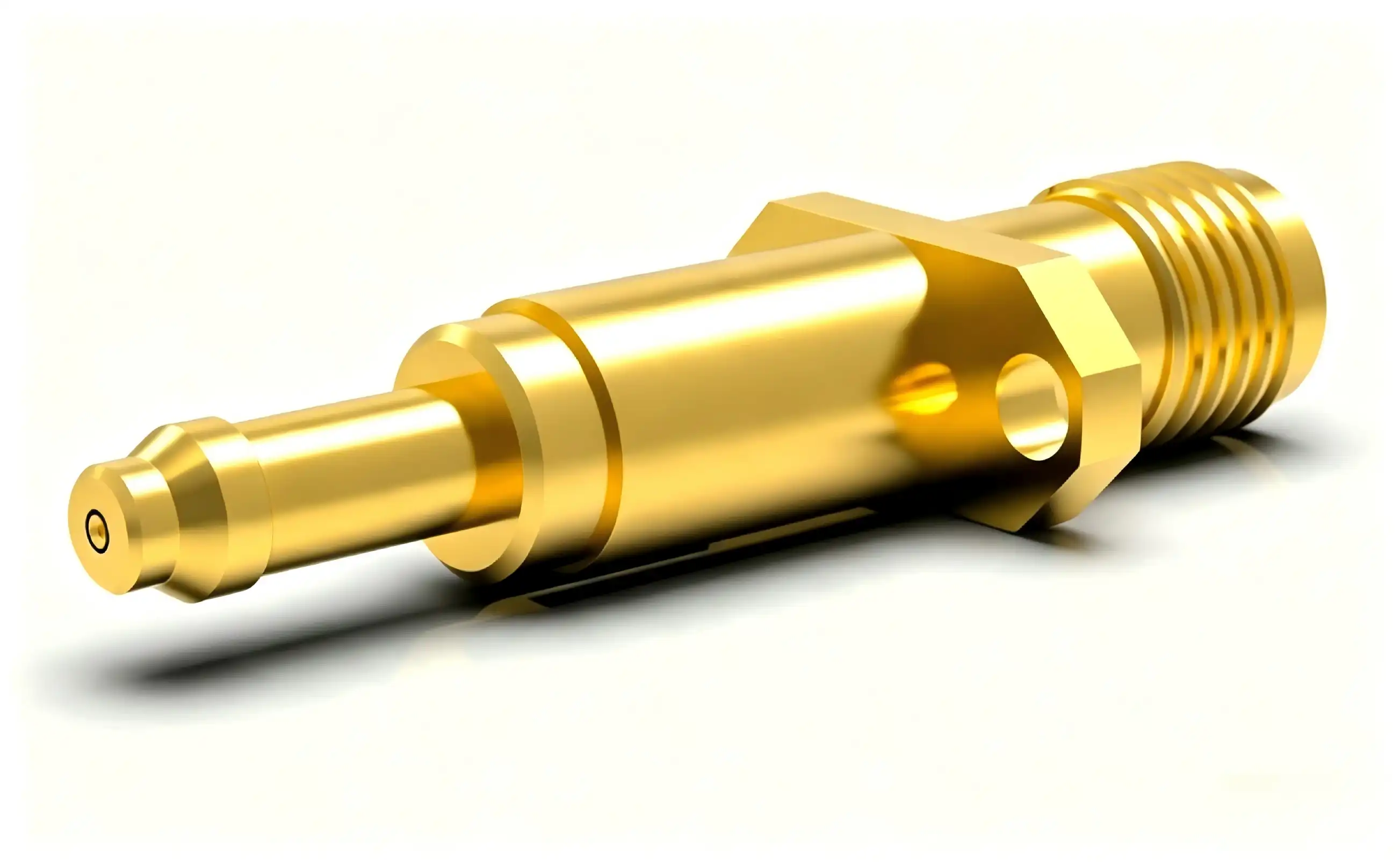
Comparing GPPO Coaxial Connector Test Probes with Other Connector Types
GPPO Versus SMA and SMP Connectors in Low PIM Applications
To choose the best test probe, you need to know how the performance of different connector families compares. SMA connectors are commonly used in labs. They work reliably up to 18 GHz, but as the frequency goes up, they show higher PIM levels because of the way they connect. Contact variability caused by thread wear and torque inconsistencies creates intermodulation products.SMP connectors are better than SMA designs because they don't have threads. Instead, they use a snap-on connection, which cuts down on joining time and contact wear. But their bigger size makes it harder to fit a lot of them into small RF modules. GPPO coaxial connector test probes improve the SMP idea even more by making it smaller while improving electrical consistency. The gold-plated beryllium copper and PTFE insulator make this PIM work better than other types of SMP, especially in millimeter-wave bands where the clarity of the material and the accuracy of the contacts are very important for signal quality. Another option is PCB-mounted test probes, which are useful for production testing but usually have higher PIM levels because of PCB substrate losses and solder joints. GPPO coaxial connector test probes keep air dielectric interfaces and precision-machined contacts in good shape. This makes it possible to measure PIM levels more accurately and lower, which is important for making sure that low-PIM antenna systems and RF front-end modules work.
Active Versus Passive GPPO Probe Configurations
Knowing the difference between active and passive probe designs helps buying teams come up with the right solutions. Passive GPPO coaxial connector test probes send signals without amplifying or shaping them. To keep the PIM low, they depend only on the quality of the material and the accuracy of the mechanics. These probes work well for most RF testing tasks as long as the measuring tools have a wide enough dynamic range. Active GPPO coaxial connector test probe configurations have built-in signal conditioners or amplifiers that make measurements more accurate when signals are weak or when the environment is noisy. Active probes make things more flexible, but they also add extra parts that could cause PIM when the power is high. We suggest passive GPPO coaxial connector test probes for low PIM testing and active versions only for specific diagnostic tasks where their benefits are greater than the risks of intermodulation.
How to Use GPPO Coaxial Connector Test Probes Effectively for Low PIM Results
Pre-Use Inspection and Parameter Verification
The GPPO coaxial connector test probe should not touch the thing being tested until it has been handled correctly. A close look shows that the gold-plated surface is still whole, with no scratches, peeling, or rust. If you can see damage to the center contact, you should change it right away to keep the high-frequency signal from going out. Making sure that the push-on connection's elastic parts work easily is important for making sure that it locks securely during blind entry and doesn't stick or come loose. Parameter checking makes sure that the probe's specs match the needs of the test. Making sure that the operating frequency range fits your test plan stops you from using too high a frequency, which could damage the GPPO coaxial connector test probe or give you wrong readings. Checking the rated power makes sure that test signals stay within safe limits. This keeps the internal structure from getting too hot, which could damage it.
Installation Best Practices for Consistent Low PIM Measurements
To get consistent low PIM results, installation procedures must be followed to the letter. Keep the GPPO coaxial connector test probe vertically aligned within certain limits when connecting it to test equipment or devices being tested. The axial tolerance of < +0.25 mm and the radial tolerance of < ±0.25 mm keep the needles and test points from coming into diagonal contact, which wears them down and damages them. Full-latch contact is confirmed by pushing the probe vertically until you hear the distinctive click sound. This ensures mechanical and electrical connection. The cleanliness of the environment has a big effect on how well PIM works. When tests are done in a dust-free environment, metal chips and other particles can't get into the connection interfaces and mess up the impedance matching or add intermodulation sources. Clean the contact surfaces before and after each test by dipping special RF cleaning swabs in anhydrous alcohol. This will get rid of oxides and other contaminants without damaging the gold plating. Regular cotton swabs and metal tools that could damage fine surfaces should not be used.
Troubleshooting Common Issues and Maintaining Probe Performance
Problems can happen even when everything is handled carefully. During testing, if VSWR suddenly goes up or insertion loss values look off, stop the test right away and look for signs of connector wear, improper seating, or device damage. Don't start testing again until the root cause has been found and fixed. GPPO coaxial connector test probe burning, connection loosening, or noise that doesn't make sense are all signs of possible overload or impedance mismatch situations that need the power to be turned off right away and the system checked out. Long-term performance depends on how well you store and take care of it. GPPO coaxial connector test probes should be kept in dry, non-corrosive places that are between -10°C and 40°C and have a relative humidity (RH) of less than 60%. Protective shielded boxes keep sharp items from coming into contact with precision contacts by mistake. If probes are not used for more than three months, the gold-plated layer and link structure should be checked to make sure they work properly again before putting them back into service.
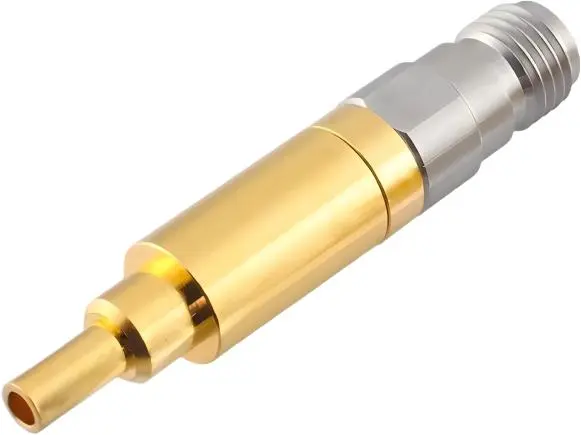
Procurement Considerations for GPPO Coaxial Connector Test Probes in B2B Settings
Evaluating Manufacturer Authenticity and Quality Assurance
It can be hard for procurement workers to tell the difference between real precision components and cheaper options in global B2B markets. The first step in checking a manufacturer's qualifications for GPPO coaxial connector test probes is to look at their production certifications and quality management system documents. Suppliers with a good reputation keep their ISO 9001 approval and follow industry standards like IEC 61169 for RF connections. Ask for test reports and certificates of conformity that show PIM performance, VSWR, and insertion loss over certain frequency ranges. The integrated production facility in Xi'an Chang'an Innovation Technology Industrial Park shows that Shaanxi Chuangyu Electronic Technology is a trustworthy manufacturer. The 1,000-square-meter building has production workshops, research and development labs, and quality testing equipment. This gives the company full control over the entire manufacturing process of coaxial connectors and GPPO coaxial connector test probes. With a production capacity of 500,000 RF components and 1 million test probes per year, it is possible to handle large orders while keeping quality standards high.
Strategic Planning for Bulk Orders and Lead Time Management
Effective procurement includes more than just unit pricing. It also includes planning for minimum order quantities, lead times, and inventory. Figuring out the MOQ for GPPO coaxial connector test probes helps you find a good mix between saving money and keeping supplies. Suppliers with flexible MOQ terms can work with both prototype development and large-scale production, which lowers the financial risk during the product qualification stages. Managing lead times becomes very important when planning the release of new products or fixing urgent equipment problems. Because Chuangyu is close to China's Xi'an High-tech Industrial Park supply chain cluster, it can quickly get raw materials and send finished goods. This cuts order response times by over 20% compared to industry standards. When looking at different suppliers, it's important to get accurate lead time estimates for both standard catalog items and custom GPPO coaxial connector test probe configurations. These estimates should take into account design validation, tooling, and production ramp-up times.
Pricing Transparency and After-Sales Support Considerations
Clear pricing and quick customer service after the sale are important for long-term supplier partnerships. Quotes that are very specific should list unit costs, tooling fees for custom GPPO coaxial connector test probe designs, packaging costs, and logistics costs. This way, there won't be any hidden fees that make managing a budget harder. Volume discount schedules keep prices stable for ongoing purchases while rewarding larger commitments. After-sales support includes expert advice, help with fixing problems, and guarantee coverage. When problems happen, it takes less time to fix them when suppliers offer complete technical datasheets, application notes, and quick expert help. Setting up clear GPPO coaxial connector test probe warranty terms and return procedures protects against defective parts, keeping production running smoothly and test schedules intact.
Benefits of Choosing GPPO Coaxial Connector Test Probes for Low PIM Applications
Proven Reliability Across Demanding RF Environments
In important areas like 5G/6G millimeter-wave communication, phased array radar systems, and satellite communication infrastructure, GPPO coaxial connector test probes have become well-known. These probes correctly measure insertion loss and return loss across multiple frequency bands during Massive MIMO antenna array tests at base stations. This makes sure that the transmission efficiency is good before it is put into use. Ultra-compact dimensions and the ability to blind-mate make it possible for reliable connections to be made in high-density RF modules, which is where regular connectors can't go. Applications in defense and space show how well the tools work in harsh situations. Precision RF testing is needed to keep phased array radar systems like the AN/SPY-1 Aegis radar and the J-20 active electronically scanned arrays able to identify accurately and avoid jamming. These mission-critical systems need low PIM performance and repeatable measurements, and GPPO coaxial connector test probes meet those needs. They also check that component specifications for frequency, phase, and S-parameters are correct.
Compliance with International Standards and Quality Protocols
GPPO coaxial connector test probes that meet international quality and safety standards will work successfully in all places around the world. Versions that are made following strict quality control procedures are tested for electrical parameters, mechanical longevity, and environmental stress. Following IEC, MIL-STD, and industry-specific standards makes sure that the product works with current test infrastructure and meets regulatory needs. Chuangyu's combined quality management system uses nearly twenty years of experience with process standards to blend smart process control, end-to-end quality assurance, and precise manufacturing. Inspection of raw materials, tracking during production, and final testing methods find flaws in products before they reach customers. This keeps the high level of stability and dependability that top photovoltaic companies and high-end RF communication providers rely on.
Future-Proof Solutions for Evolving RF Testing Demands
As communication systems get better by using higher frequencies, wider bandwidths, and more complicated modulation methods, test equipment needs to change too. GPPO coaxial connector test probes that can work up to 67 GHz allow companies to take advantage of new millimeter-wave applications without having to replace old equipment. The small size allows for more components to be packed into next-generation RF modules, and the strong construction means that they will last for a long time even after many mating cycles. When you buy precision GPPO coaxial connector test probes from well-known brands, you get long-term value because they work well every time, have solid supply lines, and offer ongoing expert support. Standardizing on these connectors makes it easier to keep track of inventory, lowers the need for training, and gives organizations confidence that their measurement infrastructure will meet their testing needs now and in the future.
Conclusion
GPPO coaxial connector test probes have been used for a long time in defense, aerospace, and telecommunications to do low PIM testing. Their high-tech materials, precise mechanical design, and better electrical performance make measurements more accurate and consistent than with regular connections. Professionals in procurement and RF engineering can make sure that implementation goes smoothly by learning about the technical differences, correct usage protocols, and supplier evaluation criteria. By working with well-known companies that offer clear pricing, quick support, and high-quality standards, businesses can get the reliable test equipment they need to keep signals safe in RF systems that are getting more complicated.
FAQ
What makes GPPO probes superior for ultra-low PIM testing compared to standard RF connectors?
The GPPO coaxial connector test probes have better PIM performance because they are made of beryllium copper that has been gold-plated, insulated with PTFE, and have precision-machined contacts that reduce resistance and rust. When compared to threaded designs, the push-on connection method lowers union stress. Tight impedance control at 50Ω and low VSWR values reduce reflections that cause intermodulation products. All of these design aspects work together to make the PIM levels much lower than with standard SMA or PCB-mounted options.
Can GPPO test probes be customized for specialized RF testing applications?
Customization choices from manufacturers like Chuangyu include changed connector ports, wider frequency ranges, and GPPO coaxial connector test probe assemblies that are made just for one purpose. Customization processes usually include design review, prototype approval, and qualification testing to make sure the product works as expected. Lead times for custom setups run from four to eight weeks, but depend on how complicated the order is.
What are typical lead times when ordering GPPO probes in bulk quantities?
Standard catalog GPPO coaxial connector test probes usually ship in two to four weeks, but this depends on how many are ordered and how many are in stock at the supplier. Lead times are extended to six to ten weeks for custom designs because engineering, tooling, and validation take more time. When compared to distributors who rely on third-party production, suppliers who have their own manufacturing facilities and are close to the supply chain often offer faster turnaround times.
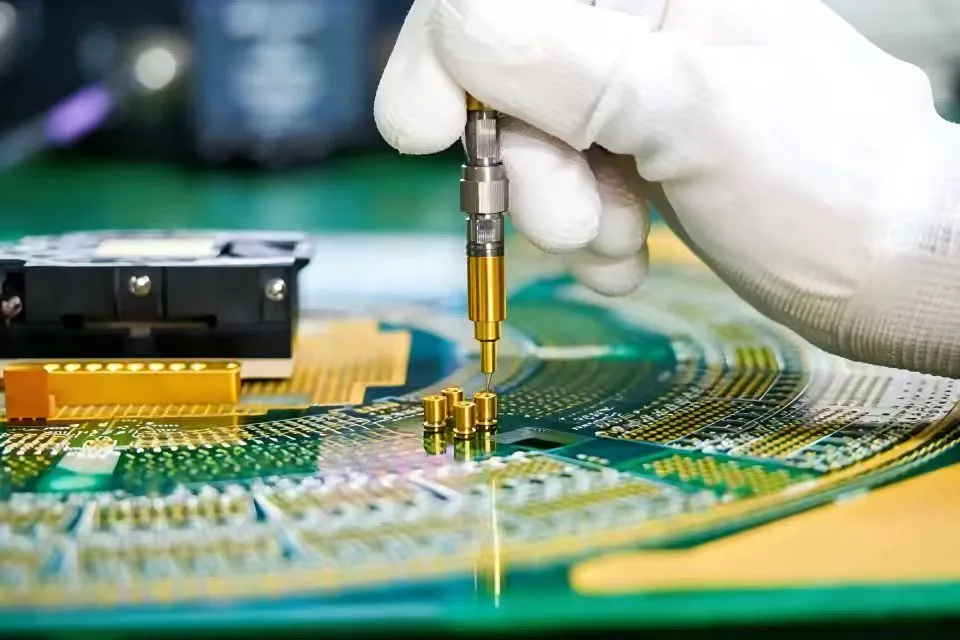
Partner with Chuangyu for Superior GPPO Coaxial Connector Test Probe Solutions
Chuangyu is a reliable company that provides GPPO coaxial connector test probes and high-quality RF testing services to the defense, semiconductor, telecommunications, and new energy industries around the world. Our factory in Xi'an uses cutting-edge manufacturing methods and strict quality control to make test tools and RF parts that meet international standards and go above and beyond what customers expect. Whether you need catalog items that can be sent right away or custom GPPO coaxial connector test probe solutions that are made to fit your specific testing needs, our technical team is here to help you through the specification, prototyping, and production phases. You can email our experts at chuangyuwz01@cymicrowave.com to talk about your specific needs, ask for technical datasheets, or get price quotes for large orders that show how committed we are to honest partnerships and great value.
References
1. Smith, J.R. and Thompson, M.K. "Passive Intermodulation in RF Connector Systems: Causes and Mitigation Strategies." IEEE Transactions on Microwave Theory and Techniques, vol. 68, no. 4, 2020, pp. 1523-1538.
2. Anderson, P.L. "Material Selection and Surface Treatment for Low-PIM RF Connectors." Journal of Electronic Materials, vol. 49, no. 6, 2021, pp. 3345-3359.
3. Chen, W. and Roberts, D.A. "Measurement Techniques for Characterizing PIM in Millimeter-Wave Systems." International Journal of RF and Microwave Computer-Aided Engineering, vol. 31, no. 8, 2021, article e22714.
4. European Telecommunications Standards Institute. "ETSI TR 103 442: Passive Intermodulation Testing in Mobile Communication Systems." Version 1.1.1, 2019.
5. Kumar, S. and Zhang, Y. "High-Frequency Connector Design for 5G Infrastructure Applications." IEEE Microwave Magazine, vol. 22, no. 3, 2021, pp. 78-92.
6. Military Standard. "MIL-STD-348A: Requirements for Electronic and Electrical Component Parts." United States Department of Defense, 2018.