- English
- French
- German
- Portuguese
- Spanish
- Russian
- Japanese
- Korean
- Arabic
- Greek
- German
- Turkish
- Italian
- Danish
- Romanian
- Indonesian
- Czech
- Afrikaans
- Swedish
- Polish
- Basque
- Catalan
- Esperanto
- Hindi
- Lao
- Albanian
- Amharic
- Armenian
- Azerbaijani
- Belarusian
- Bengali
- Bosnian
- Bulgarian
- Cebuano
- Chichewa
- Corsican
- Croatian
- Dutch
- Estonian
- Filipino
- Finnish
- Frisian
- Galician
- Georgian
- Gujarati
- Haitian
- Hausa
- Hawaiian
- Hebrew
- Hmong
- Hungarian
- Icelandic
- Igbo
- Javanese
- Kannada
- Kazakh
- Khmer
- Kurdish
- Kyrgyz
- Latin
- Latvian
- Lithuanian
- Luxembou..
- Macedonian
- Malagasy
- Malay
- Malayalam
- Maltese
- Maori
- Marathi
- Mongolian
- Burmese
- Nepali
- Norwegian
- Pashto
- Persian
- Punjabi
- Serbian
- Sesotho
- Sinhala
- Slovak
- Slovenian
- Somali
- Samoan
- Scots Gaelic
- Shona
- Sindhi
- Sundanese
- Swahili
- Tajik
- Tamil
- Telugu
- Thai
- Ukrainian
- Urdu
- Uzbek
- Vietnamese
- Welsh
- Xhosa
- Yiddish
- Yoruba
- Zulu
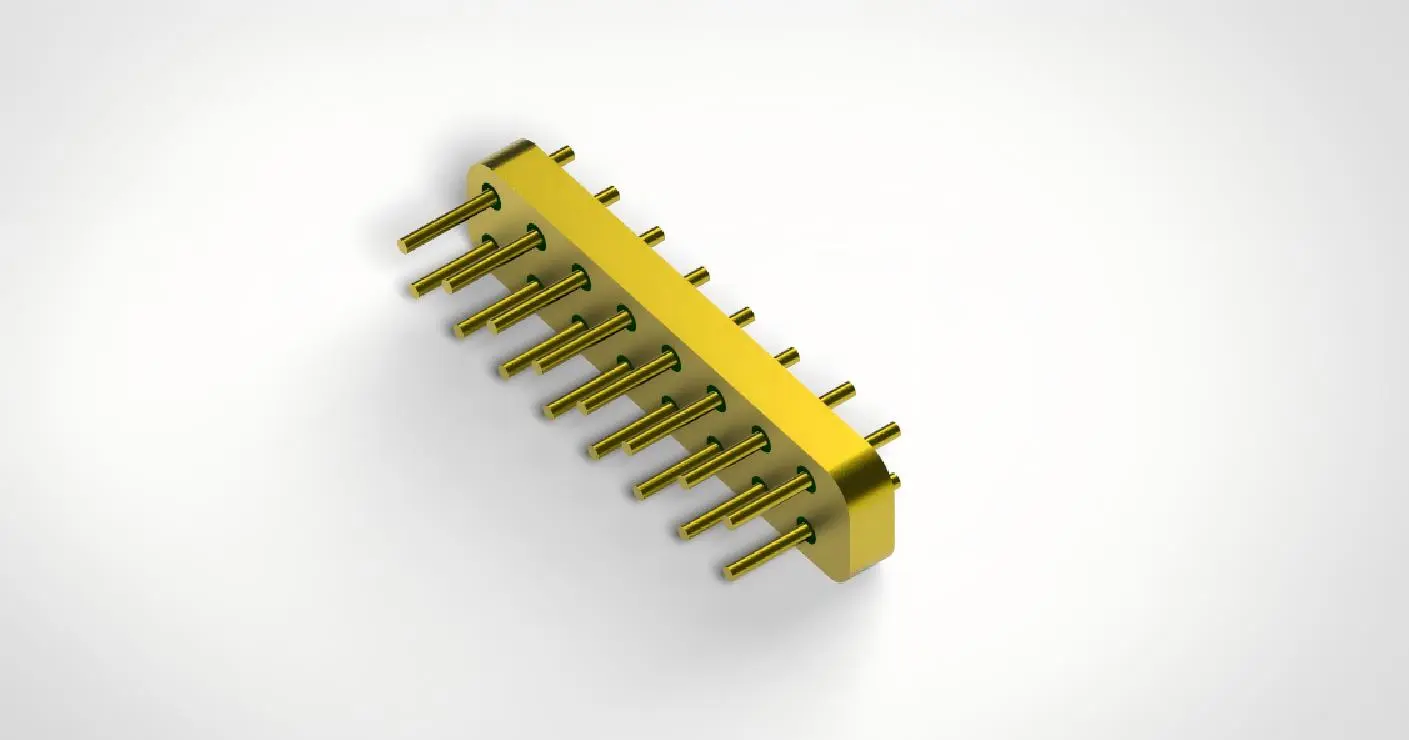
Partnering with a specialized multipin hermetic feedthrough supplier directly impacts your project's reliability and long-term success. Unlike generic component distributors, dedicated feedthrough manufacturers understand the critical sealing requirements, environmental challenges, and performance standards your applications demand. A qualified supplier brings engineering expertise, customization capabilities, and quality assurance that extends beyond transactional product delivery. They become strategic partners who support design validation, provide technical consultation during specification development, and ensure seamless integration of hermetic sealing solutions into your production workflow while maintaining consistent quality across every order.
Why Choosing the Right Supplier Matters in Your Procurement Process
Choosing an expert hermetic connector manufacturer has a big impact on the results of the job, going beyond just buying parts. Stability in the supply chain depends on suppliers keeping lead times and inventory levels stable so that production lines don't have to stop. When creating new products, getting engineering help from knowledgeable suppliers speeds up design validation by finding the best pin configurations, voltage ratings, and sealing technologies for the job before spending money on tools.
Quality Assurance and Certification Requirements
Multipin hermetic feedthrough suppliers are different from general electronics distributors because they have strict quality control processes. Every production unit goes through helium leak testing to make sure the integrity of the hermetic seal. Test results show the leak rates and confirm that the standards were met. Manufacturing certifications like ISO 9001, AS9100 for aircraft use, and ISO 13485 for medical products show that quality control systems are in place and that processes can be repeated and tracked throughout production.
When looking for glass-to-metal sealed feedthroughs for medical uses, material approvals are very important because the make-up of the material directly impacts biocompatibility and long-term implant safety. When suppliers give procurement teams material test reports, RoHS compliance documentation, and REACH declarations, they can meet regulatory requirements without having to do extra testing that slows down projects.
Testing for electromagnetic compatibility and measuring shielding effectiveness above 85dB show that multipin hermetic assemblies keep signals pure in RF environments and stop interference that could damage measuring tools or communication systems that depend on clean electrical connections through sealed barriers.
Customization Capabilities and OEM Collaboration
Standard catalog goods don't always meet the exact needs of a specific application. Because of this, the ability to customize products is an important factor to consider when comparing different providers. Manufacturers with a lot of experience who offer engineering partnership services work directly with design teams to change the number of pins, the gauges of the conductors, the mounting flanges, and to add special materials that deal with specific weather problems.
OEM partnerships are more than just customizing products. They can also include co-development agreements where suppliers help with design during the concept phase, do feasibility studies that look at different sealing methods, and make prototypes so that they can be tested for functionality before committing to production tooling. When compared to working with transactional providers who don't have the engineering tools to support custom development projects, these collaborative relationships lower development risk and speed up time-to-market.
Flexible minimum order numbers can handle a wide range of production rates, from study prototypes that only need a few units to mass production plans that need thousands of units every month. Structures for volume pricing, stocking programs for frequently bought configurations, and scheduled shipping plans all help to keep buying costs stable and make sure that material supply is in sync with production schedules.
Comparing Multipin Hermetic Feedthrough Suppliers: What to Look For
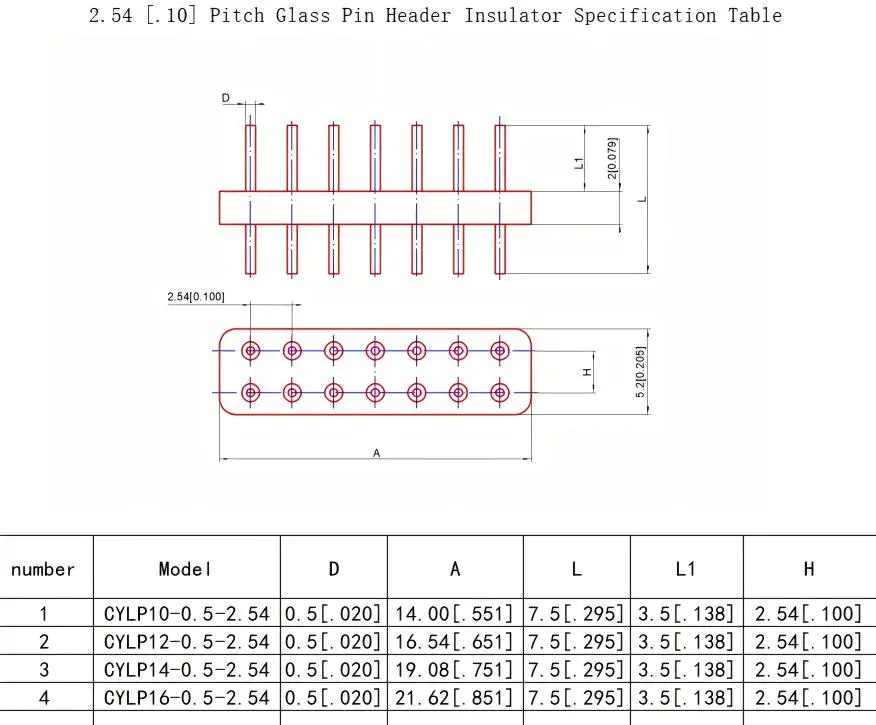
An effective seller review takes a systematic look at many areas of performance that, when put together, show how likely it is that the relationship will work out. The variety of products available shows how well they can be made and how knowledgeable the staff is in terms of technology. Full catalogs show a wide range of pin configurations, from simple 9-pin arrangements that work for many uses to high-density 100-pin assemblies that support complicated instruments that need many signal paths through single penetrations.
Technical Specifications Alignment
Voltage rating options that range from low-voltage signal transfer to high-voltage power supply up to several kilovolts show that the design is flexible enough to meet a wide range of application needs. Specifications for current capacity range from 3A per pin in standard configurations to 13A in power contact variants. This makes sure that the right size of conductor is used to avoid resistive heating and voltage drop that could hurt circuit performance or cause reliability issues when used for a long time.
Specifications for temperature tolerance should be carefully read, especially for uses that will involve thermal cycling or running all the time at extreme temperatures. Baseline specifications usually cover temperatures between -55°F and +125°F, but some uses need wider ranges. For example, medical autoclave sterilization, downhole oil drilling instruments, and cryogenic research equipment need special types of glass and building materials that can keep airtight seals even when the temperature is above normal.
Pin pitch sizes and general housing shapes affect how well they can be integrated into equipment designs that are limited by space. High-density micro-rectangular configurations achieve 1.27mm pitch spacing, which allows for high conductor counts in small spaces. On the other hand, applications that value easy assembly and field serviceability benefit from larger pitch dimensions, which make wire termination easier and lower the cost of assembly labor.
Supplier Reputation and Market Presence
Industry experience and a supplier's history in the market are good ways to tell if they are stable and have a lot of knowledge. Manufacturers who have been in the aerospace, defense, and medical markets for decades have shown consistent quality performance and gained process knowledge that newcomers can't match, even if they buy the latest equipment. Customer references from well-known companies in the target industries show that the supplier can consistently meet strict requirements.
Suppliers' technical papers, application notes, and engineering tools show how much they know and how willing they are to teach customers instead of just taking orders. White papers that compare sealing technologies, talk about heat management strategies, and design optimization methods help buying teams and engineering staff make smart choices. They also show how well suppliers know how to solve problems that are specific to an application.
Global distribution networks and regional support centers show that a supplier cares about making their products easy for customers to get and helping them after the sale. Having stocking locations in all of the major geographic markets cuts down on shipping times and lets companies respond quickly to urgent needs. At the same time, local technical representatives can help with consultations and custom development projects without the communication delays that come with only working with overseas headquarters.
Seamless Procurement: From Inquiry to Bulk Purchase
Streamlining procurement workflows cuts down on the amount of work that needs to be done by administrators and speeds up project timelines from the initial specification stage to mass production. Easy-to-use online catalogs with parametric search make it easy to find standard products that meet basic needs, and clear quote request processes make it easy to get prices for custom configurations that need engineering input before they can be quoted.
Sample Evaluation and Testing Protocols
Sample request policies that let you evaluate small amounts before committing to larger amounts lower purchase risk by letting you test functionality in real-world application settings. Testing sample units in typical operating conditions makes sure that the performance specs on the datasheet are met and that they work with the connectors, mounting options, and termination methods that are planned for mass production.
Helium leak testing on sample units confirms the integrity of the airtight seal using the same method that is used for production acceptance testing. Before committing to large orders, procurement teams should ask for leak test results that show measured leak rates and confirm compliance with application standards. This way, they can set basic expectations for how well production units will work.
Electrical testing, such as measuring insulation resistance, checking dielectric withstand voltage, and measuring contact resistance, ensures that sample units from a multipin hermetic feedthrough supplier meet electrical requirements that are important for the application to work. Thermal cycling tests that mimic changes in operational temperatures show any possible seal degradation or contact instability that might not show up at room temperature but would lead to failures in the field during real use.
Volume Procurement Optimization
When you buy in bulk, the price per unit is usually much lower than when you buy in small amounts. The volume savings get really big above certain threshold amounts that depend on the source and the complexity of the product. When you negotiate volume price structures during the initial talks about buying something, you set up reliable cost models that help you do accurate costing and profit analysis throughout production programs.
Lead time talks try to find a balance between the costs of keeping stockpiles and the needs of the production plan and the capacity of the suppliers. Standard catalog items usually ship within a few weeks, but for custom configurations that need special tools, lead times can go up to several months for the first production runs. Setting realistic delivery dates keeps customers from having high expectations that put stress on their relationships with suppliers and takes into account the complexity of manufacturing that comes with precision hermetic sealing processes.
Scheduled shipping and stocking programs work best for programs with steady consumption rates. This way, suppliers can keep enough inventory on hand to quickly fill regular orders, and customers don't have to buy or store too much inventory. Scheduled releases from stocking inventory make sure that material arrivals and production plans are in sync. This saves warehouse space and lowers the risk of inventory going out of date in settings where products are constantly being developed.
Future-Proofing Your Technology Stack Through Strategic Supplier Partnerships
Relationships with suppliers that last a long time have strategic benefits that go beyond just buying parts. Working together with creative hermetic feedthrough makers lets you get early access to new sealing technologies, improved materials, and design improvements that make products work better and last longer in harsh conditions.
Technology Advancement and Product Evolution
Leading suppliers spend a lot of money on research and development to improve performance by adding higher voltage ratings, wider temperature ranges, and longer-lasting materials that can handle mechanical stress and exposure to the environment. New developments in glass formulations lower differences in thermal expansion and boost dielectric strength. This lets higher voltage pass through smaller forms, which is good for equipment designs that need to save space.
For ultrahigh-temperature uses, ceramic-to-metal sealing technologies are better than glass sealing because special ceramic materials can keep their airtight integrity above 300℃ for long periods of time. Suppliers who invest in ceramic sealing skills can make products that can be used in harsh environments, which used to require different ways of connecting parts that had their own problems.
Improvements to the manufacturing process, such as automatic checking systems, the use of statistical process control, and more advanced methods for finding leaks, make products more reliable and lower the number of defects they have. Sharing quality metrics and process capability data shows that suppliers are committed to openness and constant improvement, which helps customers by increasing yields and lowering failure rates in the field.
Total Cost of Ownership Advantages
When you look at supplier relationships through the lens of total cost of ownership instead of unit price, you can find hidden value in partnerships that you can rely on. Higher-quality hermetic feedthroughs from well-known suppliers may cost more than cheaper alternatives, but they are more reliable, which means fewer failures in the field, which means lower warranty costs, unhappy customers, and damage to the brand's reputation that is much greater than the difference in component price.
The availability of technical help cuts down on the amount of engineering work that needs to be done to fix application problems and improve designs. Skilled source engineers can offer advice that speeds up development and avoids costly design changes. Working with providers who only give you basic technical information makes design reviews and regulatory applications harder. Documentation that includes thorough drawings, material specs, and performance test data makes things easier.
Supply chain security from financially sound suppliers with a wide range of customers and multiple manufacturing locations lowers the risk of supply disruptions that can stop production and leave inventory investments in units that are still being put together, waiting for parts. When choosing a supplier for a program that will last for more than one year and where the supplier's continuity is important to business operations, the supplier's financial health should be evaluated, and backup plans should be discussed.
Conclusion
Picking the right hermetic connection partner, such as a multipin hermetic feedthrough supplier, affects how reliable a product is, how quickly it can be developed, and how stable the supply chain stays over time for all kinds of demanding uses. Generic distributors can't compete with qualified suppliers when it comes to specialized knowledge, quality control, and the ability to make changes. The price per unit should not be the only thing that is considered when judging a company. Technical knowledge, certification compliance, customization flexibility, and collaborative engineering support should also be taken into account. Strategic partnerships with experienced manufacturers give you access to new sealing technologies and constant product improvements that give you a competitive edge throughout the lifecycle of a product. Reliable supply chains and quick technical support lower operational risks and the total cost of ownership for production programs that last more than one year.
FAQ
1. What distinguishes multipin hermetic feedthroughs from standard electrical connectors?
Through glass-to-metal or ceramic-to-metal bonding, hermetic feedthroughs make completely airtight seals that stop gas and liquid transfer. Leak rates stay below 1.01325×10⁻³Pa·cm³/s, which can be proven by helium mass spectrometry. Standard connectors don't have hermetic sealing, which lets environmental contamination in and causes them to fail early in vacuum, pressure, or moisture-sensitive applications that need complete environmental isolation for long-term reliability.
2. How do I verify hermetic seal quality before bulk orders?
Ask for leak test results that show helium mass spectrometer readings on sample units and confirm that the leak rates found meet the standards of the specification. Do thermal cycling tests that mimic changes in operational temperature, and then check the integrity of the seal again to make sure that it hasn't been damaged. Before starting mass production, look at the glass-to-metal surfaces under a microscope for cracks or holes that could mean the seal isn't working right.
3. What customization options are typically available?
Customization includes changing the number of pins, the gauge of the wire, the design of the mounting flange, the material of the case, the plating choices, and the glass formulas. Experienced providers can make changes to voltage ratings, temperature ranges, and custom pin arrangements that work best for each signal distribution need. They can also provide sample amounts for testing functionality before investing in production tools.
Partner With Chuangyu for Reliable Hermetic Feedthrough Solutions
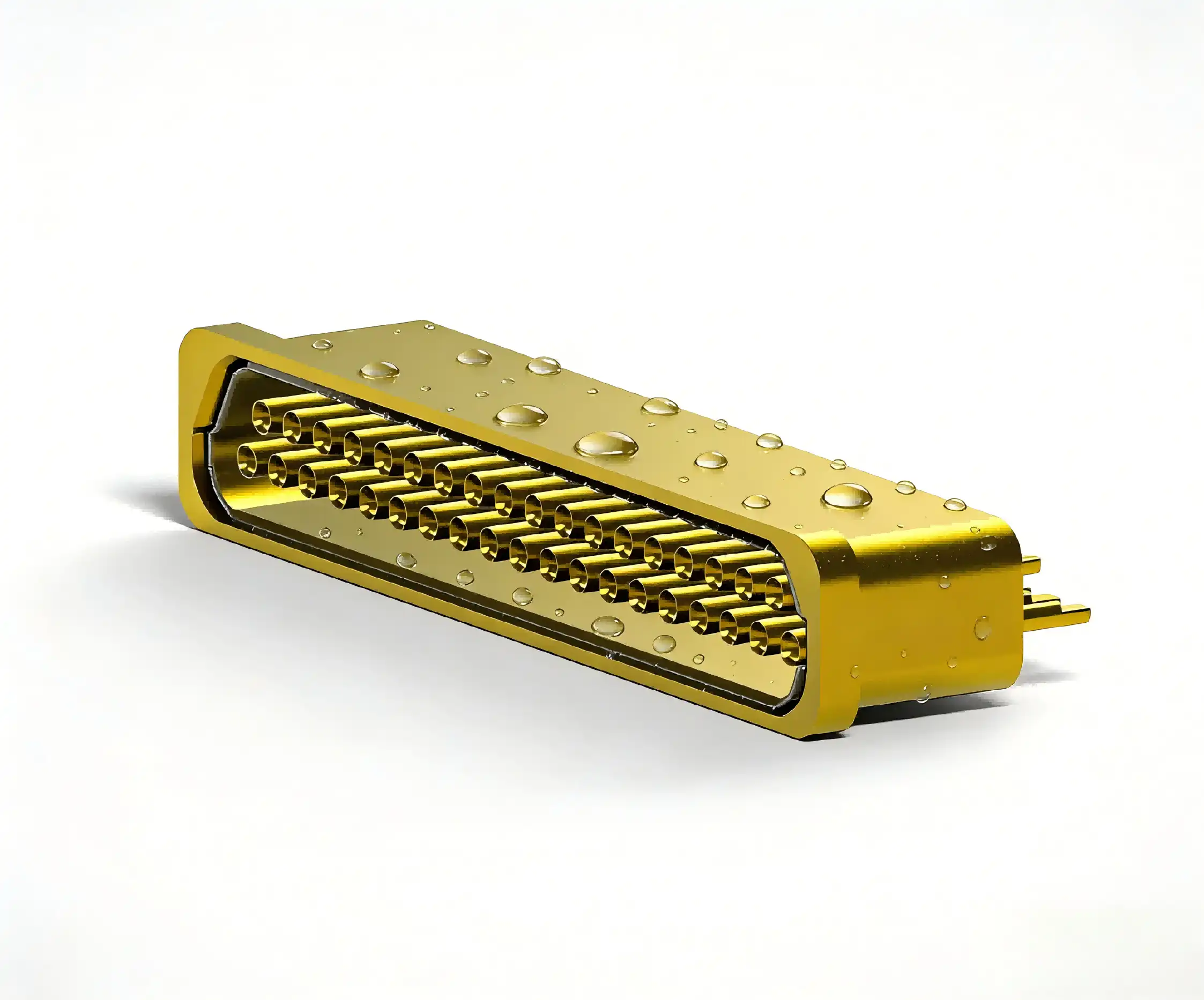
Chuangyu, as a multipin hermetic feedthrough supplier, offers precisely designed hermetic closing solutions with full design support and quality assurance that have been checked. We can make glass-to-metal sealed connectors, custom multipin configurations, and high-density feedthrough systems for vacuum uses in aircraft, medicine, semiconductors, and industry. We are based in Xi'an and have 1,000 square meters of production and testing space. During the whole fabrication process, we do strict quality checks to make sure the hermetic seal is intact and the electrical performance is reliable. Our expert team is here to help you from the first specification to mass production, whether you need regular catalog items or solutions that are specifically designed for your needs. Get in touch with our engineering team at chuangyuwz01@cymicrowave.com to talk about your hermetic feedthrough needs with a seasoned maker that can offer low prices and reliable delivery times.
References
1. Johnson, R. M., & Williams, K. A. (2021). Hermetic Sealing Technologies for Aerospace Electronics. Cambridge: Aerospace Publications International.
2. Chen, L., Martinez, D. P., & Kumar, S. (2020). Glass-to-Metal Seal Engineering: Materials, Processes, and Applications. Journal of Electronic Packaging and Manufacturing, 45(3), 187-203.
3. Anderson, T. R. (2022). Vacuum Feedthrough Design and Selection Guide for Semiconductor Equipment. Boston: Advanced Manufacturing Press.
4. Roberts, E. J., & Thompson, H. L. (2019). Hermetic Connector Reliability in Medical Implantable Devices. Biomedical Engineering Review, 32(4), 421-438.
5. United States Department of Defense. (2018). MIL-DTL-83513: Connectors, Electrical, Hermetically Sealed, General Specification. Washington: Defense Standardization Program Office.
6. Mitchell, P. K., Zhang, Y., & O'Brien, M. C. (2023). Ceramic-to-Metal Sealing: Advanced Materials and Manufacturing Techniques. New York: Electronic Components Publishing.