- English
- French
- German
- Portuguese
- Spanish
- Russian
- Japanese
- Korean
- Arabic
- Greek
- German
- Turkish
- Italian
- Danish
- Romanian
- Indonesian
- Czech
- Afrikaans
- Swedish
- Polish
- Basque
- Catalan
- Esperanto
- Hindi
- Lao
- Albanian
- Amharic
- Armenian
- Azerbaijani
- Belarusian
- Bengali
- Bosnian
- Bulgarian
- Cebuano
- Chichewa
- Corsican
- Croatian
- Dutch
- Estonian
- Filipino
- Finnish
- Frisian
- Galician
- Georgian
- Gujarati
- Haitian
- Hausa
- Hawaiian
- Hebrew
- Hmong
- Hungarian
- Icelandic
- Igbo
- Javanese
- Kannada
- Kazakh
- Khmer
- Kurdish
- Kyrgyz
- Latin
- Latvian
- Lithuanian
- Luxembou..
- Macedonian
- Malagasy
- Malay
- Malayalam
- Maltese
- Maori
- Marathi
- Mongolian
- Burmese
- Nepali
- Norwegian
- Pashto
- Persian
- Punjabi
- Serbian
- Sesotho
- Sinhala
- Slovak
- Slovenian
- Somali
- Samoan
- Scots Gaelic
- Shona
- Sindhi
- Sundanese
- Swahili
- Tajik
- Tamil
- Telugu
- Thai
- Ukrainian
- Urdu
- Uzbek
- Vietnamese
- Welsh
- Xhosa
- Yiddish
- Yoruba
- Zulu
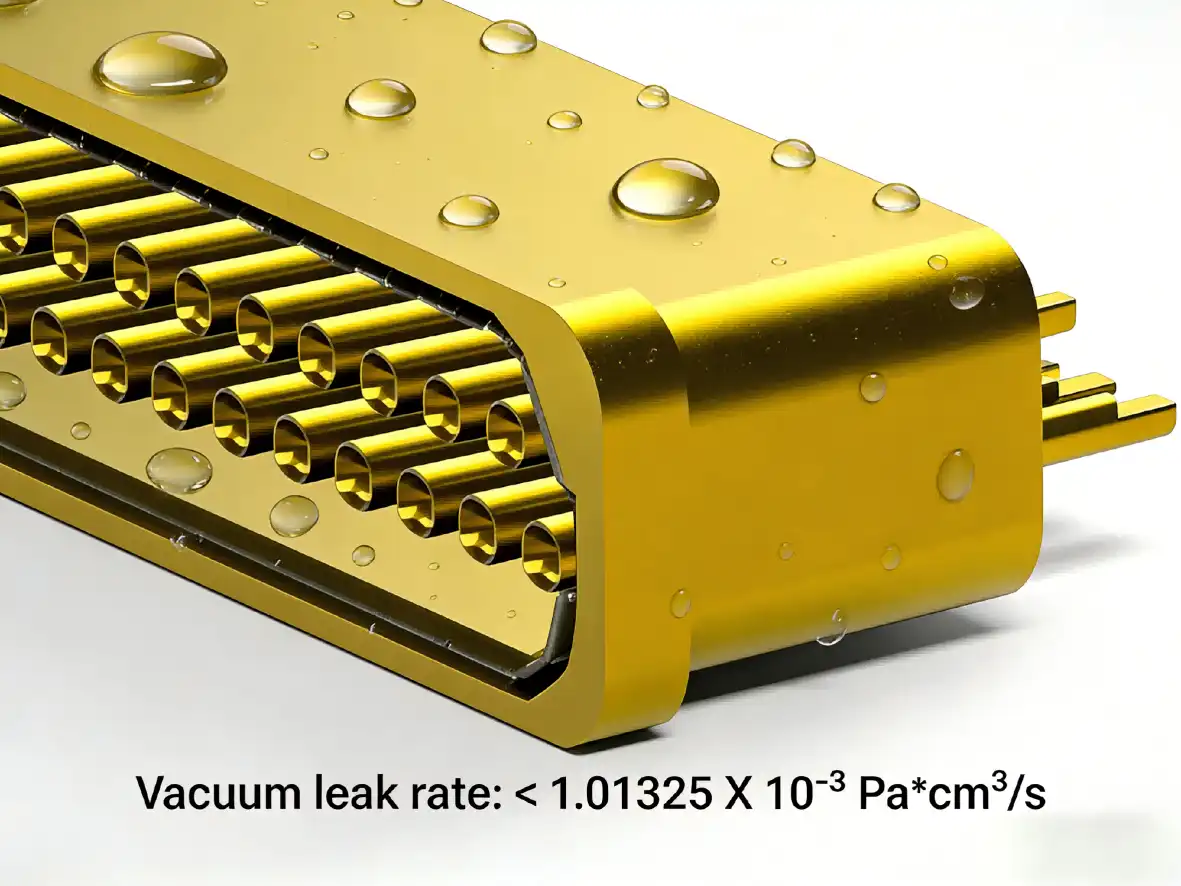
When designing ultra-high vacuum systems, choosing the right electrical interface can determine project success or failure. A vacuum multipin feedthrough connector serves as the critical gateway that transmits multiple electrical signals or power lines through UHV barriers while preserving complete vacuum integrity. Unlike traditional single-pin solutions that require multiple installation points, multipin feedthroughs consolidate numerous contacts into one compact, hermetically sealed package. This space-saving design reduces leak points, simplifies installation, and enhances overall system reliability—making it the preferred choice for semiconductor fabrication, aerospace engineering, and advanced research laboratories where vacuum levels below 10⁻⁹ Torr are non-negotiable.
Advantages of Using Vacuum Multipin Feedthrough Connectors in UHV Applications
Superior Sealing and Environmental Protection
The most important benefit of vacuum multipin feedthrough connectors is that they can seal completely. Standard connectors let small amounts of air into them, but properly specified vacuum multipin feedthrough connectors keep the vacuum integrity for decades without any noticeable degradation. Molecular-level seals that can withstand changes in temperature, mechanical stress, and chemical contact are made possible by glass sintering and ceramic bonding technologies. Helium mass spectrometer leak testing checks the quality of the seals while they are being made. For UHV uses, accepted leak rates are usually less than 1×10⁻⁹ mbar·L/s.
When making semiconductors, where process rooms work at 10⁻⁸ Torr or less, this closing ability is very important. One broken vacuum multipin feedthrough connector can contaminate a whole production batch, which can cost hundreds of thousands of dollars in lost wafers and downtime. In the same way, aerospace applications need complete dependability. For example, satellite electrical systems use vacuum multipin feedthrough connectors to keep internal pressures stable during years of orbital operation, where failure means mission loss and repair is not possible.
Space Efficiency and System Simplification
Putting together several electrical links into one entry point has big benefits for design. Think about a vacuum deposition system that needs 50 electrical connections for sensors, heaters, and control signals. With traditional single-pin feedthroughs, you would need 50 separate holes, and each one would need its own sealing, mounting, and vacuum space. This is cut down to just one or two mounting points with a single vacuum multipin feedthrough connector. This makes room on the chamber wall for viewports, pumping ports, and process equipment.
This consolidation does more than just save space. It is much easier to do maintenance when workers only have to work on one multipin system instead of dozens of separate feedthroughs. Leak repair focuses on fewer possible failure places, which cuts down on the time needed to make a diagnosis. When there are spare contacts in an installed vacuum multipin feedthrough connector, system changes and upgrades go more smoothly. This is because there is no need for extra chamber penetrations or expensive re-certification of vacuum integrity.
Cost-Effectiveness Through Bulk Integration
Individual vacuum multipin feedthrough connectors cost more per pin than single-pin options, but the multipin method usually saves more money in the long run. It takes a lot less work to install—it takes less time to mount and seal one 37-pin connector than to install 37 separate feedthroughs. When there are fewer penetrations that need to be machined, welded, and tested for leaks, the cost of making a vacuum chamber goes down. It's easier to keep track of spare parts when one connection type can do more than one thing instead of keeping a lot of different single-pin versions on hand.
Building relationships with suppliers of specialized vacuum multipin feedthrough connectors makes procurement more efficient. Partnering with manufacturers who know how to make custom configurations, non-standard pin counts, and materials that are best for a certain application speeds up the specification process and lowers lead times. When compared to small-quantity orders, volume purchasing agreements for standard models can save 15–30% on costs. This is especially helpful for OEM manufacturers who are building a lot of systems.
Industry Applications Demonstrating Real-World Value
There are clear, real benefits of vacuum multipin feedthrough connectors in many high-tech fields. Plasma etching devices are used to make semiconductors. They use high-density connectors to handle many RF electrodes, gas injection valves, and temperature sensors through single chamber penetrations. This arrangement keeps the process conditions symmetrical, which is important for defining features at the nanometer scale, and reduces the twisting of the plasma field.
In attitude control systems, communication satellites, and deep-space probes, vacuum multipin feedthrough connectors are used because they are reliable. The Mars rovers use special feedthroughs that can handle changing temperatures and radiation. These feedthroughs send power and data between sealed electronics enclosures and instruments outside the rover through the frame. The mission's success relies on how reliable the connectors are over long periods of time without access to repair.
Medical device companies use miniature vacuum multipin feedthrough technology in implantable devices and diagnostic tools. Mass spectrometry systems used in clinical research depend on UHV chambers that are kept clean by electrical connections that are hermetically sealed. This keeps the atmosphere from getting dirty while supporting complex sensing electronics. Materials that are biocompatible, such as gold-plated Kovar and certain types of glass, make sure that patients are safe when they are implanted.
Vacuum multipin feedthrough connectors are very important for scientific research facilities that use particle accelerators, fusion reactors, and equipment for characterizing materials. There are thousands of different types of feedthroughs in the Large Hadron Collider that power superconducting magnets and keep an eye on beam parameters within kilometers of evacuated beam tubes. Each connection has to keep the pressure tight even when it goes from cryogenic temperatures to room temperature and back again while carrying hundreds of amps.
Comparing Vacuum Multipin Feedthrough Connectors with Other Options
Multipin Versus Single-Pin Feedthrough Solutions
When tech teams know the pros and cons of both consolidated multipin and distributed single-pin methods, they can make better decisions. Single-pin feedthroughs are easy to use and don't cost much per connection, which makes them a good choice for systems that need fewer than 10 electrical connections. Installing each pin separately lets you build the system in stages and makes it easy to fix problems in certain circuits. When only one contact breaks and affects only one data line, the cost of replacement stays low.
However, the **vacuum multipin feedthrough connectors benefit becomes clear when the number of connections goes above 20 to 30 circuits. The number of single pins makes installation more difficult in a straight line, but the number of contacts doesn't change for multipin solutions. In small systems, the space on the vacuum chamber wall is limited. For example, a 100mm diameter multipin flange can hold 50+ contacts, but single-pin penetrations might need 300–500mm of chamber radius. Leak rate factors also favor multipin designs, since each extra chamber penetration adds a new possible leak path that is single-chamber-contained and watched over.
Performance Comparison with Standard Hermetic Connectors
True vacuum-rated vacuum multipin feedthrough connectors are not the same as hermetic connectors that are made for sealing under pressure or in the atmosphere. Standard hermetic connections have leak rates of 1×10⁻⁶ to 1×10⁻⁸ mbar·L/s, which is good enough to keep devices dry but not good enough for high vacuum uses. Another important difference is the outgassing properties of the materials and adhesives. While these may be fine for hermetic seals, they may release contaminants in a vacuum, which lowers the performance of the system.
To meet the strict outgassing requirements set by NASA standards like ASTM E595, vacuum multipin feedthrough connectors are made using special techniques and materials. Insulation materials made of glass and ceramic are baked to get rid of gases that they have absorbed. Metal parts are cleaned to get rid of machining oils, and assembly takes place in controlled settings. Protocols for testing check not only the rate of leaks but also "virtual leak sources," which are things like trapped volumes that slowly let gas into vacuum systems.
Vacuum-rated designs are different from general hermetic connectors in how well they work with temperature. UHV systems usually go through bakeout steps at 150–250°C to speed up the process of outgassing and reach the highest level of vacuum. When standard hermetic connectors are baked, they may fail catastrophically because the organic seals break down or the different thermal expansion causes the glass-to-metal bonds to crack. Specially designed vacuum feedthroughs use materials and seals that are made to withstand these thermal cycles, so they stay intact through hundreds of bakeout cycles.
Evaluating Voltage, Current, and Thermal Specifications
To choose the right electrical ratings, you need to carefully look at both steady-state and transient conditions. Voltage rating tells you the biggest difference in potential between two adjacent pins and ground. As a safety measure, the operating voltage is usually two to three times the voltage rating. For high-voltage uses like electron beam systems that need 10–50kV, you need special feedthrough designs with more pin spacing and better insulation. Contact resistance impacts both the purity of the signal and the control of temperature. Too much resistance lowers the voltage used for power transfer and creates heat that can damage vacuum seals.
The amount of current that can flow depends on the design of the contacts, the gauge of the wire, and the thermal path to the ambient environment. Standard signal pins that are rated for 3A continuous can handle 10A surge currents for a short time when the motor is starting up or when capacitive charging is happening. Power-rated contacts with bigger cross-sections can handle 13–25A constant, but they need to be carefully thermal-analyzed to make sure the heat loss doesn't go over the limits of the seal material. When there is no convective cooling, de-rating factors are used, and the current capacity may drop by 20–40% compared to when the system is working in air.
The operating temperature range includes both inside and outside temperatures. Depending on where the room is located and how it is heated, the outside temperature can be anything from very cold in low-temperature physics tests to over 200°C in near-vacuum furnaces. Due to resistive heating under current load, the temperatures inside the pins rise above room temperature. Careful thermal modeling makes sure that pin temperatures stay within the limits of the seal material, which are usually 250°C to 300°C for glass seals and 450°C for ceramic designs.
Procurement Insights: Sourcing Vacuum Multipin Feedthrough Connectors Globally
Supplier Evaluation and Quality Assurance
To find good vacuum multipin feedthrough connector suppliers, you need to look at their manufacturing skills, quality control methods, and expert help resources. Manufacturers that have been around for a while keep at least ISO 9001 certification. Leading suppliers hold AS9100 certification for aerospace uses and ISO 13485 certification for medical products. Controlled factory environments, calibrated test tools, and written process controls should all be shown in production buildings. Ask for proof that helium leak testing was done on all production units, not just a few at a time.
Technical knowledge is what sets good providers apart from great partners. Check to see if manufacturers offer technical advice during the creation of specifications. This can help you find the best contact arrangements, pick the right sealing technologies, and balance performance and cost. For non-standard uses, the ability to customize is very important. For example, can the supplier change standard designs to fit different pin counts, housing shapes, or material needs? Custom designs usually have lead times of 6 to 12 weeks after the design is approved, but if you already have a relationship with the company, this time can be cut down by a lot.
For every unit that is given, quality paperwork should have thorough material certifications, dimensional inspection records, and electrical test results. For high-reliability uses, lot traceability is needed so that problems in service can be linked to the manufacturing parameters. Suppliers to the military and defense industries usually give this paperwork, but general industrial suppliers might need a written agreement outlining these needs.
Pricing Structures and Volume Considerations
The price of a vacuum multipin feedthrough connector is based on how precisely it is made and how much the materials cost. The best value is found in standard catalog designs with common pin counts (9, 15, 25, 37, and 50 positions). Depending on the specifications, each unit costs between $200 and $800. Because of one-time engineering costs, unique tooling, and lower production numbers, custom designs cost 50–200% more than normal models. However, ordering a lot of custom items can greatly lower their prices—if you buy 100 or more, the custom prices may drop to 20 to 30 percent of the standard prices for the same products.
Minimum order quantities depend on the supplier and how standard the product is. Items from the catalog usually only come in single units, but for unique designs, you may need at least 10 to 50 pieces to cover the cost of setting up the design. Using volume pricing tiers to lower per-unit costs is a smart way to combine needs from multiple projects into a single order. With scheduled releases, blanket purchase orders balance the costs of keeping inventory with volume discounts. This is especially helpful for OEM manufacturers whose demand is predictable.
Payment terms and wait times have a big effect on planning a job. Standard items usually ship between 2 and 4 weeks, but unique designs take 8 to 16 weeks from the time the order is approved until it is delivered. When project schedules call for quick delivery, expedite fees can cut timelines by 30–50%, but this comes at a very high cost. There are more things to think about when you buy things internationally. Tariffs, import duties, and shipping costs can add 15–40% to stated prices, based on the country of origin and destination.
Building Strategic Supplier Relationships
Long-term relationships with skilled vacuum multipin feedthrough connector makers offer benefits that go beyond simple purchases. When you become a preferred customer, your orders will be given priority during times when production capacity is limited. When suppliers know what your program needs and how it works, they can give you better technical help. Through collaborative development programs, you and your team can work together to make connector designs work better with your unique systems. This could lead to performance gains or cost savings that aren't possible with standard catalog goods.
Diversified supply chains and qualified alternative sources are better ways to lower risk. Having relationships with secondary sources protects you against supply disruptions, while primary suppliers offer the best solutions. Some procurement teams define flexible interface standards that allow compatibility between suppliers. However, this may make it harder to get access to performance benefits that are unique to one supplier.
The quality of after-sales support varies a lot between suppliers. Full support includes help with installation, fixing problems, and figuring out why something failed. Responding suppliers do thorough studies to find the root causes of connectors that don't work right or fail too soon, such as manufacturing flaws, application mismatches, or installation mistakes. This feedback process keeps both the design of components and the way they are used getting better.
Best Practices and Future Trends in UHV Vacuum Multipin Feedthrough Connectors
Installation and Integration Best Practices
Long-term dependability of vacuum multipin feedthrough connectors depends directly on how they are installed. Cleaning the surface of mounting flanges is needed to get rid of oils, particles, and oxidation that can damage seals. For metal seals made of copper or aluminum, the flange sides must be smooth and have a surface finish of more than 32 microinches Ra. Elastomer seals can handle rougher surfaces, but you have to be careful to choose a material that works well with pressure and temperature—Viton is good for most uses, Kalrez is good for chemical protection, and Helicoflex is good for ultrahigh vacuum.
Star-shaped bolt torque sequences make sure that the gasket is compressed evenly and stop the flange from warping. Specifications for torque depend on the size of the flange and the material of the gasket. Tightening too much can damage the glass seals inside the feedthrough, while loosening it too much can let leaks happen. These problems can be avoided by using calibrated torque wrenches and following written instructions. In some high-reliability installations, ConFlat flanges with knife-edge copper gaskets are used. These gaskets provide reliable UHV sealing by compressing metal to metal.
How electrical connections are made has a big effect on how well they work and how reliable they are. Temperature control below 250°C is needed for solder connections to feedthrough pins to keep internal covers from being damaged by heat. When used with the right-sized crimp tools, crimped connections are a safe option. Mechanical stress can damage glass seals or loosen internal connections, but wire strain relief stops it from going to feedthrough pins. When a product is subject to vibration or temperature cycles, proper strain relief is even more important.
Maintenance Protocols and Longevity Optimization
Multi-pin vacuum feedthrough systems last longer and don't break down when they're least expected, when they get regular repair. Every three months, the insulation should be checked to make sure that its resistance is greater than 100 MΩ, even when it's wet outside. If the resistance falls below the required level, the insulation should be replaced right away. Contact resistance tests find links that are breaking down before they fail completely. A visual check can find real problems like harm, corrosion, or contamination that need to be fixed.
Hermetically sealed feedthroughs need to be tested for leaks once a year with a helium mass spectrometer to make sure the seal hasn't become less strong. Leak rates should stay within the first 2× range; larger increases mean that seals are failing and the feedthrough needs to be replaced. Thermal cycling and vibration exposure speed up the wear and tear on seals, so they need to be checked more often in tough settings.
When cleaning, it's important not to damage electrical contacts and areas with fragile seals. Anhydrous ethanol dampened lint-free cloths remove surface dirt effectively without adding water or leaving behind residues. Do not use solvents that are corrosive and can damage metal finishes or elastomer seals. Unused feedthroughs are affected by how they are stored. To keep them from corroding and breaking down, keep them in covered containers in controlled settings that are 15 to 30°C and have a relative humidity below 60%.
Emerging Technologies and Market Directions
Advances in material science keep making vacuum multipin feedthroughs work better and be more reliable. New glass formulas make the temperature range bigger while keeping the low outgassing properties. New ceramic-to-metal seal technologies lower the cost of production, making high-temperature designs easier to use in industrial settings. Composite materials combining multiple ceramics achieve the best thermal expansion matching over a bigger range of temperatures, which increases the stability of these materials over time.
Automating the manufacturing process makes it more consistent and cuts costs. Precision glass sealing now uses temperature patterns that are controlled by a computer to make sure that all the pins fuse together evenly at the same time. Automated visual screening finds tiny cracks and other flaws that can't be seen by hand, which raises the quality of what is sent out. These changes make it less likely for things to break in the field and give leading manufacturers longer warranty periods.
The goal of standardization is to make things work better together and cut down on the need for special building. Industry groups in the aerospace and semiconductor manufacturing industries work together to create common interface specifications that allow products from different vendors to work together. Standardized contact arrangements, flange patterns, and sealing surfaces let buying teams compare different sources without having to rethink the equipment that fits together.
In a number of important areas, market demand keeps growing. For advanced process nodes below 5nm, semiconductor fabrication equipment needs vacuum systems that are more complex and have hundreds of precisely controlled parameters. This is what drives the need for high-density multipin feedthroughs. As business space launch prices go down and satellite constellations grow, more and more aerospace applications are being made. When scientific research facilities replace old equipment, they ask for modern vacuum multipin feedthrough technology to make it more reliable and easier to maintain.
The changing regulatory landscape affects the priorities for product development. Because of rules about dangerous materials in the environment, lead is being taken out of glass formulations, and new plating methods are being developed to replace hexavalent chromium. Standards for energy economy support designs that reduce resistive losses in power transfer as much as possible. Following rules like RoHS, REACH, and others like them is now a must if you want to sell your products on global markets, especially in Asia and Europe.
Conclusion
When choosing vacuum multipin feedthrough connectors for ultrahigh vacuum uses, you have to weigh the short-term costs against the long-term performance, dependability, and ease of maintenance. When compared to distributed single-pin designs, the consolidated multi-contact design saves space, makes installation easier, and cuts down on leak paths. Superior airtight sealing with glass-to-metal or ceramic-to-metal bands keeps the vacuum tight even in harsh settings and at very high or very low temperatures. It is important to carefully look at voltage ratings, current capacities, contact configurations, and sealing technologies to make sure that the right one is chosen for the job. Strategic buying from qualified suppliers that offer customization options and full technical support sets up engineering teams for project success in scientific research, semiconductor fabrication, and other demanding areas where maintaining vacuum integrity is a must.
FAQ
1. What leak rate should I specify for UHV vacuum multipin feedthrough applications?
Ultrahigh vacuum systems that work below 10⁻⁹ Torr need feedthrough leak rates of 1×10⁻⁹ mbar·L/s or less. With a high vacuum of 10⁻⁶ to 10⁻⁸ Torr, leak rates of up to 1×10⁻⁸ mbar·L/s can be handled. You should always use a helium mass spectrometer to check leak rates instead of just relying on what the manufacturer says, because the way a vacuum multipin feedthrough connector is installed can change how well it works even if it was tested by the manufacturer.
2. How do I select between glass-sealed and ceramic-sealed multipin feedthroughs?
Glass-to-metal covers work well up to 200°C continuously and are cheaper than ceramic options. This makes them perfect for most semiconductor and research uses. Ceramic-to-metal seals can handle temperatures up to 450°C and are better at resisting thermal shock, which is why they cost more in vacuum furnaces and other high-temperature equipment. When making a choice, you should think about the bakeout temperature needs, the frequency of thermal cycles, and your budget.
3. Can vacuum multipin feedthrough connectors be repaired if they develop leaks?
Failures of the hermetic seal in glass or ceramic feedthroughs can't be fixed successfully in the field. The molecular-level fusion joining between metal and insulator parts needs to be made using controlled methods that can't be used again while the system is in use. When you try to fix things, you might get volatile compounds from adhesives or sealants into the vacuum systems. To keep the system working, change failed feedthroughs with qualified replacements that meet the same requirements. A good root cause analysis helps stop problems from happening again.
Partner with Chuangyu for Premium Vacuum Multipin Feedthrough Solutions
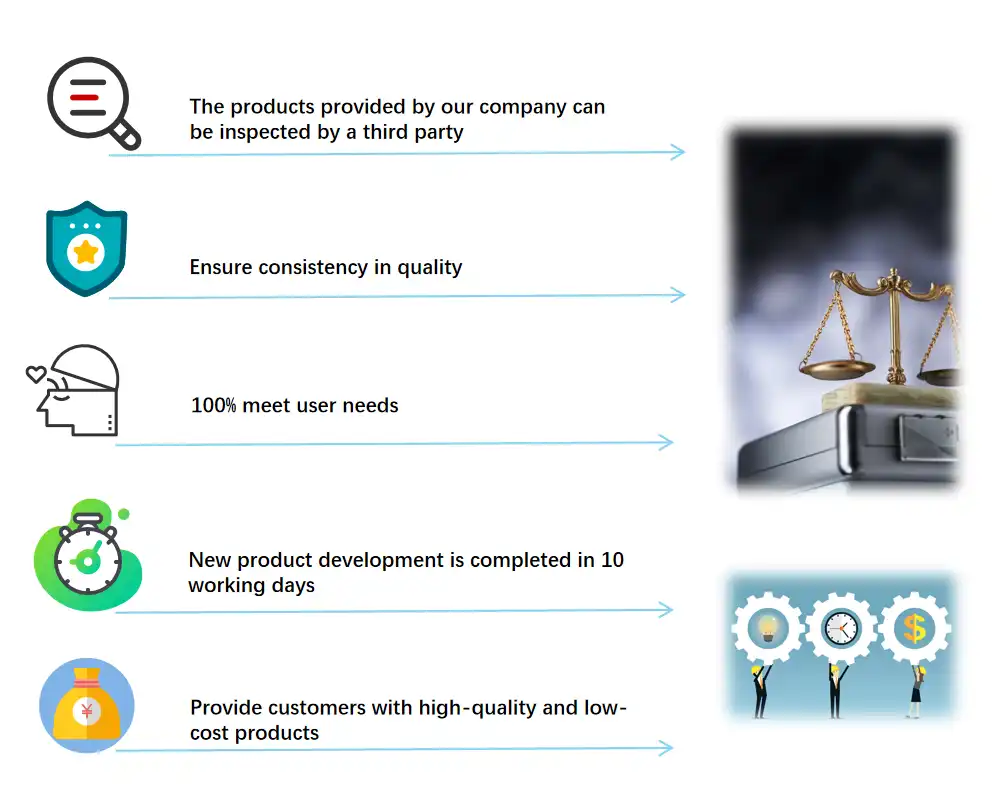
Engineering teams and purchasing managers looking for a dependable company that makes a vacuum multipin feedthrough connector can find all the help they need at Chuangyu. Shaanxi Chuangyu Electronic Technology has been making precision connectors for nearly two decades and also has modern manufacturing skills that help with RF communication, testing semiconductors, and vacuum system needs. Our factory in Xi'an makes custom multipin feedthrough designs that are sealed from glass to metal, are made of Kovar alloy, and have leak rates that meet strict UHV standards. Our engineering team offers expert advice to make sure that your medical devices, aerospace systems, or study tools work at their best, whether you need standard configurations or customizations that are made to fit your unique needs. Get in touch with chuangyuwz01@cymicrowave.com to talk about your vacuum feedthrough needs and find out how our quality control procedures, low prices, and quick technical support can help your supply chain while meeting the strictest requirements.
References
1. O'Hanlon, J.F. (2003). A User's Guide to Vacuum Technology, Third Edition. Wiley-Interscience, Hoboken, NJ.
2. Roth, A. (1990). Vacuum Sealing Techniques. American Institute of Physics, New York.
3. Chambers, A., Fitch, R.K., and Halliday, B.S. (1998). Basic Vacuum Technology, Second Edition. Institute of Physics Publishing, Bristol, UK.
4. Hablanian, M.H. (1997). High-Vacuum Technology: A Practical Guide, Second Edition. Marcel Dekker, New York.
5. Hoffman, D.M., Singh, B., and Thomas, J.H. (1998). Handbook of Vacuum Science and Technology. Academic Press, San Diego.
6. Lafferty, J.M. (1998). Foundations of Vacuum Science and Technology. John Wiley & Sons, New York.