- English
- French
- German
- Portuguese
- Spanish
- Russian
- Japanese
- Korean
- Arabic
- Greek
- German
- Turkish
- Italian
- Danish
- Romanian
- Indonesian
- Czech
- Afrikaans
- Swedish
- Polish
- Basque
- Catalan
- Esperanto
- Hindi
- Lao
- Albanian
- Amharic
- Armenian
- Azerbaijani
- Belarusian
- Bengali
- Bosnian
- Bulgarian
- Cebuano
- Chichewa
- Corsican
- Croatian
- Dutch
- Estonian
- Filipino
- Finnish
- Frisian
- Galician
- Georgian
- Gujarati
- Haitian
- Hausa
- Hawaiian
- Hebrew
- Hmong
- Hungarian
- Icelandic
- Igbo
- Javanese
- Kannada
- Kazakh
- Khmer
- Kurdish
- Kyrgyz
- Latin
- Latvian
- Lithuanian
- Luxembou..
- Macedonian
- Malagasy
- Malay
- Malayalam
- Maltese
- Maori
- Marathi
- Mongolian
- Burmese
- Nepali
- Norwegian
- Pashto
- Persian
- Punjabi
- Serbian
- Sesotho
- Sinhala
- Slovak
- Slovenian
- Somali
- Samoan
- Scots Gaelic
- Shona
- Sindhi
- Sundanese
- Swahili
- Tajik
- Tamil
- Telugu
- Thai
- Ukrainian
- Urdu
- Uzbek
- Vietnamese
- Welsh
- Xhosa
- Yiddish
- Yoruba
- Zulu
A solar photovoltaic panel EL test probe array operates by injecting controlled electrical current into photovoltaic cells through precision probes, triggering electroluminescence emissions that reveal hidden internal defects invisible to conventional inspection methods. These arrays feature multiple gold-plated probes arranged to contact the main grid and fine grid lines simultaneously, enabling comprehensive quality assessment through luminescent imaging that identifies micro-cracks, broken grids, and soldering imperfections across the entire cell surface with exceptional clarity and speed.
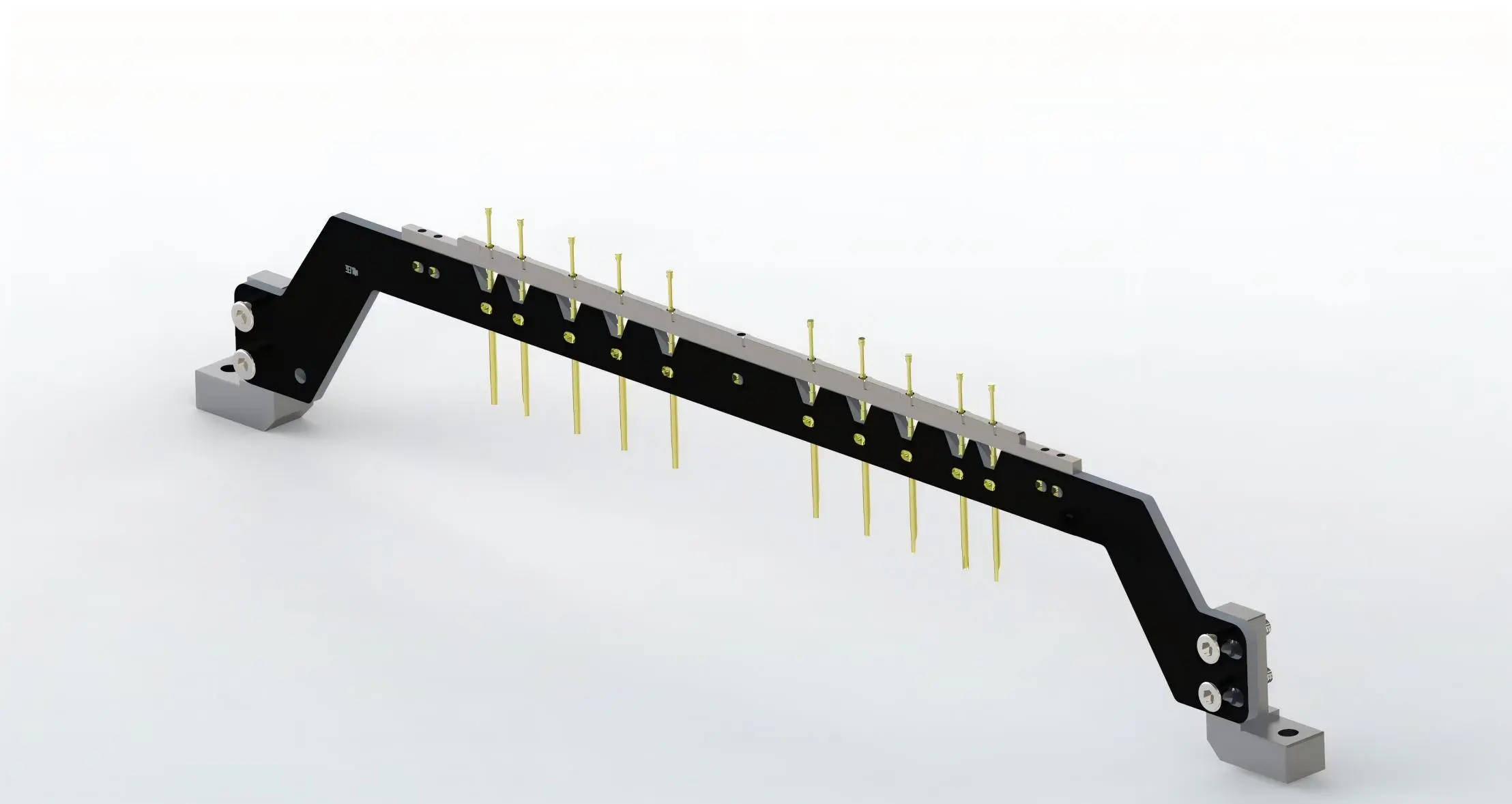
Understanding the Fundamentals of Photovoltaic EL Testing Technology
Solar companies are always looking for reliable ways to keep quality control high so they can keep up production standards. Electroluminescence testing has become a revolutionary method that gives users a unique look into the health of cells before the modules are sent to them.
The Science Behind Electroluminescence Detection
When electricity flows through silicon solar cells, electrons get excited and send out infrared light that can be picked up by certain cameras. We can see electrical activity going on all over the cell structure because of this effect. In captured images, defects show up as dark spots or wavy lines, which gives a diagnostic path that standard eye inspection can't match. The technology finds damage on a microscopic level, finding issues that would otherwise lead to failures in the field months or years after they were installed.
Essential Components of EL Test Systems
A full electroluminescence testing system has a number of important parts that work together. The probe array sends current exactly where it's needed, and in testing rooms that are dark, sensitive infrared cameras record emission patterns. Environmental controls keep things the same, so the findings of the thousands of tests that happen every day can be repeated. Modern systems have automatic positioning systems that line up probes within 0.2 mm of each other. This protects weak cells and makes touch more reliable. Control software plans the whole process, from applying power to analyzing images and classifying defects.
Why Probe Arrays Matter in Production Environments
For mass production to work, it needs to be fast without sacrificing accuracy. Multi-probe configurations solve this problem by scanning whole cells at once instead of one point at a time. This parallel method cuts cycle times by a huge amount and works perfectly with high-volume production lines that process thousands of cells every hour. The arrays can be changed to fit different cell sizes, such as 166mm, 182mm, or 210mm, thanks to modular bracket systems that let you precisely set the probe spacing. This versatility is very helpful for companies that want to switch between different product lines without having to wait a long time for retooling.
Benefits of Using EL Test Probe Arrays in Photovoltaic Inspection
Electroluminescence testing is becoming more and more popular among quality assurance teams because it has real benefits over older checking methods. The technology gets around the problems that come with visual inspection and thermal imaging.
Superior Defect Detection Accuracy
EL testing finds tiny cracks smaller than 50 microns, broken grid fingers that only affect a few cells, and bad solder joints that make it hard for electricity to flow. These small flaws make conversion less efficient and create hotspots that speed up degradation. Manufacturers protect their reputation and avoid expensive warranty claims by finding flaws before they are shipped. The Solar photovoltaic panel EL test probe array makes sure that the current is evenly spread across all test points. This stops the false negatives that can happen when lighting or temperature changes unevenly in other methods.
Enhanced Production Efficiency and Throughput
Quality control can be a bottleneck, but with inline integration, it can be a competitive advantage. Automated systems constantly process cells and decide within seconds whether they pass or fail. This quick feedback lets process changes happen right away when failure rates go up, stopping big batches of bad product. The parallel testing design makes the best use of the tools because each array can check multiple cells per minute while still being very strict. Production planners like that cycle times are predictable because it makes planning schedules and capacity easier.
Long-Term Cost Reduction and ROI
The initial cost of buying equipment pays off in the long run by lowering field failures and raising yields. As fewer defective modules reach customers, warranty costs go down, and as manufacturing efficiency goes up, margins go up directly. When EL image data is analyzed, trends are found that help engineers improve manufacturing parameters in a planned way. Facilities report an ROI of more than 300% over a typical five-year operating period, which includes direct savings, increased productivity, and benefits to their quality reputation.
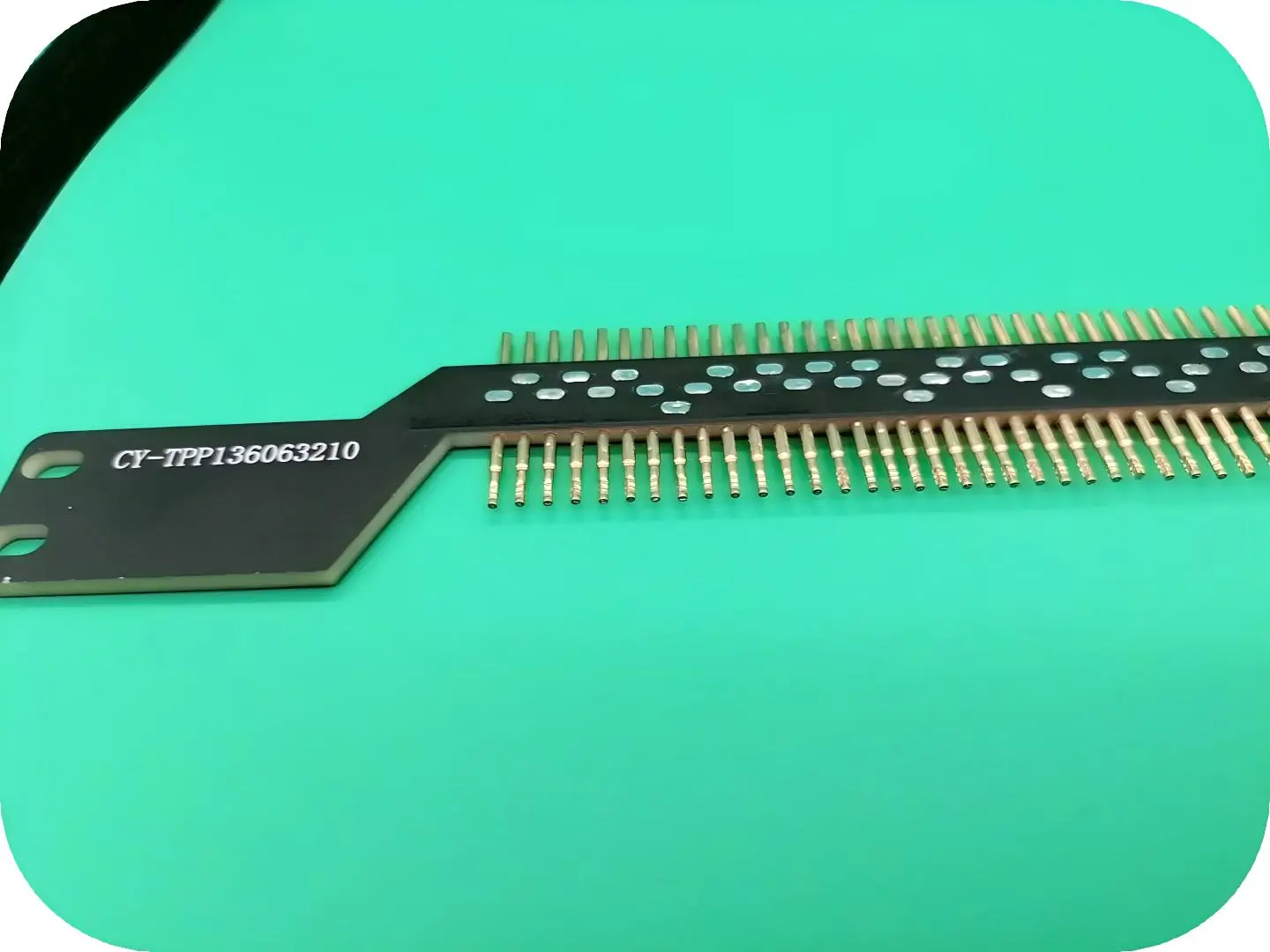
Key Features to Consider When Selecting a Solar EL Test Probe Array
When making a procurement choice, technical specifications must be carefully matched to practical needs. Not every probe array works the same way in all kinds of manufacturing situations.
Precision and Mechanical Adaptability
The Solar photovoltaic panel EL test probe array design needs to be able to accommodate different cell architectures without affecting the alignment accuracy. Modular bracket systems let you change the spacing to fit common formats, and mechanical positioning structures or visual alignment aids keep the important 0.2mm tolerance level. Controlling the probe contact pressure keeps cells from getting damaged, which is especially important for thin-film technologies like HJT, and makes sure that the electrical link is stable. Systems that can handle contact pressures below 200 grams-force per probe are the most gentle and conduct electricity best.
Electrical Performance and Signal Integrity
For signal quality to stay high, low-impedance links between probes and conductive paths are necessary. Gold-plated probe surfaces are very good at conducting electricity and don't rust or wear down easily in settings with a lot of testing. Manufacturers say how long something will last by rating how many times it can be inserted and removed. The best arrays keep working well after more than 10,000 daily operations. This makes things last longer, which lowers the cost of replacement and maintenance, which is an advantage for the total cost of ownership. Signal attenuation has a direct effect on the clarity of an EL picture, so when evaluating vendors, it is important to pay close attention to the probe material choice and connection design.
Durability in Industrial Conditions
Conditions on production lines are very tough, and they work nonstop. Changes in temperature, exposure to dust, and mechanical vibration test equipment's durability. These stresses can be reliably handled by probe arrays made of materials that don't corrode and protective coatings. Gold plating does two things: it improves the electrical qualities of something and protects it from external damage. Strong construction cuts down on downtime, so production goals can still be met even during long campaigns. Check the suppliers' certifications and ask for performance data from similar industrial uses when you're evaluating them.
The EL Test Probe Array Testing Process Step-by-Step
Understanding the operational sequence helps engineers get the most out of their equipment and figure out what's wrong quickly. Each step improves the quality of the data as a whole.
Pre-Test Inspection and Setup Procedures
Before testing starts, workers make sure the probe is still intact by looking for deformation, coating separation, or link looseness. Broken probes need to be replaced right away to avoid getting wrong results or damaging cells. The probe array is carefully aligned to the cell grid lines during installation. Vision tools are often used to help check that the array is in the right place. As part of environmental preparation, the test room is made darker and the temperature is kept within certain ranges. This gets rid of any changes that could affect the patterns of electroluminescence emission.
Current Application and Image Capture
As soon as everything is lined up, the system sends a steady voltage through the probe array to the cell. Current flows through the grid lines, which causes electroluminescence that is related to the electrical activity in the area. During this short time of activation, which usually lasts only seconds, high-sensitivity infrared cameras take pictures of the emission. The Solar photovoltaic panel EL test probe array makes sure that the current flows evenly across many contact points. This creates pictures that are evenly lit and clearly show flaws against the background of normal emission. The right choice of voltage combines the brightness of the picture with the risk of damaging cells that are already damaged.
Image Analysis and Defect Identification
Images are automatically analyzed by matching emission patterns to standards that have already been set. Dark spots show tiny cracks or areas that aren't working, while uneven changes in light show broken grid fingers or bad connections. Modern software uses machine learning algorithms that were taught on thousands of cases of bugs and can correctly classify more than 95% of them. Reviewers who aren't computers check cases that aren't clear, which builds expertise that makes automated system training better over time. This approach is a mix of speed and judgment, so it can find small problems that pure automation might miss.
Troubleshooting Common Testing Challenges
Systematic diagnosis finds the reasons why EL images show dark stripes or spots that don't make sense. Probes that aren't lined up right make patterns that can be told apart from real cell flaws. Probe tips that are worn down make contact less good, which makes the light less bright or uneven. When there is too much contact pressure, compression marks can be seen on later images. Operators use debugging guides that cover these situations to fix problems and then start testing again. Regular calibration checks make sure that the system is working correctly and that measurements can be trusted by all machine workers and production shifts.
Procurement Guide: Selecting the Right EL Test Probe Array Solution
When technical buyers need to find electroluminescence testing tools, they have a lot of choices. Strategic evaluation frameworks make it easier to make choices and keep capabilities and needs from not matching up, which can be expensive.
Assessing Your Specific Testing Requirements
The amount of production determines how much space is needed for equipment. Research labs that test 50 samples a week need different solutions than facilities that process 5,000 cells every day. Cell technology affects probe design; the grid patterns and width profiles of the PERC, TOPCon, and HJT designs are all different. Different tasks need different levels of accuracy when measuring. For example, research and development needs higher resolution than regular production screening. Writing down these factors gives vendors a place to start when they talk about possible systems. This way, you can be sure that the systems being considered will solve real practical problems, not just general requirements.
Comparing Manufacturers and Supplier Credentials
Suppliers that have been around for a while have a track record of reliability and a full support system. Companies that have been in the photovoltaic industry for a long time know more about how to make things than new companies that sell generic test equipment. Credentials like certifications confirm good quality management, and customer references show how quick service is after the sale. Warranty terms protect investments, but equipment that works well doesn't need much maintenance. Training programs help operators become more skilled faster by lowering the learning curve that slows down production integration. The Solar photovoltaic panel EL test probe array from reputable manufacturers comes with instructions, spare parts, and access to technical support—all of which are important for long-term operational success.
Balancing Cost, Quality, and Long-Term Value
The purchase price is only one part of the total costs of owning a home. Over the life of an item, the costs of energy use, regular upkeep, and new parts add up. When spread out over years of reliable service with little downtime, a higher initial investment often ends up being a good deal. When figuring out career costs, procurement teams should include the extra work that comes from faster cycle times and better defect spotting. Having a variety of financing options makes it easier to deal with limited funds without lowering the quality of the equipment. Strategic sourcing strikes a balance between short-term budget needs and long-term goals of operational efficiency and quality assurance.
Conclusion
The Solar photovoltaic panel EL test probe array is an important quality control tool for companies that want to make sure their solar goods are stable. These systems find tiny cracks, broken grids, and soldering flaws that hurt performance and durability by precisely injecting current and using electroluminescence imaging. Strategically choosing equipment that balances accuracy, durability, and operating efficiency helps meet output goals while keeping costs low. As photovoltaic technology moves toward designs with better efficiency, EL testing must also change to keep up. For long-term success, it is important to have relationships with suppliers.
FAQ
What advantages does EL testing offer compared to traditional visual inspection methods?
Electroluminescence testing shows electrical problems inside that can't be seen from the outside. Micro-cracks spreading below the surfaces of cells, broken grid fingers that make it hard to collect current, and bad solder joints that make it hard to connect all show up clearly in EL images but can't be seen. This deep-level knowledge stops failures in the field that hurt companies' reputations and cost them money in warranty costs.
Can probe arrays accommodate different solar cell technologies and sizes?
Modern Solar photovoltaic panel EL test probe arrays have modular designs that can support different cell formats by adjusting the probe spacing. Bracket systems can be quickly changed to fit 166mm, 182mm, and 210mm standards that are popular in production right now. The technology works with PERC, TOPCon, HJT, and new architectures as long as the right voltage parameters and contact pressure adjustments are made to fit the characteristics of each cell.
How often do probe arrays require maintenance and what does it involve?
As part of regular maintenance, photovoltaic-grade solvents and lint-free cloths are used to clean gently and get rid of silver paste residues and oxidation. Before each shift, operators check the probes for deformation or damage to the coating, and they quickly replace any worn parts. Keeping probes in controlled settings free of corrosive gases greatly increases their useful life. Arrays that are well taken care of can withstand thousands of daily test runs in between major service intervals.
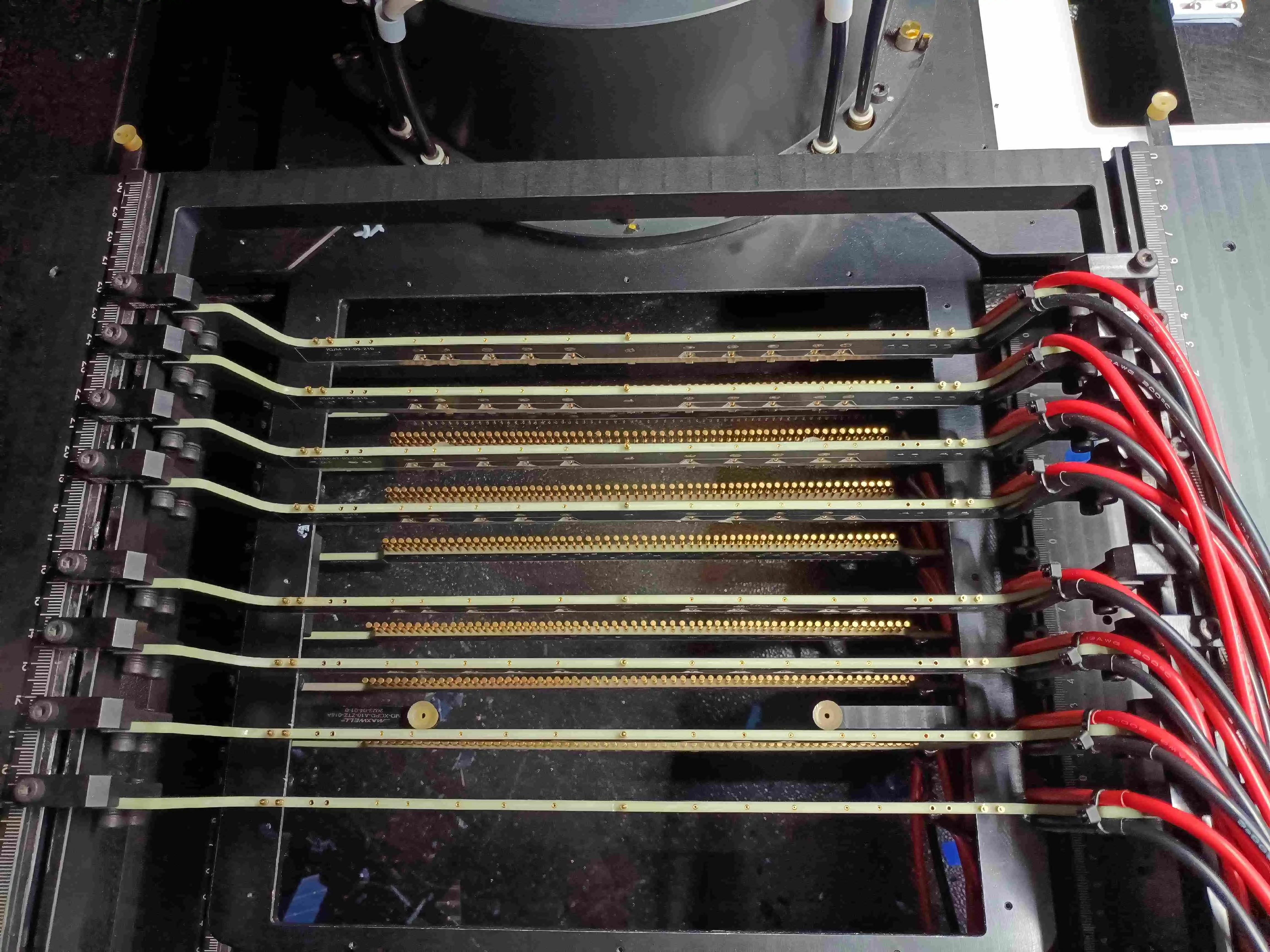
Partner with Chuangyu for Advanced Photovoltaic Testing Solutions
Quality assurance demands precision tools backed by responsive technical support. Chuangyu offers photovoltaic EL test probe arrays that are designed to work in harsh production environments, combining gold-plated multi-probe designs with modular adaptability supporting diverse cell formats. Our low-impedance electrical architecture ensures signal integrity and image clarity, while robust construction maintains stable performance through tens of thousands of testing cycles. As a trusted Solar photovoltaic panel EL test probe array manufacturer, we serve leading photovoltaic enterprises across crystalline silicon production facilities globally. Reach out to our team at chuangyuwz01@cymicrowave.com to discuss customized testing solutions matching your specific production requirements, or visit cymicrowave.com to explore our comprehensive portfolio of precision test probes and RF components.
References
1. Smith, J. (2021). Electroluminescence Imaging in Photovoltaic Manufacturing: Principles and Applications. Solar Energy Press.
2. Zhang, L., & Kumar, R. (2022). "Advanced Defect Detection Methods for Crystalline Silicon Solar Cells." Journal of Photovoltaic Technology, 15(3), 234-251.
3. Anderson, M. (2020). Quality Assurance in Solar Module Production: A Comprehensive Guide. Renewable Energy Publications.
4. Chen, W., et al. (2023). "Multi-Probe Array Design for High-Throughput EL Testing of PERC and TOPCon Cells." International Solar Manufacturing Review, 8(2), 112-128.
5. European Photovoltaic Industry Association (2022). Best Practices for Solar Cell Inspection and Testing Standards. EPIA Technical Report Series.
6. Rodriguez, F., & Tanaka, H. (2021). "Cost-Benefit Analysis of Inline EL Testing in Mass Production Environments." Photovoltaic Economics Quarterly, 12(4), 89-104.