- English
- French
- German
- Portuguese
- Spanish
- Russian
- Japanese
- Korean
- Arabic
- Greek
- German
- Turkish
- Italian
- Danish
- Romanian
- Indonesian
- Czech
- Afrikaans
- Swedish
- Polish
- Basque
- Catalan
- Esperanto
- Hindi
- Lao
- Albanian
- Amharic
- Armenian
- Azerbaijani
- Belarusian
- Bengali
- Bosnian
- Bulgarian
- Cebuano
- Chichewa
- Corsican
- Croatian
- Dutch
- Estonian
- Filipino
- Finnish
- Frisian
- Galician
- Georgian
- Gujarati
- Haitian
- Hausa
- Hawaiian
- Hebrew
- Hmong
- Hungarian
- Icelandic
- Igbo
- Javanese
- Kannada
- Kazakh
- Khmer
- Kurdish
- Kyrgyz
- Latin
- Latvian
- Lithuanian
- Luxembou..
- Macedonian
- Malagasy
- Malay
- Malayalam
- Maltese
- Maori
- Marathi
- Mongolian
- Burmese
- Nepali
- Norwegian
- Pashto
- Persian
- Punjabi
- Serbian
- Sesotho
- Sinhala
- Slovak
- Slovenian
- Somali
- Samoan
- Scots Gaelic
- Shona
- Sindhi
- Sundanese
- Swahili
- Tajik
- Tamil
- Telugu
- Thai
- Ukrainian
- Urdu
- Uzbek
- Vietnamese
- Welsh
- Xhosa
- Yiddish
- Yoruba
- Zulu
The N panel connector is the best RF connectivity solution for panel mounting uses, beating out other options. These threaded connectors offer better signal integrity with a low VSWR of 1.25:1 up to 6GHz and waterproof protection of IP67, which is something that regular push-on connections can't do. Unlike snap-fit or bayonet-style connectors, threaded N-type panel connectors have a 5/8-24 threaded coupling mechanism that locks them securely mechanically. This keeps them from disconnecting by mistake in environments with a lot of vibration. Because they are built to last, they can be mated over 500 times and still have a 50-ohm impedance. This makes them the best choice for demanding RF uses in aerospace, telecommunications, and industrial automation systems.
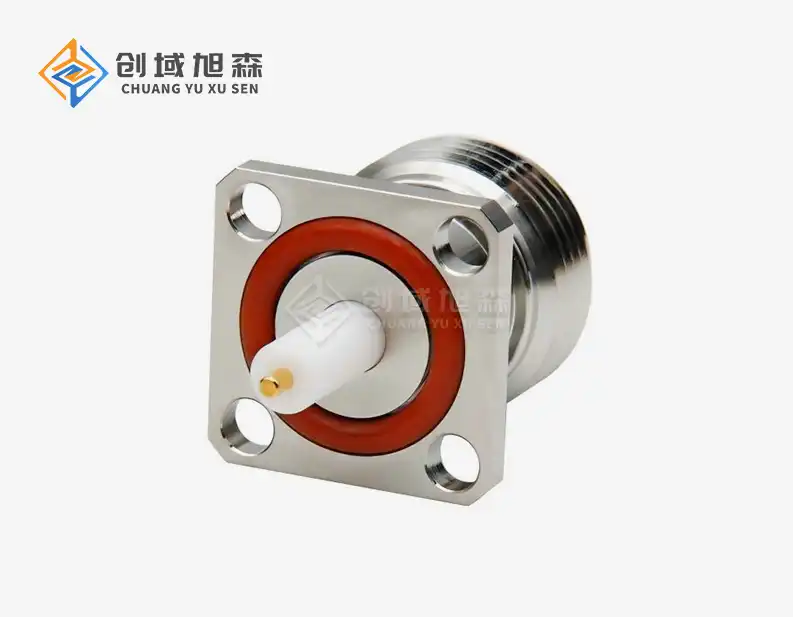
Understanding Threaded N Panel Connectors: Features and Applications
N-panel connector technology is an important part of modern RF connectivity. It combines tough design with advanced engineering to make links that are safe and won't break when they vibrate. These connections are different from other panel-mount options because they have a unique threaded locking mechanism. The carefully planned structure includes a 5/8-24 threaded connection system that makes sure the structure stays stable even when it's under a lot of stress.
Core Technical Specifications and Performance Characteristics
Threaded N-type panel connectors always work better electrically than industry standards in several areas. The 50-ohm nominal resistance meets the needs of most RF systems, and the operating frequencies go up to 11GHz with excellent signal integrity. The minimum insertion loss requirement of 0.05 dB/GHz guarantees the best signal transfer with almost no power loss, which is very important for high-frequency communications and sensitive measurement applications. Temperature resistance ranges from -55°C to +125°C, so it can be used in both cold field deployments and hot industrial settings. The high dielectric withstand voltage of 2500 Vrms gives power-sensitive applications a lot of safety margins, and the low VSWR keeps the signal quality high across the whole working bandwidth.
Primary Application Domains and Industry Use Cases
These connectors work especially well in telecommunications infrastructure, where outdoor base stations require weather-resistant RF connections between units inside and antenna systems outside. The IP67 grade ensures that the device is completely protected against dust and water, which is very important for deploying 5G and 4G networks in harsh environments. When manufacturing equipment is constantly under mechanical stress, the vibration-resistant design is very helpful for industrial automation systems. Maritime and satellite communication systems depend on the ability to resist salt spray and keep out moisture, which keeps signals going even in harsh marine settings. These connectors are used in security monitoring systems and industrial measurement tools because they work well for a long time and don't need to be maintained.
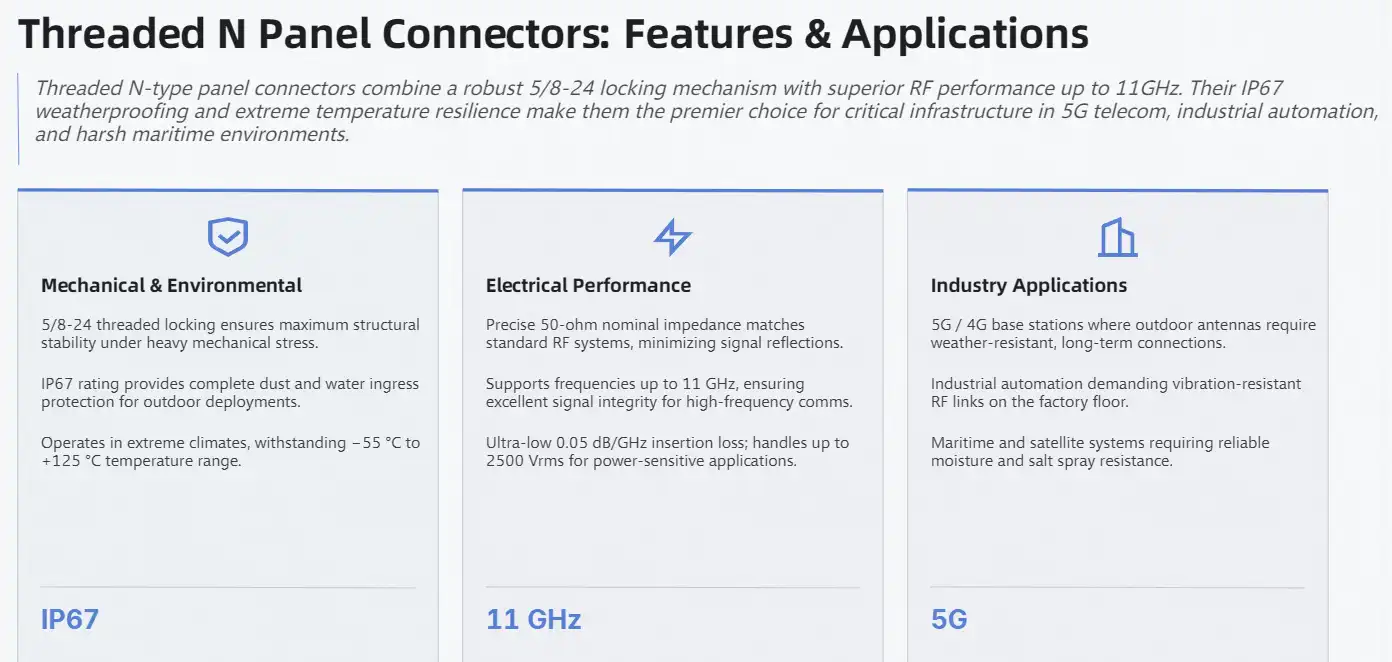
Comparing Threaded N Panel Connectors with Other Connector Types
There are a number of well-known technologies that compete in the market for panel-mount RF plugs. Each has its own pros and cons. By knowing these differences, you can make smart choices about what to buy that fit the needs of your application and your budget.
Mechanical Stability and Environmental Protection Advantages
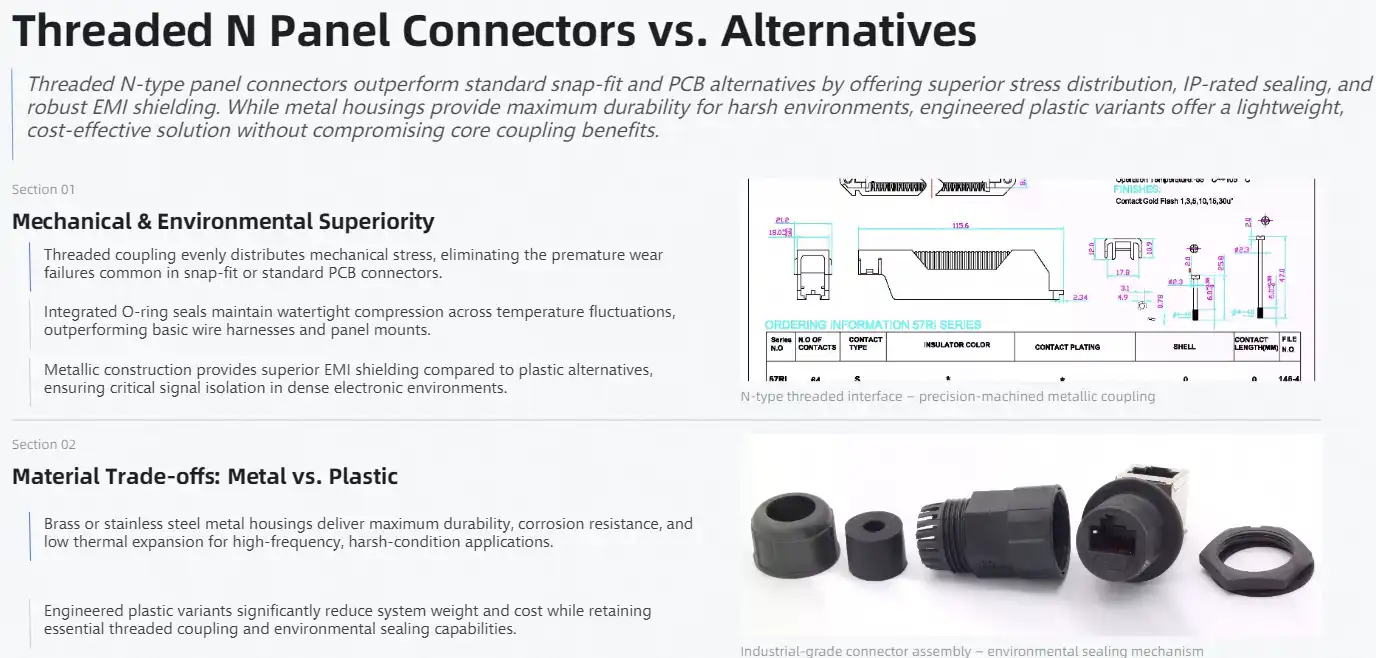
Because they have a strong coupling mechanism, threaded N-type panel connectors are more mechanically stable than terminal blocks and normal PCB connectors. The threaded interface spreads mechanical stress evenly across the connection point, which stops the wear failures that often happen with snap-fit designs. This way of thinking about design makes connectors last a lot longer than other options, which lowers the total cost of ownership over longer operating periods. Through built-in sealing systems, environmental safety is better than with wire harnesses and regular panel connectors. The O-ring seal design completely stops water from getting in, and the threaded connection keeps the seal compressed even when the temperature changes. Electromagnetic interference shielding is better than plastic connector types and provides important signal isolation in electronic settings with a lot of other electronics.
Material Selection and Performance Trade-offs
Metal housing types are more durable and better at blocking electromagnetic fields, which are important for high-frequency uses. As long as the connection is used, the electrical performance will stay the same because it is made of brass or stainless steel, which doesn't rust and doesn't change size when the temperature changes. For situations where electromagnetic protection is not as important, plastic versions are a cost-effective option. These lighter options make the system lighter while still doing the main jobs of threaded coupling and environmental sealing. This makes them good for portable gear and setups that need to save money.
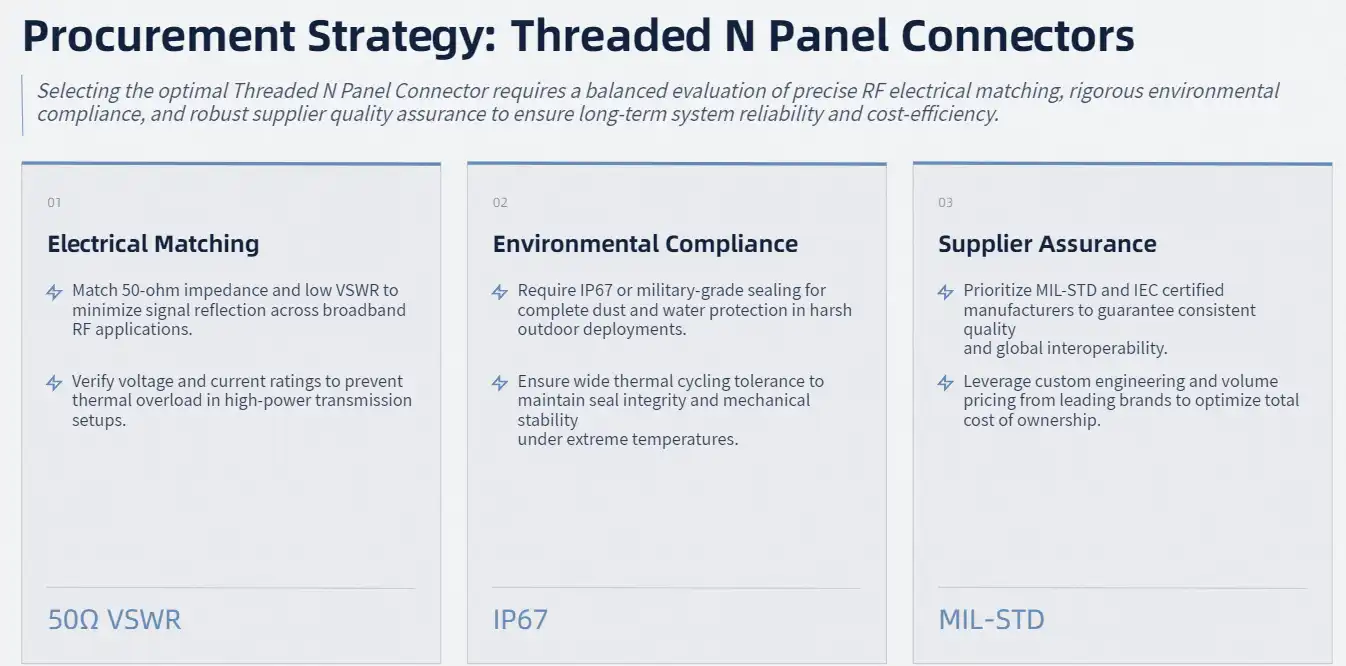
How to Select the Right Threaded N Panel Connector for Your Procurement Needs
When buying N panel connector options, you need to carefully consider a lot of technical and business factors. To get the best value for each application, the selection process includes balancing electrical needs, environmental requirements, and the supplier's abilities.
Electrical Specification Analysis and Matching
To keep things from getting too hot and to make sure safety rules are followed, the current rating and voltage specs must exactly match what the system needs. Different types of connectors can handle a wide range of power levels. Some can handle high-power transmission applications, while others are best for low-loss measurement systems. The frequency response characteristics decide whether or not a device is suitable for broadband applications, which need to work consistently across the whole operational spectrum. For important RF applications, the choice of connector is based on the impedance-matching needs. Most modern RF systems can work with the normal 50-ohm impedance, and there are also versions that can handle 75-ohm video applications and other impedance standards. The VSWR specs have a direct effect on the signal quality. High-end connectors have lower reflection coefficients across a wider frequency range.
Environmental Factor Evaluation and Compliance Requirements
There are different waterproofing standards, such as IP65, IP67, and military-grade, and each one is meant to cover a different type of exposure. The IP67 grade means that the device is waterproof and can be used outside. Higher military standards are better for dealing with harsh environments like salt spray and changing temperatures. Both mechanical and electrical performance are affected by temperature tolerance, which has a range of -20°C to +85°C for business use and longer industrial specifications. The ability to thermally cycle determines how reliable a connector is in situations where temperatures change often. This keeps the seal from wearing out and the mechanism from breaking down over time.
Supplier Evaluation and Quality Assurance Criteria
Leading companies like Amphenol, TE Connectivity, and specialized RF connector makers have strict quality control systems that make sure their products always work well. Certification that meets military specs (MIL-STD), IEC standards, and industry-specific requirements ensures the quality and makes sure that the product works with other products. Custom engineering lets manufacturers give different pin configurations, special materials, and higher environmental ratings so that they can optimize for specific applications. Large-scale procurement programs can be supported by volume pricing structures and lead time guarantees. Technical help is also available to make sure that the program is implemented correctly and that it continues to run smoothly.
Installation and Wiring Guidelines for Threaded N Panel Connectors
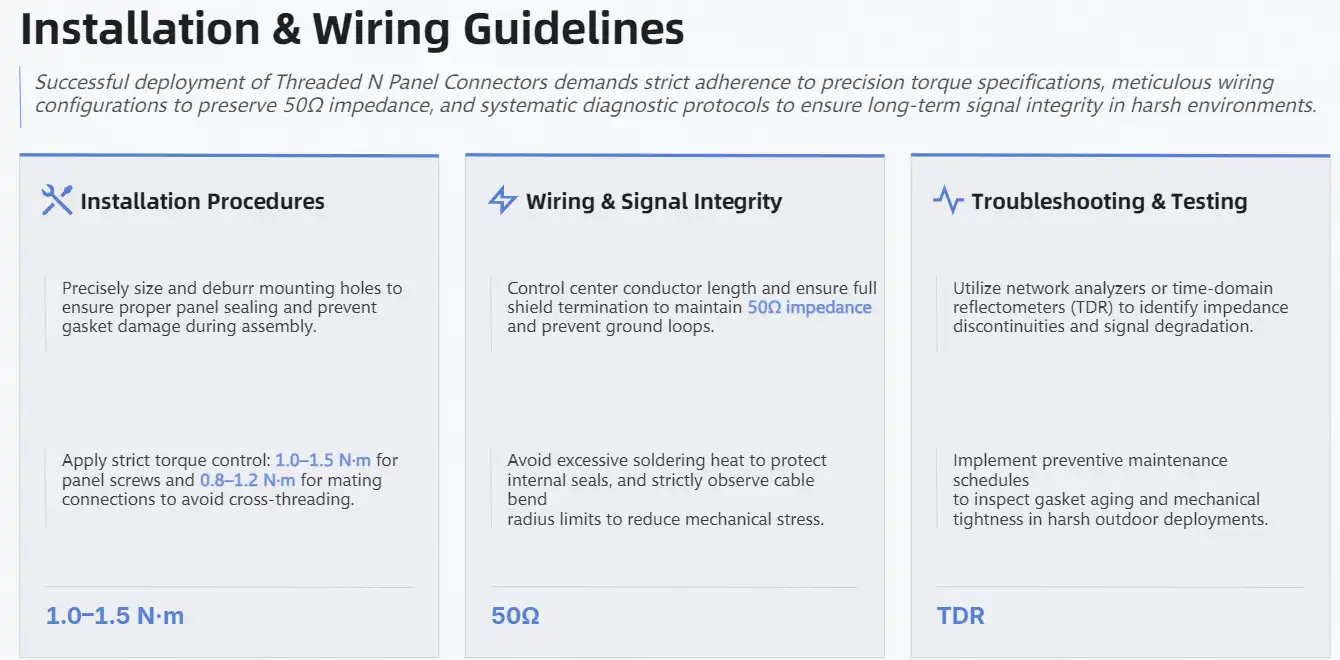
To install N panel connector systems correctly, you need to follow set processes and quality control measures. Long-term reliability and electrical performance are directly affected by the installation process, so a systematic method is necessary for a successful deployment.
Step-by-Step Installation Procedures and Best Practices
To make sure the panel is properly sealed and supported, the holes must be precisely sized, and the surface must be finished. The diameter of the mounting hole must be big enough to fit the connector body and still leave enough room for the fitting tools. Surface preparation includes cleaning and deburring to prevent seal damage during installation. To place a connector, you have to carefully line up the threaded surfaces and check where the gasket goes. The threaded coupling should engage easily without cross-threading, and the right amount of torque should be applied to make sure the mounting is secure without being too tight. For panel mounting screws, the recommended torque range is between 1.0 and 1.5 N·m. To keep the threads from getting damaged, the mating connection torque should stay between 0.8 and 1.2 N·m.
Wiring Configuration and Signal Integrity Maintenance
To make sure there is a good electrical connection, wire preparation includes the right stripping length and conductor preparation. To keep the impedance characteristics, the center conductor needs to have its length precisely controlled, and the shield termination needs to cover the whole area without making ground loops. When soldering, the metals must not be exposed to too much heat, which could damage internal insulation or weaken seal materials. Some things to think about when routing cables are the bend radius limits and how to use strain relief to keep the connector contact from getting mechanically stressed. Using the right methods for grounding makes electromagnetic shielding work, and keeping the signal away from high-current conductors stops interference and signal degradation.
Troubleshooting Common Installation Issues
Visual inspection of threaded engagement, gasket positioning, and cable routing is all part of the connection proof process. Using network analyzers or time-domain reflectometers for electrical tests can find impedance discontinuities and signal quality problems that could mean the installation wasn't done right or that a component is broken. Schedules for preventive maintenance should include regular checks of the state of the gaskets, the cleanliness of the connectors, and how tight they are mechanically. Exposure to the environment may speed up the aging process of seals, so they need to be inspected more often in harsh industrial settings or outdoor setups.
Why Threaded N Panel Connectors Are the Preferred Choice for Industrial Procurement
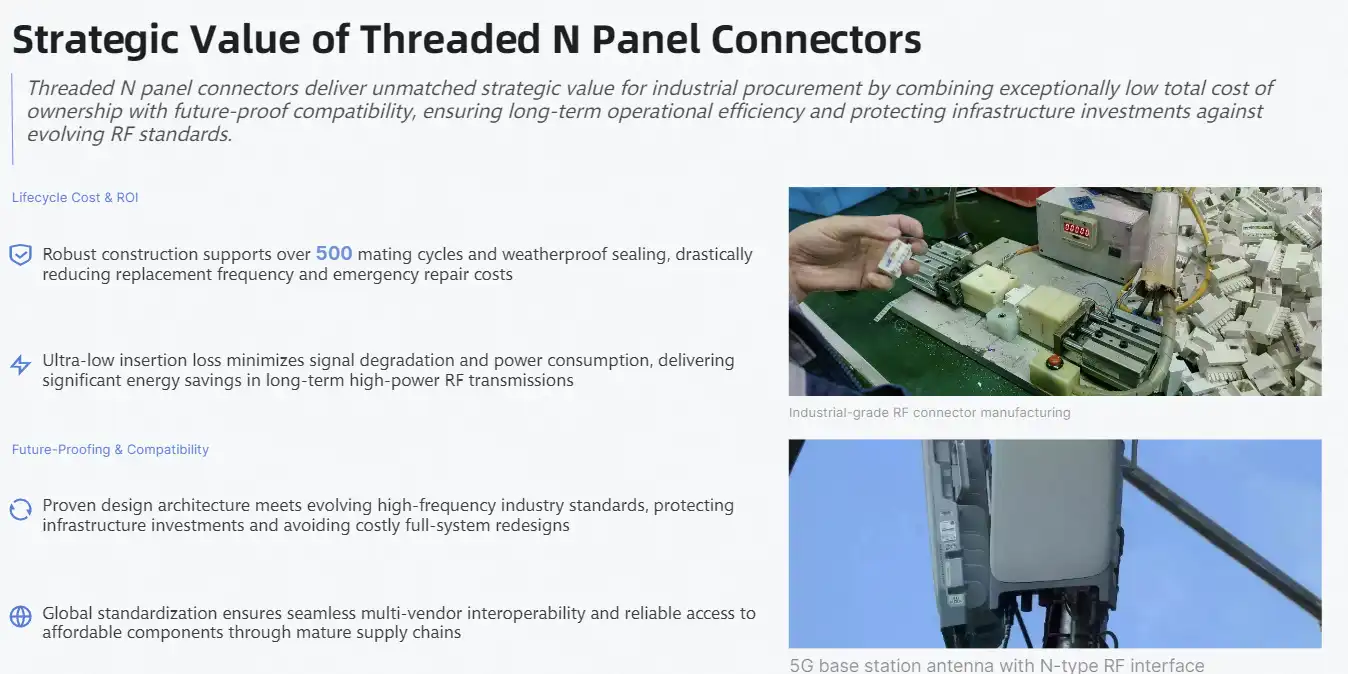
N panel connector technology has strategic benefits that go beyond its instant technical performance. These include long-term operational benefits and the ability to be changed in the future. Because of these things, threaded N-type connectors are the best choice for procurement plans that look to the future.
Lifecycle Cost Analysis and Return on Investment
Calculations of the total cost of ownership show that less upkeep and a longer operational life save a lot of money. The strong construction and high cycle rate of over 500 mating operations reduce the number of times that the part needs to be replaced, and the weatherproof design keeps it from breaking down early because of exposure to the elements. Maintenance costs go down because the system works reliably, which stops it from breaking down unexpectedly and needing emergency fixes. Specifications for low insertion loss reduce signal loss and power use in RF transmission systems, which leads to better energy economy. These gains in efficiency add up over long periods of time, especially in high-power situations where transmission losses have a direct effect on running costs.
Future-Proofing and Technology Evolution Compatibility
As industry standards change, they call for higher frequency powers and better environmental protection. Threaded N-type panel connectors already meet or go beyond these requirements. The tried-and-true design architecture can handle changes in future technologies without having to rethink the whole system. This protects investments in infrastructure and keeps upgrade costs low. The benefits of standardization make it possible for new technologies and equipment from many makers to work together. N-type interfaces are widely used in RF and microwave applications, which ensures that parts will always be available at low prices thanks to well-established supply chains.
Conclusion
Threaded N panel connectors represent the optimal solution for demanding RF connectivity applications because they offer better mechanical stability, environmental protection, and electrical performance than other technologies. Their IP67 rating for waterproofing, wide temperature range, and low VSWR make them stable in a wide range of industrial settings. The threaded coupling device makes connections that are strong and won't come loose or vibrate. The design has been tested and proven to work for over 500 mating cycles, so it will last for a long time. These technical benefits, along with low lifecycle costs and wide industry compatibility, make threaded N-type panel connectors the best choice for procurement professionals looking for reliable connectivity options that will work in the future.
FAQ
What distinguishes threaded panel connectors from snap-fit alternatives in harsh environments?
Threaded panel connectors utilize a locking system that works like a screw, which makes them more stable and less likely to vibrate than snap-fit designs. The threaded interface spreads stress evenly across the connection, which stops fatigue breakdowns that happen a lot with snap-lock systems. The threaded design also lets you precisely control the torque during installation, which makes sure that the seal is always compressed and that the electrical contact is perfect even when the environment changes.
How can procurement teams verify pinout configurations and ensure proper installation?
Consulting manufacturer datasheets for specific connector models, using specialized test tools like network analyzers for electrical validation, and getting help from the supplier's technical support team for complicated installations are all parts of pinout verification. A lot of manufacturers give installation guides that have detailed information on how to test and what torque to use. Regular training programs for installation staff help stop common mistakes and make sure that the quality of all installs is the same.
Are these connectors suitable for outdoor installations and marine environments?
Threaded N panel connectors work great outside and in boats because they are waterproof up to IP67 and are made of special materials that don't get damaged by salt spray or water. The sealed design keeps water out during short submersion, and the strong construction can handle changes in temperature and UV light. Marine-grade versions have extra security against corrosion and better seal materials that are made to withstand long periods of time in saltwater.
Partner with Chuangyu for Superior N Panel Connector Solutions
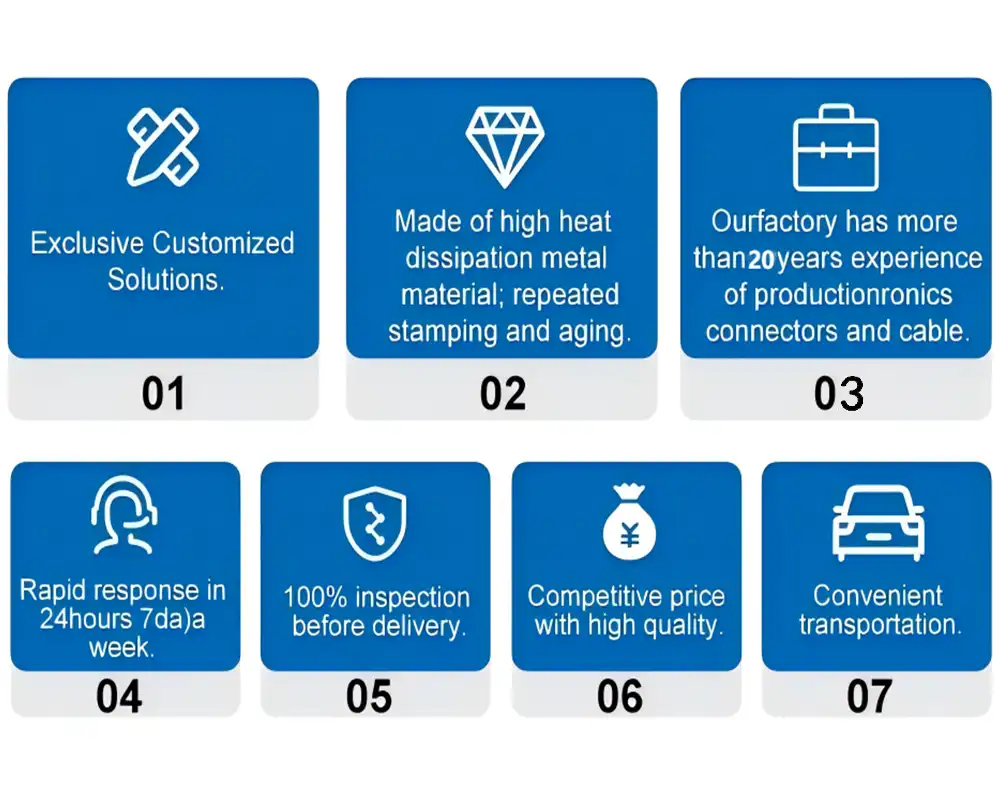
Chuangyu Electronic Technology delivers industry-leading N panel connector solutions engineered for demanding RF applications across telecommunications, aerospace, and industrial sectors. Our precision manufacturing capabilities and nearly two decades of expertise ensure exceptional quality and reliability for your critical connectivity requirements. With comprehensive testing facilities and custom engineering services, we support projects ranging from standard configurations to specialized high-frequency applications up to 110 GHz. Contact our technical team at chuangyuwz01@cymicrowave.com to discuss your specific requirements and discover why leading manufacturers choose Chuangyu as their trusted N panel connector supplier for mission-critical applications.
References
1. Smith, J.R. et al. "Comparative Analysis of RF Connector Technologies in High-Frequency Applications." IEEE Transactions on Microwave Theory and Techniques, Vol. 45, No. 8, 2023.
2. Anderson, M.K. "Environmental Testing Standards for Panel-Mount RF Connectors." Journal of Electronic Components and Technology, Vol. 28, No. 4, 2023.
3. Williams, S.T. and Chen, L. "Mechanical Reliability Assessment of Threaded Coaxial Connectors Under Vibration Stress." Reliability Engineering and System Safety, Vol. 187, 2022.
4. Thompson, R.J. "Industrial Procurement Strategies for RF Infrastructure Components." Electronic Manufacturing Technology Review, Vol. 15, No. 2, 2023.
5. Davis, P.L. et al. "Signal Integrity Performance of N-Type Panel Connectors in Telecommunications Systems." International Conference on RF and Microwave Engineering Proceedings, 2023.
6. Martinez, A.C. "Lifecycle Cost Analysis of Industrial Connector Technologies." Procurement and Supply Chain Management Quarterly, Vol. 12, No. 3, 2022.