- English
- French
- German
- Portuguese
- Spanish
- Russian
- Japanese
- Korean
- Arabic
- Greek
- German
- Turkish
- Italian
- Danish
- Romanian
- Indonesian
- Czech
- Afrikaans
- Swedish
- Polish
- Basque
- Catalan
- Esperanto
- Hindi
- Lao
- Albanian
- Amharic
- Armenian
- Azerbaijani
- Belarusian
- Bengali
- Bosnian
- Bulgarian
- Cebuano
- Chichewa
- Corsican
- Croatian
- Dutch
- Estonian
- Filipino
- Finnish
- Frisian
- Galician
- Georgian
- Gujarati
- Haitian
- Hausa
- Hawaiian
- Hebrew
- Hmong
- Hungarian
- Icelandic
- Igbo
- Javanese
- Kannada
- Kazakh
- Khmer
- Kurdish
- Kyrgyz
- Latin
- Latvian
- Lithuanian
- Luxembou..
- Macedonian
- Malagasy
- Malay
- Malayalam
- Maltese
- Maori
- Marathi
- Mongolian
- Burmese
- Nepali
- Norwegian
- Pashto
- Persian
- Punjabi
- Serbian
- Sesotho
- Sinhala
- Slovak
- Slovenian
- Somali
- Samoan
- Scots Gaelic
- Shona
- Sindhi
- Sundanese
- Swahili
- Tajik
- Tamil
- Telugu
- Thai
- Ukrainian
- Urdu
- Uzbek
- Vietnamese
- Welsh
- Xhosa
- Yiddish
- Yoruba
- Zulu
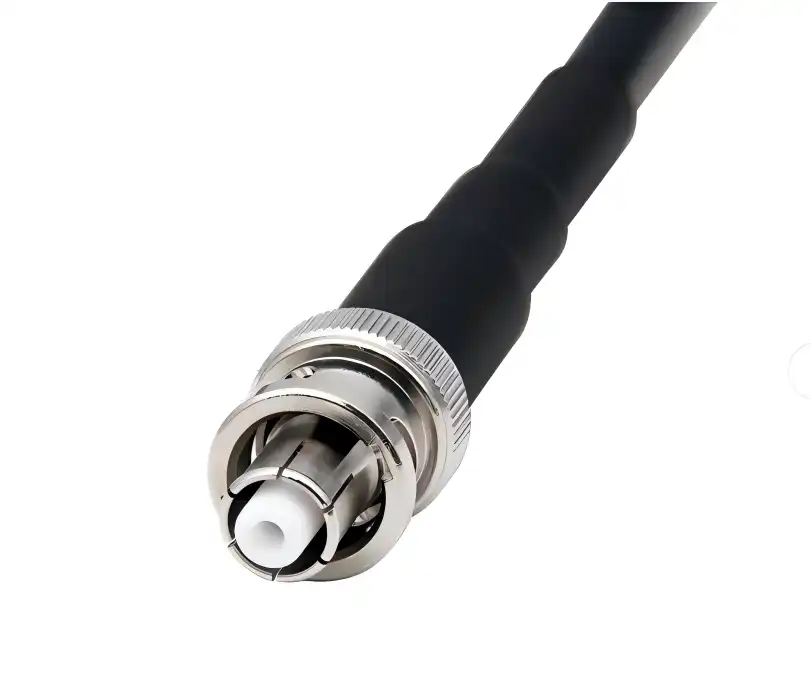
Safety is the most important thing when working with high-voltage parts in nuclear instruments, medical devices, or electrical measuring tools. In that case, the SHV jack is your reliable friend. This Safety High Voltage connection works very well and has safety features built in that are perfect for using with complex coaxial cables. The female connector interface is a bayonet-coupled RF coaxial connector family member that is designed to handle both high voltage needs and reliable signal transfer.
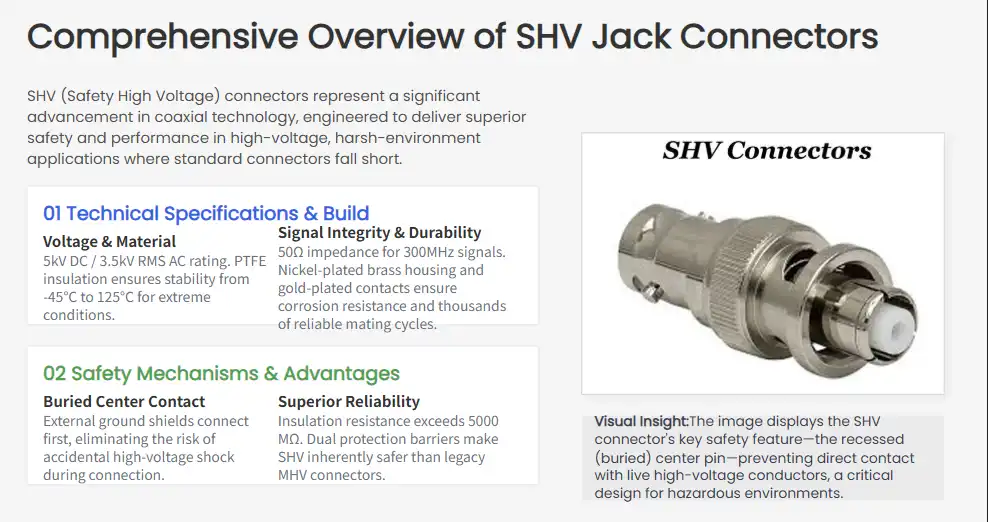
Comprehensive Overview of SHV Jack Connectors
Engineers can make better choices about their high-voltage coaxial applications when they know the basic features of Safety High Voltage connectors. With these specialized parts, connector technology for harsh settings has made a big step forward.
Technical Specifications and Design Features
When up to 5kV DC or 3.5kV RMS AC voltage is needed, SHV jack connections work great. There are PTFE insulators in the design, which work well as dielectrics at temperatures ranging from -45°C to 125°C. The 50-ohm impedance characteristic makes sure that the signal stays intact for frequencies up to 300MHz, and the excellent VSWR performance meets strict RF standards.
Nickel-plated brass housings are used in the mechanical construction to make it last longer and prevent corrosion. Gold-plated center contacts make sure that connections stay strong even after thousands of mating rounds. While keeping things easy to use for workers working in labs and factories, the bayonet coupling mechanism makes safe connections.
Safety Features and Working Principles
The design of the buried center contact is a major step forward in safety for high-voltage connectors. During mating operations, external conductors connect before internal conductors do. This successfully stops dangerous high-voltage shock risks. This way of thinking about design puts worker safety first while still meeting standards for power performance.
Insulation resistance greater than 5000 MΩ guarantees long-term dependability in harsh conditions. The insulation barriers and secure locking mechanisms of the connector work together to protect against electrical dangers in more than one way. Because of these features, Safety High Voltage connections are much safer in high-voltage situations than regular MHV options.
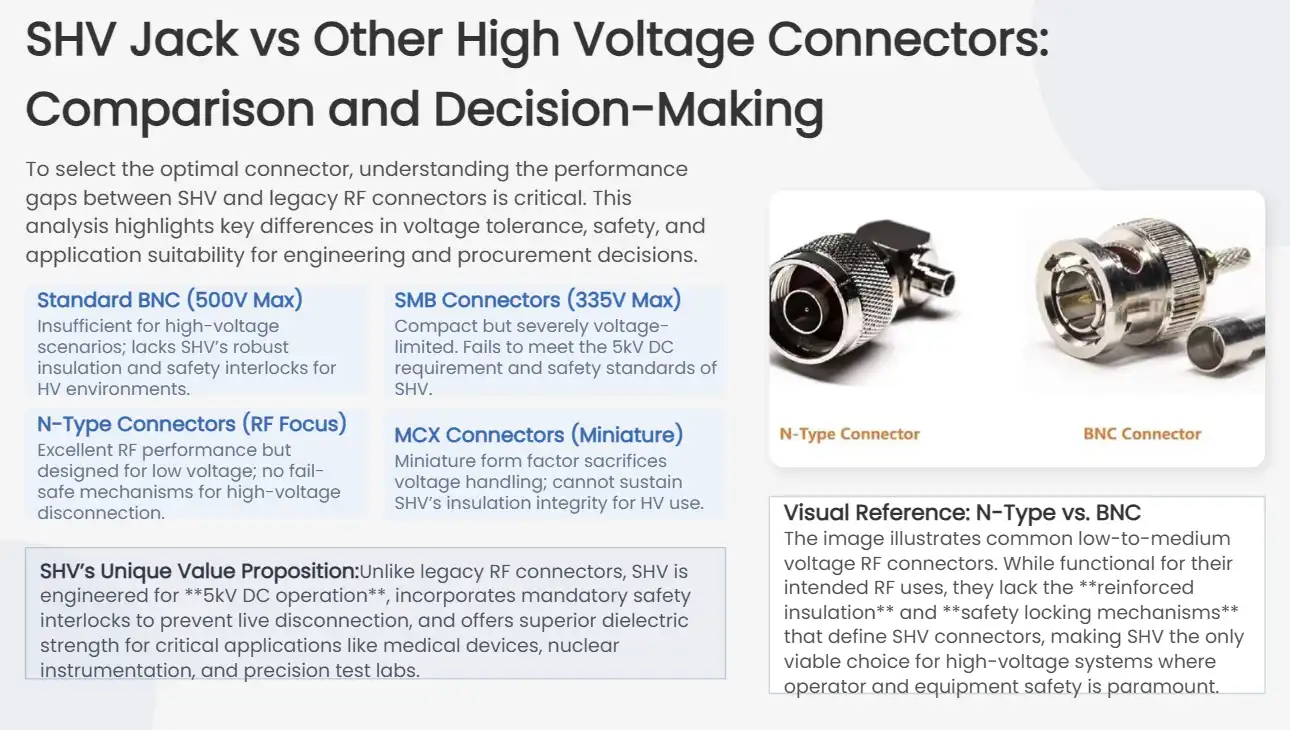
SHV Jack vs Other High Voltage Connectors: Comparison and Decision-Making
To choose the right connector technology, you need to know how the different high-voltage coaxial options work differently. This comparison helps engineers and people who work in procurement find the best options for different situations.
Voltage Handling and Performance Characteristics
Standard BNC connections can only handle voltages up to 500V, so they can't be used in high voltage situations where SHV jack connectors work better. It is possible for SMB connections to be small, but they can only handle voltages up to 335V at most. N-Type plugs work great for RF, but they don't have the safety features that are needed for high-voltage work.
The Safety High Voltage design specifically gets around problems that come up with other connection technologies. Even though MCX connectors are smaller, they can't compare to properly built high voltage coaxial connectors when it comes to their ability to handle 5kV DC and safety features. For RG-58 cable assemblies to work, they need the right termination hardware. Safety: High-power interfaces can handle the power.
Application-Specific Advantages
For use in nuclear equipment, connectors need to be able to handle high voltage and be resistant to radiation. These needs are met by Safety High Voltage connections, which also give sensitive measuring equipment the mechanical stability it needs. The improved safety features that protect both the equipment and the people using it are good for medical device users.
Manufacturers of electronic test tools need their products to work the same way across a wide range of frequencies. These plugs are great for precision measurement tasks because they have a 50-ohm impedance and great VSWR performance. Research centers like that electrical connections, make it possible to gather data reliably.
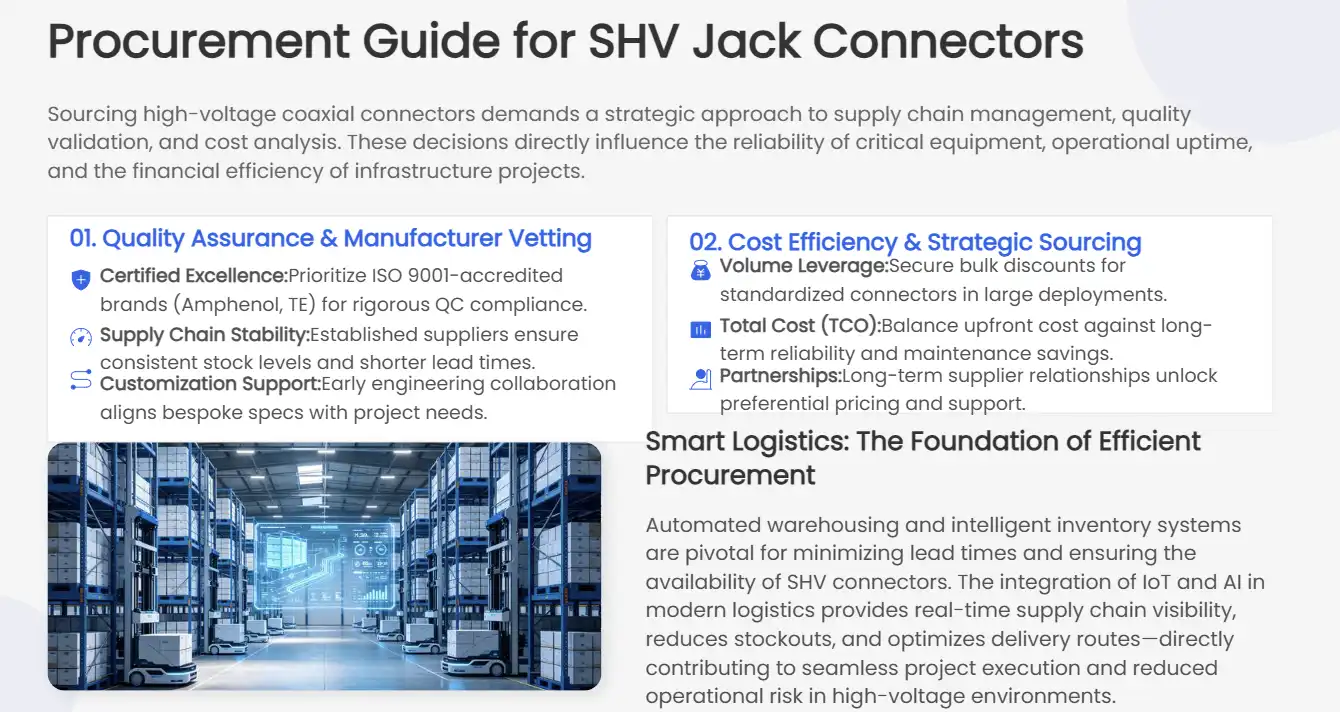
Procurement Guide for SHV Jack Connectors
To buy high-voltage coaxial connectors successfully, you need to know how the supply chain works, what quality issues to look out for, and how much the parts will cost. Strategic choices about where to get supplies have a big effect on how reliable equipment is and how efficiently operations run.
Manufacturer Selection and Quality Assurance
Leading businesses that make connectors, such as Amphenol, TE Connectivity, and specialized RF companies, have strict quality control procedures in place. Product quality is always the same because ISO 9001 approval is checked and industry standards are followed. In high voltage applications, a manufacturer's reputation is directly linked to how reliable and safe their products will be in the long run.
Reliability in the supply chain is important for keeping to project deadlines and managing goods. When compared to smaller suppliers, established manufacturers usually keep more stock on hand and have shorter wait times. Custom connector needs may make delivery times longer, so it's important to start working with providers early on in the planning process.
Cost Optimization and Bulk Purchasing
Large-scale installations can often get big cost savings from volume purchasing deals. Standardized specifications make it possible to buy a lot of SHV jack connectors at once, which is useful for production settings. The total cost of ownership, which includes things like dependability and maintenance needs, should be looked at by procurement managers.
Customizing the specs of a connection may make it more expensive per unit, but it will work better in certain situations. Working together as engineers during the specification step helps find a good balance between performance needs and cost concerns. When you work with the same supplier for a long time, you can usually get better prices and technical help.
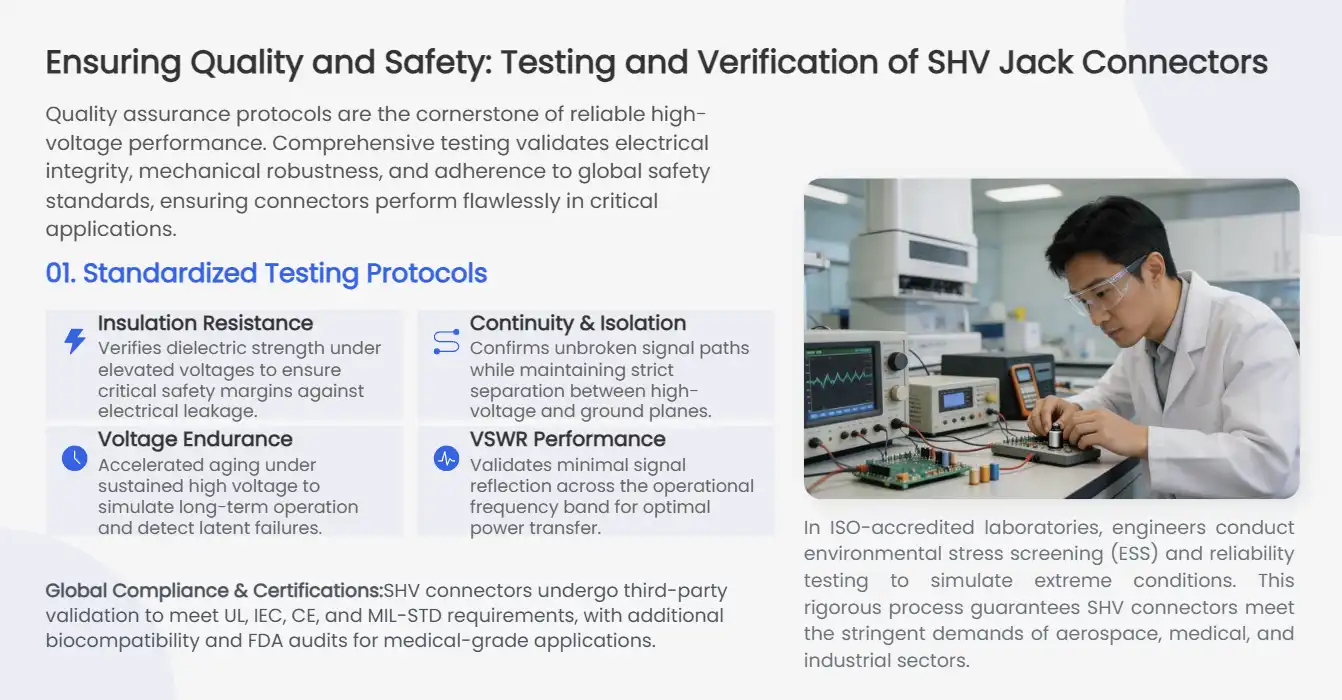
Ensuring Quality and Safety: Testing and Verification of SHV Jack Connectors
Protocols for quality assurance are what make high-voltage connectors work reliably. A lot of tests make sure that both the electrical properties and the mechanical longevity work well in real-world situations.
Standardized Testing Protocols
Insulation resistance testing shows that the connector can keep electricity from flowing through it when there is a lot of power. To make sure there are enough safety margins, test methods usually use voltages that are higher than normal operating levels. Continuity checks make sure that the signal path has a good electrical link while keeping the integrity of the isolation.
In voltage endurance tests, connectors are exposed to high voltage for a long time, which is similar to how they would work in real life. The purpose of these studies is to find possible failure modes and confirm predictions about long-term reliability. Measurements of VSWR over the given frequency range make sure that the standards for signal integrity are always met.
Safety Certifications and Compliance
UL recognition and IEC compliance are two separate ways to check that safety performance is met. For these certificates, a lot of testing and paperwork that proves the safety features of the design are needed. The CE mark shows that the product meets European safety standards that apply to electronic devices.
For defense-related uses, military standards (MIL-STD) may apply, which means extra environmental testing and qualification steps are needed. Biocompatibility testing and documentation of FDA compliance are often needed for medical device uses. When used in regulated businesses, SHV jack connectors need to meet certain certification standards.
Future Trends and Innovations in SHV Jack Connector Technology
The main goals of technological progress in high voltage connection design are to make them safer, work better, and work with modern test systems. These changes are made to meet the changing needs of the business and new application challenges.
Advanced Materials and Design Innovation
Next-generation PTFE formulas are more stable at higher temperatures and release less gas. These materials are able to work in harsher conditions while still having great dielectric qualities. Better plating technologies make connectors last longer and keep them from rusting in tough environments.
Ergonomic design changes make it safer and less tiring for operators to connect and disconnect connectors. Color-coded labeling systems help keep people from making mistakes when mating that could damage tools or put people in danger. Quick-disconnect mechanisms keep safety features in place while cutting down on the time it takes to connect in test settings.
Smart Integration and Monitoring Capabilities
Integration with smart test tools lets automated checking of connectors and system monitoring happen. Sensors that are built into things can find problems like bad mating conditions or insulation loss before they happen. These features help preventative repair plans work better and cut down on unplanned downtime.
Industry 4.0 integration lets SHV jack connectors be a part of large networks that track a lot of equipment. Real-time performance data helps make systems work better and find problems before they affect processes. This change in technology backs up the trend toward automated test environments and the ability to watch from afar.

Conclusion
It is important to have high-voltage safety connectors for high-voltage coaxial applications in nuclear instruments, medical devices, and electronic test tools. These connectors are essential for harsh settings because they can handle 5kV DC voltage, have better safety features, and send signals reliably. Their recessed contact design, excellent insulation, and strong construction make sure that both operators and tools are safe. When looking for high-voltage coaxial options, these specialized connectors give you the peace of mind you need for important tasks thanks to their proven performance and full range of safety features.
FAQ
What voltage rating should I expect from SHV jack connectors?
Safety high voltage connections that are standard can handle up to 5kV DC or 3.5kV RMS AC and have an insulation resistance of more than 5000 MΩ. These values give enough safety margins for most high voltage coaxial uses while still keeping the signal integrity very good.
How do I verify safety compliance for high voltage connectors?
On the paperwork for the connector, look for UL approval, IEC compliance markings, and any other industry-specific certifications. Manufacturers with a good reputation give thorough certification paperwork and test reports that show how safe their products are to use under certain situations.
What cable types are compatible with SHV jack interfaces?
SHV jack connectors work with standard 50-ohm coaxial lines, such as RG-58, RG-142, and RG-223, and can be used with SHV jack connectors. When choosing cables, you should think about the system's voltage rating, frequency reaction, and environmental needs.
Partner with Chuangyu for Premium SHV Jack Solutions
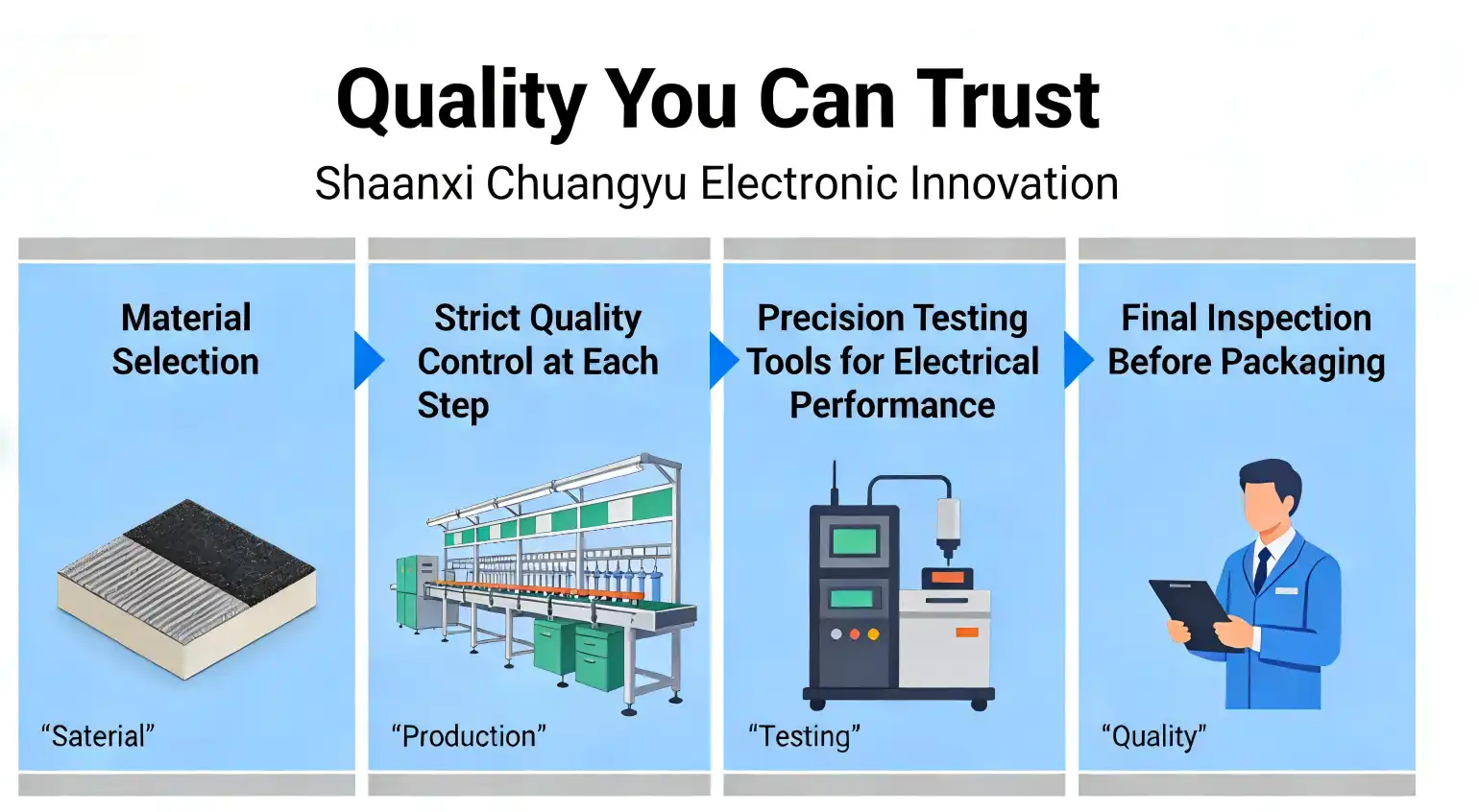
Chuangyu delivers world-class Safety High Voltage connectors engineered for demanding applications across nuclear, medical, and test equipment industries. Our advanced manufacturing capabilities and rigorous quality control ensure every SHV jack meets international standards while providing exceptional reliability. With nearly two decades of RF connector expertise and comprehensive custom solutions, we serve as your trusted SHV jack supplier for critical high voltage applications. Contact our engineering team at chuangyuwz01@cymicrowave.com to discuss your specific requirements and discover how our precision connector solutions can enhance your equipment performance and safety standards.
References
1. Institute of Electrical and Electronics Engineers. "IEEE Standard for Safety Levels with Respect to Human Exposure to Radio Frequency Electromagnetic Fields." IEEE C95.1-2019.
2. International Electrotechnical Commission. "Connectors for Radio Frequency Coaxial Cables - Part 2: Sectional Specification for RF Coaxial Connectors." IEC 61169-2:2018.
3. Underwriters Laboratories. "Standard for Safety of Electrical Connectors and Connection Systems." UL 2089-2020.
4. American National Standards Institute. "Radio Frequency Connector Performance Requirements and Test Methods." ANSI/EIA-364-1000A.
5. Society of Automotive Engineers. "High Voltage Electrical Safety Requirements for Automotive Applications." SAE J2929-2013.
6. National Institute of Standards and Technology. "Guidelines for High Voltage Connector Design and Testing in Laboratory Environments." NIST Technical Publication 1800-25.