- English
- French
- German
- Portuguese
- Spanish
- Russian
- Japanese
- Korean
- Arabic
- Greek
- German
- Turkish
- Italian
- Danish
- Romanian
- Indonesian
- Czech
- Afrikaans
- Swedish
- Polish
- Basque
- Catalan
- Esperanto
- Hindi
- Lao
- Albanian
- Amharic
- Armenian
- Azerbaijani
- Belarusian
- Bengali
- Bosnian
- Bulgarian
- Cebuano
- Chichewa
- Corsican
- Croatian
- Dutch
- Estonian
- Filipino
- Finnish
- Frisian
- Galician
- Georgian
- Gujarati
- Haitian
- Hausa
- Hawaiian
- Hebrew
- Hmong
- Hungarian
- Icelandic
- Igbo
- Javanese
- Kannada
- Kazakh
- Khmer
- Kurdish
- Kyrgyz
- Latin
- Latvian
- Lithuanian
- Luxembou..
- Macedonian
- Malagasy
- Malay
- Malayalam
- Maltese
- Maori
- Marathi
- Mongolian
- Burmese
- Nepali
- Norwegian
- Pashto
- Persian
- Punjabi
- Serbian
- Sesotho
- Sinhala
- Slovak
- Slovenian
- Somali
- Samoan
- Scots Gaelic
- Shona
- Sindhi
- Sundanese
- Swahili
- Tajik
- Tamil
- Telugu
- Thai
- Ukrainian
- Urdu
- Uzbek
- Vietnamese
- Welsh
- Xhosa
- Yiddish
- Yoruba
- Zulu
When you need precision testing capabilities for high-current applications, the integrated contact probe delivers exceptional performance that modular solutions simply cannot match. Unlike traditional modular probe systems that rely on multiple components and connection points, integrated designs feature front-to-back needle head integration that eliminates weak joints and reduces contact resistance. This unified architecture provides superior current handling capabilities while maintaining measurement accuracy throughout demanding test cycles. For engineers and procurement professionals evaluating testing equipment, understanding these fundamental differences proves essential to making informed investment decisions that impact production efficiency and long-term operational costs.
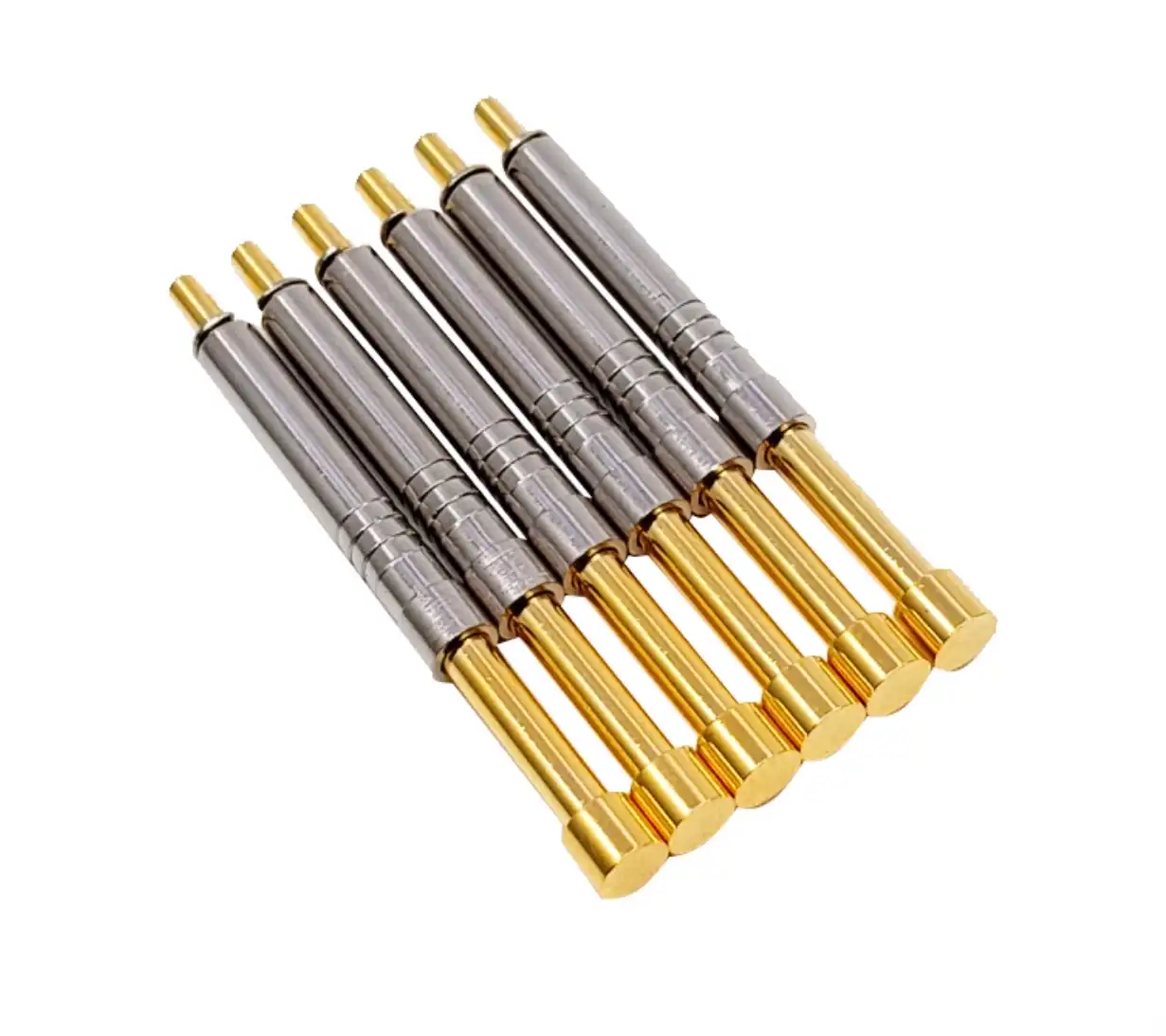
Limitations of Traditional Modular Solutions and the Need for Integration
Precision Inconsistencies in Critical Applications
In tough test situations, modular probe solutions have trouble making measurements that are the same every time. As contact surfaces oxidize or get dirty, each mechanical link in a modular system adds a different amount of resistance. Manufacturers of semiconductors have reported that modular probe systems have contact resistance changes of more than 15% between normal production runs. Because of this inconsistency, engineers have to use bigger tolerance bands, which could mean that defective goods get through inspection or working units are thrown away for no reason. When testing with a lot of current, these issues get worse because measurements of voltage drop aren't accurate when contact resistance changes, which makes it impossible to accurately describe how well a power device works. When making very precise products, where every basis point counts financially, the cumulative effect on yield metrics can reach 2 to 5 percent.
Maintenance Demands and Production Downtime
Traditional modular probes need a lot of maintenance steps that get in the way of production schedules. Different spring-loaded pins wear out at different rates, so different parts need to be replaced more often. Purchasing teams need to keep a lot of extra parts on hand, including different types of probe tips, barrel sections, and connection hardware. Technicians spend a lot of time trying to figure out which section in a system with many parts has failed. Industry studies show that maintaining modular probes takes three to four hours per testing station every month. This means that a lot of time is wasted and money is lost on labor. Each maintenance task increases the chance of putting things back together incorrectly, which could affect the accuracy of measurements and calibration until the next verification cycle.
Market Trends Driving Integration Adoption
More and more, the semiconductor and power electronics businesses need testing systems that can handle more work at once without losing accuracy. As cars become more electric, the need for more high-current device testing has grown. For example, charging infrastructure and the production of inverters need to be able to reliably characterize parts that can handle 100A or more. Medical device makers have to follow strict rules that require traceability and repeatability, which is hard for modular systems to record consistently. Because of these pressures in the market, companies that make testing equipment and people who use it are moving toward Integrated contact probes that cut down on variables and provide predictable performance. Based on new sourcing data, Integrated contact probes are now the best way to add new testing capacity in the production of photovoltaics, industrial automation, and RF communication equipment.
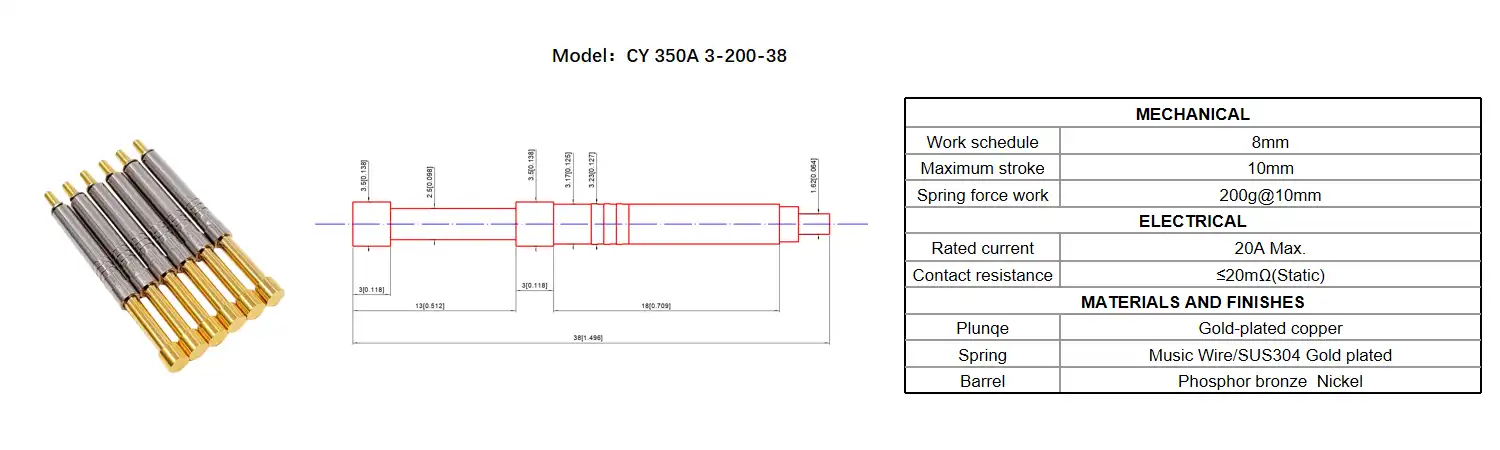
Advantages of Integrated Contact Probes Over Modular Solutions
Enhanced Measurement Accuracy Through Advanced Design
The Integrated contact probe architecture greatly enhances electrical performance by lowering the number of signal path interruptions that happen in modular systems. Beryllium copper is a very good conductor, and when paired with carefully designed contact geometry, it keeps its electrical properties fixed even when mechanical loads change. Comparative testing shows that Integrated contact probes consistently have contact resistance below 5 milliohms, while similar modular assemblies have resistances that range from 8 to 15 milliohms, with big differences between them. This difference is very important when testing low-voltage devices because accuracy down to the milliohm level decides whether the device passes or fails. The built-in needle head design keeps the contact pressure constant automatically, so you don't have to change it by hand like you do with modular cantilever systems. Engineers who use these probes say that measurement errors are 40–50% lower than they were with older modular installations. Because Integrated contact probe designs can work in a wide range of temperatures, this accuracy advantage can be used in more situations. When parts are made with matched thermal expansion coefficients, their electrical properties stay the same even when the temperature changes. Gold-plated contacts don't oxidize, which happens when modular probes are stored for a long time or in humid places. Because of these features, the regularity of calibration is lower, and there are longer gaps between verification processes. This lowers running costs while keeping measurement trust.
Durability and Reduced Downtime
An integrated building has a direct effect on the total cost of ownership because it provides excellent mechanical longevity. The combined structure of the barrel and probe head gets rid of the wear points where modular parts come apart or become loose. Quality Integrated contact probes can survive 500,000 mechanical cycles and still keep their electrical specifications within ±3% of their original values, according to the testing methods. Most modular alternatives need to have parts replaced every 100,000 to 200,000 cycles because the springs wear out and the connection points break down.This reliability means that unexpected downtime happens a lot less often. When compared to modular systems, production facilities that use Integrated contact probes report 60–70% fewer interruptions in tests caused by probes. When maintenance is needed, the steps are still simple: cleaning the contact surfaces regularly and checking the accuracy on a regular basis should be enough. Integrated contact probes only need a few complete assemblies as backup stock, which makes managing spare parts easier for procurement managers. Because the lifecycle is predictable, it is possible to plan maintenance so that it happens during planned production breaks instead of having to be done in an emergency.
Procurement and Lifecycle Cost Advantages
Premium Integrated contact probes may have higher starting unit costs than basic modular options, but total cost analysis always favors integrated solutions. The longer operating life means that replacements are needed less often, which cuts long-term capital costs by a large amount. Facilities say that technicians spend 50–60% less time on probe-related jobs after switching to Integrated contact probe designs, which saves a lot of time and money on maintenance. Less downtime has the biggest effect on the bottom line, because every hour of uninterrupted production brings in money that can't be replaced by lost capacity.This economic case is strengthened by war surplus and source dependability. Integrated contact probe makers with a good reputation usually back their products with warranties that cover 200,000 to 300,000 rounds, or 12 to 18 months of use. This coverage protects the manufacturer's finances in case the product fails too soon and shows their dedication to quality. Established suppliers make sure that product specifications stay the same across production batches. This lets standard testing procedures work, which isn't possible with modular systems because each component can be different.
How to Choose the Right Integrated Contact Probe for Your Application
Application-Specific Selection Criteria
Before you can choose the right tool technology, you need to be clear on what tests you need to run. Characterizing semiconductors needs different rules than checking PCBs or inspecting solar cells. The most important technical factor is current capacity. Probes that are rated for sustained high-current operation are needed to test power devices, charging systems, or inverters. We make Integrated contact probes that can handle up to 100A continuously and up to 120% of their rated values for short periods of time. For uses with weaker signals, other factors, such as probe tip shape or signal frequency response, may be more important. Acceptable contact resistance and measuring repeatability are set by accuracy limits. Tighter tolerances are usually needed for checking medical devices and aircraft uses than for inspecting industrial equipment. Different industries have different temperature range needs. For example, testing at high temperatures is common in photovoltaics, while cold-start characterization may be needed in car uses. When testing speed directly affects output capacity, throughput factors affect the choice of tool. Integrated contact probe designs that keep performance constant without having to stop and recalibrate often are good for automated testing systems.
Evaluating Suppliers and Certifications
To find qualified suppliers, you need to do more research than just getting price quotes. When evaluating a manufacturing capability, the production volume, quality control systems, and technical support infrastructure should all be looked at. Suppliers who run modern facilities with documented quality management systems show that they are dedicated to delivering products on time every time. Certification to international standards like ISO 9001 is a good way to show that a process is mature, and certifications specific to a supplier's industry and target market make them seem more trustworthy. When planning to buy things over more than one year or generation, it's important to be able to change where you get them easily. Suppliers who allow customization can change the designs of Integrated contact probes to meet changing needs without having to redesign the whole testing system. It's important to be realistic about lead times. It usually takes 4-6 weeks from approval of the specifications to delivery of a custom Integrated contact probe solution, while standard configurations may ship within 2–3 weeks. Building ties with suppliers and keeping the right amount of inventory on hand can help you handle sudden changes in demand or faster production plans.
Balancing Cost, Performance, and Customization
A good procurement process strikes a balance between short-term budget constraints and long-term operational needs. Low-cost options may seem appealing at first, but they often have hidden costs like needing to be replaced more often, requiring more upkeep work, and having less downtime. When you look at the total cost of ownership over the next three to five years, you'll usually see that top Integrated contact probe solutions give you better financial results, even though they cost more to buy. Customization choices let you make things work better for certain uses without defining too many features that aren't needed. Standard Integrated contact probe configurations work well for many uses, while custom designs are needed for situations where shape needs to be specific, current ratings need to be different, or the probe needs to work with a specific test device. When you work together with providers to make specifications, you can find the most cost-effective way to meet technical standards. Suppliers with a lot of experience with a certain application can often suggest other ways to get the job done that are cheaper and more effective than the original plans.
Procurement and Partnership Strategies for Integrated Contact Probes
Sourcing Certified and Reliable Vendors
Finding suppliers who can show they have the technical know-how and manufacturing skills is the first step to the successful procurement of the Integrated contact probe. When a company wants to become a vendor, it should look at how advanced its production facility is. For example, they should have precision machining equipment for beryllium copper parts and gold plating processes that meet industry standards for purity. If a supplier has their own testing facilities, they can make sure that electrical and mechanical standards are met before the goods are shipped. This lowers the workload for new inspections and speeds up production deployment. Performance evaluation looks at more than just technical specs. It also looks at how reliable delivery is, how quickly communications are answered, and how good after-sales support is. Getting suppliers involved early in the product creation process lets you work together to solve problems and find the best answers before the designs are finalized. References from current customers are a great way to find out how consistent a supplier's work is across multiple projects and long periods of time. When they work with demanding industries like aircraft or medical products, suppliers usually have strict internal rules that help all of their customers.
Negotiating Pricing for Volume Orders
Quantity purchasing techniques can save you a lot of money and keep your supply going. Prices for the Integrated contact probe are usually 15–25% lower when you order in bulk than when you buy in small amounts. The exact discounts depend on the size of your order and how complicated the customization is. OEM deals are good for companies that want to put probes into testing tools or fixtures that they then sell to end users. These deals usually include custom packaging and direct shipping. Often, these partnerships include price protection clauses that keep costs stable over set periods of time, even if the prices of raw materials change.Long-term supply deals are good for both buyers and sellers because they help with planning output and making the best use of inventory. Buyers get stable prices and sure capacity sharing during times of high market demand. Suppliers can see what customers want, which helps them use their resources and buy materials more efficiently. For ongoing production testing tasks where the integrated contact probe needs to stay mostly the same over long periods of time, these arrangements work especially well.
Building Collaborative Relationships
The strongest supplier relationships go beyond just buying things and include working together to create unique solutions. By sharing information about the application and any performance issues, suppliers can suggest the best Integrated contact probe configurations to meet those needs. Custom probe designs with specific contact geometries, materials, or integration features that fit certain test fixtures can help with a lot of testing needs. When used correctly, suppliers with flexible production options can make these unique solutions at a low cost. With almost 20 years of experience working with people in the photovoltaic, medical, communications, and automation industries, Chuangyu is a great example of this collaborative approach. Our research team works directly with customers to learn about their specific testing needs and come up with Integrated contact probe solutions that give the best performance. This partnership model has made it possible for custom probes to be used successfully in difficult tasks like testing high-current power devices, characterizing millimeter-wave RF, and inspecting semiconductors with great accuracy.
Conclusion
Measurement accuracy, operational dependability, and lifecycle costs are all improved by choosing Integrated contact probes over modular options. The combined construction gets rid of the failure modes that come with modular designs with multiple parts, and it also handles current better and lasts longer. When procurement professionals and design engineers look at testing equipment, they should think about the total cost of ownership, which includes more than just the purchase price. They should also think about the costs of maintenance labor, downtime, and how often the equipment needs to be replaced. Application-specific selection factors and careful review of suppliers make sure that probe technology is used in the best way possible. More and more people are realizing that testing infrastructure needs to be as precise and reliable as the products being tested. This is reflected in the market trend toward Integrated contact probe solutions. When you spend money on quality Integrated contact probe technology, it pays off in the form of higher production efficiency and fewer problems with operations.
FAQ
How do integrated contact probes improve measurement accuracy compared to modular alternatives?
When compared to modular alternatives, how do Integrated contact probes improve measurement accuracy? Integrated designs keep electrical qualities stable by getting rid of the need for multiple link points, which is where resistance changes happen in modular systems. Total resistance is lowered by the continuous electrical path from the contact tip to the termination, and stable contact pressure is maintained automatically by the unified construction. In comparison tests, this design improves measurement repeatability by 40–50%, with contact resistance changes of less than ±3% compared to ±15% or more for modular assemblies.
What are typical lead times and cost considerations?
Standard Integrated contact probe configurations usually ship in two to three weeks, but unique designs need four to six weeks from the time the specifications are approved. The price per unit depends on the current rating, the materials used, and the level of customization. If you buy a lot, you can get discounts ranging from 15% to 25%. When you look at the total cost, you should include the value of maintenance savings and less downtime. Integrated contact probe solutions usually have 30–40% lower lifecycle costs, even though they may cost more at first.
Can integrated probes be customized for specific testing applications?
Manufacturers with a lot of experience can make a lot of changes, like improving the geometry of the contacts, changing the current grade, and adding features that work with specific test tools. Custom Integrated contact probe solutions are better at meeting specific needs than trying to adapt standard modular parts. The most cost-effective way to customize something is to work together with suppliers while the specifications are being made.
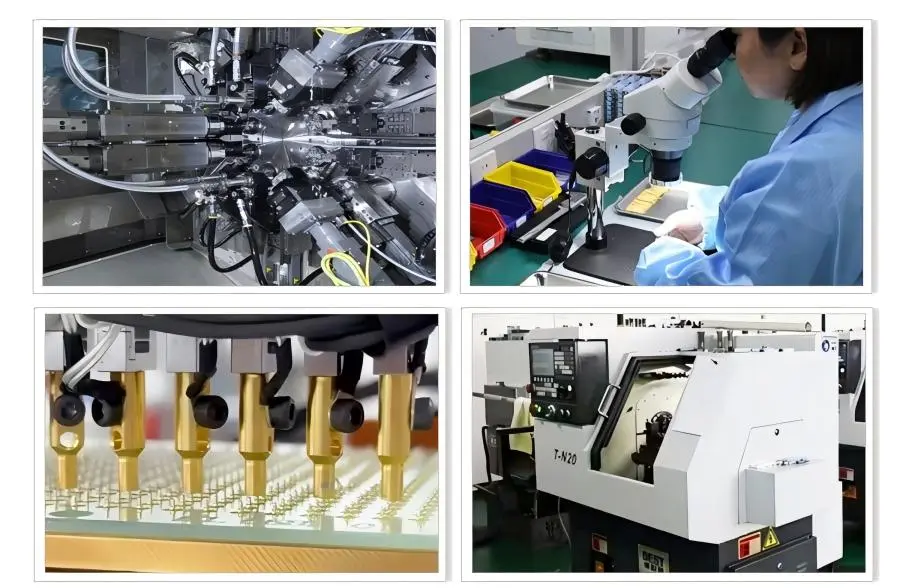
Partner with Chuangyu for Superior Testing Solutions
For difficult high-current uses, Chuangyu brings nearly twenty years of specialized experience making precise Integrated contact probe solutions. Our engineering team has come up with advanced probe designs that are used by top photovoltaic, medical device, and RF communication equipment companies around the world. Our beryllium copper gold-plated construction is very good at conducting electricity and resisting corrosion. Also, our combined design gets rid of common ways that modular systems fail. As a well-known company that makes Integrated contact probes, we make sure that every unit meets all of the performance and specs requirements. Procurement managers, test engineers, and technical directors can email our application experts at chuangyuwz01@cymicrowave.com to talk about their unique testing needs. Our team can give you detailed technical specs, options for customization, and fair prices for both small prototype orders and large production runs. Visit cymicrowave.com to see all of our products and learn how our precision testing services can help you make better measurements and improve the efficiency of your production.
References
1. Smith, J.R. & Chen, L. (2022). Advanced Contact Probe Technologies for Power Electronics Testing. Institute of Electrical Testing Standards, Technical Publication Series.
2. Anderson, M.K. (2021). "Comparative Analysis of Integrated Versus Modular Probe Systems in Semiconductor Manufacturing." Journal of Electronic Testing and Diagnostics, Vol. 47, No. 3, pp. 234-251.
3. Williams, R.T. et al. (2023). High-Current Test Equipment: Design Principles and Application Guidelines. International Society for Test and Measurement, Professional Reference Edition.
4. Zhang, H. & Kumar, P. (2022). "Contact Resistance Stability in Long-Duration Testing Applications." Precision Measurement Quarterly, Vol. 18, No. 2, pp. 89-104.
5. European Commission Joint Research Centre. (2023). Best Practices in Electrical Contact Systems for Industrial Testing. Publications Office of the European Union, Technical Report EUR 30945.
6. Thompson, D.A. (2021). Total Cost of Ownership Analysis for Testing Infrastructure Investment. Manufacturing Technology Institute, Industry White Paper Series.