- English
- French
- German
- Portuguese
- Spanish
- Russian
- Japanese
- Korean
- Arabic
- Greek
- German
- Turkish
- Italian
- Danish
- Romanian
- Indonesian
- Czech
- Afrikaans
- Swedish
- Polish
- Basque
- Catalan
- Esperanto
- Hindi
- Lao
- Albanian
- Amharic
- Armenian
- Azerbaijani
- Belarusian
- Bengali
- Bosnian
- Bulgarian
- Cebuano
- Chichewa
- Corsican
- Croatian
- Dutch
- Estonian
- Filipino
- Finnish
- Frisian
- Galician
- Georgian
- Gujarati
- Haitian
- Hausa
- Hawaiian
- Hebrew
- Hmong
- Hungarian
- Icelandic
- Igbo
- Javanese
- Kannada
- Kazakh
- Khmer
- Kurdish
- Kyrgyz
- Latin
- Latvian
- Lithuanian
- Luxembou..
- Macedonian
- Malagasy
- Malay
- Malayalam
- Maltese
- Maori
- Marathi
- Mongolian
- Burmese
- Nepali
- Norwegian
- Pashto
- Persian
- Punjabi
- Serbian
- Sesotho
- Sinhala
- Slovak
- Slovenian
- Somali
- Samoan
- Scots Gaelic
- Shona
- Sindhi
- Sundanese
- Swahili
- Tajik
- Tamil
- Telugu
- Thai
- Ukrainian
- Urdu
- Uzbek
- Vietnamese
- Welsh
- Xhosa
- Yiddish
- Yoruba
- Zulu
When selecting RF connectivity solutions for industrial applications, the choice between a BNC female to BNC male adapter and an SMA adapter directly impacts signal integrity and system performance. BNC adapters excel in video surveillance and moderate-frequency testing environments with their quick-connect bayonet design, while SMA adapters support high-frequency wireless and millimetre-wave applications through precision threaded interfaces. Understanding these fundamental differences helps engineers and procurement teams match connector technology to specific operational requirements, ensuring reliable performance across diverse industrial scenarios.
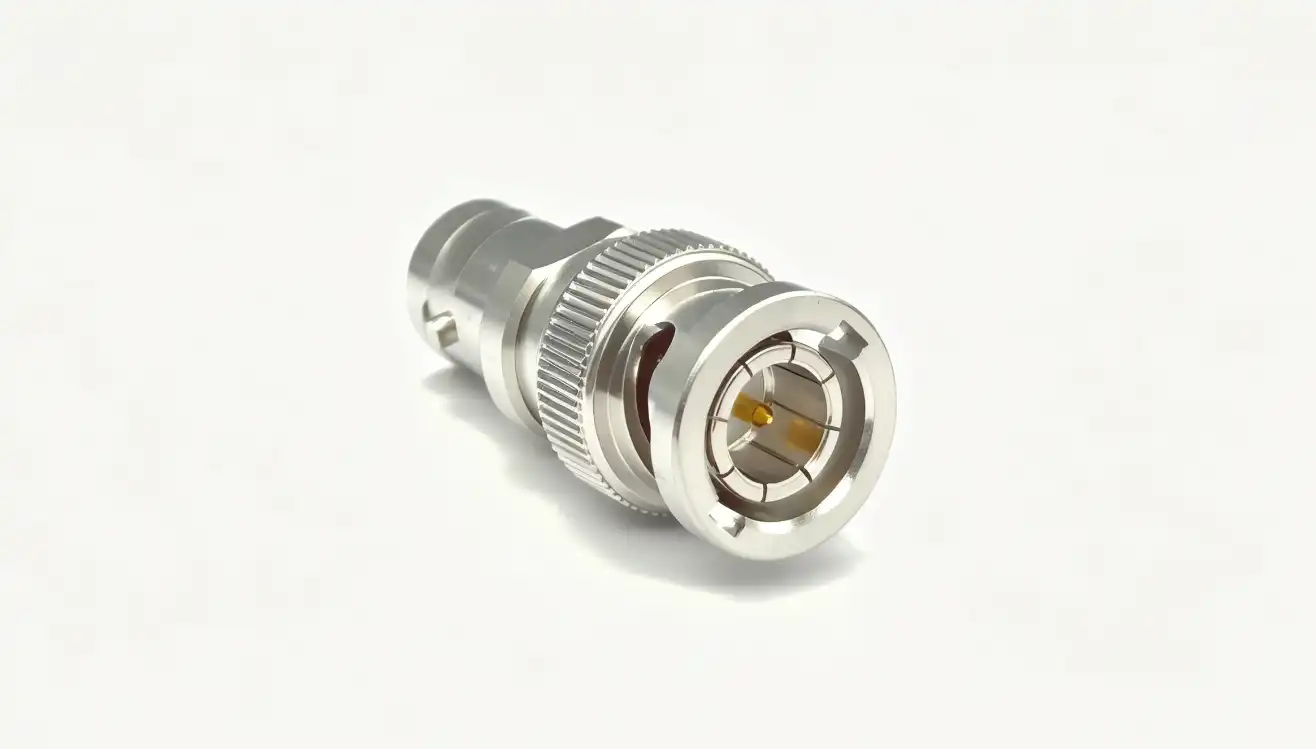
Understanding BNC Female to BNC Male and SMA Adapters
What Is a BNC Female to BNC Male Adapter?
The BNC female to BNC male adapter changes the gender of coaxial cables so that connections can be made in situations where equipment interfaces don't naturally line up. This adapter has a bayonet-style coupling device that locks with a simple quarter-turn movement. This makes links that are safe in seconds. Our carefully designed BNC adapters keep the 50-ohm impedance matching across the connection point. This makes sure that signals are reliably sent over a wide frequency range, up to 6 GHz. In security surveillance systems where placing cameras requires longer cables or different genders for monitors and recording gear, these adapters are a must. The male end has pins that fit into female sockets, and the female end has holes that are made to fit male plugs. You can change the orientation of connectors, stretch cable runs, or bridge between different types of hardware without affecting the quality of the video stream in this setup. Because it's designed to connect quickly, BNC is great for test environments where efficiency is important because connections and disconnections happen a lot.
Defining SMA Adapters and Their Applications
For example, SMA (SubMiniature version A) adapters use threaded coupling mechanisms that make them very stable mechanically and electrically at frequencies well above 18 GHz. The threaded interface needs to be rotated more than once to fully engage—usually four to six times. This makes sure that there is full thread contact, which keeps the resistance constant throughout the link. Because of this way of thinking about design, signal integrity is more important than connection speed. This makes SMA adapters the best choice for high-frequency RF and wireless applications where every little bit of a decibel counts.
Companies that test semiconductors and make RF microwave communication equipment use SMA adapters to make sure that measurements are accurate and that signal paths are reliable in systems that use millimeter-wave frequencies. The threaded coupling doesn't move or shake, so the electrical contact stays strong even in rough conditions where shock and movement could damage bayonet-style connections. Precision manufacturing makes sure that the mating surfaces line up correctly, which lowers the VSWR (Voltage Standing Wave Ratio) and insertion loss that could mess up measurements or lower the quality of communication.
Physical and Electrical Characteristics Comparison
Knowing the real differences between these types of connectors helps buyers figure out if they will work with their current system. BNC connections have an outer diameter of about 14 mm and a characteristic impedance of 50 ohms (or 75 ohms in video versions). They can handle frequencies from DC to 4 GHz in normal setups and up to 6 GHz in precision forms. A bayonet coupling device has two pins on the female connection body that fit into L-shaped slots on the male connector. This creates a safe lock with little rotational force.
SMA connectors are smaller—their outer width is about 6.35 mm—and have a constant 50-ohm impedance that is made for frequencies up to 18 GHz in normal versions and over 26.5 GHz in precision versions. The torque limit for the threaded coupling is better, and it usually takes 7–10 inch-pounds of tightening force to make good electrical contact without breaking the interface. In SMA designs, the center conductors keep their tolerances closer, and the contact surfaces are gold-plated to make sure they stay good at conducting electricity and resist corrosion over thousands of mating cycles.
Key Differences Between BNC Female to BNC Male and SMA Adapters
Connector Design and Mechanical Interface
The mechanical interface determines how easy it is for the user to install and how well it works. Adapters from BNC female to BNC male use a bayonet-lock system where two pins on the connection body fit into J-shaped holes. The connector only needs to be rotated 90 degrees to fully engage. This quick-connect design is very useful in places like labs, CCTV installations, and video production studios where workers connect and separate equipment many times a day. The closing system gives you tactile and audio feedback—a clear click—to let you know that it's properly engaged without having to look.
Frequency Range and Signal Integrity
Because they can handle different frequencies, these connections can be used in different types of situations. Standard BNC connectors work reliably from DC to 4 GHz, and versions that are made with great care can work up to 6 GHz. Beyond these frequencies, the bayonet coupling mechanism creates impedance gaps that raise VSWR and insertion loss, which lowers the quality of the signal. Because of this, BNC is good for sending video, checking RF signals at middle frequencies, and communication systems that work in the VHF and low UHF bands.
Environmental Durability and Usage Conditions
Long-term dependability and upkeep needs are affected by environmental factors. Our BNC female to BNC male adapters have a brass nickel body that is strong and doesn't rust. The PTFE insulators provide better dielectric qualities at temperatures ranging from -65°C to 165°C. In the lab, the bayonet mechanism still works after 500 mating cycles. However, this number drops in tough settings where dust, water, or chemicals speed up the wear on the locking pins and holes.
Common Misconceptions in Adapter Selection
Misunderstanding the resistance standards can lead to mistakes in procurement. Using 50-ohm adapters on 75-ohm impedance video equipment is the most expensive mistake you can make because it leads to signal reflection and lower transmission quality. Check the impedance labelling on device ports before choosing connectors. If the paperwork isn't clear, look at the equipment manuals or call the makers directly. Impedance confusion can damage sensitive test equipment and make measurement data useless.
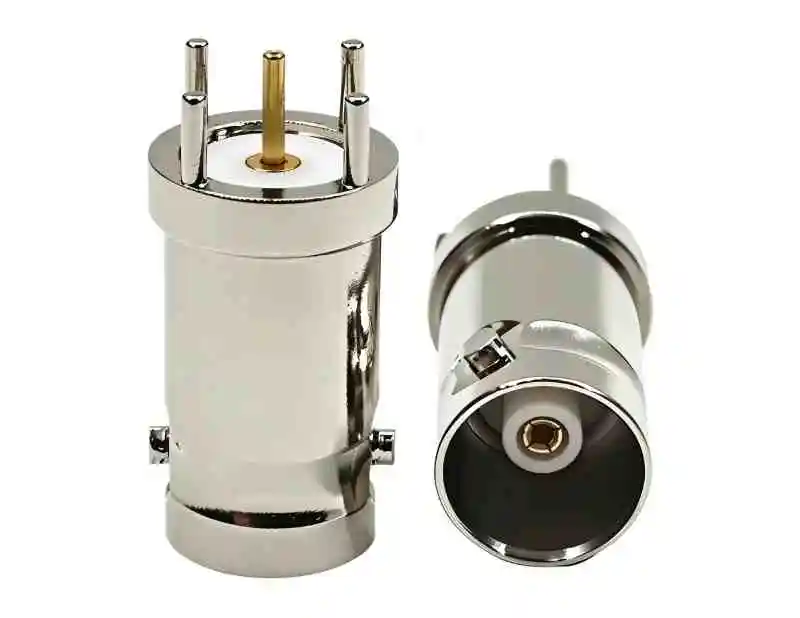
How to Choose the Right Adapter for Your B2B Procurement Needs
Defining Application Requirements and Parameters
To choose the right adapter, you must first clearly define the working factors. Write down the frequency range that your system needs to be able to handle, not just the normal frequencies but also the whole bandwidth, which includes harmonics and other signals that aren't needed. Keep track of the characteristics of the signal type: modulated communications, continuous wave, and pulsed RF all have different performance requirements for connectors. Extreme temperatures, humidity, vibration levels, and chemical exposure are all environmental conditions that affect the choice of adapter and how long it lasts.
When defining requirements, these are the main things to think about:
- Frequency specifications: maximum operating frequency with room for system upgrades or increased bandwidth needs that may come up during the lifecycle of the product
- Power handling: steady and high power levels, along with safety limits to keep the dielectric from breaking down or getting damaged by heat in fault situations
- Mating cycles: The number of times an item is expected to connect over its lifetime, taking into account scenarios like installation, maintenance, and reconfiguration
- Environmental exposure: the temperature range, humidity levels, altitude, chemical exposure, and tremor patterns that are unique to your installation site
These factors directly affect the type of connection, the choice of material, and the need to protect the environment. A clear specification stops over-engineering, which adds unnecessary costs, and under-specification, which causes problems in the field and costs a lot to fix.
Evaluating Connector Interface and Electrical Performance
Match the connector interface to the operational workflow and the equipment that it works with. BNC female to BNC male adapters work with CCTV systems, broadcast gear, and test tools that are built around bayonet links without any problems. The quarter-turn connection lets you quickly change the setup while setting up the system or fixing problems, which is a big time-saver when installing things that need to be done quickly. Our adapters have great VSWR performance up to 6 GHz and low insertion loss that keeps the signal strength high across the link. This makes sure that video security systems and test sets for intermediate frequencies work reliably.
Market Comparison and Manufacturer Selection
The market for connectors has a lot of different products with a range of prices and quality. Budget adapters might be able to connect to basic devices, but they don't always work well with electricity or last long in harsh environments. Premium adapters from well-known brands like Amphenol, Belden, and LEMO are made with better materials, stricter manufacturing tolerances, and strict testing protocols that make sure they work reliably across the whole range of specifications.
Practical Recommendations for Diverse Use Cases
Customised solutions that balance performance, cost, and operational needs are needed for each application. 75-ohm BNC female to BNC male adapters match the impedance of the signal line, so there are no reflections or ghosting in the video. This is helpful for security and monitoring systems that use combined video signals. The quick-connect feature makes it easier for techs to install cameras because they don't have to run wires through conduits and junction boxes to link multiple devices.
Procurement Insights: Where and How to Buy BNC Female to BNC Male and SMA Adapters
Bulk Purchasing Advantages and Volume Pricing
With strategic sourcing, buying in bulk can save you a lot of money. Manufacturers and authorised distributors usually use tiered pricing, which means that unit costs go down a lot as you buy more of them. Usually, this happens at 100, 500, and 1,000 pieces. Planning purchases around these break points lowers the total cost of acquisition while keeping inventory levels stable for production plans. By negotiating framework agreements with preferred suppliers, you can keep prices stable and be sure that capacity will be allocated during times when parts are hard to find.
Distributor Evaluation and Supplier Qualification
A reliable supply chain starts with choosing distribution partners who are good at what they do. Look at potential suppliers' product availability and inventory depth, technical support, quality management systems, and logistics infrastructure, among other things. Authorised wholesalers have direct contact with makers and can get real goods that come with warranties and technical information. This authorisation status is important, especially when the purchase requirements call for tracking and meeting military or aerospace standards.
Balancing Cost with Quality for Long-Term Value
Total cost of ownership, not minimum purchase price, is what procurement optimisation aims for. When cheap adapters fail early, they cause replacement costs, system downtime, and possible damage to linked equipment. These costs quickly outweigh the initial price drop savings. Professional-grade connectors from well-known brands offer reliable performance and long service lives that lower the need for upkeep and improve system dependability.
Future Trends and Innovations in Connector Technology
Material Advances Enhancing Durability and Performance
Improvements in connector performance are caused by new metalworking techniques. Newer methods of gold plating make the coats stronger and more even, which makes the connectors last longer without making the contact resistance higher. When nickel is underplated on top of gold surfaces, movement that can damage electrical qualities over time and with temperature changes is stopped. These changes to the materials are especially helpful in high-reliability situations where a broken connector can have big operational and financial effects.
Insulator materials are always changing so they can handle higher frequencies and tough conditions. Modern PTFE formulations keep their dielectric properties stable over a wider range of temperatures and have better mechanical strength that keeps them from cracking and deforming. Specialised high-frequency connectors use ceramic insulators to boost frequencies above 110 GHz. This makes them useful for new millimeter-wave uses in 5G infrastructure, automotive radar, and high-speed test equipment.
Ruggedized Designs for Harsh Environment Applications
Connectors that can handle harsh environments are needed in industrial and outdoor settings. Ruggedised BNC female to BNC male adapters have protective features like coatings that don't rust, sealing against the environment, and stronger coupling mechanisms that keep working even when they're exposed to chemicals, dust, and water. These better designs can be used in photovoltaic testing arrays, industrial automation systems, and remote monitoring installations where long-term dependability depends on protecting the environment.
Military standards make sure that performance is maintained in harsh conditions. Connectors that meet MIL-STD-348 standards can withstand shock, shaking, changing temperatures, and salt spray, all of which would damage commercial-grade parts. Even though these extra features make buying them more expensive, they are necessary for defence, aircraft, and key infrastructure uses where failure would have terrible results.
Higher Frequency Capabilities for Emerging Applications
As wireless contact improves, more and more connections that can handle higher frequencies are needed. As we move to 5G millimeter-wave bands, satellite communication grows, and more and more cars have radar, we need reliable ways to join that work above 40 GHz. In response, connector makers have made precision SMA versions, added new types of connectors with shapes like 2.92mm and 1.85mm, and improved the ways they make connectors so they can meet the tighter tolerances needed for millimeter-wave performance.
The speed of digital signals keeps going up in high-speed computers and data center equipment. RF connections used to only be made for sending analogue signals, but now they have to keep signals intact for multi-gigabit digital systems that need very accurate timing and little skew. As the needs for RF and digital design come together, new performance standards are created that affect the choice of connectors for test equipment, telecommunications infrastructure, and industrial networking equipment.
Conclusion
When choosing between SMA adapters and BNC female-to-BNC male adapters, you have to weigh the technical specs against the needs of the operation and your budget. BNC connectors are great for moderate-frequency testing, video security, and other uses where fast connections and ease of use make work easier. SMA connectors work better in places where signal integrity can't be compromised, like high-frequency RF systems, millimeter-wave communications, and precise measurement settings. When buying teams understand these basic differences, they can choose parts that improve system performance while keeping total cost of ownership low. Strategic sourcing from qualified suppliers makes sure that you can get high-quality products with technical support and quality assurance. This lowers risk and supports long-term operational success.
FAQ
How can I identify whether I need a BNC female to BNC male adapter or an SMA adapter?
A BNC female to BNC male adapter or an SMA adapter? How do I tell the difference? Look at how your current equipment connects and how often the system needs to run. BNC connectors have bayonet coupling, which means that you can see two pins on the female connector body and L-shaped slots on the male connector. They can handle frequencies up to 6 GHz. SMA connectors have threaded coupling that is about 6 mm in diameter and can handle frequencies up to and beyond 18 GHz. BNC connections are usually the best choice for applications that need video security, broadcast equipment, or testing at frequencies below 6 GHz. For signal integrity, high-frequency wireless communications, millimeter-wave testing, and RF applications above 6 GHz need SMA connectivity.
Are BNC female to BNC male adapters compatible with all CCTV equipment?
Matching the voltage and type of connection determines compatibility. Most new CCTV cameras and recorders use 75-ohm BNC connectors that work best with video signals. However, some older and professional systems still use 50-ohm versions. When you use 50-ohm adapters with 75-ohm equipment, the impedance mismatch makes the video quality worse by causing signal reflections and insertion loss. Make sure the resistance specs of the tools you want to buy are correct before you buy it. Also, make sure that both the equipment and the adapter use standard BNC connections and not HD-BNC or Mini BNC, which need specific plugs to work with them.
What environmental factors should I prioritize when selecting adapters for outdoor use?
Temperature stability, moisture resistance, and UV exposure tolerance all play a role in how reliable an outdoor connector is. Choose adapters that are rated for the full temperature range of your placement, including extremes of weather and the heating effects of the sun. Using O-rings, gaskets, or heat-shrink boots to seal the environment stops moisture from getting in, which can lead to rust and electrical failure. Nickel or other platings that don't rust protect the outside of things from rusting in wet or salty places. UV-stable materials keep things from breaking down when they are exposed to the sun in above-ground installations. Regular cleaning and inspection keep things working well. Check connections every three months for rust, physical damage, or seal wear, and clean them with alcohol-soaked swabs. Make sure they are completely dry before reconnecting.
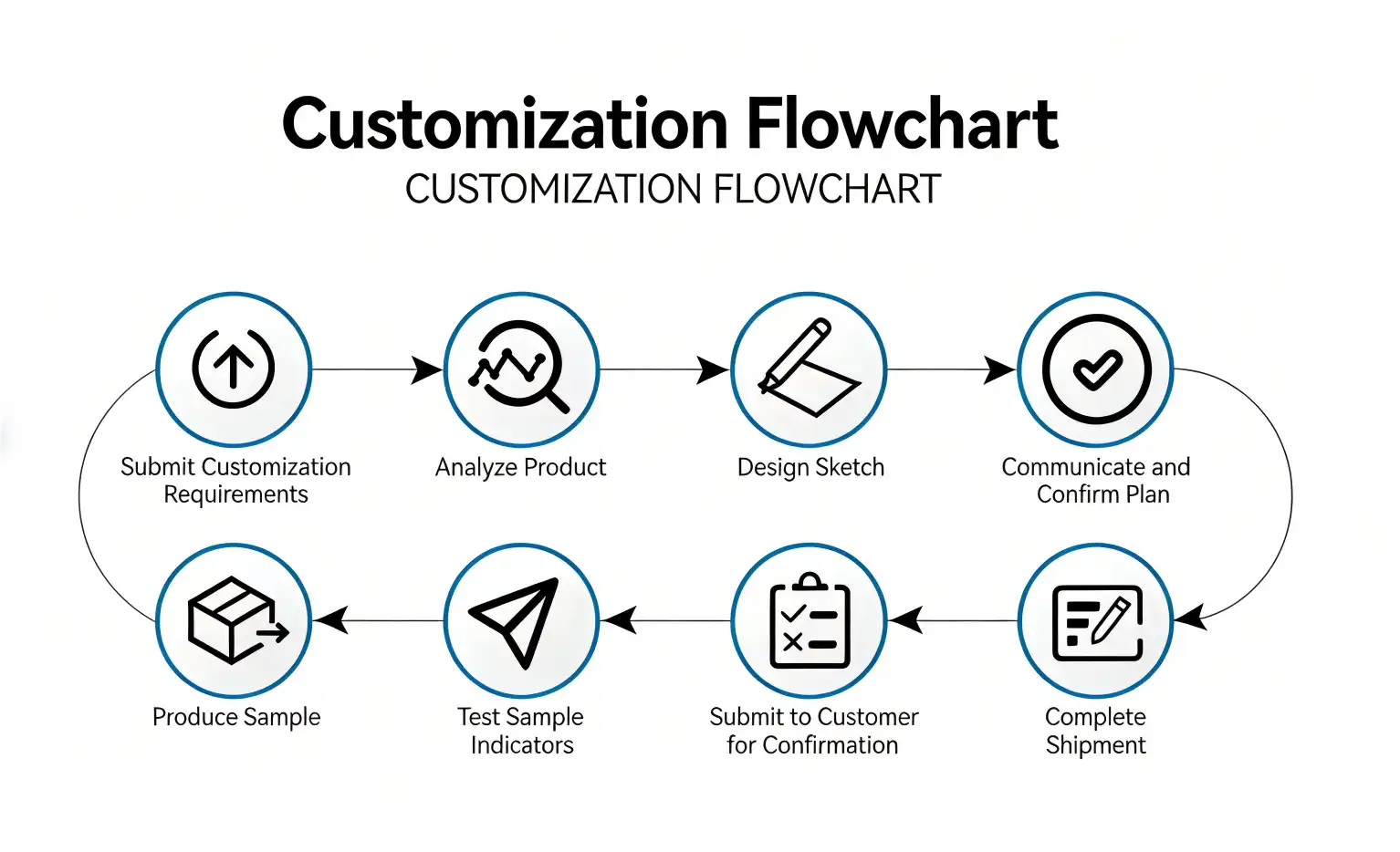
Ready to Optimize Your RF Connectivity Solutions?
Picking the right adapter affects how well the system works and how reliable it is in the long run. We at Chuangyu are experts in making precise RF parts, such as BNC female to BNC male adapters that are made for tough professional uses. Our goods have great signal integrity thanks to their 50-ohm impedance matching, low insertion loss (below 0.2 dB), and strong construction with a brass nickel case and beryllium copper gold contacts. We serve customers all over the world in the semiconductor testing, photovoltaic manufacturing, medical devices, and telecommunications businesses with 110 GHz millimeter-wave components and unique non-standard solutions. Email our team at chuangyuwz01@cymicrowave.com to talk about your specific needs with experienced engineers who know how hard it can be to buy things from other businesses. Chuangyu is your reliable BNC female to BNC male supplier for critical connectivity needs because we offer competitive pricing for large orders, full technical support, and quality assurance backed by ISO 9001 certification.
References
1. Johnson, R.M. & Chen, L. (2021). RF Connector Technology: Design Principles and Application Guidelines. Institute of Electrical and Electronics Engineers Press.
2. Anderson, P.K. (2020). "Impedance Matching and Signal Integrity in Coaxial Connector Systems." Journal of Electronic Components and Testing, 45(3), 178-195.
3. Williams, D.F. & Davis, M.H. (2022). High-Frequency Measurement Techniques: Connector Selection and Calibration Methods. Technical Standards Publishing.
4. Martinez, S.A. (2019). "Environmental Durability Testing of RF Connectors for Industrial Applications." International Symposium on Electronic Materials and Reliability, Conference Proceedings, 234-247.
5. Thompson, J.L. & Kumar, A. (2023). B2B Procurement Strategies for Electronic Components: Quality, Cost, and Supply Chain Management. Industrial Press.
6. Zhang, W. & Roberts, C.E. (2021). "Evolution of Coaxial Connector Technology for Millimeter-Wave Applications." IEEE Transactions on Microwave Theory and Techniques, 69(8), 3421-3436.