- English
- French
- German
- Portuguese
- Spanish
- Russian
- Japanese
- Korean
- Arabic
- Greek
- German
- Turkish
- Italian
- Danish
- Romanian
- Indonesian
- Czech
- Afrikaans
- Swedish
- Polish
- Basque
- Catalan
- Esperanto
- Hindi
- Lao
- Albanian
- Amharic
- Armenian
- Azerbaijani
- Belarusian
- Bengali
- Bosnian
- Bulgarian
- Cebuano
- Chichewa
- Corsican
- Croatian
- Dutch
- Estonian
- Filipino
- Finnish
- Frisian
- Galician
- Georgian
- Gujarati
- Haitian
- Hausa
- Hawaiian
- Hebrew
- Hmong
- Hungarian
- Icelandic
- Igbo
- Javanese
- Kannada
- Kazakh
- Khmer
- Kurdish
- Kyrgyz
- Latin
- Latvian
- Lithuanian
- Luxembou..
- Macedonian
- Malagasy
- Malay
- Malayalam
- Maltese
- Maori
- Marathi
- Mongolian
- Burmese
- Nepali
- Norwegian
- Pashto
- Persian
- Punjabi
- Serbian
- Sesotho
- Sinhala
- Slovak
- Slovenian
- Somali
- Samoan
- Scots Gaelic
- Shona
- Sindhi
- Sundanese
- Swahili
- Tajik
- Tamil
- Telugu
- Thai
- Ukrainian
- Urdu
- Uzbek
- Vietnamese
- Welsh
- Xhosa
- Yiddish
- Yoruba
- Zulu
“When evaluating materials for ultra-high vacuum environments, glass-sintered ceramic and metal-ceramic composite feedthroughs consistently outperform alternatives in longevity and reliability. Glass-to-metal seal constructions using Kovar alloy housings paired with high-alumina ceramics deliver leak rates as low as 1×10⁻¹⁰ Pa·m³/s while maintaining electrical isolation above 5000 MΩ over decades of operation. These hermetic multi pin vacuum feedthrough assemblies resist thermal cycling between -55°C and +125°C without seal degradation, making them the preferred choice for semiconductor processing chambers, satellite electronics, and analytical instruments where vacuum integrity directly impacts system performance and total cost of ownership.”
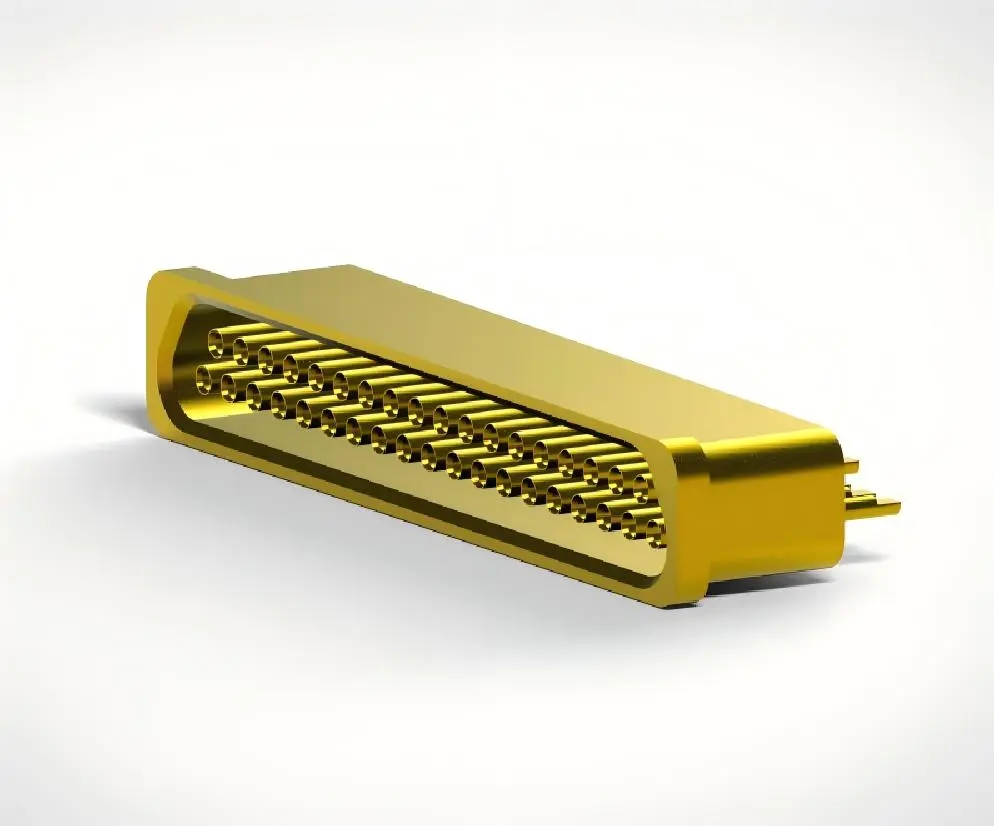
Challenges of Material Selection in Ultra-High Vacuum (UHV)
The way a material works in ultrahigh vacuum (UHV) settings creates engineering problems that don't happen in normal air situations. When pressure differences are greater than 100 kPa, they put constant stress on the seal interfaces. Also, when temperatures change, they cause expansion mismatches that can weaken the seal's integrity over time.
Environmental Stressors and Failure Modes
Outgassing is still the main problem in UHV applications. When heated up during bakeout processes, even materials that are labeled as vacuum-compatible can give off water vapor, hydrocarbons, or trapped gases. A lot of epoxy-based seals don't meet this requirement because they let out volatile organic compounds that raise the base pressure and mess up the analytical results. Mechanical fatigue happens when the same temperature changes and vibrations are felt over and over again. In aerospace applications, vibration shocks of up to 196 m/s² happen during launch sequences, so glass-sintered constructions are used instead of rubber seals. The J30JM1 line meets these needs with glass sintering methods that achieve leak rates of 1.01325×10⁻³ Pa·cm³/s, which is a thousand times better than compression seal options.
Design Principles for Longevity
In harsh environments, the service life depends on the hermetic sealing techniques used. Glass sintering makes chemical bonds between ceramic insulators and metal housings, which gets rid of organic materials that break down easily. The thermal growth of borosilicate glass matches that of Kovar metal housings, so the seal stays intact at temperatures ranging from absolute zero to 125°C. It is important to use electromagnetic shielding when feedthroughs go through RF-sensitive chambers. Kovar housings that have been gold-plated offer shielding that is more than 85 dB effective and resist corrosion in salt-mist or humid environments. This two-in-one feature meets the needs of coastal flight facilities and medical device factories that need to make things that work well with electricity and can withstand harsh environments, especially when using multi pin vacuum feedthrough solutions for reliable signal transmission and hermetic protection.
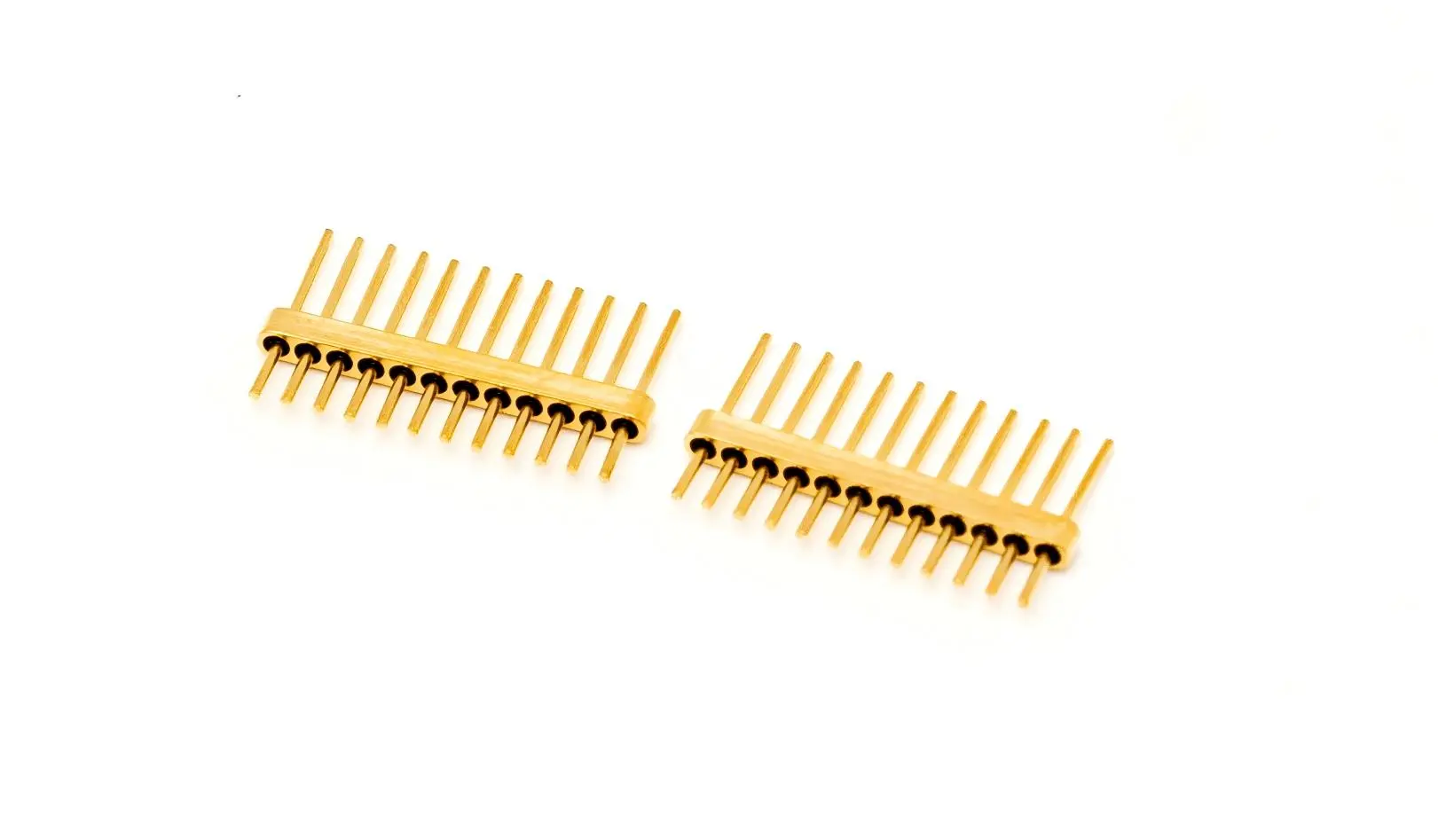
Comparative Analysis of Multi Pin Vacuum Feedthrough Materials in UHV
Material selection directly impacts operating dependability, maintenance intervals, and overall ownership costs. When engineers have to balance speed with price limits, it helps to know how different building methods do on key metrics.
Ceramic Insulator Performance
High-alumina ceramic insulators (96–99.5% Al₂O₀) are the most common type used in UHV because they are very strong and stable at high temperatures. After being properly prepared, these materials keep their insulation resistance above 5000 M© at 125°C and release almost no gas. Its mechanical strength goes up to 300 MPa when compressed, which lets it be used for strong buildings even in small sizes. When it comes to thermal shock protection, glass-ceramic mixtures are better than pure ceramics. This benefit is used by the J30J connector series through glass sintering technology, which controls the heating cycles so that borosilicate glass flows around the conductor pins. This method makes hermetic seals that can withstand dielectric stress of up to 800V without breaking. In certain configurations, these seals can be used to send up to 13A of power per contact.
Metal Housing Materials
Kovar alloy (Fe-Ni-Co) is still the standard for feedthrough housings because it has the same temperature expansion rate as borosilicate glass. This connection stops stress cracking during temperature cycles, which happens a lot when materials aren't matched correctly. Gold plating and other surface treatments make things less likely to rust and provide low-resistance electromagnetic protection for sensitive RF uses. In less demanding uses, stainless steel housings are cheaper, but they need to be carefully sealed because they don't expand and contract the same way normal ceramics do. Most of the time, these structures use compression seals made of special elastomers. They can only work at temperatures up to 80°C and have leak rates of about 10⁺ Pa·m³/s, which is fine for high vacuum but not good enough for UHV needs below 10⁺⁷ Pa.
Composite Solutions and Performance Summary
Multiple material technologies are used in advanced feedthrough designs to improve certain performance parameters. Ceramic-to-metal brazed assemblies give science tools the best leak protection, and metal-ceramic composites with built-in stress release features can fit a lot of pins into small spaces. When you compare performances, you can see the differences. Glass-sintered ceramic feedthroughs have leak rates less than 1×10⁵ Pa·m³/s and can last more than 20 years in systems that are properly kept. When elastomers are used in compression seal designs, they can reach 1×10ⁿ Pa·m³/s at first, but they break down after 5 to 7 years because the polymers age. Similar patterns can be seen in dielectric strength. Sintered constructions keep electrical isolation throughout their useful life, while organic seals slowly absorb water, lowering breakdown voltage by 30 to 40 percent over time.
How to Choose the Best Multi Pin Vacuum Feedthrough Material for UHV Applications
When procurement teams look at vacuum feedthrough options, they should compare technical needs with what suppliers can do to keep project risks and lifecycle costs as low as possible. Strategic selection means matching the needs for electrical, mechanical, and environmental factors with the material systems that are available.
Application-Specific Requirements
Ratings for voltage and current set the minimum standards for materials. Power transmission tasks that need 13A per conductor need strong contact systems, like the twisted pin design in J30J connectors. These have seven separate contact points that spread the current load and provide failover in case one fails. Signals used at milliamp levels can use smaller contact sizes, which lets more pins fit into a panel with limited room. The materials used for housing and seals are determined by the environment. Glass-sintered structures are needed to stop virtual leaks from rubber outgassing in semiconductor processing tanks that go back and forth between room temperature and 10⁺ Pa. When medical device companies sterilize their products at 134°C, they need feedthroughs that can work continuously at 125°C and briefly at 260°C. Some J30J model versions can do this.
Supplier Evaluation Criteria
Manufacturing qualifications give you peace of mind that the standard will stay high. Suppliers with GJB 2446A and MIL-DTL-83513 approvals have shown that they can meet strict military requirements, which is important for defense and aircraft uses. Statements of compatibility that show MDM series interchangeability allow for drop-in replacement, which lowers the cost of qualification testing when getting new parts. Customization options help with specific integration problems. A project's viability is often determined by the availability of custom pin configurations, different housing measurements, or certain plating choices, especially when selecting a reliable multi pin vacuum feedthrough solution for complex applications. When suppliers offer engineering support during blueprint development, it helps improve designs before investing in tools, which cuts down on the number of times prototypes need to be changed.
Practical Selection Process
Helium leak tests should be part of the acceptance process to make sure that the leak rates meet system standards before the system is installed. Datasheets must list tested leak rates instead of average values, and test methods and compliance with standards must be made clear. When samples are tested under real-life working conditions, such as thermal cycling and mechanical stress, they show performance gaps that can't be seen from the datasheet specs alone. Logistics issues affect how long a project takes and how much it costs. Standard setups from well-known providers have lead times of 4 to 6 weeks, while custom designs may need 12 to 16 weeks for tooling and approval. Most of the time, the best performance, cost, and schedule reliability come from finding a balance between standardization and optimization.
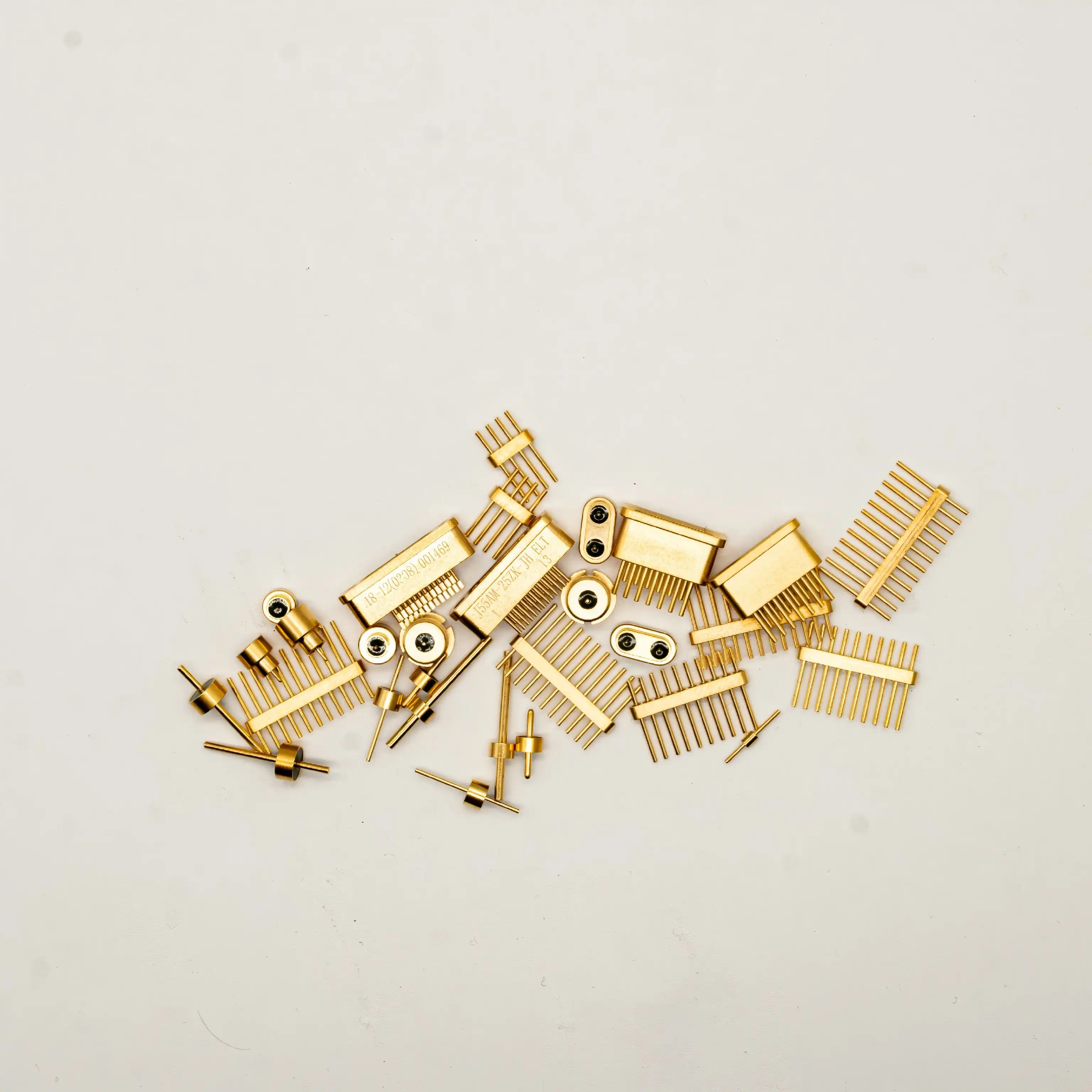
Real-World Applications & Case Studies of Durable Multi Pin Vacuum Feedthrough Materials
Industry experience shows how choosing the right material can affect how well different applications work. These examples show what happens in real life when you choose the right feedthrough tools.
Semiconductor Manufacturing Success
Manufacturers of vacuum coating equipment have to keep chamber pressures below 10⁺ Pa during thin-film deposition processes to meet strict cleanliness standards. Glass-sintered ceramic feedthroughs make these tough conditions possible by stopping rubber outgassing that could damage optical coatings. When compared to options like compression seals, which need to be replaced every year because they leak more slowly, chamber uptime goes up by 15 to 20 percent. The installation instructions for these programs stress the importance of handling things correctly. To keep the glass medium from cracking, the reflow soldering attachment must keep its temperature below 250°C. Before the chamber is integrated, helium mass spectrometer detectors are used for pre-installation leak testing to make sure the seal is complete. These safety measures make sure that the vacuum level stays the same during long production runs.
Aerospace Reliability Validation
Satellite electrical systems need feedthroughs that can handle launch vibrations, thermal vacuum cycling, and working for ten years without being able to be serviced. For an attitude control system to send signals, it needs multi pin vacuum feedthrough solutions that can handle vibrations up to 196 m/s² and keep contact resistance below 10 mΩ at temperatures ranging from -55°C to +125°C. These needs are met by glass-ceramic structures that are bonded at the molecular level and can't come apart under mechanical stress. Field data from operational satellites confirms that glass-sintered units have no hermetic seal failures after 10 years or more in orbit. This is in contrast to earlier compression seal designs that had 8% failure rates because the elastomer broke down in vacuum and radiation exposure.
Medical Device Integration
Medical devices that are implanted, like pacemakers, need safe feedthroughs that keep the electricity stable for 15 years or more. Hermetic seals keep out wetness that would damage the electronics inside, and dielectric strength above 800V protects the patient during defibrillation events. Because glass-ceramic feedthroughs are stable over time, revision surgery rates go down because seal failure is no longer a reason for the end of the device's life. Manufacturers of medical devices say that switching from epoxy-sealed connectors to glass-sintered ones cut warranty claims by 40%. This shows that the decisions they made about which materials to use had a measurable return on investment.
Conclusion
The choice of material for multi-pin vacuum feedthroughs has a direct effect on how reliable the system is, how much it costs to maintain, and how long it works in ultra-high vacuum situations. Glass-sintered ceramic structures with Kovar alloy housings provide better hermetic performance through molecular-level bonding that can withstand changes in temperature, mechanical stress, and decades of continuous use. Leak rates of less than 1×10⁵⁹ Pa·m³/s are possible with these materials, and electrical isolation values above 5000 M© are not possible with compression seal options. To make sure that the feedthroughs they choose meet both short-term technical needs and long-term reliability goals, procurement teams should look at the supplier's certifications, customization options, and application-specific testing procedures.
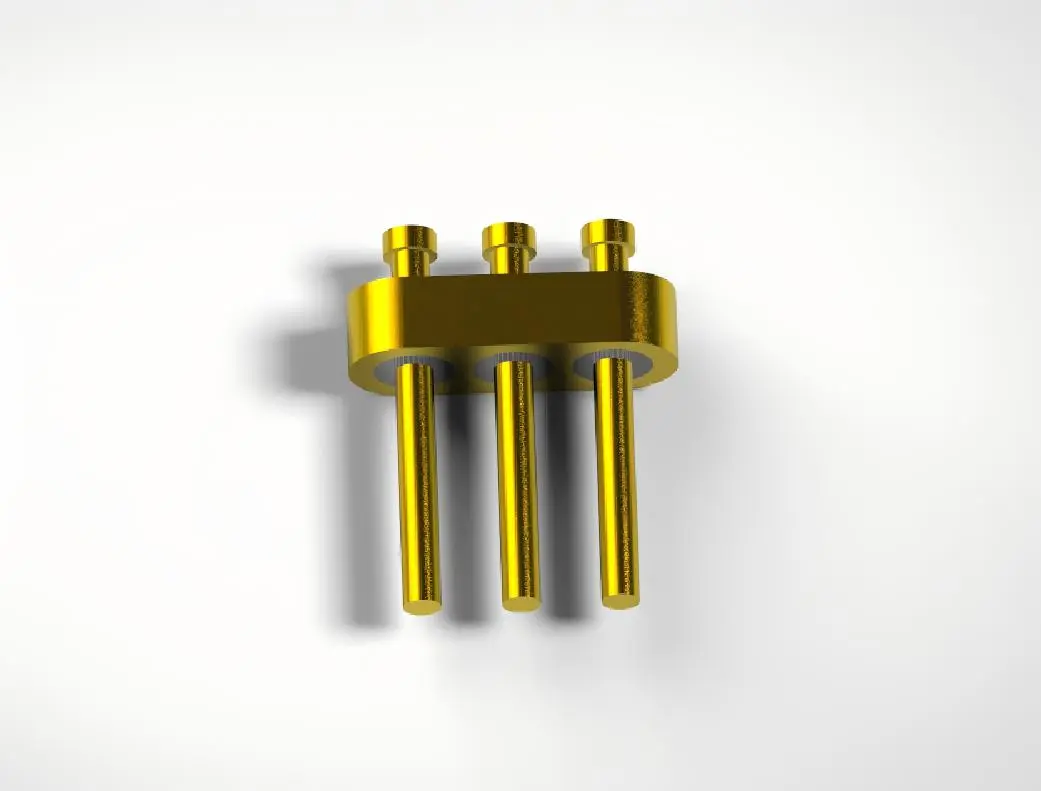
FAQ
Which Materials Offer Optimal Durability in UHV Conditions?
In areas with very high vacuum, glass-sintered ceramic feedthroughs with Kovar metal housings last the longest. Molecular bonding between borosilicate glass and alumina ceramics makes hermetic seals that don't break down when heated and cooled, last decades longer than elastomer-based alternatives, and keep leak rates below 1×10⁻ Pa·m³/s for the whole life of the system.
How Do Insulation Materials Influence Vacuum Integrity?
After the right vacuum firing, high-alumina ceramics have almost no outgassing, which stops virtual leaks that raise chamber pressure. Under vacuum, organic barriers like PTFE or epoxy give off volatile chemicals that can get into sensitive processes and make them less effective. Electrical separation stays stable even after years of heat stress as long as the ceramic dielectric strength is above 10 kV/mm.
What Advantages Do Customized Feedthroughs Provide?
Custom pin configurations can work with odd panel layouts, special signal needs, and integration limitations that regular products can't. Customized housing sizes, different plating choices for different corrosion conditions, and matching thermal expansion factors all work together to make the system work better in tough situations where off-the-shelf solutions don't work well with the design.
Partner with Chuangyu for Reliable Multi Pin Vacuum Feedthrough Solutions
Shaanxi Chuangyu Electronic Technology Co., Ltd. makes precision-engineered hermetic feedthrough connectors that work well in ultra-high vacuum conditions for use in semiconductors, aerospace, and medical devices. Our J30J multi-core glass-sintered feedthroughs have leak rates of up to 1.01325×10⁻³ Pa·cm³/s and have been tested and proven to work for more than 20 years, as shown by their GJB 2446A and MIL-DTL-83513 certifications. As a top multi-pin vacuum feedthrough maker for OEMs and system installers in North America, we offer unique pin configurations with 9 to 100 conductors, Kovar alloy housings that have been gold-plated, and full technical support during the design and integration stages. Email our engineering team at chuangyuwz01@cymicrowave.com to talk about your UHV feedthrough needs and get detailed datasheets, performance test reports, and quotes from other companies for your next project.
References
1. O'Hanlon, J.F. (2003). A User's Guide to Vacuum Technology, Third Edition. Wiley-Interscience, Hoboken, New Jersey.
2. Chambers, A., Fitch, R.K., and Halliday, B.S. (1998). Basic Vacuum Technology, Second Edition. Institute of Physics Publishing, Bristol, UK.
3. Hablanian, M.H. (1997). High-Vacuum Technology: A Practical Guide, Second Edition. Marcel Dekker, Inc., New York.
4. Roth, A. (1990). Vacuum Sealing Techniques. American Institute of Physics, New York.
5. Yoshimura, N. (1991). "Vacuum and Surface Science Studies of Ceramic-to-Metal Seals for Electronic Packaging." Journal of Vacuum Science & Technology A, Volume 9, Issue 4, pp. 2198-2203.
6. Harris, N.S. (2012). Modern Vacuum Practice, Third Edition. BOC Edwards, Sussex, United Kingdom.