- English
- French
- German
- Portuguese
- Spanish
- Russian
- Japanese
- Korean
- Arabic
- Greek
- German
- Turkish
- Italian
- Danish
- Romanian
- Indonesian
- Czech
- Afrikaans
- Swedish
- Polish
- Basque
- Catalan
- Esperanto
- Hindi
- Lao
- Albanian
- Amharic
- Armenian
- Azerbaijani
- Belarusian
- Bengali
- Bosnian
- Bulgarian
- Cebuano
- Chichewa
- Corsican
- Croatian
- Dutch
- Estonian
- Filipino
- Finnish
- Frisian
- Galician
- Georgian
- Gujarati
- Haitian
- Hausa
- Hawaiian
- Hebrew
- Hmong
- Hungarian
- Icelandic
- Igbo
- Javanese
- Kannada
- Kazakh
- Khmer
- Kurdish
- Kyrgyz
- Latin
- Latvian
- Lithuanian
- Luxembou..
- Macedonian
- Malagasy
- Malay
- Malayalam
- Maltese
- Maori
- Marathi
- Mongolian
- Burmese
- Nepali
- Norwegian
- Pashto
- Persian
- Punjabi
- Serbian
- Sesotho
- Sinhala
- Slovak
- Slovenian
- Somali
- Samoan
- Scots Gaelic
- Shona
- Sindhi
- Sundanese
- Swahili
- Tajik
- Tamil
- Telugu
- Thai
- Ukrainian
- Urdu
- Uzbek
- Vietnamese
- Welsh
- Xhosa
- Yiddish
- Yoruba
- Zulu
When your production line demands reliability under harsh conditions, choosing the right interconnect solution becomes mission-critical. The MIL-DTL-26482 Series 1 Snap-on Circular Connector represents a ruggedized, miniature electrical connector designed specifically for demanding military, aerospace, and industrial environments. This bayonet-coupling connector features a three-point locking mechanism that enables rapid mating in just one-third of a turn, combined with environmental sealing rated to IP67. Built to withstand temperature extremes from -55°C to +125°C and equipped with high-density contact arrangements ranging from 2 to 61 positions, these connectors deliver proven performance across defense systems, automation equipment, medical devices, and communication infrastructure where failure is not an option.
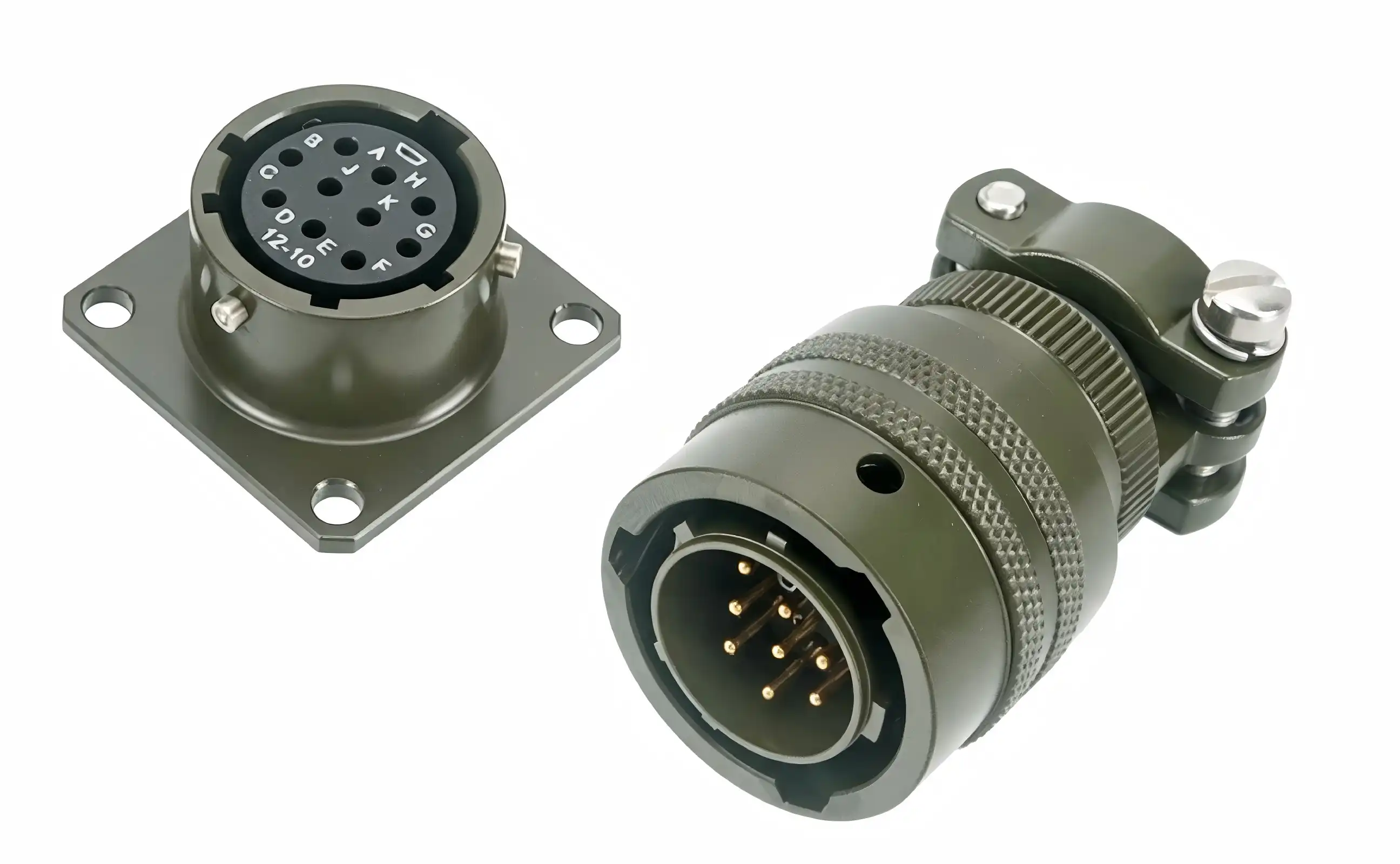
Comparing MIL-DTL-26482 Series 1 With Other Connector Types
For purchasing decisions, it's common to have to look at more than one family of connectors to find the best balance of performance, cost, and supply chain availability. Knowing the differences between similar military connector specifications, such as MIL-DTL-26482 Series 1 Snap-on Circular Connector, helps engineering teams make smart choices.
Series 1 Versus Series 2 Connectors
Both series meet the same military standards, but the contact arrangement and shell sizes are different. Series 1 connectors are the best choice for retrofit projects and maintenance programs because they work with a wider range of older systems that have been in use for decades. Series 2 versions offer different contact patterns but can still be used with Series 1 in many situations. Cross-series compatibility testing when building new systems gives you options in case you need to switch between series for getting parts in the future.
Comparison With MIL-DTL-38999 Connectors
The MIL-DTL-38999 family is a more durable series of connectors made for higher densities and better protection against the environment. While 38999 connectors work great in extreme situations where dependability is key, they are heavier and cost more than 26482 options. When size and weight are the most important factors in design, like with unmanned aerial systems or portable military equipment, the 26482 series gives good performance with less system load. On the other hand, when working in places where jet fuel, hydraulic fluid, or salt fog are present for a long time, the better sealing and material specifications of 38999 connectors make them worth the higher price.
Bayonet Versus Threaded Coupling Mechanisms
Threaded connections, such as the MIL-C-5015 type, have a high resistance to pull-off forces and strong mechanical retention. Installations that are likely to be vibrated or caught can benefit from the safe locking threaded joints they offer. The trade-off shows up in the time it takes to connect—threaded connectors need to be rotated several times before they fully engage, which makes installation and troubleshooting take longer. When glovesd technicians need to work quickly in the field, bayonet designs cut down mating cycles to a fraction of a turn. In maintenance situations where disconnections happen often, bayonet mechanisms are better, but quick-disconnect features may not be very useful for fixed installs.
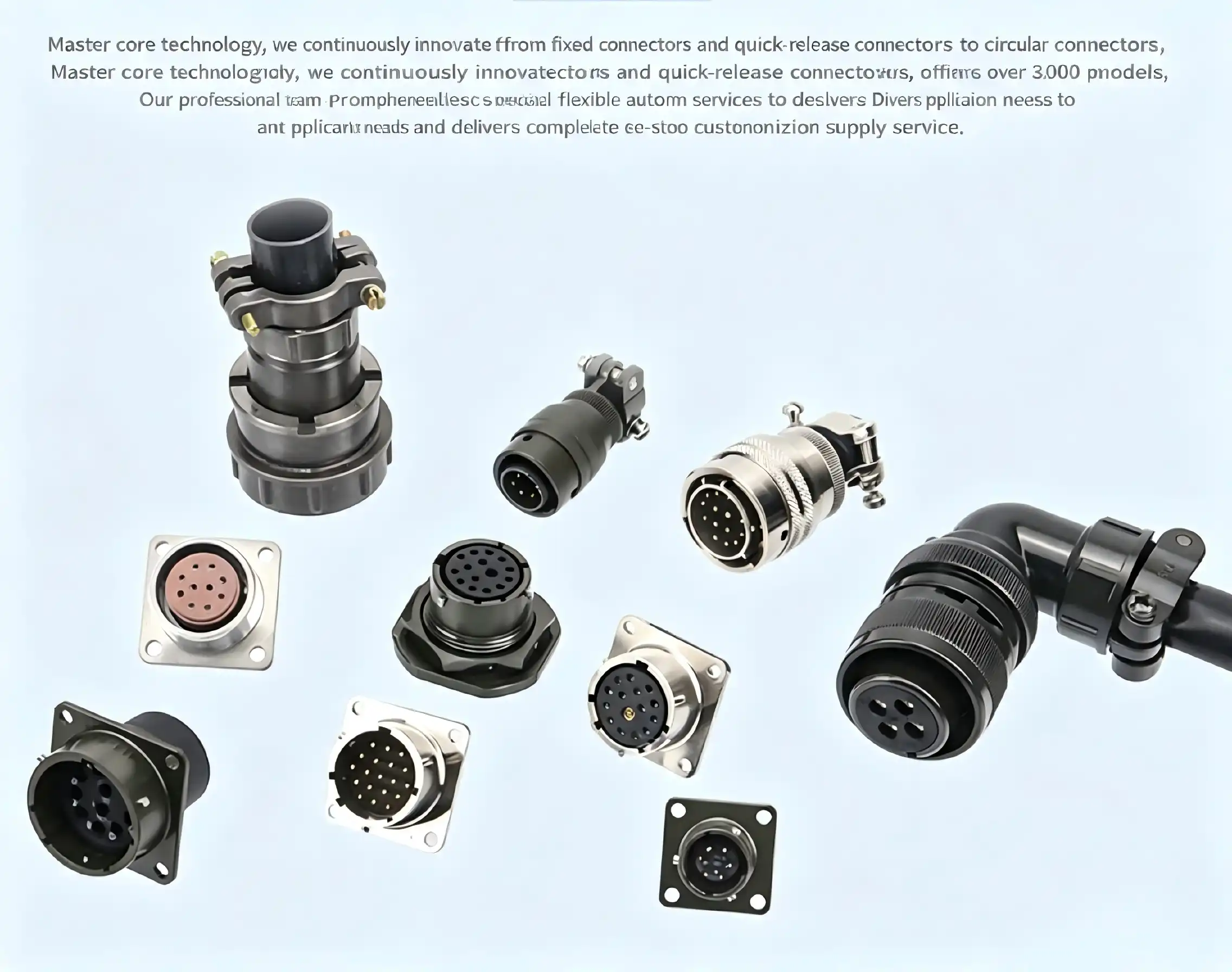
Procurement Guide: Buying MIL-DTL-26482 Series 1 Snap-on Connectors
When looking for military-specification connectors, you need to pay attention to their authenticity, compliance documentation, and the reliability of the supply chain. Sometimes, fake parts get into the distribution channels. This is especially common for well-known product lines that are widely available.
Identifying Qualified Manufacturers and Suppliers
Specification compliance is guaranteed by well-known manufacturers who keep their qualification approval on the Defense Logistics Agency's Qualified Products List. Asking for test results that include environmental testing, contact resistance readings, and material standards is a good way to make sure that stated conformance is true when looking at different sources. Shaanxi Chuangyu Electronic Technology Co., Ltd. makes high-precision electrical connectors, such as military-grade circular connectors that meet international standards. Their thorough quality control processes make sure that their products are reliable in aerospace, defense, and industrial settings. Authorized distributors keep track of paperwork that connects products to manufacturing lot codes. This makes it easy to fix problems quickly if they happen in the field. When compared to aftermarket suppliers that haven't been checked out, buying through established channels lowers long-term program risk, even if it means paying a little more per unit.
Pricing Models and Volume Considerations
Connector prices go up a lot as the number of orders goes up. For small trial runs, the cost per unit may be several times what it is for runs of more than 1,000 pieces. Early on in the program development process, procurement managers should talk to suppliers to learn about price tiers and framework deals that cover both the initial development quantities and the expected production volumes. When there are supply problems in the market as a whole, bulk purchasing commitments can often get you better prices and a guaranteed spot in line. Lead times and logistics prices are affected by regional supply. Manufacturing and stocking in North America cuts down on shipping times and makes it easier to follow government rules about country-of-origin restrictions. Suppliers with up-to-date factories that can make more than 500,000 RF components and 1 million contact assemblies each year can support both prototype development and full-scale production without having to stop supplies.
Specification Matching and Configuration Selection
To correctly specify connector configurations, you need to pay close attention to the number of contacts, the wire gauge compatibility, the mounting style, and any accessory parts. The placement of the contacts must match the needs of the circuit while still leaving enough space for heat to escape. The choice of wire size affects both the amount of current that can flow and the amount of mechanical strain relief. For example, 20 AWG contacts can handle 500V AC, while 16 AWG versions can handle 300V AC and have higher current capacities. When choosing a backshell, you should think about the cable's thickness, the bend radius, and any weather sealing needs that are specific to the installation site.
Maintenance and Longevity of MIL-DTL-26482 Series 1 Snap-on Connectors
Military connectors need structured repair routines and handling methods that are followed to get the most out of their service life.
Inspection Protocols and Performance Monitoring
Setting up regular inspection times—three times a year is suggested for high-reliability uses—allows early discovery of wear and tear before failures happen. A visual inspection should record the wear patterns on the bayonet, the orientation of the contacts, and the state of the seal. Using low-current ohmmeters for electrical testing makes sure that the contact resistance stays within the limits set by the manufacturer. Readings higher than 9 milliohms show rust or mechanical damage that needs to be fixed. Mating cycle tracking helps find connectors that are getting close to the end of their 500-cycle service life, so they can be replaced before their reliability drops, especially for components such as the MIL-DTL-26482 Series 1 Snap-on Circular Connector used in demanding applications.
Cleaning Procedures and Contamination Control
Environmental contamination hurts the performance of connectors in several ways. Particles stuck between contact surfaces raise the resistance and speed up the wear process. Chemical leftovers can damage plating or insulator materials, making them less strong and electrically inactive. When cleaning, use lint-free brushes and a small amount of isopropyl alcohol on places that will be touched. Corrosive solvents should never come in contact with connector parts because they damage the insulation or plating in a way that can't be fixed. To keep moisture from building up, plugs should be left to dry fully in the air after being cleaned.
Storage Best Practices and Lifecycle Management
When not in use, connectors stay reliable as long as they are stored properly. Controlled climates with moderate humidity levels keep elastomeric seals from drying out and stop condensation, which speeds up corrosion. When protective caps are put on unmated connectors, they keep dust out and keep contact pins from getting damaged by mechanical forces. Material compatibility risks can be eliminated by keeping materials away from organic solvents, gasoline products, and volatile chemicals while they are being stored. Inventory management systems that keep track of when items were made and how long they were stored can help you find old stock that needs to be inspected before it can be installed.
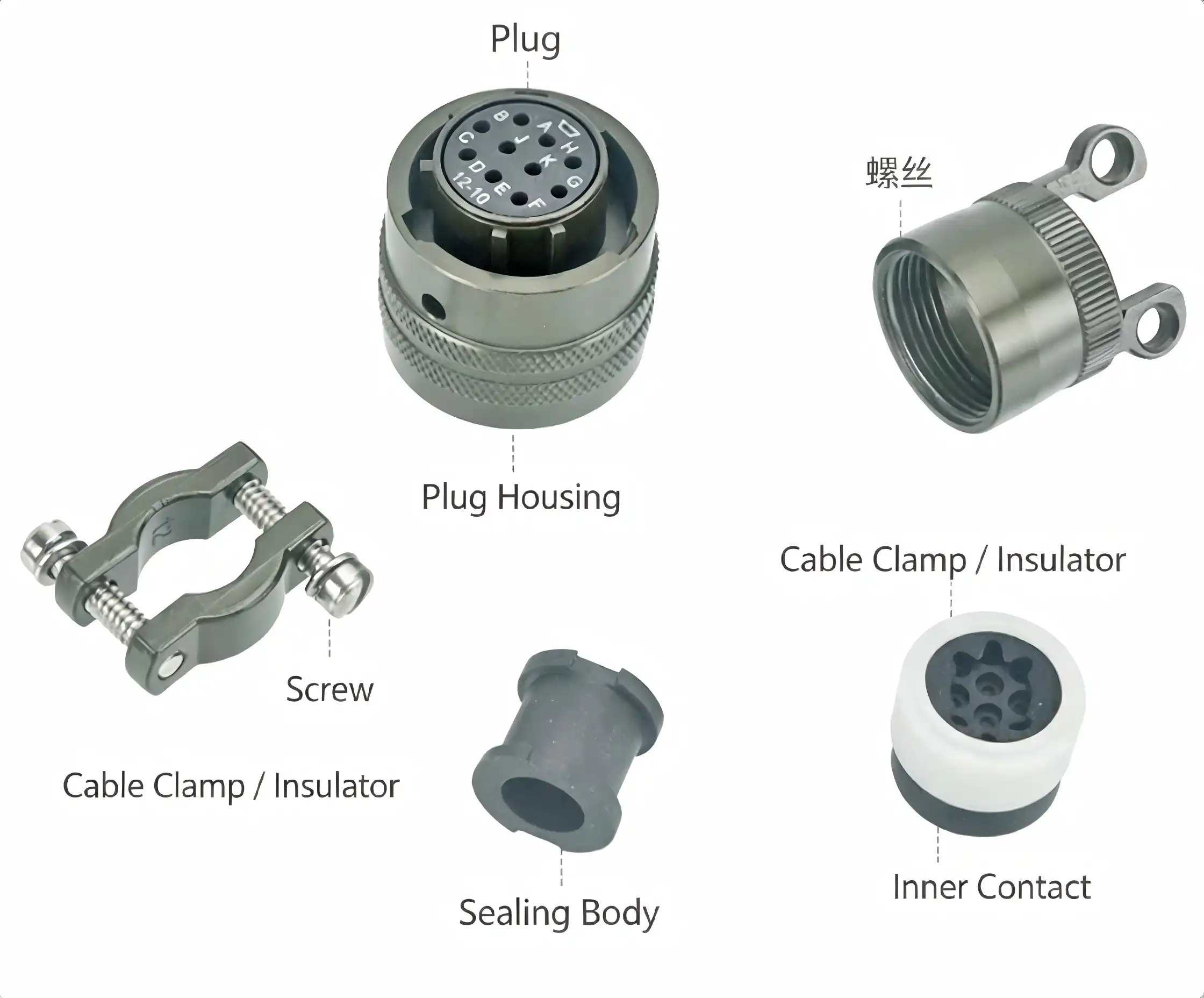
Why Choose MIL-DTL-26482 Series 1 Snap-on Circular Connectors?
The MIL-DTL-26482 Series 1 Snap-on Circular Connectors have been used in military and business settings for decades, showing that they are reliable even in tough circumstances. Even though there are newer connector technologies available, they are still used in new equipment designs because they have a number of main benefits.
Operational Advantages in Critical Applications
The one-third turn mating cycle cuts down on equipment downtime during maintenance work and makes it easier to fix things in the field when conditions are bad. Technicians who wear heavy gloves like the positive physical feedback that bayonet locking gives them compared to threaded options that need to be turned more than once. Anti-misinsertion keying keeps sensitive electronics from getting damaged, which is especially helpful when there are a lot of similar ports close together. In aerospace and portable military systems, where every gram affects fuel efficiency or operator endurance, weight loss is very important. The strength-to-weight ratios of aluminum alloy housings are unmatched by steel housings, which directly leads to better platform performance. Temperature range of -55°C to +125°C allows for use in the Arctic and in equipment bays close to engine compartments without the need for thermal management systems.
Industry-Proven Performance Across Sectors
Military and aerospace installations are the most demanding, and a broken connector can put the mission's success or the safety of the people working there at risk. These connectors are important for keeping electronic systems in planes, missile guidance assemblies, and satellite communication gear working even when there is a lot of vibration, sudden changes in pressure, and temperature cycling. Operational data collected over many years shows that the average time between failures meets the strict reliability requirements set by defense buying standards.
The same tough building materials and weatherproofing that are used in military equipment can also be used in industrial automation. Robot control systems that work in factories have to deal with high and low temperatures, metal particles, and vibrations from heavy machinery. Sensor networks are used in many process industries, and the connectors they use need to be able to last for years without any maintenance. High shielding efficiency ensures electromagnetic compatibility even when placed next to switching power sources and variable frequency drives that send out a lot of interference. Medical imaging tools and outdoor transmission base stations work in more controlled settings than combat systems, but they still need parts that are more reliable than commercial ones. During diagnostic procedures, medical devices can't handle losing their connections, and communication infrastructure has to keep working even during storms and changes in temperature. You can be sure that these plugs will work reliably in less extreme but still demanding business settings because they have a history of doing so in military use.
More and more, unmanned aerial systems are using these connections for power transfer, flight control, and video communication. The short flight time is directly affected by the lightweight aluminum construction, and the ability to quickly disconnect makes pre-flight inspection and post-mission maintenance easier. Reliable performance through temperature and pressure cycling ensures mission success in a wide range of situations, from surveillance flights to agricultural monitoring.
Conclusion
Selecting interconnect solutions for harsh environment applications requires balancing multiple competing priorities including reliability, weight, installation speed, and lifecycle cost. The MIL-DTL-26482 Series 1 Snap-on Circular Connector addresses these requirements through mature design elements validated across decades of military and industrial deployment. Bayonet coupling provides rapid mating, aluminum alloy construction minimizes weight burden, and comprehensive environmental sealing maintains performance through temperature extremes and moisture exposure. Whether supporting aerospace systems, industrial automation, or communication infrastructure, these connectors deliver the proven reliability that mission-critical applications demand.
FAQ
What temperature range can MIL-DTL-26482 Series 1 connectors withstand?
These connectors operate reliably across temperatures from -55°C to +125°C, accommodating both arctic environments and equipment installations near heat sources. This thermal range meets requirements for military aircraft, industrial machinery, and outdoor infrastructure subjected to seasonal temperature variations.
Are Series 1 and Series 2 connectors intermateable?
Series 1 and Series 2 variants maintain intermateability in many shell sizes and contact arrangements, though specific configurations should be verified through dimensional drawings. Both series conform to the same military specification, ensuring mechanical and electrical compatibility when properly matched.
How can authenticity of military-specification connectors be verified?
Authentic connectors include manufacturer identification markings, lot date codes, and military specification callouts on the connector shell. Requesting certificates of conformance from suppliers and verifying manufacturer qualification status through the Defense Logistics Agency Qualified Products List confirms specification compliance.
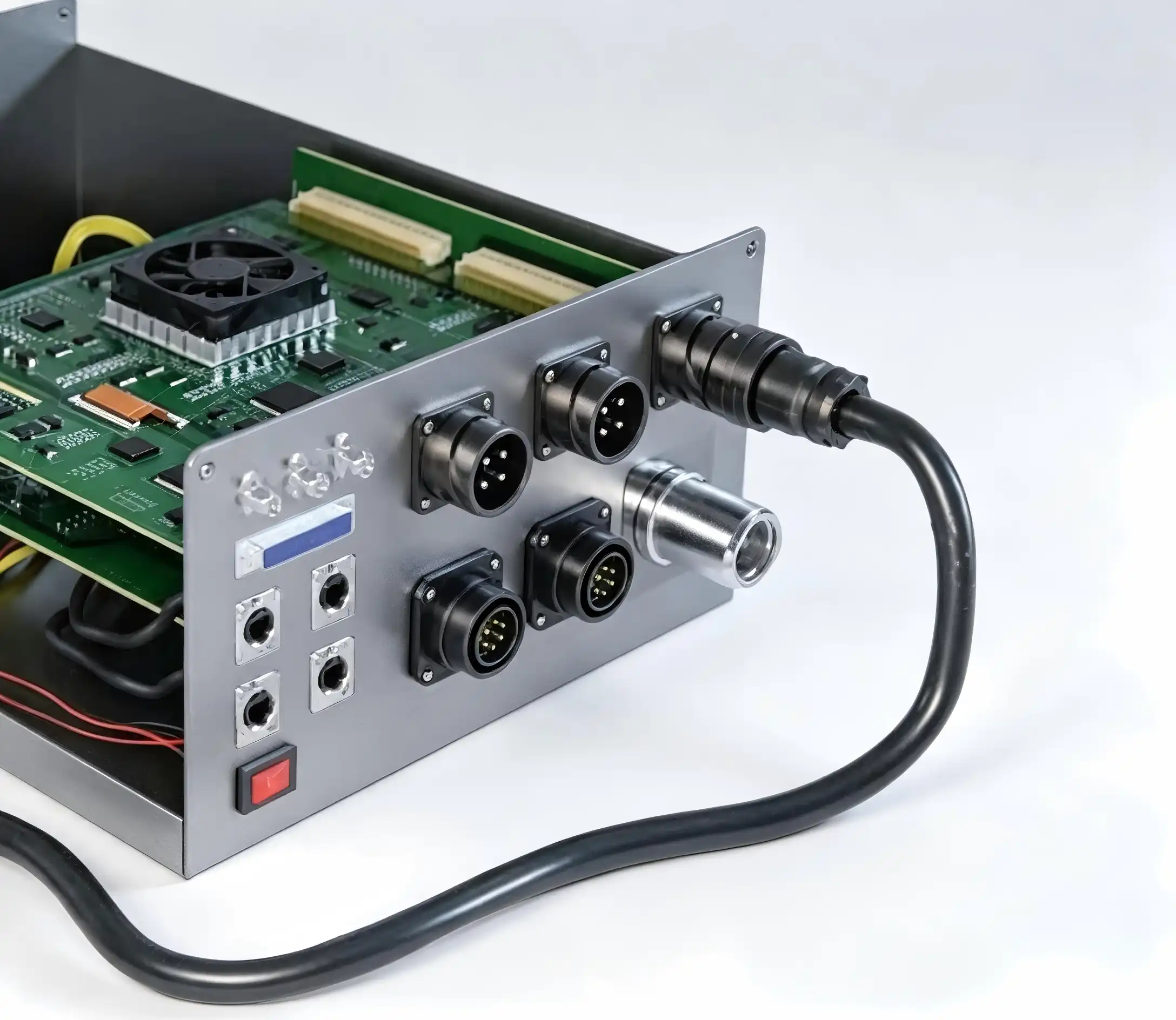
Partner With Chuangyu for Your Connector Requirements
Shaanxi Chuangyu Electronic Technology Co., Ltd. delivers precision-engineered circular connectors meeting military specifications, including MIL-DTL-26482 Series 1 Snap-on Circular Connector requirements, through advanced manufacturing capabilities and rigorous quality control. Our production facility in Xi'an operates specialized lines producing 500,000 RF components and 1 million precision test probes annually, supporting both prototype development and volume production requirements. As a trusted supplier of interconnect solutions to aerospace, defense, medical, and industrial automation sectors, we provide comprehensive technical support ensuring optimal component selection for your specific application. Contact our engineering team at chuangyuwz01@cymicrowave.com to discuss your MIL-DTL-26482 Series 1 Snap-on Circular Connector requirements and receive customized solutions backed by nearly two decades of precision manufacturing expertise. Visit cymicrowave.com to explore our complete product portfolio.
References
1. Military Specification MIL-DTL-26482, "Connectors, Circular, Miniature, Quick Disconnect (Bayonet, Threaded, and Breech Coupling), Environment Resisting, Removable Crimp and Hermetic Solder Contacts," United States Department of Defense, 2015.
2. Anderson, R. & Thompson, K., "Environmental Sealing Performance of Military Circular Connectors Under Extended Exposure Conditions," Journal of Military Electronics, Vol. 34, No. 2, 2019, pp. 112-128.
3. Bishop, M., "Comparative Analysis of Bayonet Versus Threaded Coupling Mechanisms in Harsh Environment Applications," Proceedings of the International Connector Technology Symposium, 2020, pp. 45-62.
4. Chen, L. & Martinez, J., "Contact Resistance Degradation Mechanisms in Gold-Plated Circular Connectors," IEEE Transactions on Components and Packaging Technologies, Vol. 42, No. 4, 2018, pp. 567-581.
5. Defense Logistics Agency, "Qualified Products List QPL-26482: Connectors, Circular, Miniature, Quick Disconnect," United States Department of Defense, 2021.
6. Williams, P., "Lifecycle Cost Analysis of Military-Specification Connectors in Aerospace Applications," Aerospace Engineering Review, Vol. 28, No. 3, 2017, pp. 234-249.