- English
- French
- German
- Portuguese
- Spanish
- Russian
- Japanese
- Korean
- Arabic
- Greek
- German
- Turkish
- Italian
- Danish
- Romanian
- Indonesian
- Czech
- Afrikaans
- Swedish
- Polish
- Basque
- Catalan
- Esperanto
- Hindi
- Lao
- Albanian
- Amharic
- Armenian
- Azerbaijani
- Belarusian
- Bengali
- Bosnian
- Bulgarian
- Cebuano
- Chichewa
- Corsican
- Croatian
- Dutch
- Estonian
- Filipino
- Finnish
- Frisian
- Galician
- Georgian
- Gujarati
- Haitian
- Hausa
- Hawaiian
- Hebrew
- Hmong
- Hungarian
- Icelandic
- Igbo
- Javanese
- Kannada
- Kazakh
- Khmer
- Kurdish
- Kyrgyz
- Latin
- Latvian
- Lithuanian
- Luxembou..
- Macedonian
- Malagasy
- Malay
- Malayalam
- Maltese
- Maori
- Marathi
- Mongolian
- Burmese
- Nepali
- Norwegian
- Pashto
- Persian
- Punjabi
- Serbian
- Sesotho
- Sinhala
- Slovak
- Slovenian
- Somali
- Samoan
- Scots Gaelic
- Shona
- Sindhi
- Sundanese
- Swahili
- Tajik
- Tamil
- Telugu
- Thai
- Ukrainian
- Urdu
- Uzbek
- Vietnamese
- Welsh
- Xhosa
- Yiddish
- Yoruba
- Zulu
When sourcing a BMA printed circuit connector, certifications directly impact reliability, regulatory compliance, and signal performance. Critical certifications include ISO 9001 for quality management, RoHS and REACH for environmental safety, UL for electrical safety, IPC/WHMA-A-620 for cable assembly standards, and MIL-STD specifications for military-grade applications. These credentials validate that connectors meet stringent manufacturing, material, and testing benchmarks essential for high-frequency RF systems operating in demanding environments.
Understanding BMA Printed Circuit Connectors and Their Certification Needs
What Defines BMA Connectors in RF Applications
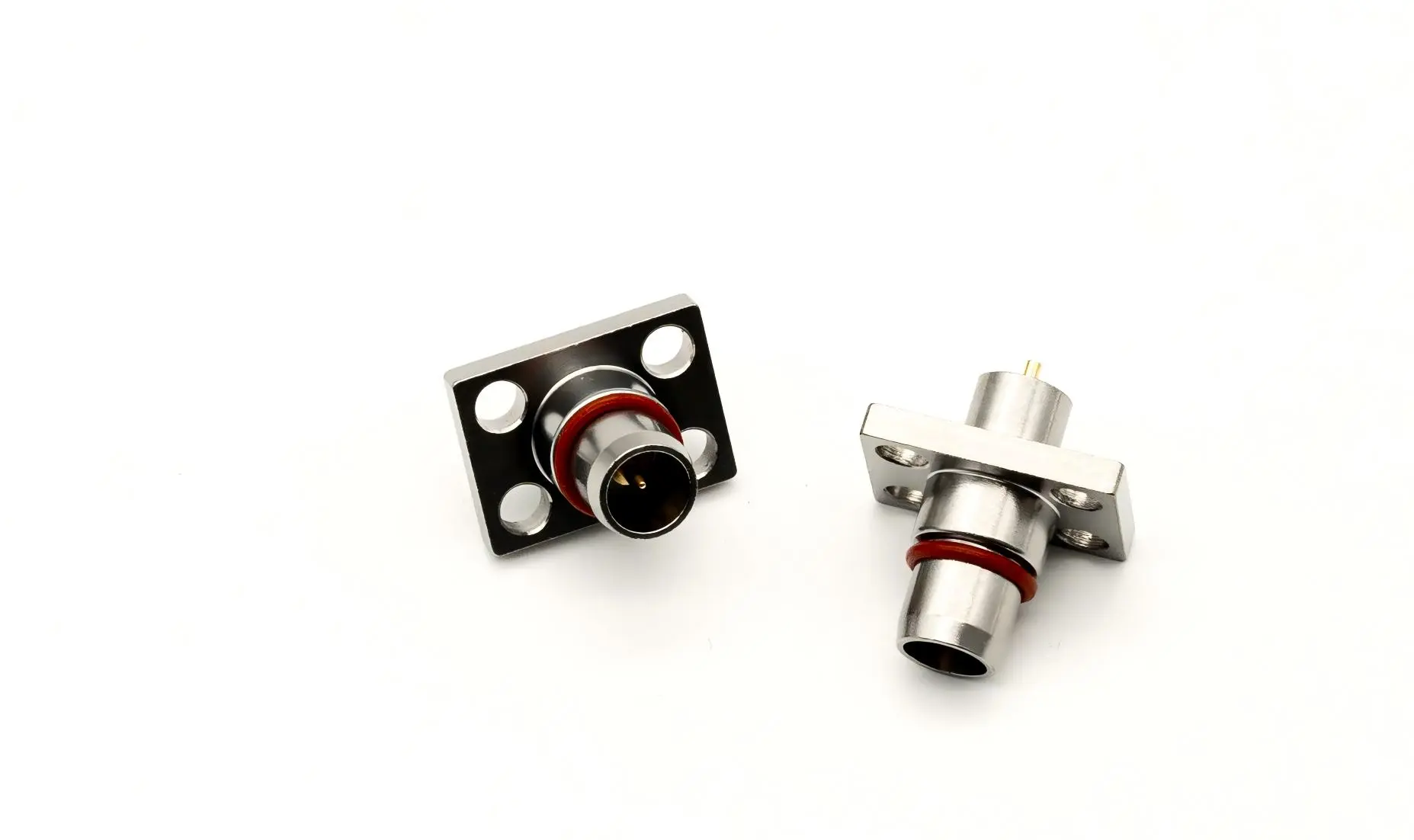
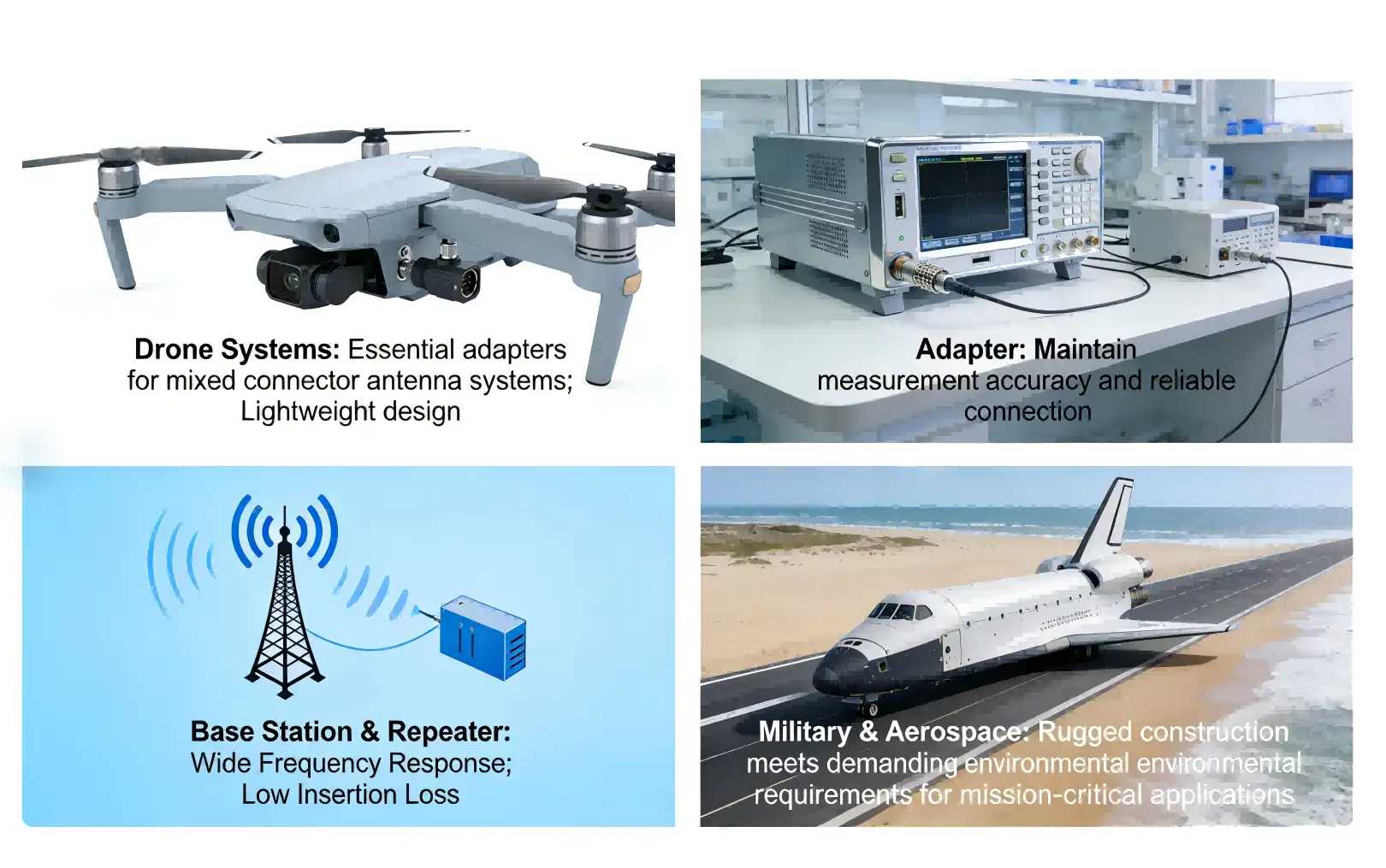
BMA connectors are a special kind of high-frequency connection that is made to work with blind-mate uses between modules and backplanes. BMA interfaces are different from regular threaded connections because they use slide-on engagement systems that can handle misalignment through spring-loaded float technology. These connectors work well up to 18 GHz and come in precision versions that can reach 22 GHz. They solve important problems in modular rack-and-panel systems where mistakes in manual alignment can damage signals. The BMA printed circuit connector configuration usually has a 50-ohm impedance and a VSWR value below 1.15:1. This makes it an essential part of base stations for telecommunications, radar systems, and satellite communication gear that needs to keep working properly even when it is under a lot of mechanical stress.
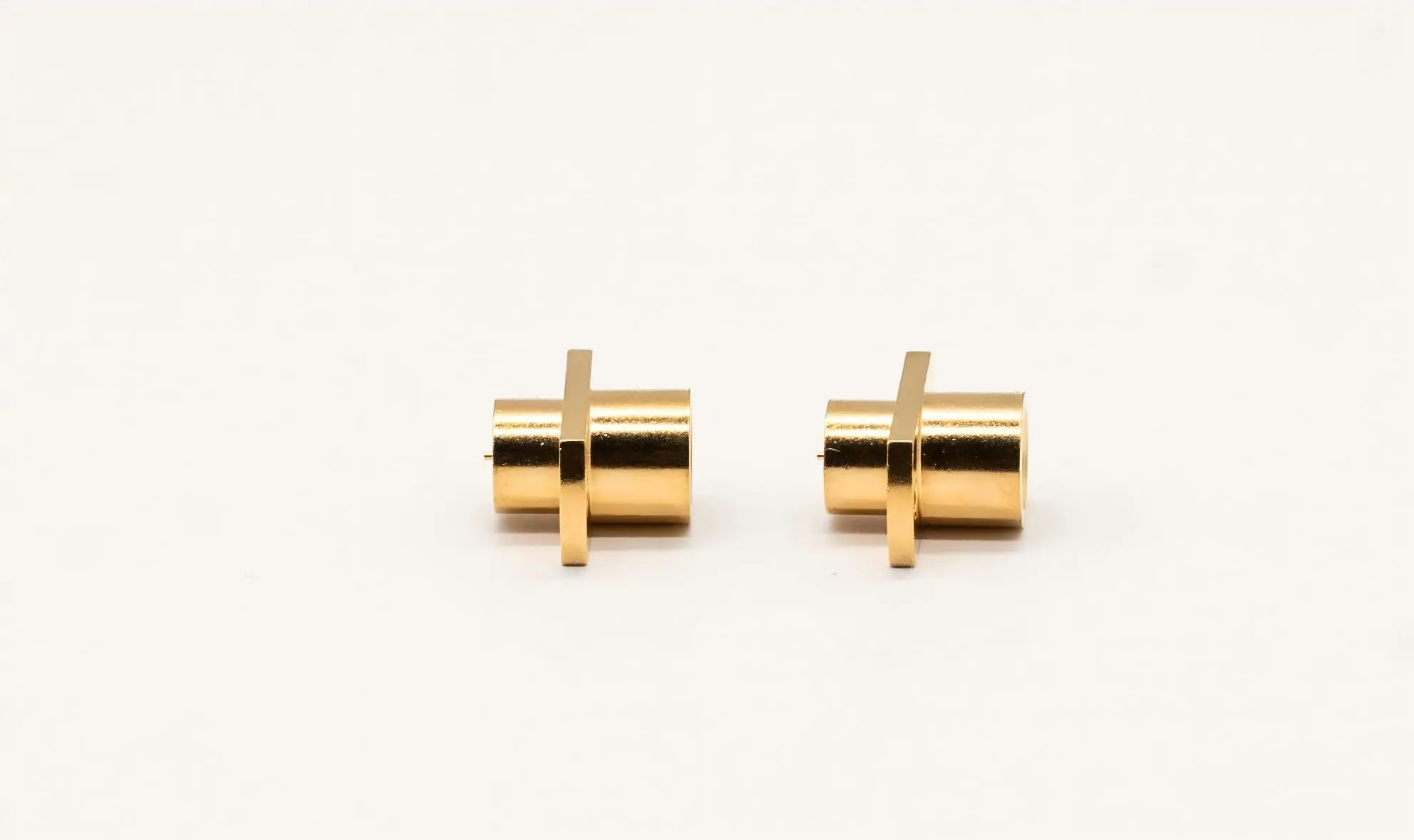
The actual structure is made up of gold-plated beryllium copper center contacts and housings made of stainless steel or passivated brass. This makes it durable in places with a lot of stress. This way of thinking about design solves the problem of thermal expansion that comes up with high-density electrical systems. This is especially helpful in automatic production lines where repeatability of connections is important. Engineers who work with millimeter-wave cable assemblies and RF microwave components are asking for BMA configurations more and more. This is because their float capability—about 0.51 mm axially and 0.20 mm radially—ensures constant electrical contact even if parts move during operation or assembly.
Why Certifications Matter for Procurement and Design
When buying RF connectors, certification guidelines act as quality guardians. Certifications are used by hardware design engineers and purchase managers to check if a BMA printed circuit connector provider is consistent with manufacturing, uses safe materials, and works well. These certificates lower technical risk by showing that connections were tested by a third party against well-known standards. Without the right approval, businesses could fail to follow the rules, have signals lose their quality due to using low-quality materials, or have technical problems when they are under a lot of stress.
A lot of different manufacturers have to follow rules like MIL-STD-348 and MIL-PRF-39012 to make sure that connectors from different sources stay electrically and mechanically compatible. When putting together complex systems with parts from different suppliers, this standardization becomes very important. Environmental concerns are also taken into account when it comes to certification. For example, RoHS compliance limits dangerous chemicals like lead and mercury, protecting both end users and industrial workers while also meeting the needs of international trade.
Key Certifications That Matter for BMA Printed Circuit Connectors
ISO 9001 Quality Management Standards
With ISO 9001 certification, quality control is set up to run smoothly throughout the whole manufacturing process. Manufacturers with this credential show that they have written procedures for validating designs, keeping an eye on the production process, and always making things better. When looking for BMA connectors for precision test probes or RF cable assemblies, this certification shows that suppliers keep records of traceability, do regular audits, and take corrective actions when things go wrong. The standard doesn't say what exact technical parameters should be used, but it does make sure that quality processes are always followed, which has a direct effect on how reliable connectors are across production batches.
Environmental and Safety Compliance: RoHS and REACH
RoHS (Restriction of Hazardous Substances) compliance is now required for electronic parts sold in Europe, and it is becoming more and more common around the world. This rule limits the amounts of lead, cadmium, mercury, hexavalent chromium, and brominated flame retardants that can be found in electrical goods. An approved BMA printed circuit connection that meets RoHS standards can use different materials, like halogen-free insulators and lead-free solder, without affecting the electrical performance. REACH (Registration, Evaluation, Authorization, and Restriction of Chemicals) adds to these safety measures by making companies tell people about Substances of Very High Concern and use them as little as possible.
These environmental approvals have a direct effect on the buying choices of companies that make medical devices and automation equipment. These companies must show that their supply chains are in line with regulations. The licenses also protect businesses from being sued for improperly getting rid of hazardous trash or failing to ensure worker safety while they are making things or providing services in the field.
UL and IPC Standards for Safety and Assembly
Electrical safety is confirmed by UL approval, which involves strict tests of voltage withstand, insulator resistance, and flammability. Connectors with UL marks have been tested to see how much current they can carry and how much they can heat up under certain conditions. This is especially important for BMA printed circuit link uses in high-power RF transmission systems, where managing heat can affect how reliable the system is over time. Protocols for testing make sure that dielectric materials stay strong even when they are exposed to long-term electrical stress and the environment.
IPC/WHMA-A-620 standards talk about cable and wire harness systems in detail, covering things like crimping quality, strain relief application, and criteria for good visual workmanship. These rules make sure that wire assemblies with BMA connections meet the standards for electrical continuity and mechanical strength in the business. When buying whole cable assemblies instead of individual connectors, procurement teams should make sure that suppliers follow these standards. These standards have a direct effect on the number of failures in the field and the cost of maintenance.
Military and Aerospace Certifications
MIL-STD-348 and other related military standards set performance standards for connectors used in defense and aerospace. These standards call for wider temperature ranges, resistance to shock and pressure, and faster life testing that goes beyond what is needed in the business world. To make sure it works in harsh conditions, a BMA printed circuit connector that meets military standards is put through environmental tests like being exposed to salt spray, cycling through different temperatures, and simulating being at high altitude.
As a condition of their contracts, defense companies and aerospace system integrators usually need these credentials. The qualification method includes approval of the design, review of the first item, and regular conformance testing to make sure that compliance continues. These certifications raise the cost and wait time of connectors, but they guarantee that parts will work consistently in mission-critical radar systems, satellite communications, and electronic warfare equipment used in the air.
How Certifications Influence BMA Connector Procurement Decisions
Supplier Evaluation and Risk Mitigation
When looking for potential BMA printed circuit connector suppliers, certification credentials are the first thing that is checked. Large manufacturers like Amphenol and HUBER+SUHNER keep a lot of certifications that show they can meet the needs of a wide range of industries. When purchasing managers get multiple bids, certification status helps them tell the difference between suppliers with proven quality systems and those who make claims that can't be proven.
If a seller has ISO 9001, RoHS, or other industry-specific certifications, it means they have invested in quality infrastructure and have the paperwork systems needed for failure analysis and traceability. When production is scaled up or second sources are checked out to make the supply chain less vulnerable, this becomes very important. Suppliers who don't have the right licenses pose risks like not following the rules, inconsistent product quality, and not being able to provide enough expert help.
Balancing Cost, Lead Time, and Certification Requirements
Certified Bma printed circuit connector goods usually cost more than uncertified ones because they have to go through more testing, paperwork, and stricter production controls. Purchasing managers need to decide if the benefits of licensing outweigh the differences in cost based on how important the application is and how much the company could be affected by regulations. For medical devices or aerospace systems that need to be very reliable, the extra money is worth it. However, connectors with fewer certifications might be fine for prototyping or low-volume projects.
Lead times also change based on the needs of the certification. When compared to commercial-grade products, military-qualified connectors often need longer testing and production cycles. Companies that are making new goods should include these deadlines in their project plans, especially when they need to ship certified products or include certification paperwork in regulatory applications. Strategic partnerships with certified suppliers help with planning and may give you access to certified parts that are already in stock, which shortens the time it takes to buy things.
How to Verify and Evaluate Certifications of BMA Printed Circuit Connectors
Documentation Review and Third-Party Verification
Real certifications have paperwork that can be used to track them down, like certificate numbers, lists of who issued the certification, what it covers, and when it expires. When buying from a Bma printed circuit connector seller, sourcing teams should ask to see real certificates instead of believing what they say on websites or in marketing materials. UL certifications link to online databases where buyers can check the product's current state and coverage. ISO certificates should show the registrar's accrediting body.
Verification by a third party through the databases of certification bodies adds to the confidence. Public records of certified products and manufacturers are kept by groups like UL, TÜV, and CSA. Material composition reports and test data from approved laboratories can be used to prove that something is RoHS-compliant. This process of reviewing documentation helps find suppliers who are lying about their certifications or using credentials that have expired. This keeps companies from having compliance problems that are found during customer audits or regulatory inspections.
Technical Datasheet Analysis and Performance Testing
Claims about certification should match the technical details that are listed in product datasheets. In its paperwork, a certified BMA printed circuit connector will list important standards, such as specific test methods and performance factors. Along with the relevant certification standards, datasheets should make it clear what the frequency range is, what the VSWR specifications are, what the insulation resistance is, and what the temperature ratings are. There should be more research done when there are differences between claimed certifications and published specifications.
Performance confirmation through incoming inspection or qualification testing backs up claims of approval with real-world evidence. Organizations that can test and measure things can use network testers to do electrical analysis and check the performance of impedance matching and insertion loss. Connectors meet certain standards by being tested mechanically, such as by measuring mating force, retention strength, and durability cycling. Comprehensive testing raises the cost of buying, but it lowers the risk of getting fake or low-quality parts that could hurt system performance.
Best Practices for Procuring Certified BMA Printed Circuit Connectors
Defining Application-Specific Certification Requirements
For buying to go well, it's important to be clear about which certifications are required and which are desired for each application. For medical device projects that need FDA approval, connectors must meet UL and RoHS standards and have a clear history of where they came from. On the other hand, business telecoms equipment may put ISO 9001 and IPC standards higher on its list of priorities. R&D engineers should work with regulatory experts early on in the design process to come up with relevant standards that will guide the choice of components. This way, redesigns won't have to be done too late when non-compliant parts are found.
Suppliers will not be confused if you make clear specifications that list required certifications, acceptable alternatives, and expected documentation. As binding duties, these needs should be written into requests for quotes and purchase orders. Specification documents should also include information on how often to recertify parts that have limited qualifications. This will make sure that purchased inventory stays compliant during its shelf life and planned use period.
Building Relationships with Certified Manufacturers
Long-term agreements with well-known, approved makers offer security and technical help that can't be found in one-time purchases. Companies like Molex and Pasternack put a lot of money into keeping their certification lists up to date and can give technical advice on how to choose and use connectors correctly. These connections make it easier to get certification documents, information about the materials used, and notices of changes that affect a product's compliance status.
Working together with makers also lets MBA printed circuit connector solutions be tailored to specific needs while still upholding the purity of certification. There are a lot of providers that can make pin configurations, mounting choices, or cable lengths that are specific to an application without voiding any current certifications. This adaptability is useful when making precise test probes or waveguide converters that need to be different from standard catalog items. Using certified manufacturers during the design phase, instead of after the specifications are set in stone, leads to better results and shorter procurement cycle times.
Monitoring and Reassessing Supplier Certification Status
Manufacturers must keep up with certification maintenance on a regular basis, and status can change when certifications end, surveillance checks fail, or regulatory requirements change. Organizations in charge of buying things should check the approval status of suppliers on a regular basis. This is especially important for parts that will be used in long-term production plans. Automated tracking systems that keep track of when certifications expire and let people know when they need to be renewed help keep supplies from being interrupted by expired credentials.
Changes in industry regulations also mean that certification requirements need to be looked at again. If there are changes to the RoHS substance limits, the military's requirements, or new regional compliance laws, it may be necessary to certify new sources or remake parts. Industry groups and certification bodies can keep you up to date on changes to regulations. This way, you can respond proactively instead of reactively when customers or regulators find compliance gaps.
Conclusion
Certifications play a big role in how BMA printed circuit plugs are bought because they confirm quality, safety, and performance factors that are hard to see. Different types of standards, like ISO 9001, RoHS, REACH, UL, IPC, and military specifications, deal with different types of risk that are important for certain uses and industries. Professionals in procurement have to find a balance between the need for certification and the need to stay on schedule and within budget, all while keeping strict checking processes to make sure that seller claims are real. A procurement structure that supports long-term product stability and regulatory compliance in demanding RF and microwave applications is made up of partnerships with certified makers, clear standard development, and ongoing tracking of regulatory changes.
FAQ
Are certifications mandatory for all BMA printed circuit connector applications?
The certification requirements change depending on the type of business, the location of the market, and how important the application is. Certain certifications, such as UL, RoHS, or military standards, are often needed for medical devices, aerospace systems, and goods sold in controlled markets. Certifications may not be required by law for commercial uses, but they are a good idea because they show that the work is of high quality. Even if they aren't required, certifications lower the risk of buying things and make the process of qualifying people in the supply chain easier.
How do certifications impact signal integrity performance?
Minimum performance standards are set by certifications like MIL-STD-348 and IPC standards. These standards include VSWR limits, insertion loss specifications, and impedance tolerances that directly affect the purity of the signal. Certified plugs are tested to make sure that these electrical factors are correct over certain frequency bands. Although certification doesn't improve the quality of the design itself, it does provide proof that connections meet performance standards important for high-frequency uses up to 18 GHz or higher in precision versions.
Do certification requirements differ across industries and regions?
The certification environment is very different depending on the business and location. RoHS and REACH compliance are important in European markets, while UL and FDA compliance are important in North American medical equipment markets. MIL-STD specifications are used in military and aerospace applications all over the world, though national defense standards may be more relevant. Manufacturers that sell to customers all over the world usually have more than one certification to meet the needs of different regions and industries. This makes it important to choose a provider based on their application-specific certification portfolios.
Source High-Quality Certified BMA Printed Circuit Connector Solutions from Chuangyu
To get through the complicated certification process, you need to work with manufacturers who keep strict quality standards and full compliance documentation. Chuangyu makes high-precision RF connectors and millimeter-wave cable systems that meet world quality and safety standards for the environment. We have been making things for almost twenty years, so we know how to make BMA connector setups that work for high-frequency uses up to 110 GHz.
As a top provider of BMA printed circuit connectors, we offer full technical paperwork that makes the approval process for purchasing easier. This includes certification records, material composition reports, and performance test data. Our engineering team works with customers to find the best connectors for applications that need to meet a wide range of certification standards, such as telecommunications, medical devices, photovoltaic testing, and automation. No matter if you need regular catalog items or custom probe solutions, our quality control systems make sure that all of our production numbers are in line with the rules. Email our team at chuangyuwz01@cymicrowave.com to talk about your unique certification needs and find out how our certified connector options can help make your product more reliable. You can look at our full list of products and certifications at cymicrowave.com.
References
1. Institute of Electrical and Electronics Engineers, "IEEE Standard for Precision Coaxial Connectors at RF, Microwave, and Millimeter-Wave Frequencies," IEEE Std 287-2007, 2007.
2. U.S. Department of Defense, "Military Standard: General Requirements for Electronic Test Equipment, MIL-STD-348A," Defense Standardization Program Office, 1988.
3. IPC Association Connecting Electronics Industries, "Requirements and Acceptance for Cable and Wire Harness Assemblies, IPC/WHMA-A-620C," IPC, 2012.
4. European Commission, "Directive 2011/65/EU on the Restriction of the Use of Certain Hazardous Substances in Electrical and Electronic Equipment," Official Journal of the European Union, 2011.
5. Underwriters Laboratories, "Standard for Safety for Connectors and Switches for Use in Audio, Video, Information and Communication Technology Equipment, UL 2238," UL Standards, 2020.
6. International Organization for Standardization, "Quality Management Systems—Requirements, ISO 9001:2015," ISO Central Secretariat, 2015.