- English
- French
- German
- Portuguese
- Spanish
- Russian
- Japanese
- Korean
- Arabic
- Greek
- German
- Turkish
- Italian
- Danish
- Romanian
- Indonesian
- Czech
- Afrikaans
- Swedish
- Polish
- Basque
- Catalan
- Esperanto
- Hindi
- Lao
- Albanian
- Amharic
- Armenian
- Azerbaijani
- Belarusian
- Bengali
- Bosnian
- Bulgarian
- Cebuano
- Chichewa
- Corsican
- Croatian
- Dutch
- Estonian
- Filipino
- Finnish
- Frisian
- Galician
- Georgian
- Gujarati
- Haitian
- Hausa
- Hawaiian
- Hebrew
- Hmong
- Hungarian
- Icelandic
- Igbo
- Javanese
- Kannada
- Kazakh
- Khmer
- Kurdish
- Kyrgyz
- Latin
- Latvian
- Lithuanian
- Luxembou..
- Macedonian
- Malagasy
- Malay
- Malayalam
- Maltese
- Maori
- Marathi
- Mongolian
- Burmese
- Nepali
- Norwegian
- Pashto
- Persian
- Punjabi
- Serbian
- Sesotho
- Sinhala
- Slovak
- Slovenian
- Somali
- Samoan
- Scots Gaelic
- Shona
- Sindhi
- Sundanese
- Swahili
- Tajik
- Tamil
- Telugu
- Thai
- Ukrainian
- Urdu
- Uzbek
- Vietnamese
- Welsh
- Xhosa
- Yiddish
- Yoruba
- Zulu
Selecting the best single-pin feedthrough supplier requires careful evaluation of technical capabilities, quality systems, and operational reliability. A superior supplier delivers hermetically sealed components with verified leak rates, maintains comprehensive certification compliance, offers customization expertise, and provides transparent communication throughout the procurement cycle. The right partner understands your specific environmental requirements—whether vacuum, pressure, or temperature extremes—and delivers solutions backed by rigorous testing protocols and responsive technical support that minimize project risk.
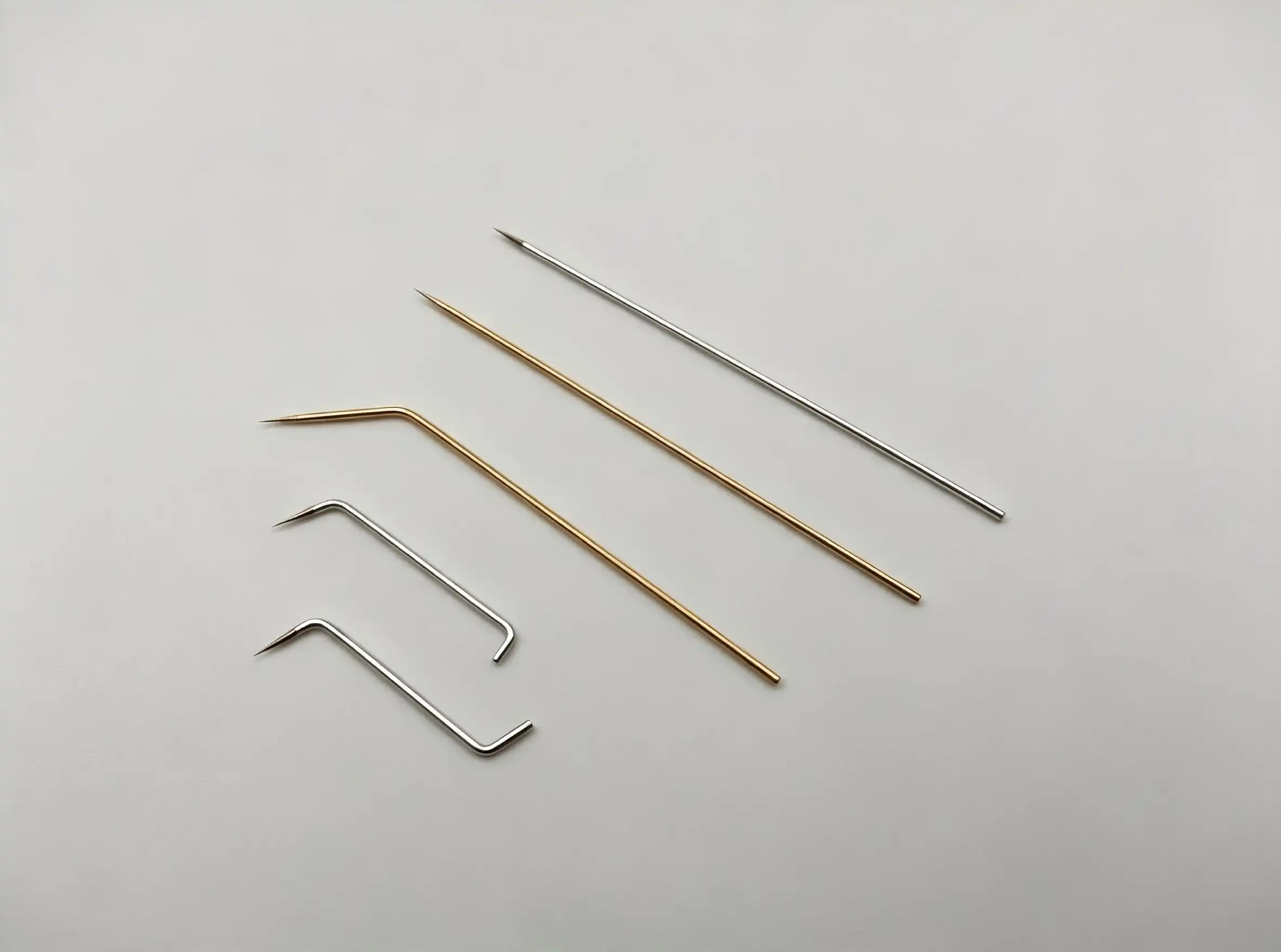
Core Criteria to Evaluate When Choosing a Single Pin Feedthrough Supplier
Setting clear evaluation criteria before hiring potential suppliers makes the whole process of buying things a lot more efficient. We've found that systematic assessment cuts down on project delays and makes sure that the skills of the supplier match the needs of the application.
Quality Assurance and Certification Compliance
A reliable single-pin feedthrough supplier has a number of quality approvals that show they make great products. ISO 9001 certification shows basic quality management, and AS9100 certification shows methods that are fit for aircraft use. RoHS and REACH compliance make sure that materials are safe and that people care about the earth. Suppliers who work with the defense industry should have the right security clearances and be able to show that they follow MIL-STD-1344 or MIL-DTL-38999. Check the supplier's quality paperwork methods as well as their certifications. Standard offerings should include a proof of conformance, test records, and the ability to track down materials. Helium leak tests with recorded results prove hermetic integrity. This is especially important for vacuum uses where even tiny leaks can break the system.
Product Range and Customization Capabilities
Standard store items can be used for common tasks, but they often need to be changed for more specific jobs. The best suppliers keep a large selection of standard products and offer engineering help for custom designs. Check to see if the supplier can change the pin diameter, housing size, insulation materials, and plating choices to meet your needs. Suppliers who offer CAD models and technical drawings in more than one format are valued by design engineers. Custom prototyping with reasonable lead times lets you test things out before committing to large-scale production. Suppliers who have their own engineering teams can work together to solve problems that are unique to a certain application by offering design changes that make the product work better or cost less.
Lead Time Management and Supply Chain Reliability
Production plans depend on being able to predict when parts will arrive. Project bottlenecks can be avoided by knowing a supplier's manufacturing capacity and normal wait times. Well-run sellers give realistic deadlines and information on the status of custom orders. Planning your inventory is affected by minimum order quantities (MOQs). MOQs that are flexible allow for both prototype development and production scaling. Being close to manufacturing hubs or strategically placing supplies can speed up delivery for urgent needs. Being open about where raw materials come from and when production will happen in the supply chain builds trust in delivery promises. Backup manufacturing capacity and backup plans show that you are ready for changes in demand or problems with supply.
Pricing Structure and Total Cost Analysis
The price of the parts at the start is only one part of the total cost of ownership. Check to see if prices are the same across all order sizes, and look into ways to break down orders in a way that lowers the cost per unit. It is important to be clear about any hidden costs, such as tooling charges, engineering fees, or expedite premiums, from the start. Reliability creates long-term value; parts that break down too soon cause replacement costs, lost production time, and possible guarantee claims that are much higher than the initial savings. Clear quotation processes with detailed breakdowns make it possible to plan a budget that works. When you buy something from another country, the payment terms and currency options are important. So are the shipping plans and help with customs paperwork.
Comparing Single Pin Feedthrough Suppliers: What Sets the Best Apart?
Once you've used basic criteria to narrow down the list of possible sellers, a more in-depth comparison will show you important differences that will affect the success of your long-term relationship. We suggest looking at both the tangible and the intangible factors that make a supplier great.
Specialization Versus Broad Product Portfolios
Some providers only sell hermetic feedthroughs and the sealing technology that goes with them. They become very good at glass-to-metal sealing methods, vacuum technology, and ways to test for leaks. This level of specialization usually means better technological help and new ways to solve problems in difficult situations. On the other hand, larger companies that make electrical connectors might offer both single-pin feedthroughs and multi-pin setups, which is helpful for projects that need more than one type of connection. For hermetic applications, specialized suppliers usually keep tighter tolerances and stricter testing protocols. Experience with multiple pin feedthroughs can help with single-pin designs, especially when it comes to managing current density and temperature.
Track Record and Customer Validation
Verified customer reviews give you an idea of how well a seller really does in the real world. In addition to marketing materials, you should also look at reviews from outside sources, case studies with measurable results, and industry references. Suppliers that work with tough industries like aerospace and medical devices have shown they can meet strict needs. Putting out technical papers or patents shows that you are innovative and have a lot of technical knowledge. Membership in industry groups and attendance at conferences are signs of active involvement with new technologies and standards. Consistency and dependability are proven by long-term partnerships with big OEMs. Ask for references from customers who have used similar products and numbers to what you want to do.
Technical Support and Warranty Policies
Accessible tech help is what sets great providers apart from just-good ones. Pre-sale advice helps set the best specs and avoids mistakes in design that cost a lot of money. During integration, quick expert support answers questions about installation and fixes problems that come up out of the blue. Post-delivery support takes care of problems in the field and helps find the root cause of problems when they happen. A full guarantee that lasts for 12 to 24 months shows that the company that made the product is confident in its quality. Having clear warranty terms that spell out the conditions of coverage and how to file a claim stops arguments. Some providers offer longer warranties or performance guarantees for uses that are very important. The quality of the technical documentation, which includes installation instructions and handling instructions, shows how much the supplier cares about the success of their customers.
Sustainability and Compliance Commitments
Environmental and legal factors are being taken into account more and more in modern buying, beyond just how well the product works. Suppliers who are committed to sustainable manufacturing practices reduce their impact on the environment by reducing waste, saving energy, and sourcing materials in a responsible way. Reporting on conflict minerals and being open about the supply chain are both good examples of business social responsibility. Legal problems can be avoided in the future by following new rules like California's Proposition 65 or European Union directives. Environmental standards, such as ISO 14001, show that environmental management is done in a planned way. The circular economy is based on programs that recycle or reuse materials at the end of their useful lives. Suppliers who keep an eye on changes to regulations help customers stay in line as requirements change.
Streamlining Procurement: Best Practices for Ordering Single Pin Feedthroughs
Procurement methods that work well cut down on clerical work and speed up project timelines. We've come up with useful methods that make finding parts easier while still making sure they meet specifications.
Requesting Quotes and Technical Samples
Request for Quote (RFQ) packages that are well-thought-out get accurate replies and cut down on iteration rounds. Include all technical details, such as the diameter and material of the conductor, the type of insulation, the size and material of the housing, the rated voltage and current, the working temperature range, the conditions of exposure to the environment, and any certificates that are needed. Give information about the application, such as vacuum levels, pressure differences, vibration exposure, and expected lifetimes. This will help providers suggest the best designs. Ask for CAD models or dimensional drawings to quickly check if the parts will work together mechanically. Requesting samples lets you check the product physically before committing to production. This is especially helpful when switching to a new single-pin feedthrough supplier or making custom designs.
Managing Lead Times and Volume Orders
Knowing how production cycles work lets you make realistic plans for your schedule. Most standard goods are shipped within days, but unique designs may need weeks to be prototyped and approved. Make sure everyone knows when things need to be done on a project, and make sure you differentiate between prototype needs and production release times. Making a promise to a certain volume can sometimes lead to better prices or more manufacturing slots. To balance the costs of keeping inventory with the need to keep making things, you might want to use blanket purchase orders with scheduled releases. Having a buffer stock of long-lead items guards against sudden increases in demand or problems with supply. Forecasting insight helps providers use their resources and raw materials more effectively, which could make them more flexible.
Logistics and Risk Mitigation Strategies
When you buy something from another country, things like shipping, clearing customs, and legal paperwork can get complicated. Make sure you understand the shipping terms (FOB, CIF, DDP) so you know who is responsible for costs and where the risk lies. Suppliers who know how to export goods give correct commercial invoices, certificates of origin, and technical paperwork that meet customs requirements. Good packaging keeps things from getting damaged during shipping; sealed parts need to be kept safe from water and shocks. Having insurance protects you from loss or damage. Diversified buying from more than one provider or geographic area lowers the risk of a single point of failure. However, the costs of qualification must be weighed against the benefits of lowering risk. Regular checks of suppliers make sure they can keep doing what they're doing and find any problems before they affect service.
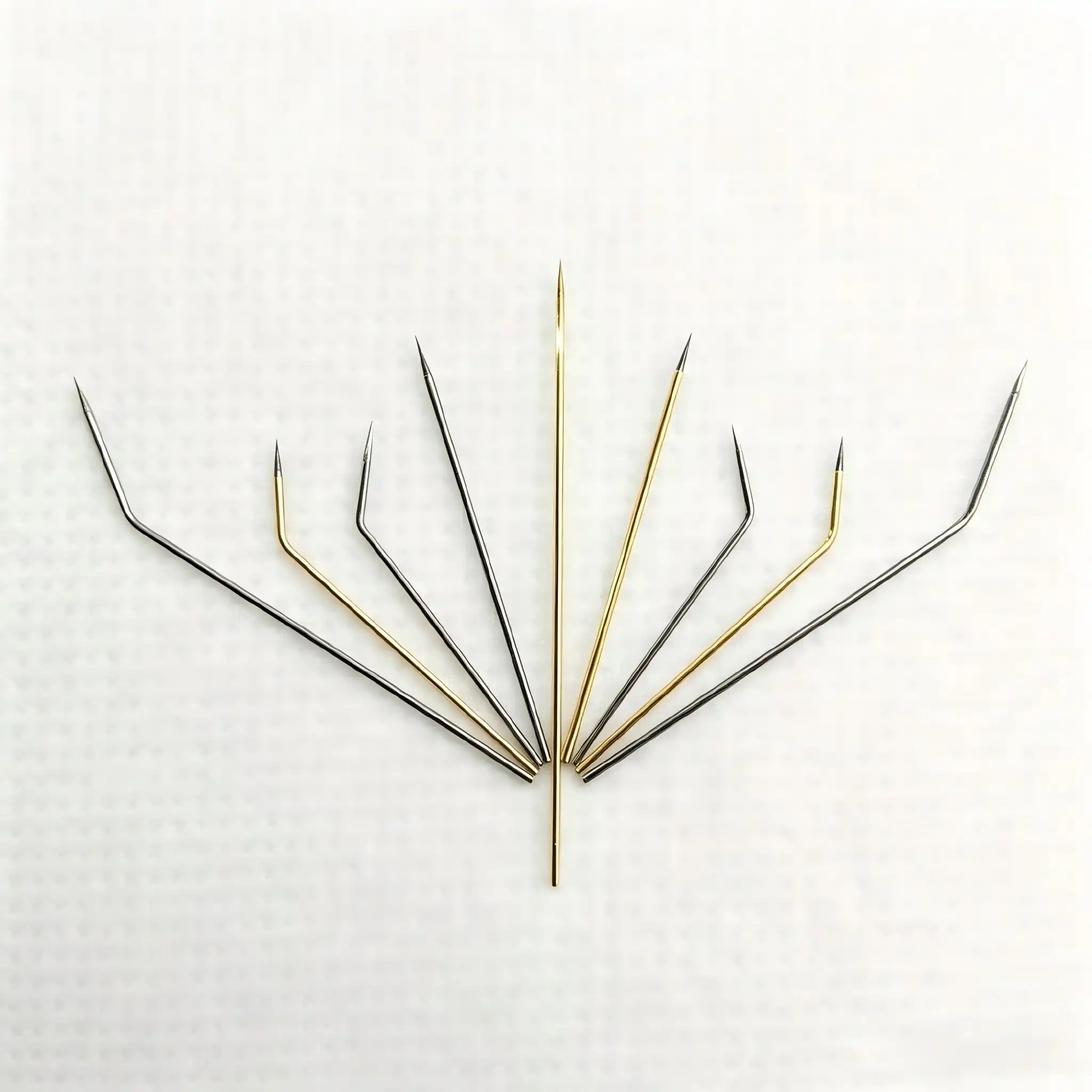
Why Chuangyu Is Your Trusted Single Pin Feedthrough Partner
Shaanxi Chuangyu Electronic Technology Co., Ltd. has become a trusted single-pin feedthrough supplier by offering a wide range of manufacturing services and putting the needs of customers first. We are experts in making precise electrical plugs and RF components, which gives us the technical know-how to make sealed feedthrough solutions that meet the most stringent needs of our customers.
Comprehensive Manufacturing Capabilities
Our factory in the Xi'an Chang'an Innovation Technology Industrial Park has specialized tools for a number of different feedthrough technologies. The Kovar alloy glass encapsulation production line can make sure that the seal is completely hermetic, and the leak rates are known to be acceptable for both vacuum and pressure situations. We can make 500,000 RF components and 1 million test probes every year, which means we have the factory scale to handle both making prototypes and making a lot of them. Precision machining, glass sealing, metallization, and plating are all done in our 800-square-meter production workshop. This makes sure that the quality of the work is consistent and that the process is under control. The 200-square-meter research and development (R&D) lab helps with custom design development and validation testing, such as finding helium leaks, testing at high voltages, and checking how well devices respond to thermal cycling.
Engineering Expertise and Customization Services
Our method for unique feedthrough design is based on almost twenty years of experience in the field. Our engineering team works with customers to find the best specs for vacuum tanks, pressure vessels, and electromagnetic shielding enclosures, among other things. We help with designing the right-sized conductors, insulation materials, and housings so that electrical performance, functional needs, and cost goals are all met. High-speed PCB design lets you help with more than just supplying parts for system integration. Custom, non-standard probe development experience directly applies to specialized feedthrough applications that need special shapes or high-performance standards. Our fast, iterative prototyping method lets you test your idea before committing to production.
Quality Management and Certification Credentials
Every step of the manufacturing process is governed by strict quality control rules, from inspecting new materials as they come in to testing and packing them at the end. Our quality management system includes inspection methods that are in line with global standards for test equipment and RF communication parts. Material traceability makes sure that there is proof that connects finished parts to certifications for raw materials and process parameters. Electrical testing makes sure that each production lot has the right amount of insulation resistance, contact resistance, and voltage withstand capability. Helium leak testing confirms the hermetic integrity and gives recorded leak rates that meet customer requirements. To make sure the performance works in a range of situations, environmental testing can include changing temperatures, heat shock, and exposure to humidity.
Responsive Service and Flexible Order Handling
Because we know that project needs are very different, we've set up our business to meet the wants of all of our customers. Flexible minimum order numbers help early-stage development projects and test prototypes without forcing customers to commit to large amounts of work too soon. Because we are close to the Xi'an High-tech Industrial Park supply chain tools, our order response cycle is about 20% faster than the average for our business. Technical support that can be reached through a variety of methods makes sure that questions about applications and help with fixing problems are answered quickly. We keep clear communication about the status of production and let customers know ahead of time about any changes that might affect the schedule. Our 150-square-meter warehouse and logistics center make it easy to ship items and fulfill orders.
Proven Industry Partnerships
Our customers come from the photovoltaic, medical, communications, automation, and new energy industries, showing that we can handle a wide range of difficult tasks. Our precision test probes and electrical interconnect solutions for quality control systems are used by some of the biggest names in photovoltaics. Our millimeter-wave connectors and cable systems are used in next-generation infrastructure by high-end RF transmission companies. Medical device makers appreciate our dedication to quality and dependability for equipment that needs to keep working well over time. These long-term partnerships show that we can meet strict technical requirements while also providing reliable service that helps customers succeed.
Conclusion
To find the best single pin feedthrough supplier, you need to carefully look at their technical skills, quality control systems, operating dependability, and dedication to customer service. The best supplier offers hermetically sealed parts whose performance has been tested, keeps up-to-date certifications, offers customization expertise, and offers quick support throughout the entire procurement and application lifecycle. The dependability of a component and its total cost of ownership are directly affected by the materials used, the manufacturing method, and the testing standards.
Chuangyu combines its specialized manufacturing skills with its engineering know-how and service delivery that is focused on the customer. We can serve a wide range of uses in the aircraft, medical, industrial, and telecommunications sectors thanks to our integrated production center, quality management systems, and established ties with other companies in the same field. We have the technical depth and operational freedom to help your project succeed, whether you need standard setups or solutions that are made just for you.
FAQ
1. What factors influence single-pin feedthrough pricing?
The price depends on the size of the housing, the type of insulation, the diameter of the conductor, the required certifications, and the plating specifications. When compared to normal catalog goods, custom designs with unique shapes or materials cost more. Order volume has a big effect on per-unit costs, and you can usually get discounts for larger orders. It costs more to do tests like finding helium leaks or making sure the high voltage works. Manufacturing costs go up when there are complicated finishing requirements or unusual materials used. When you look at the total cost, you should think about how reliable and long-lasting the parts are, because high-quality parts often have better lifecycle value.
2. How is hermetic seal integrity verified and maintained?
Helium mass spectrometer leak testing is used for hermetic integrity verification because it is the most sensitive way to find tiny leaks. Helium tracer gas is used to put pressure on the parts, and any leakage through the sealing interfaces is measured. Leak rates that are acceptable depend on the application. For vacuum uses, they are usually between 1×10⁻⁷ and 1×10⁻⁹ atm·cc/sec. The integrity of the seal depends on how well the glass and metal are bonded and how well the thermal expansions are matched. Seals don't break down before they are installed if they are stored in dry places and are handled carefully.
3. Can Chuangyu accommodate expedited delivery schedules?
We keep our production schedules flexible so that we can meet urgent needs when it is technically possible to do so. Standard items that are already in stock can usually be shipped within days. Custom plans need to be approved by engineers and set up for production, but we try to speed up projects whenever we can. Early discussion about time limits helps with planning ahead and allocating resources. Our closeness to resources in the supply chain and our ability to make things all in one place allow us to turn around orders faster than suppliers who rely on outside subcontractors.
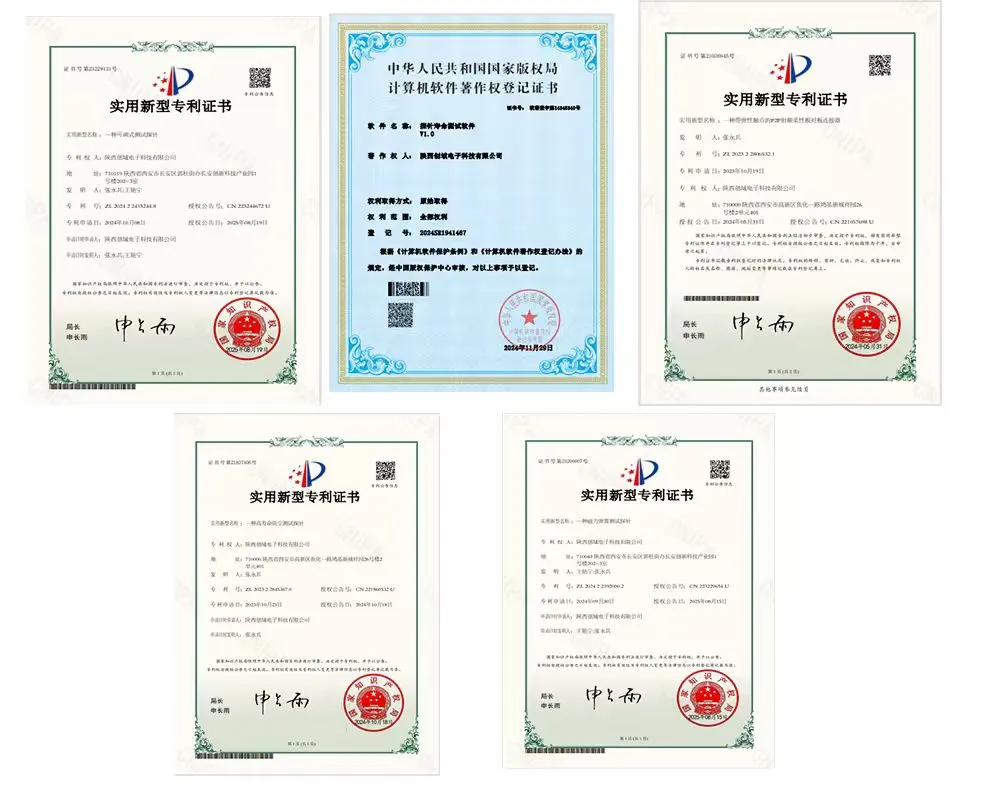
Partner with Chuangyu for Reliable Single Pin Feedthrough Solutions
When looking for a single pin feedthrough supplier for your important uses, you need to think carefully about their technical skills, quality systems, and quick service. Chuangyu offers hermetic feedthrough solutions that are exactly what you need by combining specialized manufacturing knowledge with full engineering support. Our Xi'an factory uses precise machining, glass sealing technology, and strict testing procedures to make sure that parts will work reliably in harsh conditions. Email our team at chuangyuwz01@cymicrowave.com to talk about your unique needs and get personalized technical advice.
References
1. Henderson, G. L. (2018). Hermetic Sealing Technology for Electronic Components: Materials, Processes, and Reliability. IEEE Press Series on Microelectronic Systems.
2. Pecht, M., & Kang, M. (2019). Electrical Connectors for Harsh Environments: Design, Testing, and Failure Analysis. John Wiley & Sons.
3. Klein Wassink, R. J. (2020). Glass-to-Metal Seals: Fundamentals, Applications, and Quality Assurance. Elsevier Advanced Technology.
4. Zhang, W., & Thompson, R. (2021). "Vacuum Feedthrough Design Considerations for Semiconductor Manufacturing Equipment." Journal of Vacuum Science & Technology, 39(4), 042801.
5. Military Standard MIL-DTL-38999. (2017). Connectors, Electrical, Circular, Miniature, High Density, Quick Disconnect, Environment Resistant, Removable Crimp and Hermetic Solder Contacts.
6. Peterson, K. A., & Speranzini, S. (2022). "Reliability Assessment of Hermetic Feedthroughs in Medical Implantable Devices." IEEE Transactions on Device and Materials Reliability, 22(1), 45-53.