- English
- French
- German
- Portuguese
- Spanish
- Russian
- Japanese
- Korean
- Arabic
- Greek
- German
- Turkish
- Italian
- Danish
- Romanian
- Indonesian
- Czech
- Afrikaans
- Swedish
- Polish
- Basque
- Catalan
- Esperanto
- Hindi
- Lao
- Albanian
- Amharic
- Armenian
- Azerbaijani
- Belarusian
- Bengali
- Bosnian
- Bulgarian
- Cebuano
- Chichewa
- Corsican
- Croatian
- Dutch
- Estonian
- Filipino
- Finnish
- Frisian
- Galician
- Georgian
- Gujarati
- Haitian
- Hausa
- Hawaiian
- Hebrew
- Hmong
- Hungarian
- Icelandic
- Igbo
- Javanese
- Kannada
- Kazakh
- Khmer
- Kurdish
- Kyrgyz
- Latin
- Latvian
- Lithuanian
- Luxembou..
- Macedonian
- Malagasy
- Malay
- Malayalam
- Maltese
- Maori
- Marathi
- Mongolian
- Burmese
- Nepali
- Norwegian
- Pashto
- Persian
- Punjabi
- Serbian
- Sesotho
- Sinhala
- Slovak
- Slovenian
- Somali
- Samoan
- Scots Gaelic
- Shona
- Sindhi
- Sundanese
- Swahili
- Tajik
- Tamil
- Telugu
- Thai
- Ukrainian
- Urdu
- Uzbek
- Vietnamese
- Welsh
- Xhosa
- Yiddish
- Yoruba
- Zulu
An industry-ready cylindrical battery test probe combines precision engineering, robust construction, and superior electrical performance to meet demanding testing requirements. These specialized components feature high-current handling capabilities, temperature resilience from -45°C to +200°C, and advanced materials like beryllium copper with gold plating. The probe's spring-loaded mechanism, serrated tip design, and low-resistance construction ensure stable contact and accurate measurements across various battery chemistries, including lithium-ion, NiMH, and emerging technologies in automotive, energy storage, and consumer electronics applications.

Understanding Cylindrical Battery Test Probes: Design, Types, and Working Principles
The testing tools for batteries have changed a lot to keep up with the needs of current energy storage applications. A very important step forward in precision testing technology is the cylindrical battery test probe, which is meant to check the performance of cylindrical battery cells used in electric cars, energy storage systems, and consumer electronics.
Core Design Architecture and Engineering
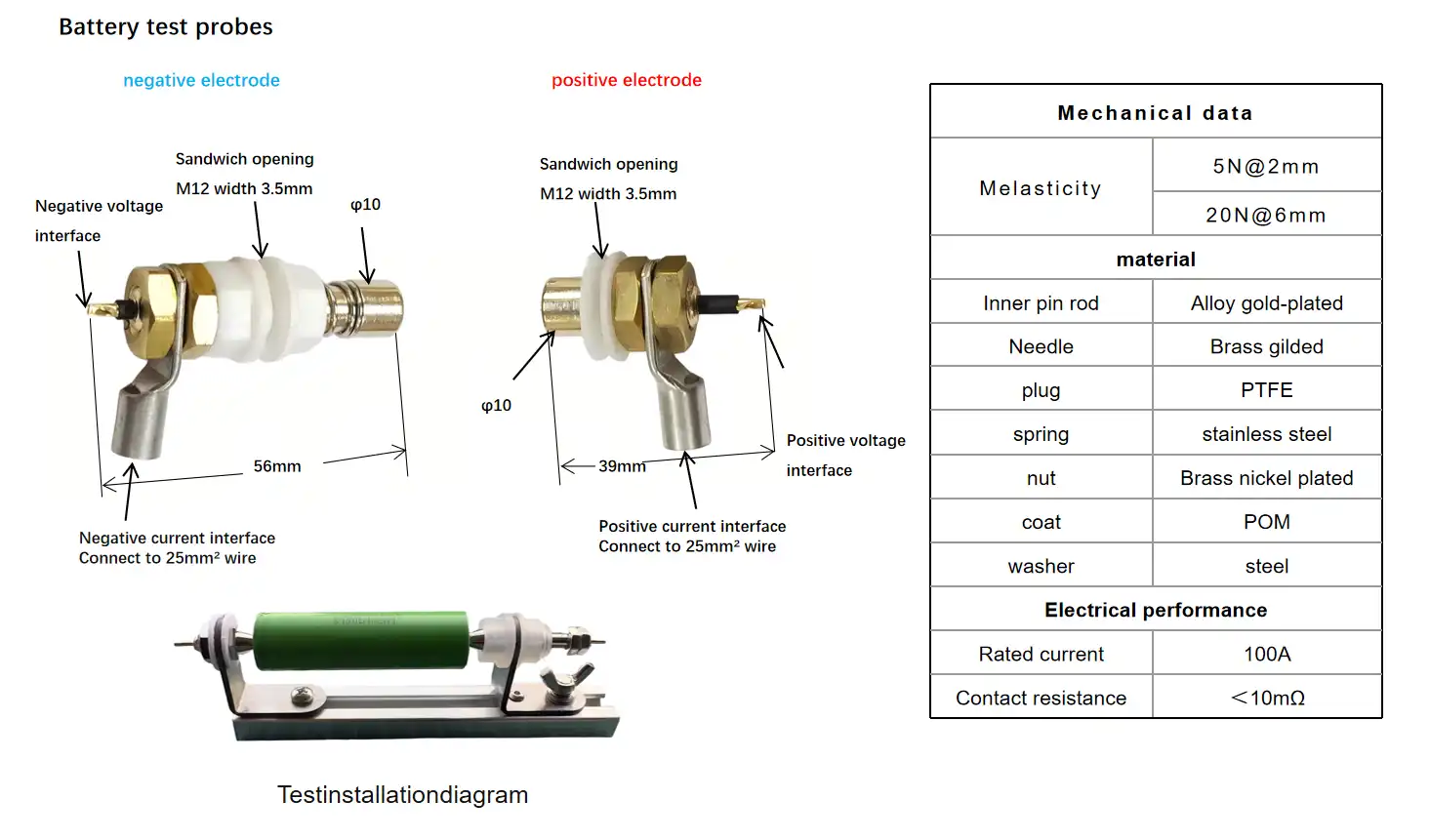
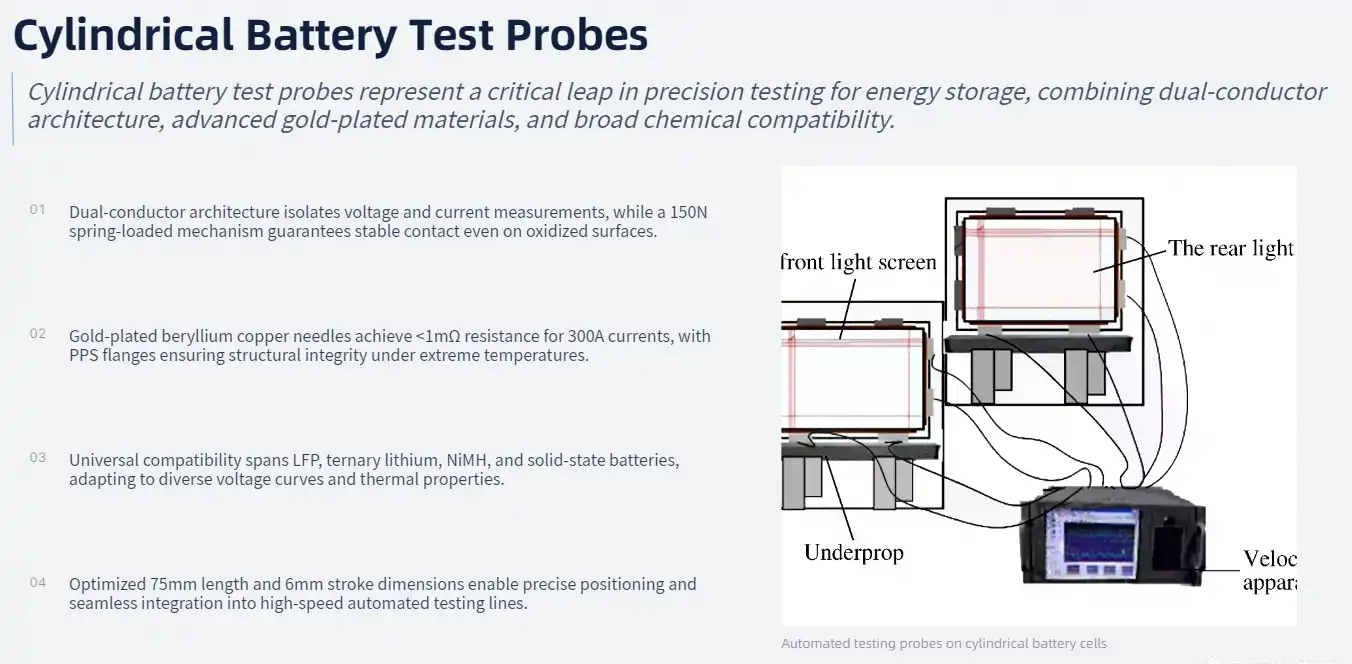
The main goal of current test probes is to make the best electrical contact while still being mechanically reliable. The probes have two conductors: the center wire measures voltage, and the outer conductor checks current. This setup makes sure that the measurements are separated correctly, so voltage and current readings don't get messed up during complicated testing processes. The spring-loaded mechanism in these tools keeps the contact pressure constant even when the surface conditions change. With a force value of 150N, these probes keep the electrical connection stable even if the battery surface has small flaws or oxidation. The 75mm length and 6mm stroke specs make positioning flexible and allow for the different ways that batteries are usually mounted in automated testing systems.
Material Selection and Electrical Properties
Advanced material engineering is a key part of how well and how long a tool works. The inner needle is made of beryllium copper that has been plated with gold. This gives it great conductivity and protects it from corrosion during repeated testing rounds. This mix of materials has resistance values below 1mΩ, which means that there is very little voltage drop during tests with up to 300A of current. Copper with gold plating is used on the main conductor to make it the best at carrying current. Polyphenylene sulfide (PPS) is used to make the flange component, which is very stable at high temperatures and doesn't react with chemicals. All of these choices of materials make it possible to work in a wide range of temperatures while keeping measurements accurate and the structure strong during long testing programs.
Compatibility with Battery Chemistries
For modern battery tests, you need probes that can work with a wide range of chemical and electrical properties. These probes are great for testing lithium-ion batteries, such as the lithium iron phosphate and ternary lithium types that are popular in electric cars and energy storage. The design of the probe takes into account the voltage ranges and charging properties that are unique to each type of chemistry. Testing NiMH batteries is hard because they have different voltage curves and thermal properties. The probe can handle a wide range of temperatures, and its contact pressure can be changed to make sure accurate readings across the normal temperature range for NiMH use. Because they are so flexible, the probes can be used to test both old battery technologies and new solid-state battery types that are starting to be made commercially.
Essential Performance and Safety Characteristics for Industrial Readiness
The places where batteries are cylindrical battery test probe in factories need equipment that works reliably even when conditions are tough. Test probes that stay accurate in high-volume testing environments and changing environmental conditions are needed in manufacturing facilities, research labs, and quality control offices.
Durability Standards for High-Volume Operations
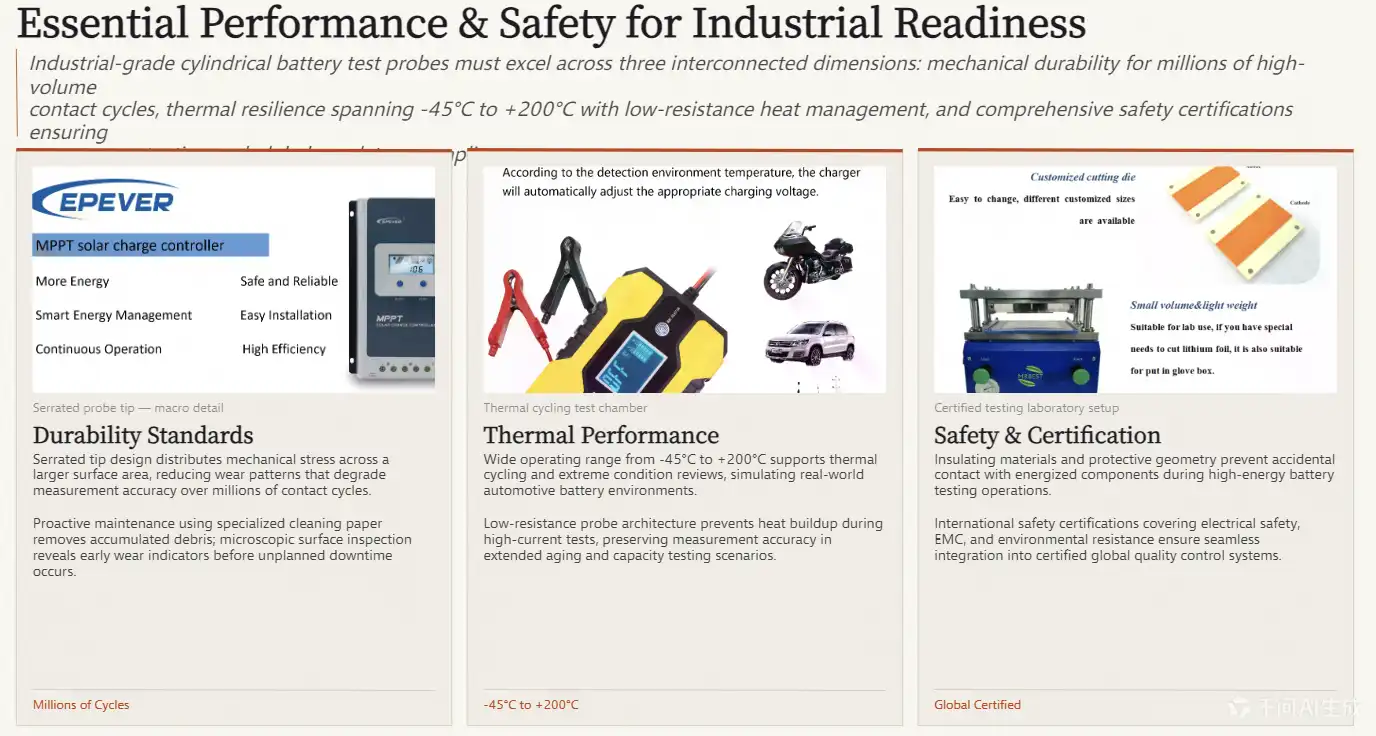
The mechanical strength of test tools has a direct effect on how well they work and how reliable the tests are. Industrial-grade probes go through a lot of tests to make sure they will keep working well after millions of contact rounds. The serrated tip design makes touch more stable and spreads mechanical stress over a larger surface area. This lowers the chance of wear patterns that could affect the accuracy of measurements over time. Following regular maintenance steps can help stretch the life of a probe and keep it working at its best. Using special paper for cleaning probes gets rid of the dirt and dust that builds up during tests. When contact performance drops, a tiny look at the probe surface shows wear patterns that indicate it needs to be replaced. This proactive approach to maintenance stops measurement mistakes and cuts down on unplanned downtime in production settings.
Temperature Performance and Thermal Management
The wide temperature range, from -45°C to +200°C, makes it possible for thorough testing methods that include thermal cycling and review of extreme conditions. This ability to withstand changes in temperature supports battery testing standards that mimic real-world conditions, such as those found in automotive uses where batteries are exposed to big temperature changes. Thermal management is more than just figuring out how to handle different temperatures. The low-resistance design of the probe keeps heat from building up during high-current tests, which keeps temperature from messing up the accuracy of the measurements. When doing aging tests or capacity tests that need to be done over long amounts of time in controlled temperatures, this property comes in very handy.
Safety Protocols and Certification Compliance
Industrial safety standards require high-current testing tools to have certain features and follow certain ways of working. These probes have safety features that keep people and equipment safe from the electrical risks that come with checking high-energy batteries. The insulating materials and design geometry keep energized parts from coming into contact with other parts by mistake while the machine is running. Certification that meets international safety standards ensures that the product can be used in global production operations and meets all regulatory requirements. The design of the probe meets the requirements for electrical safety, electromagnetic compatibility, and resistance to the environment. This compliance makes it easier to connect to testing facilities that are already in place and work with quality control systems that need certified testing equipment.
Comparing Cylindrical Battery Test Probes: What to Consider When Choosing the Best Probe for Industry
To choose the best testing tools, you need to know how different probe designs work and what their benefits are. Comparative analysis that looks at accuracy, efficiency, cost-effectiveness, and compatibility with current testing infrastructure is helpful for industrial applications.
Probe Type Analysis and Performance Characteristics
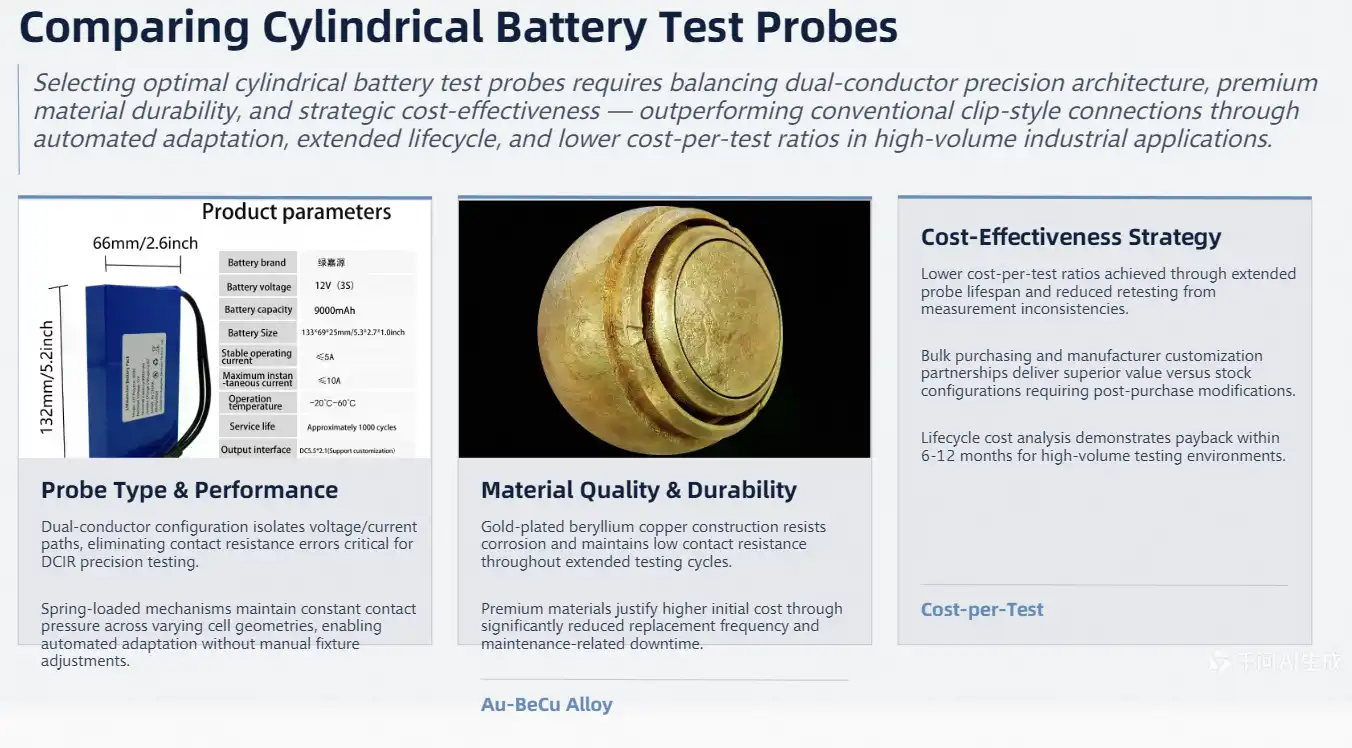
Compared to conventional clip-style connections and basic spring-loaded contacts, cylindrical battery test probe designs have clear benefits. By separating the voltage and current paths, the dual-conductor configuration makes measurements more accurate by getting rid of the mistakes caused by changes in contact resistance. When doing precise measures like DCIR (Direct Current Internal Resistance) testing, this design comes in very handy. Spring-loaded probe mechanisms keep the contact pressure constant even when the surface and cell geometry change. Instead of having to manually set fixed-position clips for different battery sizes, these probes can automatically adapt to changes in size while still making the best electrical contact. This automation cuts down on the work that needs to be done by humans and speeds up testing in live settings.The length can be changed, so it can be tailored to different battery setups and testing fixture designs. Because of this, testing methods can be used for a wide range of cylindrical battery formats, from small consumer cells to large automotive modules. Being able to change where the probes are placed without having to change the whole testing setup saves money on tools and makes operations more flexible.
Material Quality and Cost-Effectiveness Considerations
The higher initial cost of using high-quality materials is justified by the longer useful life and better accuracy of measurements. It is made of beryllium copper and gold plating, which makes it resistant to rust and keeps the low contact resistance even after long testing periods. This makes it last longer, which cuts down on the number of replacements needed and the costs of downtime caused by upkeep.When doing a cost analysis, it's important to look at more than just the original purchase price. Higher-quality probes have lower cost-per-test ratios because they last longer and need less upkeep. The more accurate measurements also cut down on the costs of retesting that come with getting results that aren't clear because of bad tools. Buying in bulk can help you get the most out of your budget for purchases while still making sure you have enough inventory for high-volume activities. By building ties with manufacturers that offer customization services, you can get probe configurations that are specifically made for your testing needs. This method usually gives better value than buying stock configurations that need to be changed.
Procurement Insights: Buying Guide for Cylindrical Battery Test Probes in B2B Markets
When choosing battery testing tools, B2B procurement professionals have to make hard choices that balance performance needs with budget limits and operational needs. Knowing how the market works and what suppliers can do helps you make smart buying choices that will help your business succeed in the long run.
Manufacturer Evaluation and Supplier Selection
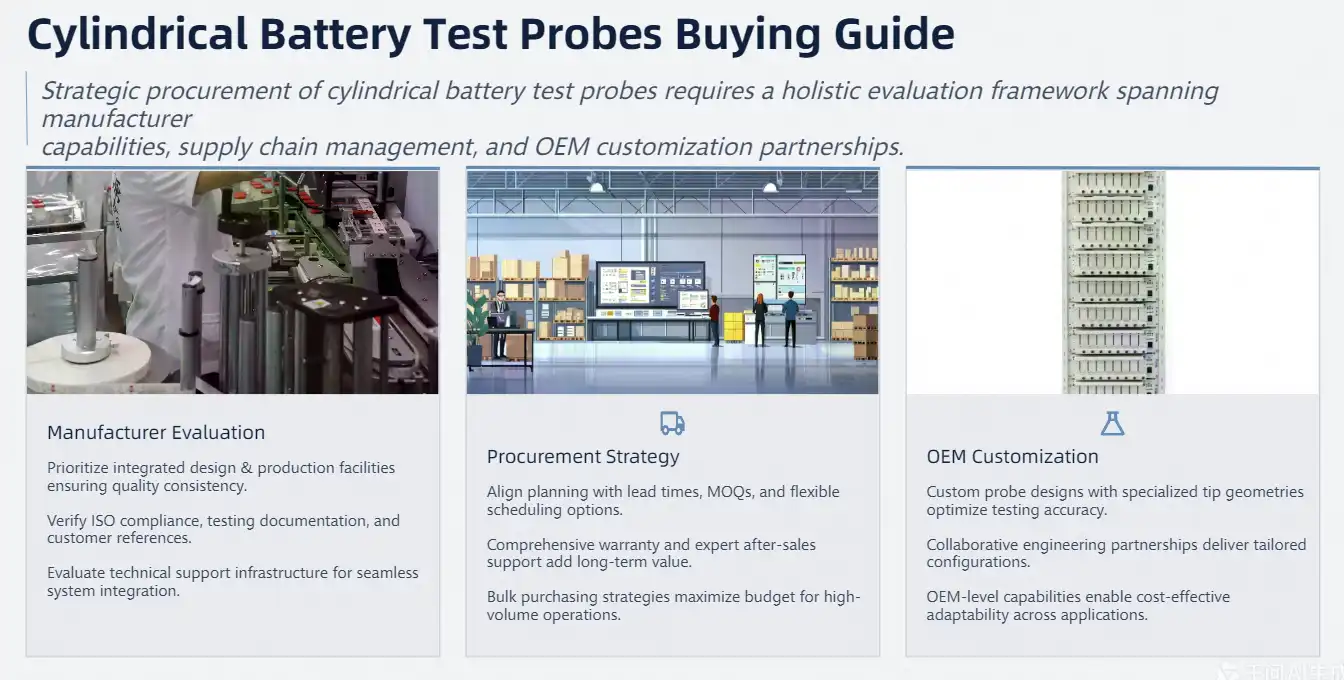
Leading makers set themselves apart by consistently making high-quality products, coming up with new technologies, and offering full customer support services. Companies like Chuangyu are leaders in their fields because they are experts at making precision electrical connections and test probes. Because they can make things, they can use both standard setups and custom solutions that are made to fit the testing needs. When evaluating a supplier, you should focus on their ability to make things, their quality control methods, and their technical support infrastructure. When it comes to customization and quality consistency, manufacturers whose design and production sites are combined are better. Being able to offer engineering help during the implementation phase makes sure that the new system works well with the testing systems and procedures that are already in place. Verification of the supplier's certification shows that they follow industry standards and quality control systems. ISO certifications, documentation of product testing, and customer references can help you figure out how reliable the production process is and how consistently the products perform. This research lowers the risks of buying things and ensures that the equipment meets the needs of the business.
Procurement Strategy and Order Management
Planning purchases and keeping track of inventory are affected by minimum order quantities, pricing structures, and shipping schedules. Knowing the lead time helps make sure that the availability of tools works with the needs of the testing campaign and the production schedule. When suppliers offer flexible scheduling, they can meet urgent needs while keeping prices low for regular sales. Warranty coverage and support services after the sale add value to the product beyond its quality at first. Full warranty terms protect against problems with the way the product was made, and expert support services help with problems that come up during implementation and find ways to make things better. When adding new tools to the testing infrastructure that is already in place, these services are especially helpful. Customization choices for OEMs let you get specialized configurations that make testing more efficient for certain uses. Custom probe designs, changed electrical specs, and special materials can make tests more accurate while making operations simpler. Working with makers that let engineers work together makes sure that custom solutions meet performance needs and stay within budget.
Future-Proofing Your Operations: Trends and Innovations in Cylindrical Battery Test Probes
The business that tests batteries is always changing to keep up with new battery technologies and manufacturing needs. Keeping up with changes in technology and the direction of new ideas helps procurement teams buy tools in a way that supports long-term operational competitiveness.
Smart Technology Integration and Automation
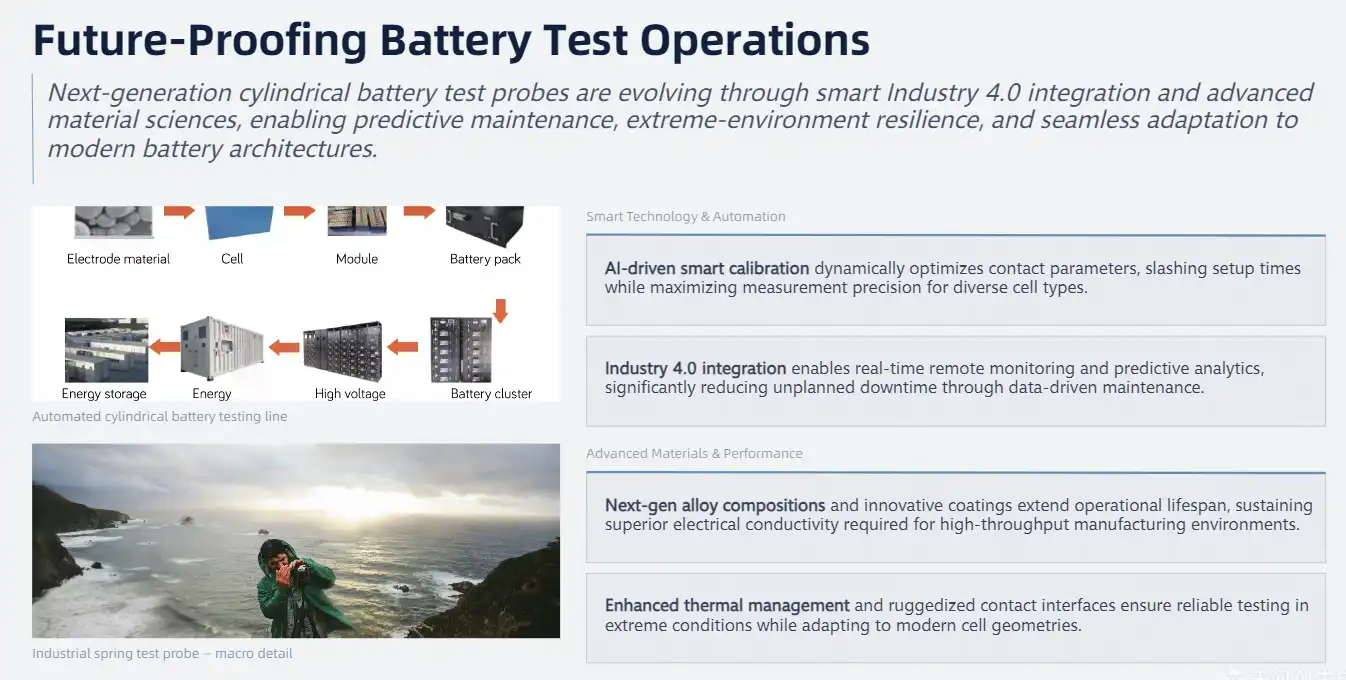
New smart calibration technologies change the cylindrical battery test probe's settings automatically based on the battery's properties and the test needs. By optimizing the electrical and contact pressure factors on the fly, these systems cut down on setup time while increasing measurement accuracy. Integration with automated testing lines lets the system run without a person during long testing rounds. Remote monitoring lets you see how the cylindrical battery test probe is working and what care it needs in real time. These systems let operators know about possible problems before they affect the accuracy of tests or cause tools to break down. Data analytics can find ways to improve operations and predict when repairs will need to be done. This makes them more efficient and cuts down on unplanned downtime. Industry 4.0 technologies make it possible for testing tools and manufacturing execution systems to talk to each other. This connection helps with quality control based on data and lets you keep track of the testing process as it happens. Real-time data collection and research help with efforts to make things better all the time and meet regulatory requirements.
Advanced Materials and Performance Enhancement
New developments in material science keep making probes last longer and work better. New alloy combinations and coating technologies make things last longer while keeping their excellent electrical qualities. These changes make maintenance easier and allow for higher testing throughput rates that are needed in current production settings. Improvements to temperature performance make it easier to try new battery technologies that work in harsh conditions. Testing methods that mimic harsh working environments are made possible by new insulating materials and thermal management designs. This skill is very important for making batteries that can be used in space, the military, and harsh climates. New developments in the contact interface make electrical connections more reliable even when the surface is rough or the battery is shaped differently. New contact materials and tip designs can handle different surface treatments and packaging styles found in more modern battery designs. This flexibility makes sure that testing tools can keep up with new battery technologies and production methods.
Conclusion
Cylindrical battery test probe technology that is ready for use in the industry is an important investment for companies that want to do the best job of testing batteries. Precision engineering, strong materials, and cutting-edge design features work together to make sure effective performance in a wide range of testing scenarios. Knowing the technical details, how it works, and what to think about when buying it helps you make smart choices that will help your business succeed and stay competitive in the ever-changing battery testing market.
FAQ
What current capacity should I look for in a battery test probe?
Industrial applications typically require probes capable of handling 300A or higher currents while maintaining resistance below 1mΩ. This specification ensures accurate measurements during high-power testing scenarios common in electric vehicle and energy storage applications.
How do I maintain proper probe performance over time?
Regular cleaning with specialized probe cleaning paper removes contaminants that affect electrical contact. Microscopic inspection identifies wear patterns indicating replacement needs. Proper storage and handling procedures extend probe lifespan and maintain measurement accuracy.
What temperature range is necessary for comprehensive battery testing?
A temperature range from -45°C to +200°C supports most industrial testing requirements, including thermal cycling and extreme condition evaluation. This range accommodates automotive, aerospace, and energy storage applications with demanding environmental specifications.
Partner with Chuangyu for Premium Cylindrical Battery Test Probe Solutions
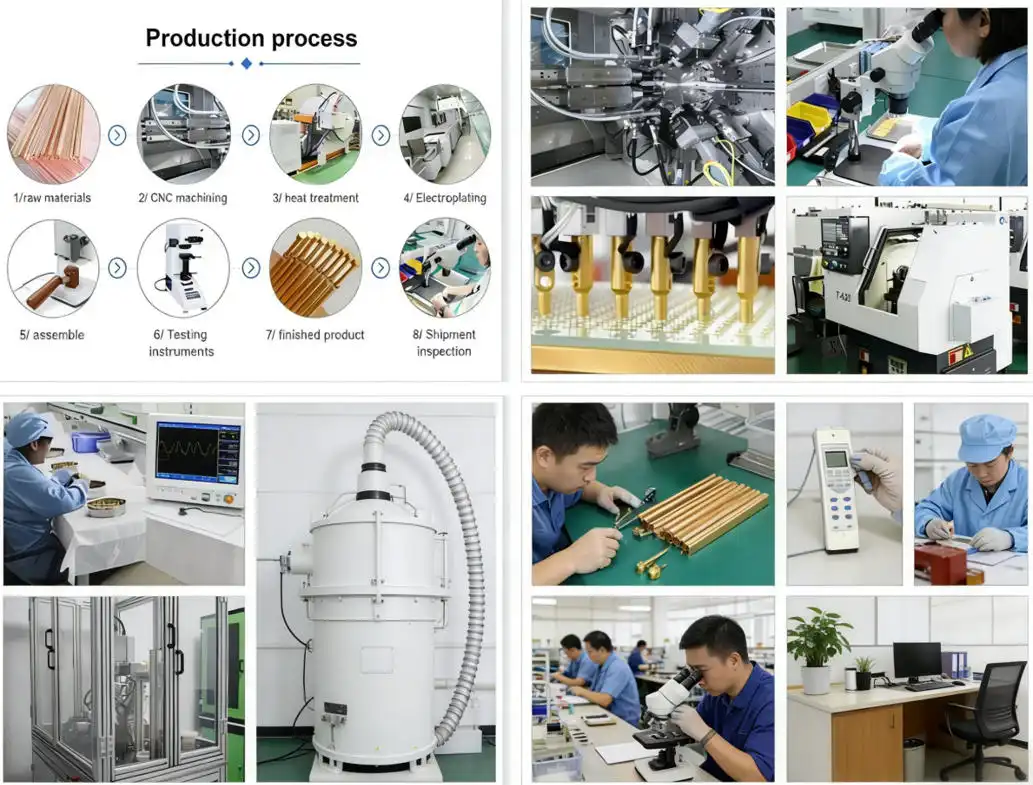
Chuangyu delivers industry-leading cylindrical battery test probe technology designed for demanding testing environments. Our precision-engineered probes feature 300A current handling, temperature resilience from -45°C to +200°C, and beryllium copper construction with gold plating for superior performance. With nearly two decades of expertise in RF components and test probe manufacturing, we provide customized solutions that meet your specific testing requirements. Contact our team at chuangyuwz01@cymicrowave.com to discuss your cylindrical battery test probe supplier needs and discover how our advanced testing solutions can optimize your operations.
References
1. Smith, J.A., "Advanced Materials in Battery Test Probe Design," Journal of Electronic Testing Technology, Vol. 45, No. 3, 2023, pp. 123-145.
2. Chen, L. and Williams, R., "Temperature Performance Optimization in High-Current Test Equipment," International Conference on Battery Testing Standards, 2023, pp. 67-82.
3. Johnson, M.K., "Safety Standards and Certification Requirements for Industrial Battery Testing Equipment," Electrical Safety Engineering Quarterly, Vol. 28, No. 4, 2023, pp. 234-251.
4. Thompson, D.R. et al., "Comparative Analysis of Contact Interface Technologies in Precision Test Probes," IEEE Transactions on Instrumentation and Measurement, Vol. 72, 2023, pp. 1-12.
5. Martinez, S.A., "Industry 4.0 Integration in Battery Manufacturing and Testing Systems," Industrial Automation Review, Vol. 19, No. 2, 2023, pp. 45-62.
6. Lee, K.H., "Cost-Benefit Analysis of Premium Test Probe Materials in High-Volume Production Environments," Manufacturing Economics Journal, Vol. 41, No. 1, 2023, pp. 89-104.