- English
- French
- German
- Portuguese
- Spanish
- Russian
- Japanese
- Korean
- Arabic
- Greek
- German
- Turkish
- Italian
- Danish
- Romanian
- Indonesian
- Czech
- Afrikaans
- Swedish
- Polish
- Basque
- Catalan
- Esperanto
- Hindi
- Lao
- Albanian
- Amharic
- Armenian
- Azerbaijani
- Belarusian
- Bengali
- Bosnian
- Bulgarian
- Cebuano
- Chichewa
- Corsican
- Croatian
- Dutch
- Estonian
- Filipino
- Finnish
- Frisian
- Galician
- Georgian
- Gujarati
- Haitian
- Hausa
- Hawaiian
- Hebrew
- Hmong
- Hungarian
- Icelandic
- Igbo
- Javanese
- Kannada
- Kazakh
- Khmer
- Kurdish
- Kyrgyz
- Latin
- Latvian
- Lithuanian
- Luxembou..
- Macedonian
- Malagasy
- Malay
- Malayalam
- Maltese
- Maori
- Marathi
- Mongolian
- Burmese
- Nepali
- Norwegian
- Pashto
- Persian
- Punjabi
- Serbian
- Sesotho
- Sinhala
- Slovak
- Slovenian
- Somali
- Samoan
- Scots Gaelic
- Shona
- Sindhi
- Sundanese
- Swahili
- Tajik
- Tamil
- Telugu
- Thai
- Ukrainian
- Urdu
- Uzbek
- Vietnamese
- Welsh
- Xhosa
- Yiddish
- Yoruba
- Zulu
A high-pressure multipin feedthrough is a specialized electrical connector engineered to transmit multiple electrical signals simultaneously through pressure barriers while maintaining hermetic sealing integrity. These components enable safe electrical connections across environments experiencing extreme pressure differentials, ranging from vacuum chambers to high-pressure vessels. Unlike standard connectors, these feedthroughs combine dense pin configurations with robust sealing technologies—typically glass-to-metal or ceramic-to-metal bonds—ensuring zero leakage even under demanding conditions. Their construction incorporates insulating materials that provide electrical isolation while withstanding pressures exceeding 10,000 psi, making high pressure multipin feedthrough indispensable for industries like aerospace, semiconductor manufacturing, and oil and gas exploration.
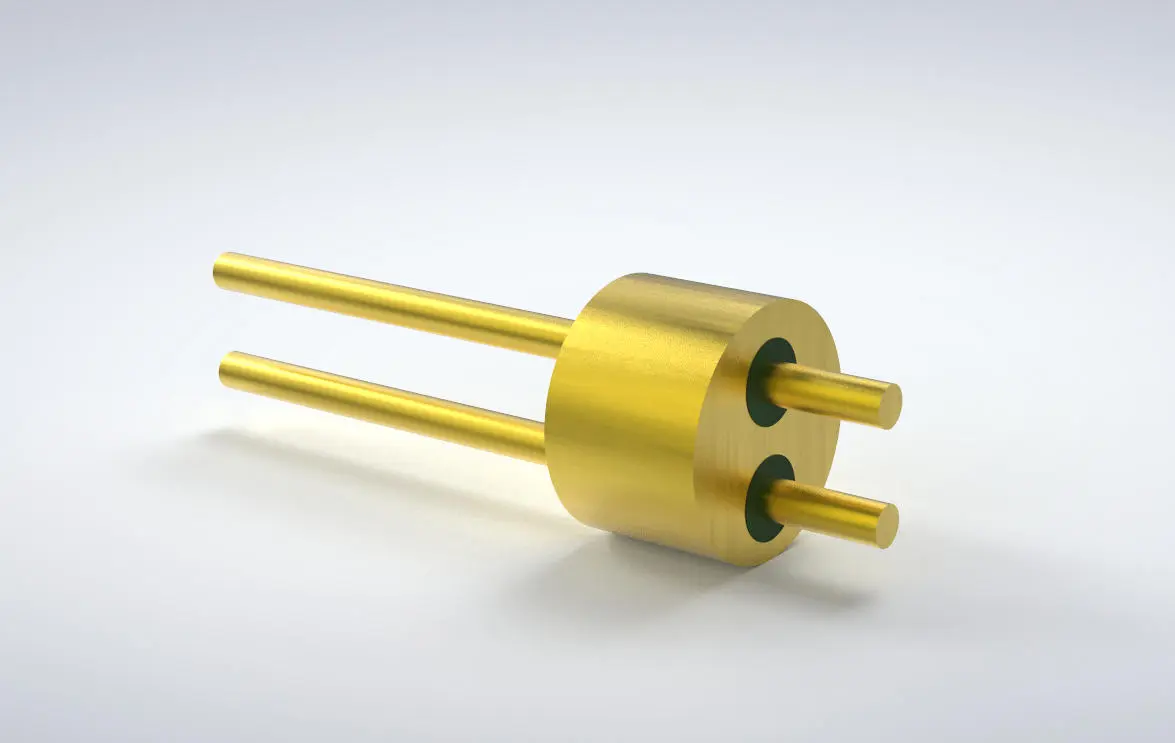
Comparison and Selection Criteria for High Pressure Multipin Feedthroughs
Performance Differences: Multipin Versus Single-Pin Solutions
Which one to use—multipin or single pin—depends on the needs of the system architecture. Single-pin designs are easy to use and can handle the highest pressures. The individual seals reduce the risk of cross-contamination. But they take up a lot of space on the panel and make the total leak path more vulnerable when more than one connection is needed.
Multipin configurations group connections together, which cuts down on installation time and panel holes. A single 37-pin high-pressure multipin feedthrough can replace dozens of separate parts, which lowers the general rate of system leakage and makes upkeep easier. In exchange, the per-pin current capacity is a little smaller, and tailoring is more difficult.
Sealing Technology Analysis: Glass Versus Ceramic
Glass-to-metal sealing is most common in situations where temperatures and pressures are moderate. This method is used in the J30J line, which has sintered glass that joins molecularly with Kovar housings. This method achieves high hermeticity at lower production costs, which makes it perfect for medical devices and lab equipment.
In harsh environments, ceramic-to-metal sealing works better than other methods. Ceramics made of alumina or beryllia can handle higher temperatures and have better electrical properties, such as less dielectric loss at RF frequencies. The brazing process makes bonds that are very strong, making them good for tools used in aerospace and deep-sea drilling, where thermal cycling and mechanical shock are common problems.
Material choice is more than just closing technology. In chemical processing, acidic fluids don't damage stainless steel housings, and titanium alloys make things lighter for use in space. Nickel-plated versions work well in marine settings, and gold-plated contacts make sure that links in precision instruments have low resistance.
Application-Specific Selection Guidance
Helium mass spectrometry can prove that leak rates in vacuum systems must be very low. Buyers should ask for leak rates of less than 1×10⁻ atm·cm³/s and make sure the product can be baked at 200°C to get rid of outgassing. To keep the vacuum area clean, pin materials must have very low gas pressure.
Oil and gas operations that use high pressure need feedthroughs that can handle corrosive fluids. Electroless nickel plating and special elastomer seals make things last longer in environments with hydrogen sulfide and salt water. For drilling activities to go smoothly, designs must be able to withstand shock loads of more than 196 m/s².
For RF and microwave applications, matching the impedance is important. For signal pins to work, the characteristic impedance must be 50Ω and the voltage standing wave ratio must be less than 1.2 across all frequency ranges. To keep the purity of the signal at frequencies close to 110 GHz, dielectric materials must have stable permittivity and low loss slope.
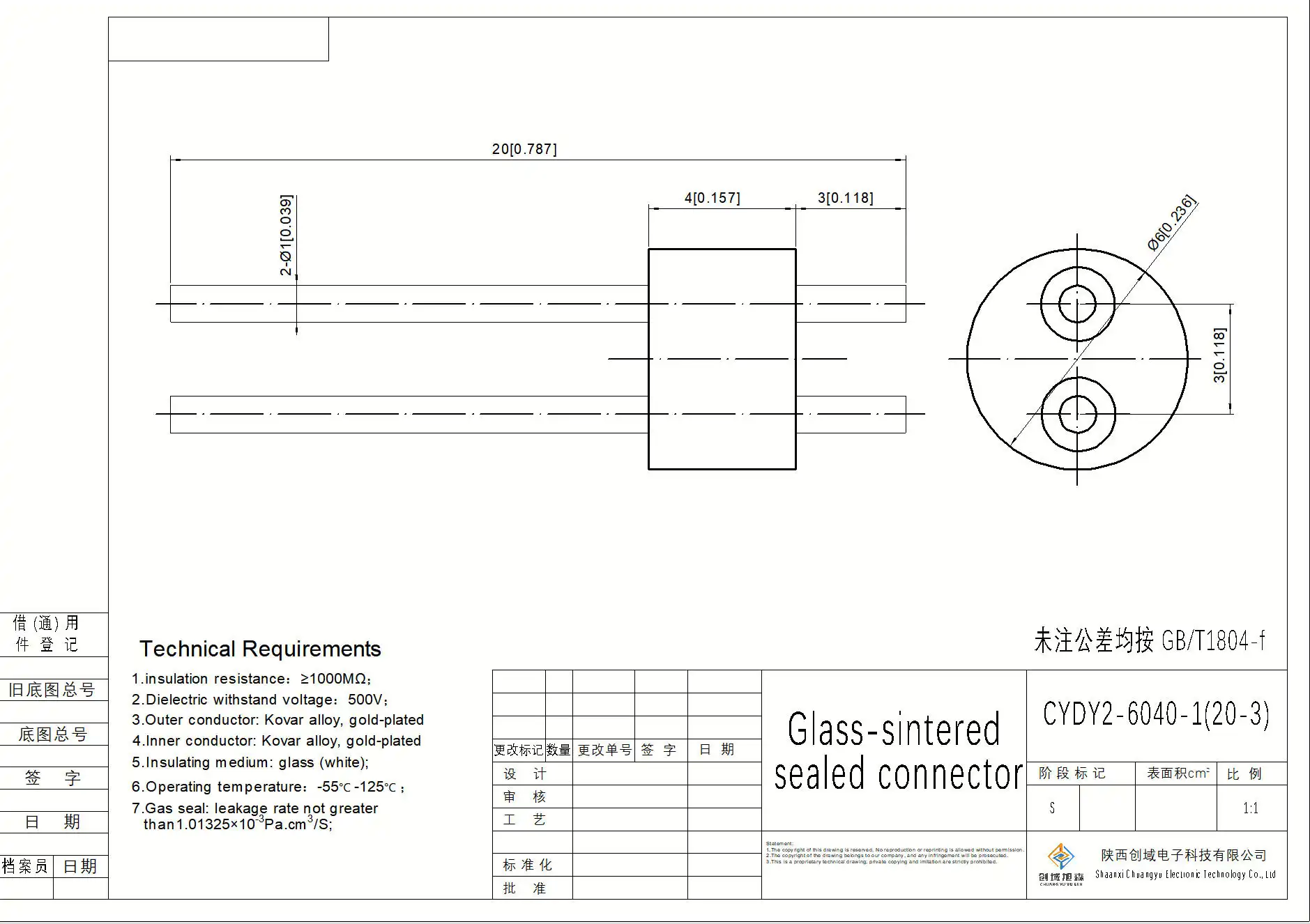
Procurement Guide: How to Buy High Pressure Multipin Feedthroughs
Identifying Qualified Suppliers and Distributors
When looking for high-pressure multipin feedthroughs from outside the United States, you have to evaluate suppliers based on three factors: their ability to make the feedthroughs, their quality systems, and their knowledge of how to use them. When it comes to the US, well-known distributors keep large stocks of basic setups and work with OEMs to create custom solutions. Because of the strong semiconductor and scientific instrument industries in Europe, many suppliers focus on ultra-high vacuum versions.
Asian firms, especially those in the Shaanxi and Guangdong areas in China, have become competitive sources that offer both good quality and good value. Advanced skills in hermetic sealing technologies and precision electrical connectors can be seen at places like Shaanxi Chuangyu Electronic Technology. Their production system can handle both large quantities of standard products and custom, non-standard assemblies. Each year, it can make up to 500,000 RF components.
When examining possible sources, ask for thorough paperwork that includes material approvals, leak testing methods, and dimensional limits. Suppliers who follow the GJB 2446A and MIL-DTL-83513 standards have quality systems that meet military standards. ISO 9001 certification shows that they know how to manage quality in a basic way.
Sample Evaluation and Customization Processes
Getting samples lets you test things out in real life before committing to production orders. Suppliers with a good reputation give evaluation samples away for free because they know that expert proof builds trust. The conditions of testing should be the same as they would be in real life, including changing pressures, high temperatures, and different types of electrical loads.
Customization takes into account the specifics of each project. Changes to the number of pins, different sealing materials, special finishes, and different flange setups are all common things that can be done. It is very important to communicate detailed specifications. You should include CAD drawings, environmental parameters, electrical requirements, and installation methods. Suppliers with a lot of experience, like Chuangyu, have engineering teams that can take application needs and turn them into optimized designs by using their knowledge of high-speed PCB integration and RF component development.
Timelines for prototyping range from two weeks for small changes to eight weeks for completely new designs. During this phase, collaborative design reviews find possible problems before tooling commitments are made. This keeps expensive revisions from being needed.
Pricing Structures and Lead Time Considerations
Pricing is based on how complicated, how much, and how customized the work is. Standard stock items range from $50 for easy 9-pin sets to $800 for 100-pin sets made of rare materials. Engineering fees for custom designs are usually between $1,500 and $5,000, which are spread out over the number of units that are made.
With volume prices, you can save a lot of money. When you buy more than 100 units, you can often save 20 to 30 percent, and when you buy 1,000 or more units, you need special tools and better ways to make the products. Costs stay stable with annual purchasing agreements, and capacity is protected in case of supply chain disruptions.
Standard goods have lead times of four to twelve weeks, and custom parts have lead times of sixteen weeks. Important projects can get faster handling at a higher cost. Shipping times should be taken into account by buyers. It takes 5–7 days for air freight to get from Asia to North America, but 4–6 weeks for ocean freight.
Logistics, Warranty, and After-Sales Support
The rules for packaging keep airtight seals safe while they are being shipped. To keep things from breaking, suppliers use moisture protection bags, foam padding, and rigid cases. When it comes to large orders or custom assemblies, insurance coverage should match the value of the goods.
The warranty usually lasts between twelve and twenty-four months and covers problems with the way the product was made but not damage caused by improper installation or exposure to environments that are too harsh. For important uses, extended guarantees are often possible.
After-sales service is what sets some providers apart from others. Long-term system reliability is ensured by technical help for installation problems, advice for regular inspections, and the availability of replacement parts. When it comes to response time, suppliers with regional service centers or partnerships with local distributors are better than those who only depend on help from headquarters.
Trusted Brands and Quality Certifications
Leading Manufacturers and Their Specializations
There are a lot of specialized producers in the high-pressure multipin feedthrough market, and each one has its own strengths. Established Western companies hold top positions thanks to decades of experience in aerospace and defense, and their products have been used in the toughest situations. Their engineering teams help make industry standards and keep large libraries of test data up to date.
Chinese makers have done a great job of matching international standards for quality while also offering affordable pricing. Shaanxi Chuangyu Electronic Technology is a good example of this change because it combines current production facilities with almost 20 years of process improvement. Their factory in the Xi'an Chang'an Innovation Technology Industrial Park has 1,000 square meters of specialized production space that is used for precise manufacturing, clever control systems, and full quality assurance. The company has a lot of experience with RF communication parts and semiconductor test probes. They offer custom solutions to the photovoltaic, medical, and automation industries.
Specialists in the area take care of niche needs. Manufacturers from Scandinavia are the best at cryogenic applications, Japanese companies are the best at making things smaller, and Israeli companies are the best at coming up with new high-temperature versions. Instead of relying only on name recognition, choices about what to buy should match the strengths of each supplier with the needs of each application.
Essential Industry Standards and Certifications
Quality marks give you objective ways to judge a seller. ISO 9001 certification sets a standard for quality management, including written methods, traceability, and systems for ongoing growth. Suppliers that want to work with aerospace companies usually have AS9100 approval, which includes risk management and configuration control standards that are unique to aerospace.
Material approvals check the mechanical qualities and alloy compositions. Stainless steels, nickel alloys, and specialty materials must meet ASTM standards, and ROHS compliance proves that no restricted substances are present. For biocompatibility confirmation, medical devices need to be certified by ISO 13485 and registered with the FDA.
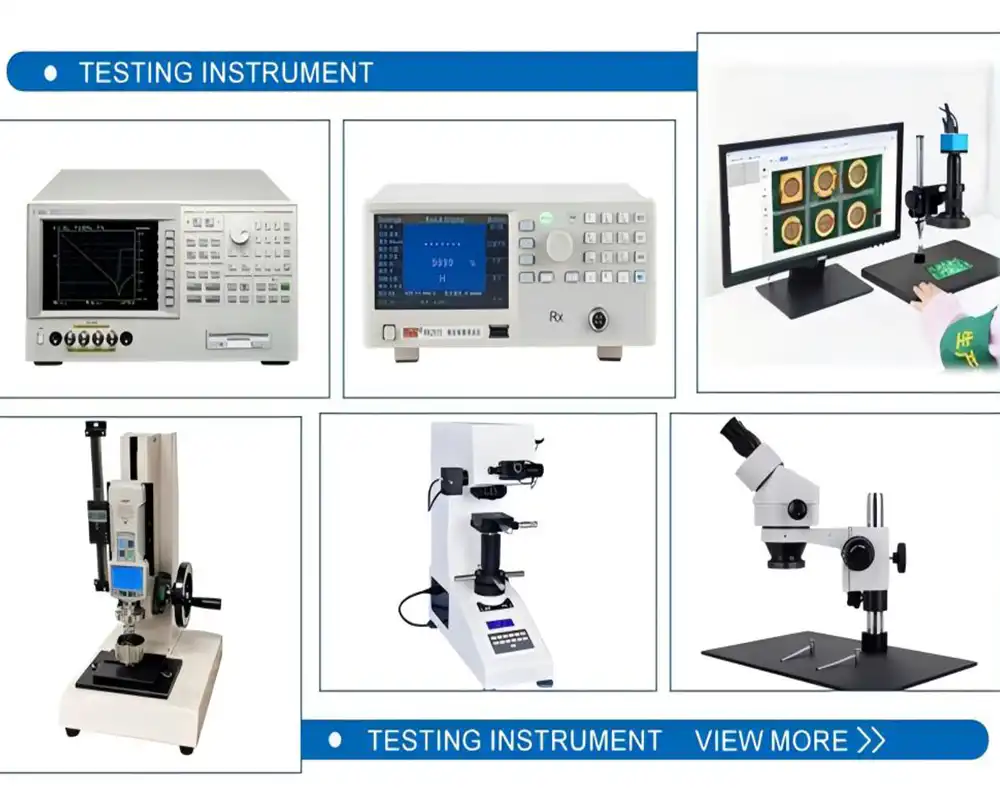
Performance claims are backed up by testing certifications. Independent proof of hermeticity is provided by third-party leak testing that meets ANSI/NCSL Z540 standards. Voltage withstand, insulation resistance, and contact performance are all checked using electrical testing that follows IEC standards. Suppliers who keep approved calibration labs show that they care about the accuracy of measurements.
Validating Supplier Performance Through Due Diligence
Case studies and references from clients can help you figure out how reliable a supplier is. Ask for the contact information of customers who are using similar applications and ask them about delivery speed, how quickly technical support responds, and how reliable the product is in the long term. Not wanting to give recommendations is a sign of possible problems.
Facility audits show how well operations are running and how high the quality culture is. Through virtual tours or in-person visits, you can check out how advanced the equipment is, how clean it is, and how well the staff is trained. Check to see if staff follow written procedures and if measurement systems are regularly calibrated.
Financial stability affects the ability of a partnership to last for a long time. When suppliers are having money problems, they might lower the quality of their products, make lead times longer, or suddenly stop making certain lines of products. Check the company's credit score, yearly records, and payment terms to see how healthy it is.
Final Considerations and Best Practices for Buyers
Aligning Technical Features with Application Requirements
A thorough description of needs is the first step to a successful procurement. Pressure ranges, temperature variations, humidity exposure, vibration patterns, and chemical compatibility should all be listed as environmental factors. In electrical specifications, you need to list the voltage levels, current limits, signal types, frequency ranges, and impedance matching requirements.
Specification gaps can be avoided with an organized process. Think about the mounting orientation, panel thickness, type of mating connector, wire termination method, and ease of access for maintenance. For vacuum uses, you should list the minimum leak rate and bakeout temperature that are allowed. Installations that are under a lot of pressure need grades for burst pressure and check-along times for the seals.
Include technical teams from the start of the supplier selection process. Hardware design engineers can look at problems with mechanical interaction, test engineers can look at how well it works with current fixtures, and procurement managers can look at the total cost of ownership, which is more than just the purchase price. This way of working together finds potential problems before they get too big and cost a lot to fix.
Common Pitfalls and Risk Mitigation Strategies
Environmental underspecification leads to a lot of failures. Buyers don't always think about how mist cycling, salt spray exposure, or chemical fumes can damage seals and contacts over time. Without full environmental exposure, suppliers can't suggest the right products. If you're not sure, describe the worst-case scenarios and ask for proof of material suitability.
Skipping third-party testing and proof comes with a lot of danger. Test data from the manufacturer is useful, but independent validation by accredited laboratories gets rid of any potential conflicts of interest. This is especially important in safety-critical situations where a failed feedthrough could hurt someone or damage equipment badly.
Not following the right steps for fitting can damage even the best parts. Glass-sealed feedthroughs break when soldering temperatures go too high, contact pins bend when wires are inserted without the right tools, and sealing surfaces get crushed when mounting hardware is too tight. Make sure you get clear instructions on how to put the product, and ask the seller to train your support staff.
Building Strategic Supplier Relationships
Long-term relationships are more valuable than one-time deals. Preferred suppliers put time and effort into learning about your applications and will suggest ways to make them better as new technologies come out. They give you priority with your orders when they can't fill all of them at once and let you know ahead of time when products change or become obsolete.
Maintenance support makes products last longer and keeps systems running. Set up inspection plans that are right for the conditions of use. For example, check the insulation resistance every three months in damp places, the helium leak test every year for vacuum systems, and the contact resistance check every six months for high-current uses. Suppliers like Chuangyu help customers set up effective preventive maintenance plans by giving them expert advice on these steps.
Working together with suppliers is good for design evolution. As equipment is updated or new projects start, providers who already know your standards and tastes can speed up the development process. Their knowledge of applications helps improve new designs, which could save money and time compared to starting from scratch with vendors you don't know.
Conclusion
To choose the right high-pressure multipin feedthrough, you need to carefully look at the technical specs, sealing technologies, and provider skills. These important parts keep electrical connections and hermetic integrity while crossing pressure limits. This makes them necessary for use in aircraft, semiconductors, medicine, and industry. A good procurement process combines performance needs with cost concerns, giving priority to providers who can show they know how to make things, have quality certifications, and offer quick technical support. Buyers can get reliable parts that last a long time by learning basic design principles, comparing closing technologies, and forming smart partnerships with suppliers. Common risks are reduced by thorough specification creation, independent testing confirmation, and following the right installation processes. This makes sure that the system performs to the highest standards.
FAQ
1. What distinguishes high-pressure multipin feedthroughs from standard electrical connectors?
High-pressure multipin feedthroughs use glass-to-metal or ceramic-to-metal bonds for hermetic sealing, which stops gas or liquid from moving across pressure barriers. Standard plugs don't completely seal off the environment, so they let tiny leaks happen that aren't good for vacuum tanks, pressure vessels, or places that are sensitive to contamination. Extreme pressure differences can't damage the special construction, which keeps multiple electrical pathways open.
2. How do I verify leak rate specifications for vacuum applications?
Helium mass spectrometry is the standard way to find small leaks and is used in leak testing. For ultra-high-vacuum systems, suppliers should show test certificates that show leak rates are less than certain levels, usually 1×10⁻ atm·cm³/s or less. Independent testing by approved labs backs up what the seller says and meets the quality assurance needs of important uses. Periodic retesting during operation makes sure that the seal stays in good shape.
3. Can high-pressure multipin feedthroughs handle both signal and power transmission?
Modern designs can work with a variety of setups because they combine signal pins that can handle low currents with power contacts that can handle up to 13A. As a result, pin sizes vary: signal wires use smaller diameters to reduce capacitance and keep impedance matching, while power pins use bigger diameters to get rid of heat. Buyers should be clear about how much current each circuit needs so that the right-sized conductors and contact materials are used.
Partner with Chuangyu for Reliable High Pressure Multipin Feedthrough Solutions
Shaanxi Chuangyu Electronic Technology makes precise hermetic feedthroughs by combining cutting-edge sealing technologies with years of experience making things. Our wide range of products includes RF connectors up to 110 GHz, custom test probes, and multipin feedthrough systems made for tough pressure and vacuum conditions. We provide reliable, low-cost solutions to the photovoltaic, medical, aerospace, and semiconductor industries from our 1,000-square-meter facility in Xi'an, which is equipped with smart production systems and strict quality control protocols. Our engineering team works together to make sure that the products we sell work best for your needs, whether you need standard catalog items or completely unique designs. Email us at chuangyuwz01@cymicrowave.com to talk to experienced technical experts about your high-pressure multipin feedthrough needs. As a reliable maker and provider, we offer low prices, easy customization, and quick help for the whole lifecycle of your product.
References
1. Peterson, M.J., & Williams, R.K. (2021). Hermetic Sealing Technologies for Extreme Environments: Materials, Processes, and Applications. Aerospace Engineering Press.
2. Zhang, L., Chen, H., & Kumar, S. (2022). "Comparative Analysis of Glass-to-Metal and Ceramic-to-Metal Sealing for High-Pressure Electrical Feedthroughs." Journal of Electronic Packaging, 144(3), 031008.
3. American Society for Testing and Materials. (2020). ASTM F1606-20: Standard Test Method for Hermetic Seal on Glass, Ceramic, or Metal Packages. ASTM International.
4. Institute of Electrical and Electronics Engineers. (2019). IEEE Standard 1814-2019: Recommended Practice for Electrical Feedthroughs Used in High-Pressure and High-Vacuum Environments. IEEE Standards Association.
5. Thompson, A.R., & Martinez, D.L. (2023). "Reliability Prediction Models for Multipin Feedthrough Assemblies in Downhole Oil and Gas Applications." SPE Drilling & Completion, 38(1), 112-127.
6. International Organization for Standardization. (2018). ISO 3529-3:2018 Vacuum Technology — Vocabulary — Part 3: Vacuum Seals and Associated Elements. ISO Publications.