- English
- French
- German
- Portuguese
- Spanish
- Russian
- Japanese
- Korean
- Arabic
- Greek
- German
- Turkish
- Italian
- Danish
- Romanian
- Indonesian
- Czech
- Afrikaans
- Swedish
- Polish
- Basque
- Catalan
- Esperanto
- Hindi
- Lao
- Albanian
- Amharic
- Armenian
- Azerbaijani
- Belarusian
- Bengali
- Bosnian
- Bulgarian
- Cebuano
- Chichewa
- Corsican
- Croatian
- Dutch
- Estonian
- Filipino
- Finnish
- Frisian
- Galician
- Georgian
- Gujarati
- Haitian
- Hausa
- Hawaiian
- Hebrew
- Hmong
- Hungarian
- Icelandic
- Igbo
- Javanese
- Kannada
- Kazakh
- Khmer
- Kurdish
- Kyrgyz
- Latin
- Latvian
- Lithuanian
- Luxembou..
- Macedonian
- Malagasy
- Malay
- Malayalam
- Maltese
- Maori
- Marathi
- Mongolian
- Burmese
- Nepali
- Norwegian
- Pashto
- Persian
- Punjabi
- Serbian
- Sesotho
- Sinhala
- Slovak
- Slovenian
- Somali
- Samoan
- Scots Gaelic
- Shona
- Sindhi
- Sundanese
- Swahili
- Tajik
- Tamil
- Telugu
- Thai
- Ukrainian
- Urdu
- Uzbek
- Vietnamese
- Welsh
- Xhosa
- Yiddish
- Yoruba
- Zulu
When reliable signal transmission becomes critical for your electronic systems, BNC to RF connector solutions deliver the precision and performance that modern industrial applications demand. These specialized connectors bridge BNC interfaces with RF cables and equipment, ensuring optimal impedance matching and signal integrity across diverse communication systems. Engineers and procurement managers increasingly recognize that selecting the right connector technology directly impacts overall system performance, reduces signal loss, and creates maintainable setups that withstand demanding operational environments. Understanding the comprehensive benefits of these connectors enables informed decision-making for B2B procurement teams seeking to optimize their RF infrastructure investments.
Understanding BNC to RF Connectors and Their Core Advantages
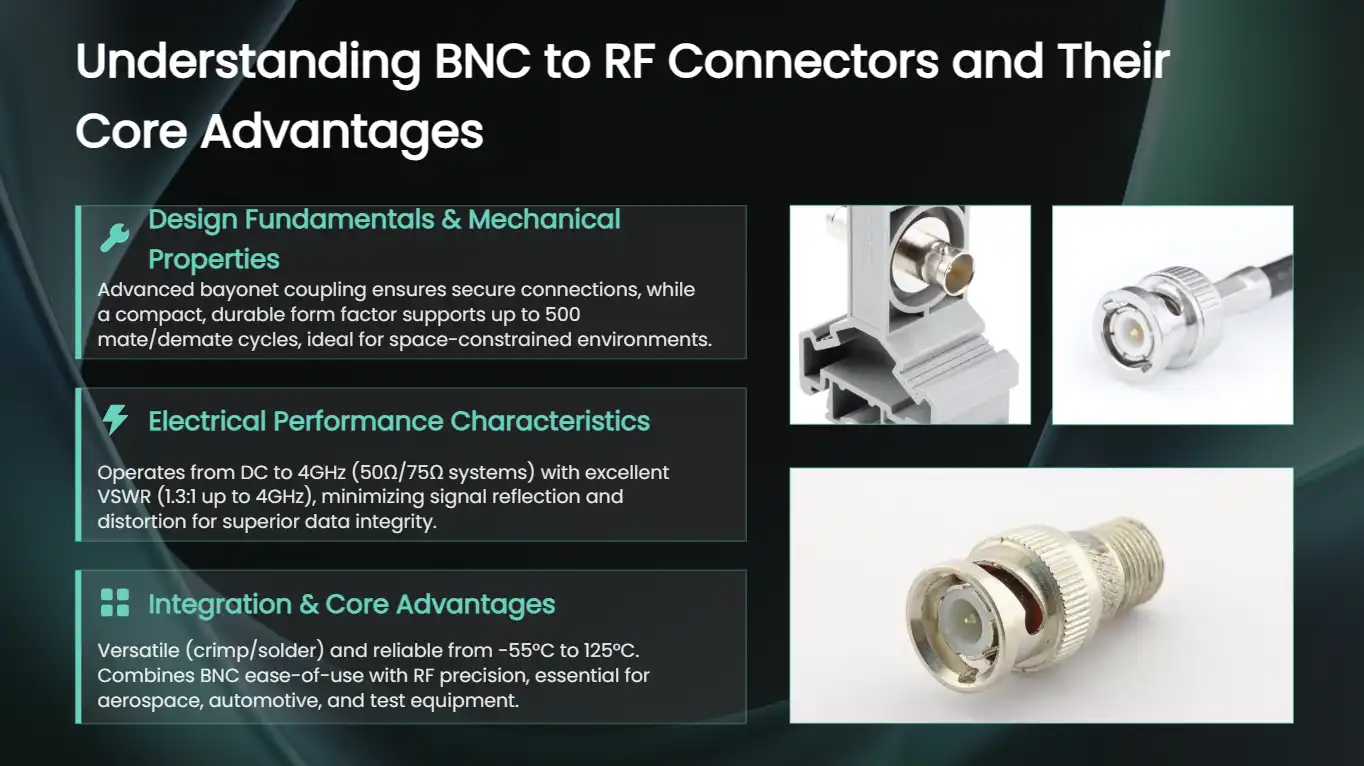
BNC to RF connector technology is a sophisticated way to send RF signals. It combines the ease of use of BNC interfaces with the need for accuracy in radio frequency applications. These adapters make it easy to connect BNC equipment to RF cables without any problems, and they keep the right impedance levels along the data path.
Design Fundamentals and Mechanical Properties
The engineers who made these connectors used advanced bayonet coupling methods to make sure that the connections were quick and safe. When it comes to the installation room, the mechanical design's small size makes it easy to use in tight spots while still being very durable. With rated specs that support up to 500 mate/demate cycles, these connectors can be used over and over again without losing their mechanical or connection quality.
Electrical Performance Characteristics
Modern BNC to RF connectors can work with a wide range of frequencies, from DC to 4GHz, and can handle both 50-ohm and 75-ohm systems. The excellent VSWR performance of 1.3:1 up to 4GHz makes sure that signals are reflected as little as possible, and exact impedance matching keeps signals from becoming distorted. Because of these electrical properties, they work great in test equipment, communication systems, and measurement tools that need to keep the signal integrity high.
Integration Capabilities Across RF Systems
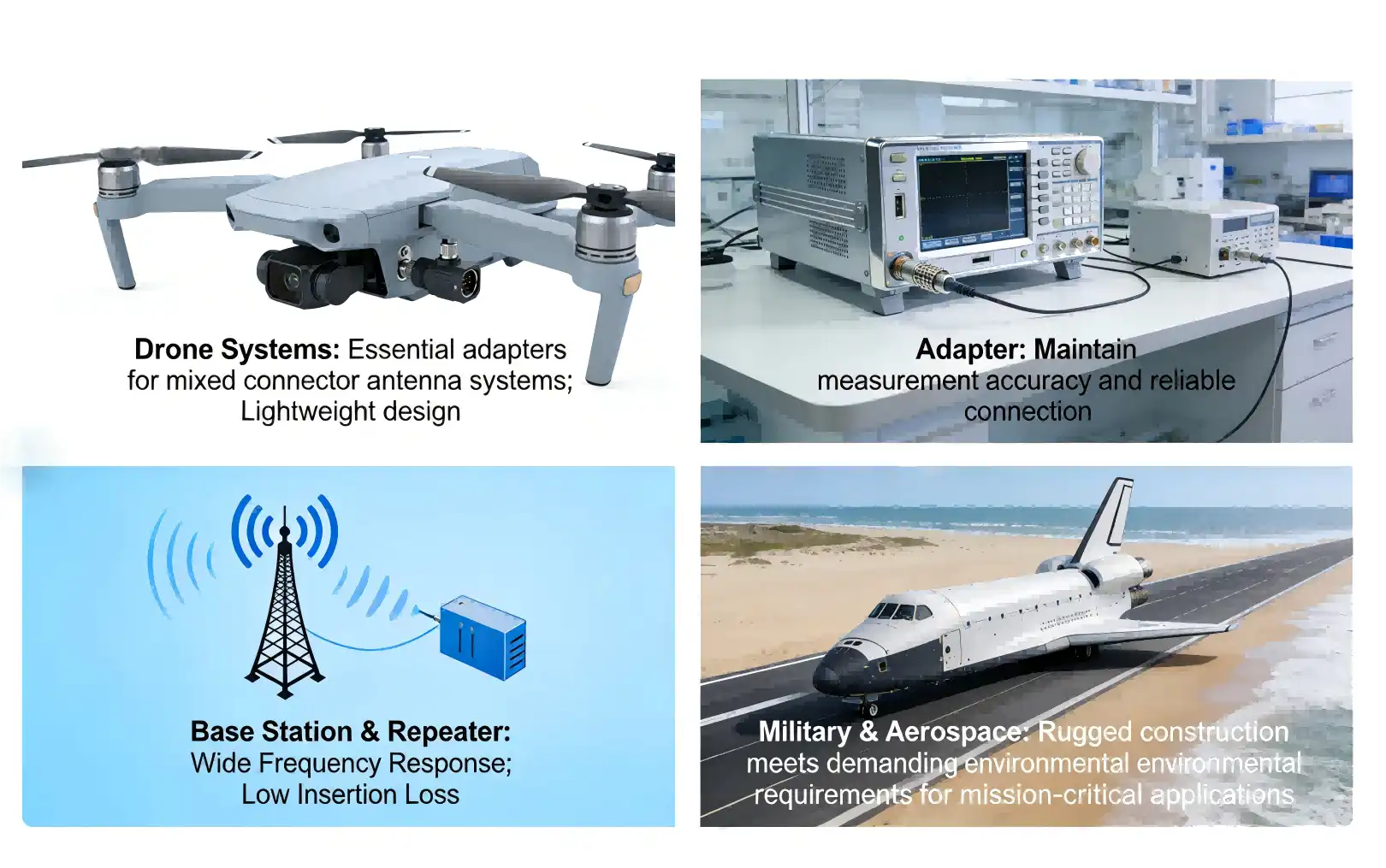
These connectors work with a wide range of RF designs and can be installed in a number of ways, such as using crimp or solder connections. It can work in temperatures ranging from -55°C to 125°C, so it can be used in a lot of different situations. It is useful in aerospace, automotive, and outdoor settings. Because they work with a lot of different systems, they are important for system integrators who work in a lot of different industries.
Top 5 Benefits of Using BNC to RF Connectors in Your Setup
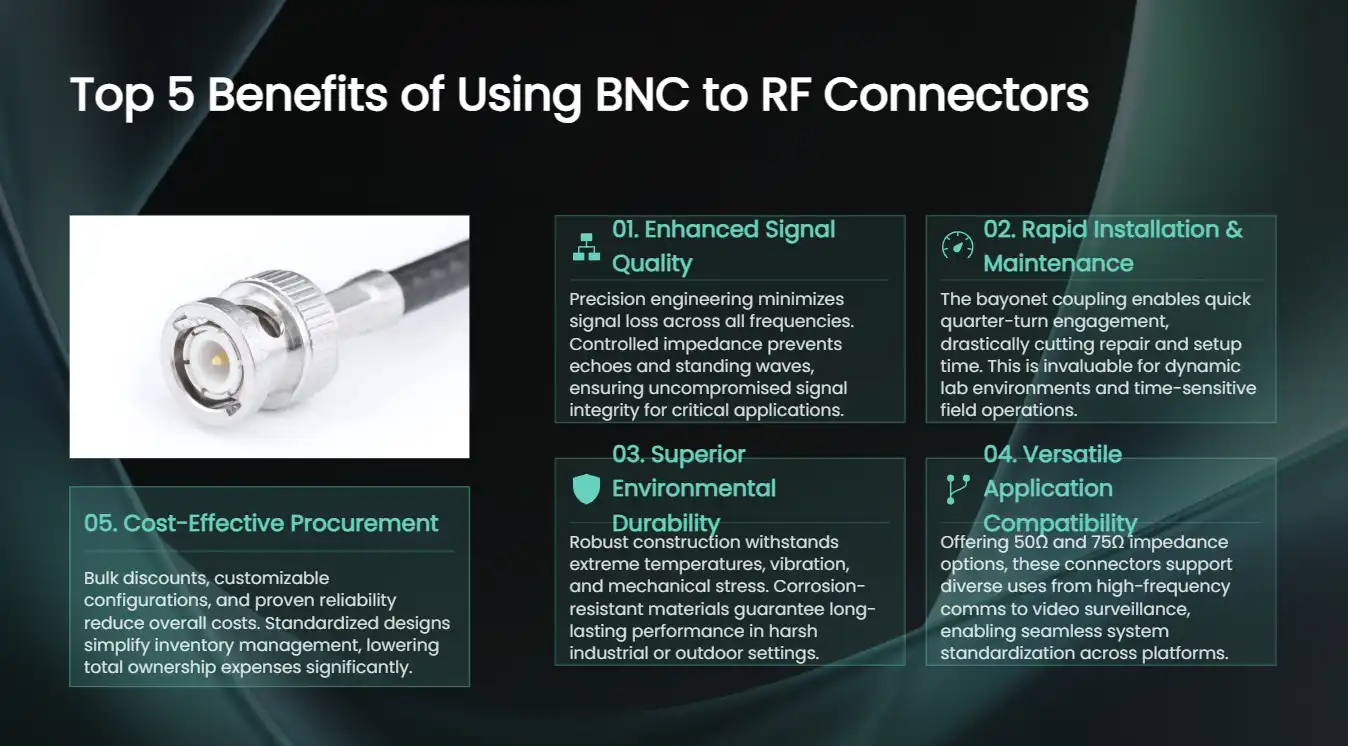
Using BNC to RF connector options in your electronic systems has measurable benefits that have a direct effect on how well they work and how efficiently they run. These benefits go beyond just being able to join. They also include buying benefits, maintenance benefits, and long-term strategies for lowering costs.
Here are the main reasons why these connectors are so important for current RF applications:
Enhanced Signal Transmission Quality
Because these connections are made with precision engineering, they can send signals with little loss across the whole frequency range. Modern materials and manufacturing methods reduce insertion loss to a minimum, which keeps the signal strength constant along all transmission routes. The controlled impedance properties keep echoes and standing waves from happening, which would lower the signal quality. This makes them very useful for high-frequency communication systems and sensitive measurement applications.
Rapid Installation and Maintenance Efficiency
The bayonet coupling mechanism changes the way connections are made by allowing quarter-turn engagement, which saves a lot of time during repair and installation. This feature that lets you join quickly is especially useful in labs where test setups are changed often or in the field, where technician time directly affects the cost of the project. The easy-to-understand linking process means that training isn't needed, and installation mistakes are less likely to happen.
Superior Environmental Durability
These connectors are very strong and resilient in harsh environments. They keep working properly even when temperatures change a lot, and there is a lot of shaking. The strong construction can handle repeated mechanical stress, and materials that don't rust ensure that outdoor placements will last for a long time. This durability means that key infrastructure applications will need less maintenance and have a lower total cost of ownership.
Versatile Application Compatibility
The two impedance choices (50 ohm and 75 ohm) make it possible to use it for a wide range of purposes, from high-frequency communication equipment to video surveillance systems. This adaptability lets a company standardize across different system types, which makes managing inventory easier and purchases less complicated. The wide frequency range makes it possible to add new equipment and integrate old equipment.
Cost-Effective Procurement Benefits
Some of the benefits of buying from businesses are the chance to get discounts for buying in bulk, the ability to make custom configurations, and easier control of the supply chain. Standardized designs make goods easier to manage, and proven dependability cuts down on warranty claims and replacement costs. These things make it easier to figure out the return on investment (ROI) and make budgets for RF infrastructure projects.
How to Choose the Best BNC to RF Connector for Your Business Needs
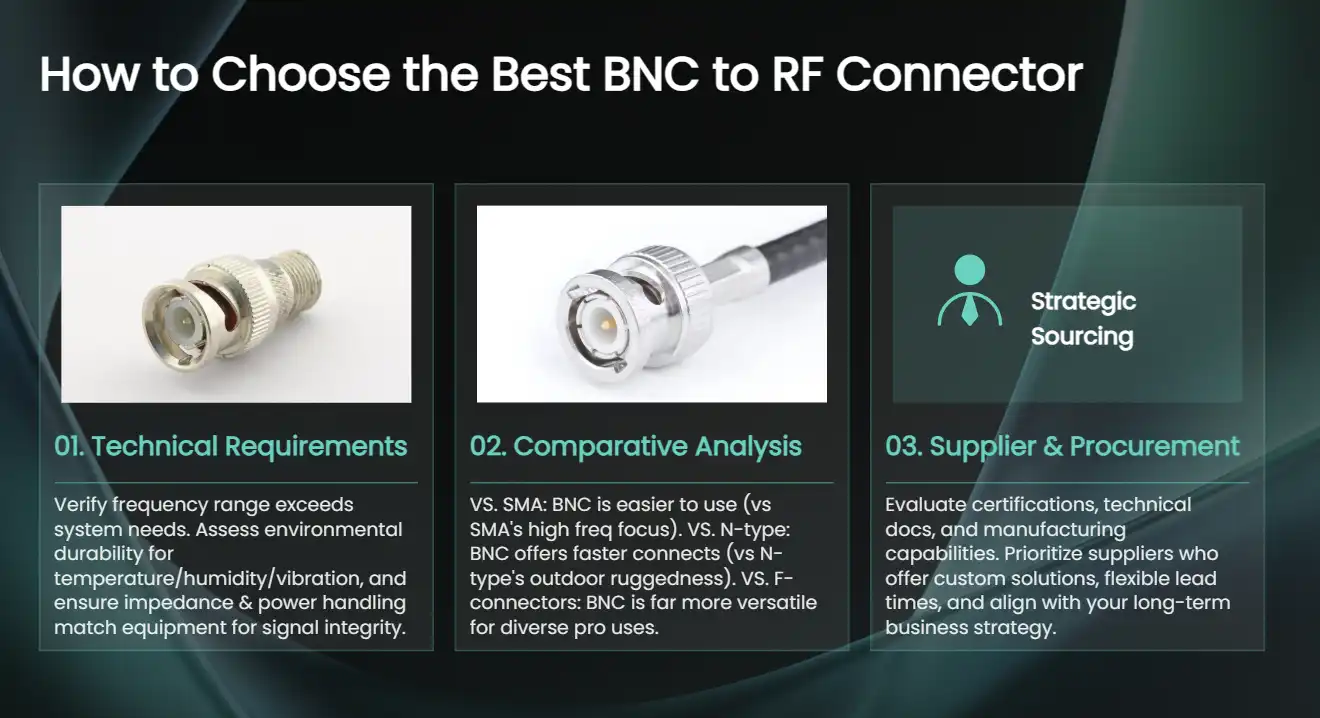
To choose the best BNC to RF connector solutions, you need to carefully look at application-specific factors that match your system's and your operation's needs. Technical evaluation, supplier evaluation, and strategic procurement issues that affect system performance over the long run are part of the decision-making process.
Application-Specific Technical Requirements
Specifications for the frequency range help you choose a connector, but you need to be very careful that the stated performance of the connector is better than what your system needs to work. The required durability requirements are set by environmental factors such as temperature extremes, humidity levels, and vibration exposure. To keep the signal's integrity, the tools you already have must exactly match the impedance matching and power handling needs.
Comparative Analysis with Alternative Connector Types
SMA connectors work best in high-frequency situations up to 18GHz, but BNC to RF connector options are easier to use in situations within their frequency range. N-type connectors are better for outdoor setups because they can handle bad weather, but they don't connect as quickly as BNC technology does. While F connectors work well for some cable TV uses, they are not as flexible as BNC options. Knowing about these trade-offs can help you choose the best connection for your needs.
Supplier Qualification and Procurement Strategy
When evaluating possible providers, you need to look at their quality certifications, technical documentation, and warranty terms. Manufacturing skills, such as the ability to make custom configurations and the amount of work that can be done, affect the dependability of the supply chain. Lead times and shipping costs are affected by how close two businesses are to each other. Payment terms and minimum order sizes have an effect on managing cash flow. Long-term procurement benefits come from building relationships with suppliers who know the specific needs of your business.
Troubleshooting and Maintaining BNC to RF Connectors
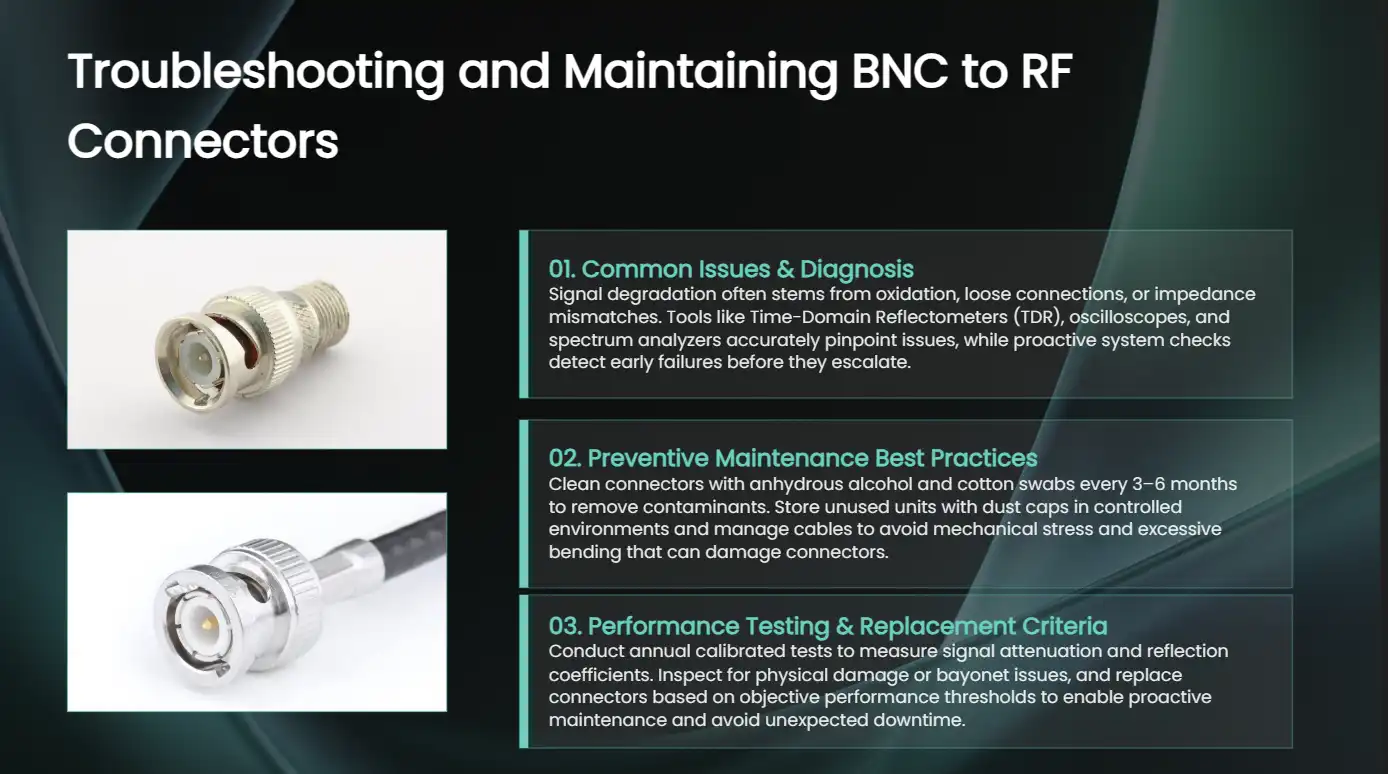
When you follow the right upkeep and diagnostic steps, your BNC to RF connector installations will last a lot longer and keep the signal quality at its best. Understanding typical failure modes and putting in place preventive maintenance schedules can keep systems running smoothly and cut down on unexpected downtime.
Common Performance Issues and Diagnostic Methods
Signal degradation is often caused by oxidation on contact surfaces, connections that are too loose, or impedance mismatches in the signal line. Diagnostic tools like network monitors and time-domain reflectometers (TDR) can accurately find connection issues and check the quality of signals. Using oscilloscopes or spectrum analyzers to check system performance on a regular basis helps find problems before they affect how the system works. Systematic testing methods make it possible to plan maintenance ahead of time and stop major system failures before they happen.
Preventive Maintenance Best Practices
Using anhydrous alcohol and cotton swabs to clean regularly removes oxidation layers and other contaminants that hurt the quality of the link. The cleaning plan should be followed every three to six months or after being in an oily or dusty environment. This will keep the contact surfaces spotless. The right way to store things, with a dust cap on top and a controlled environment, keeps things from getting dirty when they're not being used. Cable management techniques that keep cables and connectors from breaking too much or being put under too much mechanical stress protect both.
Performance Testing and Replacement Criteria
Using calibrated test tools to check the quality of signal transmission once a year gives objective performance data that can be used to make decisions about maintenance. Signal attenuation measurements and reflection coefficient studies show when the part needs to be replaced. Checking the device physically for problems with closing the bayonet, loose connectors, or signal interruptions can help you spot problems before they happen. Setting clear replacement standards based on measured performance degradation makes it possible to use proactive maintenance strategies that keep systems from going down without warning.
Future Trends and Innovations in BNC to RF Connector Technology
The switch to BNC to RF connector solutions is in line with wider industry trends toward higher reliability, better protection of the environment, and more uses. Knowing about these changes helps buying teams guess what the needs of the future will be and make sure their plans are in line with how technology is improving.
Material Science and Manufacturing Advances
Today, most of the work that goes into making connectors is done with advanced plating materials that don't rust and still carry electricity well. Low-loss dielectric materials make signal transmission more efficient, and more precise production cuts down on differences between connectors. These changes lead to more consistent performance and longer operating life, which means that investments in procurement are better used.
Digital Transformation Impact on Procurement
Supply chain openness programs help quality assurance programs by making it easier to keep track of the quality of parts and where they were made. Digital procurement tools make it easier to place orders and show you what's in stock at all times. Custom production is getting better at meeting the needs of specific applications without charging a lot more, which lets systems be optimized more precisely.
Environmental and Regulatory Considerations
New rules about the environment are pushing the creation of more eco-friendly ways to make things and materials that can be recycled. Better protection technologies make it easier to use electronics outside, and trends toward smaller sizes make it possible to have more connections in smaller pieces of equipment. These changes open up new possibilities for system builders while still working with the infrastructure that is already in place.
Conclusion
BNC to RF connector technology has been shown to be useful for current electronic systems because it allows for quick connections and better signal performance in a wide range of situations. The many benefits include better technical performance, more efficient operations, and better strategy purchasing, which is why they are widely used in professional installations. Companies that buy good connector solutions set themselves up for more reliable systems, lower maintenance costs, and more operating flexibility. The way technologies are changing keeps opening up new uses for these connections, but they still have the basic benefits that make them necessary for building RF infrastructure.
FAQ
What frequency range do BNC to RF connectors support?
BNC to RF connector options work from DC to 4GHz, but some specialized versions can work at higher frequencies as well. Most of the time, the 50-ohm models work better with high frequencies than the 75-ohm versions, which are better for video and lower-frequency tasks.
How do I ensure proper impedance matching?
Impedance matching requires using 50-ohm connectors exclusively with 50-ohm equipment and cables, while 75-ohm models must connect only to 75-ohm systems. Mixing impedance values creates signal reflections and transmission quality degradation that compromises system performance.
What maintenance schedule should I follow?
Cleaning with dry alcohol every three to six months keeps the contact quality at its best, and testing the signal quality once a year with network analyzers or oscilloscopes keeps an eye on performance decline. Depending on the environment and how often it is used, upkeep may need to be done more often.
Partner with Chuangyu for Premium BNC to RF Connector Solutions
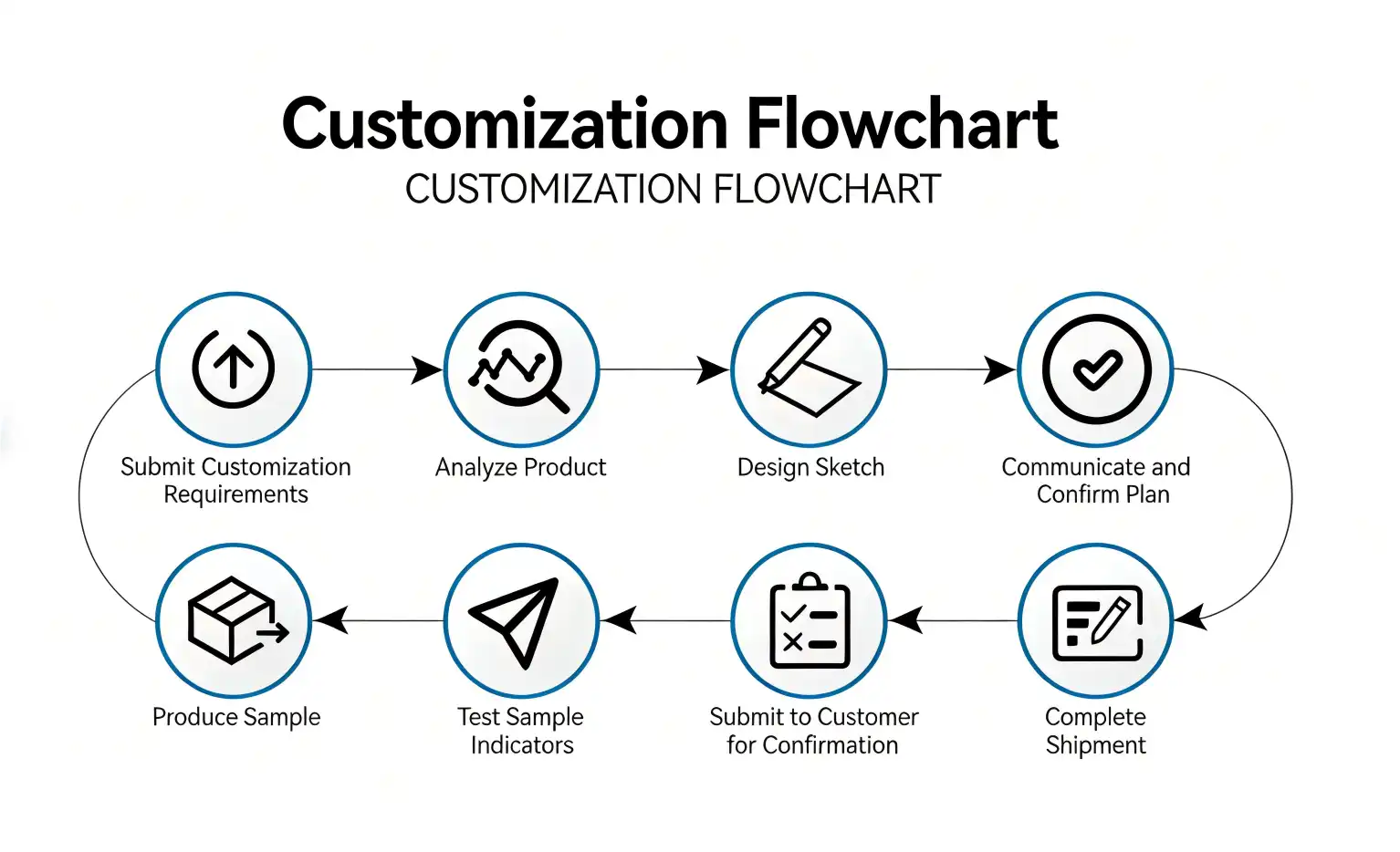
Chuangyu Electronic Technology delivers industry-leading BNC to RF connector solutions engineered for demanding industrial applications. Our advanced manufacturing capabilities, including precision electrical connector design and high-speed PCB integration, ensure superior performance across semiconductor testing, photovoltaic applications, and communication systems. With nearly two decades of expertise and annual production capacity exceeding 500,000 RF components, Chuangyu serves as your trusted BNC to RF connector supplier for both standard and custom configurations. Our comprehensive quality assurance processes and rapid order response capabilities support your critical project timelines while delivering the reliability your applications demand. Contact our technical team at chuangyuwz01@cymicrowave.com to discuss your specific requirements and discover how our precision connector solutions can optimize your system performance.

References
1. Institute of Electrical and Electronics Engineers. "Standard for RF Connector Interface Specifications." IEEE Standards Association, 2023.
2. Johnson, Michael R. "RF Connector Technology: Design Principles and Performance Optimization." Journal of Electronic Engineering, Vol. 45, No. 3, 2024.
3. Anderson, Sarah K. and Chen, David L. "Impedance Matching in High-Frequency Connector Systems." International Conference on RF Technology Proceedings, 2023.
4. Williams, Robert P. "Maintenance Strategies for RF Infrastructure Components." Electronic Systems Reliability Quarterly, Issue 2, 2024.
5. Thompson, Lisa M. "Environmental Testing Standards for RF Connectors in Industrial Applications." Standards and Testing Review, Vol. 12, No. 4, 2023.
6. Martinez, Carlos J. "Cost-Benefit Analysis of RF Connector Technologies in Manufacturing Environments." Industrial Procurement Management, Spring 2024.