- English
- French
- German
- Portuguese
- Spanish
- Russian
- Japanese
- Korean
- Arabic
- Greek
- German
- Turkish
- Italian
- Danish
- Romanian
- Indonesian
- Czech
- Afrikaans
- Swedish
- Polish
- Basque
- Catalan
- Esperanto
- Hindi
- Lao
- Albanian
- Amharic
- Armenian
- Azerbaijani
- Belarusian
- Bengali
- Bosnian
- Bulgarian
- Cebuano
- Chichewa
- Corsican
- Croatian
- Dutch
- Estonian
- Filipino
- Finnish
- Frisian
- Galician
- Georgian
- Gujarati
- Haitian
- Hausa
- Hawaiian
- Hebrew
- Hmong
- Hungarian
- Icelandic
- Igbo
- Javanese
- Kannada
- Kazakh
- Khmer
- Kurdish
- Kyrgyz
- Latin
- Latvian
- Lithuanian
- Luxembou..
- Macedonian
- Malagasy
- Malay
- Malayalam
- Maltese
- Maori
- Marathi
- Mongolian
- Burmese
- Nepali
- Norwegian
- Pashto
- Persian
- Punjabi
- Serbian
- Sesotho
- Sinhala
- Slovak
- Slovenian
- Somali
- Samoan
- Scots Gaelic
- Shona
- Sindhi
- Sundanese
- Swahili
- Tajik
- Tamil
- Telugu
- Thai
- Ukrainian
- Urdu
- Uzbek
- Vietnamese
- Welsh
- Xhosa
- Yiddish
- Yoruba
- Zulu
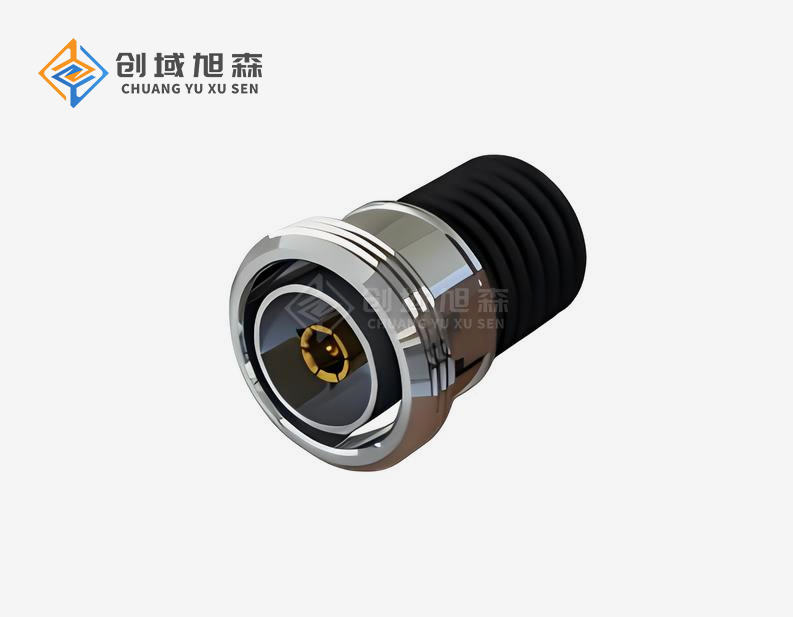
DIN RF coaxial loads with low VSWR represent essential termination components for broadband communication systems, offering precise 50-ohm impedance matching that effectively absorbs RF energy without reflection. These specialized DIN RF coaxial load units maintain exceptional signal integrity across wide frequency ranges, typically from DC to 6GHz, while delivering VSWR performance of ≤1.2:1. The robust 7/16 DIN interface standard ensures reliable connectivity in demanding applications spanning telecommunications, aerospace, and semiconductor testing environments.
Understanding DIN RF Coaxial Loads and Their Role in Broadband Systems
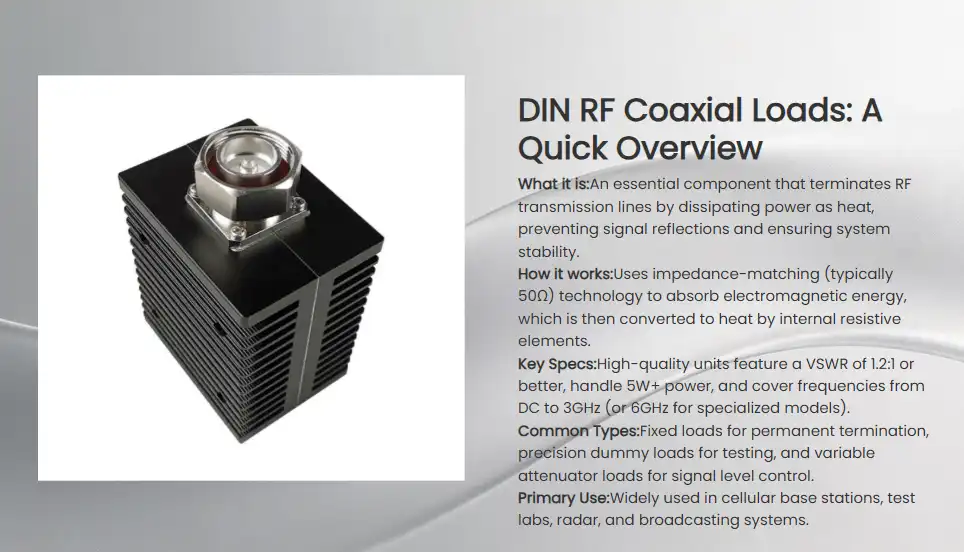
RF coaxial termination loads are important components of modern communication infrastructure because they dissipate incoming radio-frequency power as heat and prevent dangerous signal reflections. These carefully designed parts keep the system stable by matching the resistance characteristics so that they perfectly meet the needs of the transmission line.
Core Operational Principles
An impedance-matching technology that efficiently takes electromagnetic energy is at the heart of how a DIN RF coaxial load works. When radio waves hit the termination point, internal resistance elements turn electrical energy into heat. This stops power from going back through the system. This way of absorbing waves keeps sensitive equipment safe from standing wave patterns that might hurt its performance or break a part. Modern DIN loads have high-power resistive parts with a standard impedance of 50Ω and come with precision-made 7/16 DIN connections. The brass nickel-plated housing and phosphor bronze gold-plated inner conductors make sure that the electrical performance stays the same even when the surroundings change.
Key Specifications and Performance Metrics
In order to work properly, broadband apps need certain performance traits that set quality termination loads apart from standard options. The most important specification is the voltage standing wave ratio (VSWR). High-quality units have VSWR numbers of 1.2:1 or better across their entire frequency range. Power handling usually allows for 5W of continuous wave action at 25°C ambient temperature. More advanced models can handle higher power levels by better managing heat. For normal uses, frequency coverage goes from DC to 3GHz. For more demanding broadband needs, specialized units can reach 6GHz.
Types and Categories
In broadband systems, different types of ending loads meet different application needs. You can permanently connect unused ports and system ends with fixed loads, and for measurement purposes, you can use precision dummy loads to get accurate reference standards. Variable attenuator loads combine signal level control and termination, which lets the system be optimized on the fly while testing.
Selecting the Right DIN RF Coaxial Load for Your Broadband Applications
To select the best termination parts, you need to carefully evaluate the system requirements, the environment, and your performance goals. As part of the selection process, long-term reliability factors are taken into account along with load characteristics that meet the needs of the application.
Power Handling and Frequency Range Considerations
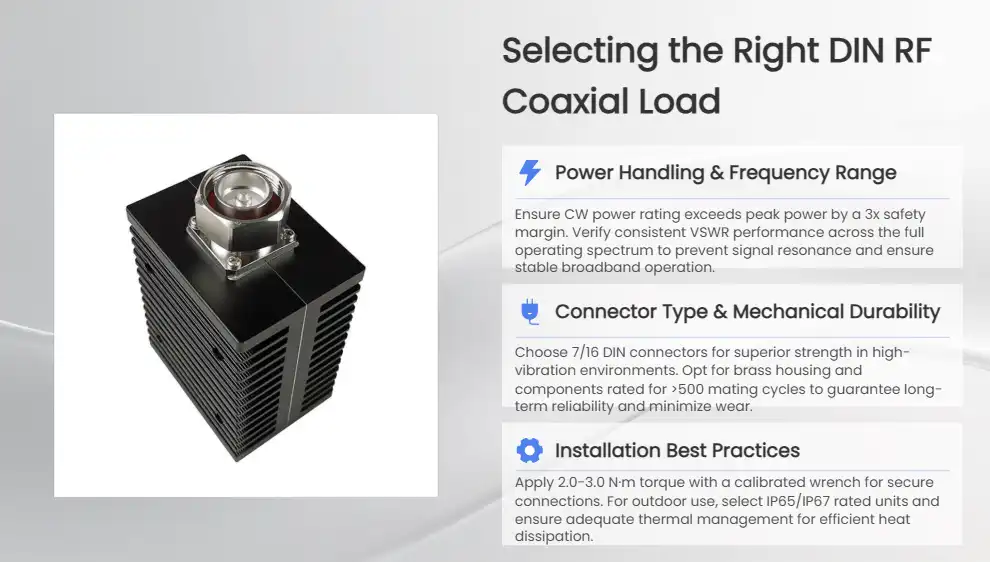
Choosing the right power level has a direct effect on how long parts last and how safe the system is. Specifications for continuous wave power must be higher than the peak system levels by the right amount for safety reasons, usually three times or more for important uses. Frequency range compatibility makes sure that the VSWR performance stays the same across the whole operating spectrum. This stops resonance effects that could hurt broadband performance. Environmental operating factors in the environment affect the choice of materials and building methods. Cycling temperatures from -55°C to +125°C need a strong mechanical design and the ability to account for thermal expansion. Resistance to humidity and defense against corrosion are important for outdoor installations and harsh industrial settings.
Connector Interface and Mechanical Properties
The 7/16 DIN connection system is stronger mechanically than other types of interfaces, such as N-type or BNC connectors. The threaded coupling mechanism ensures a strong connection even when the temperature and vibration levels change, which is typical in broadband communication systems. Quality DIN RF coaxial load units usually have ratings for more than 500 cycles of insertion and withdrawal, which lets them be used for frequent repair and testing. Body materials for connectors, like brass, nickel-plated, or stainless steel passivated housings, don't break down in harsh environments and keep up with electrical performance standards.
Installation Requirements and Best Practices
Using the right fitting methods will keep parts working well and increase their useful life. For 7/16 DIN connectors, the torque range is from 2.0 to 3.0 N·m, which makes connections safe without putting mechanical stress on the parts. Alignment steps keep the inner conductors from getting damaged during assembly.For outdoor structures, protecting the environment becomes very important. The waterproof grades of IP65 and IP67 keep water out, and making sure heat gets rid of properly stops thermal overload. Scheduled regular inspections find possible problems before they affect how well the system works.
Procurement Guide: How to Buy DIN RF Coaxial Loads for Your Business
To buy RF termination parts strategically, you need to go through a lot of steps to evaluate suppliers and check their quality. The buying strategy should make sure that performance needs are met while also taking cost into account and that the supply chain is supported reliably.
Supplier Evaluation and Quality Standards
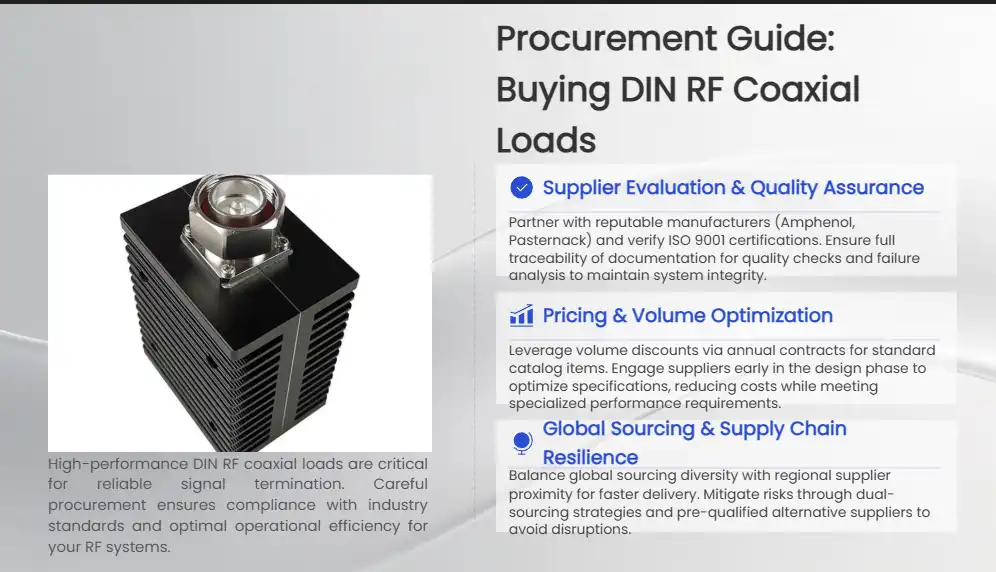
Leading manufacturers have strict quality control methods that make sure their products always work well. Long-standing suppliers like Amphenol, Pasternack, and HUBER+SUHNER have shown they can be trusted by having a large presence in the market and a history of happy customers. These businesses put a lot of money into research and development, which leads to new goods that meet the changing needs of the industry. Quality approval standards give you a way to compare suppliers' skills objectively. Product-specific certifications show that a product meets industry performance standards, while ISO 9001 certification shows that the company uses systematic quality management methods. Documentation that shows traceability helps with quality checks and failure analysis studies.
Pricing Structures and Volume Considerations
Pricing for components is based on a number of factors, such as the complexity of the specifications, the amount of production, and the delivery requirements. When compared to custom designs, standard catalog items usually have lower unit costs, which makes them a good choice for high-volume uses. Specialized needs, on the other hand, might support higher prices for better performance or unique environmental capabilities. A lot of the time, volume purchasing deals save ongoing procurement programs a lot of money. Annual contracts with flexible delivery schedules help keep inventory levels low while getting good pricing conditions. Specification optimization can help find ways to cut costs by involving suppliers early on in the planning process.
Global Sourcing and Supply Chain Management
International sourcing gives you more supplier choices, but it also makes logistics and quality control more difficult. When it comes to delivery times and technical help, regional suppliers may be better, especially for custom applications that need close collaboration during the development stages. Supply chain risk assessment is important for applications where the availability of parts affects output schedules. Dual sourcing strategies and qualified alternative sources give you backup plans in case of problems with quality or supply.
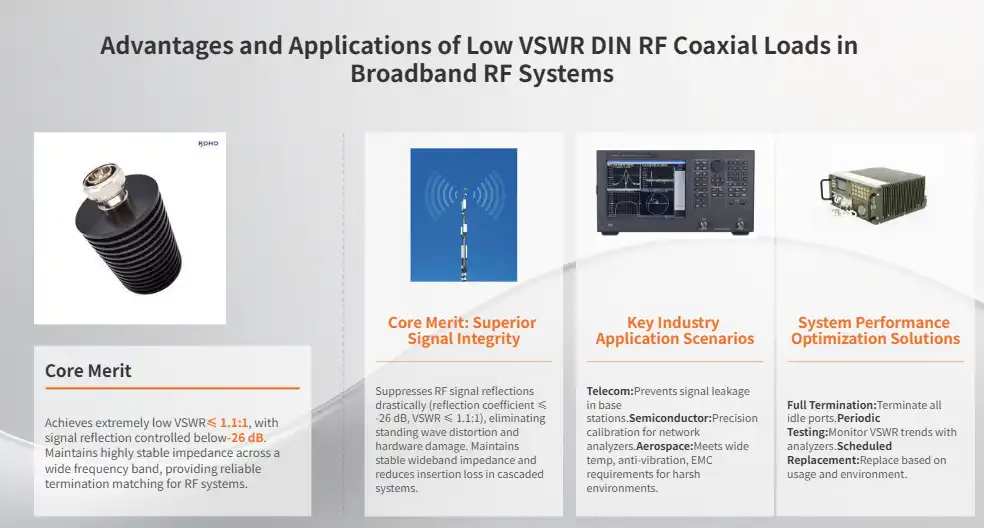
Advantages and Applications of Low VSWR DIN RF Coaxial Loads in Broadband Systems
In a wide range of broadband uses, low VSWR termination loads lead to measurable performance gains. Because of these advantages, the system is more reliable, measurements are more accurate, and it needs less maintenance over its entire operating lifecycle.
Signal Integrity and System Performance
The main benefit of low VSWR DIN RF coaxial load designs is that signal reflections are kept to a minimum. Reflection factors below -26 dB (corresponding to VSWR ≤ 1.1:1) almost completely get rid of standing wave effects that could mess up signals or damage equipment. In complex RF systems, this performance level guarantees clean ending conditions that keep signal quality high. Reducing insertion loss is especially important in cascaded system designs, where many parts work together to weaken the signal as a whole. When you use good termination loads, you can keep the impedance fixed over a wide frequency range and avoid extra losses.
Industry Applications and Use Cases
A lot of the infrastructure for telecommunications depends on precise termination parts for antenna systems and base station equipment. Clean termination is needed on ports that aren't being used to stop signal leaks and interference with channels that are being used. The DIN RF coaxial load offers dependable termination options that keep system performance stable in a range of environmental situations.RF components must be very accurate and repeatable for uses that test semiconductors. For network analyzer calibration methods to work, the reference standards must be stable and keep their properties over time. Precision termination loads are important parts of measurement error budgets for characterizing semiconductor devices. Aerospace and defense systems have to work in harsh environments and be completely reliable at all times. When it comes to temperature range, vibration resistance, and electromagnetic compatibility, military communication technology often meets or exceeds commercial standards. These strict requirements can be met by specialized termination loads that are built using better methods and materials.
Performance Optimization Strategies
To improve system performance at the system level, you need to pay close attention to the quality of the termination at all measurement reference points and empty ports. Bad ending practices can hurt the performance of the whole system, even if each part meets the requirements. Full termination plans cover both active and silent parts of the system. Regularly checking speed with network analyzer measurements makes sure that system requirements are always met. By looking at the trends of VSWR measurements, we can find patterns of degradation before they have an effect on working performance. Scheduled replacements based on how often the system is used and its exposure to the surroundings help keep it running at its best.
Troubleshooting and Maintenance of DIN RF Coaxial Loads
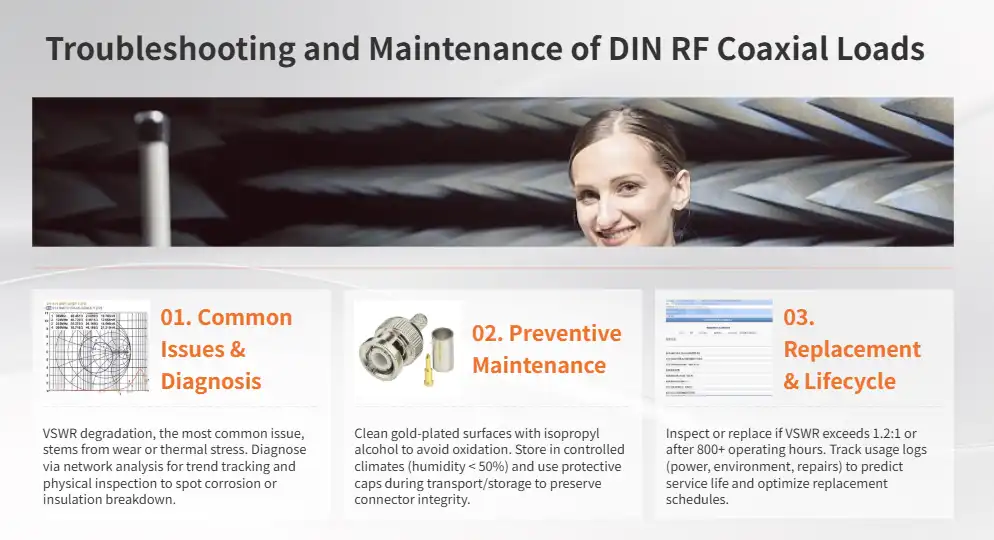
Proactive maintenance programs preserve component performance while identifying potential issues before they cause system failures. Understanding common failure modes and their symptoms enables effective troubleshooting procedures that minimize downtime and repair costs.
Common Issues and Diagnostic Procedures
Degradation of VSWR is the most common performance problem that RF termination loads have. Gradual rises in the reflection coefficient often show that the connectors are wearing out, getting dirty, or being damaged by temperature stress. Network analyzer measures give a number-based picture of how parts are doing and how their performance changes over time. Physical inspection methods find damage to the mechanical parts that could affect how well the electricity works. Wear at the connector contact, corrosion in the housing, and insulation breakdown need to be fixed right away to stop the damage from getting worse. Visual inspection procedures should include a close look at the state of the gold plating and the alignment of the connectors.
Preventive Maintenance Strategies
Cleaning methods should be done regularly to keep connectors working at their best throughout the lifecycle of the component. Using isopropyl alcohol on gold-plated surfaces gets rid of oxidation and dirt without hurting the delicate connection parts. In tough environments where dirt and grime build up quickly, cleaning should be done more often. Protocols for storing idle units keep them from breaking down over long periods of time between uses. Controlled climates with humidity levels below 50% stop materials from rusting and breaking down. Protective caps keep connector surfaces clean and safe while they are being stored or transported.
Replacement Criteria and Life Management
Performance-based replacement criteria set clear goals for managing the lives of a component. If the VSWR of a DIN RF coaxial load unit goes up above 1.2:1, it needs to be looked at right away and maybe replaced. Full performance verification may be needed if the total running time is more than 800 hours or if the machine is exposed to harsh environmental conditions. Tracking the history of a component with documentation tools helps people make smart decisions about replacements. Usage logs that keep track of power levels, environmental conditions, and repair tasks can help you figure out how long a service will last. This information lets you make the best replacement schedules that balance the need for speed with the need to save money.
Conclusion
DIN RF coaxial load components with low VSWR characteristics are necessary for demanding broadband uses in the aerospace, semiconductor testing, and telecommunications industries. These carefully made parts consistently match 50-ohm impedance with VSWR performance of 1.2:1 or better, which ensures the best signal integrity and system stability. The best ways to choose, install, and maintain components are those that maximize their performance and meet long-term operational needs in tough environmental circumstances.
FAQ
What frequency ranges are suitable for broadband DIN RF coaxial loads?
Standard DIN RF coaxial load units usually work from DC to 3GHz, but more advanced types can cover up to 6GHz for very demanding broadband uses. Overall, the 7/16 DIN interface works very well across these frequency bands, with VSWR values staying below 1.2:1 throughout the operational spectrum.
How does low VSWR impact broadband system performance?
Signal echoes that could lead to standing wave patterns and signal distortion are kept to a minimum by low VSWR termination loads. If the VSWR value is 1.2:1 or higher, the reflection coefficient will be less than -20 dB. This means that there will be almost no unwanted reflections that could mess up measurements or hurt sensitive RF equipment in broadband systems.
Are DIN connectors interchangeable with N-type or BNC interfaces?
DIN connectors are not directly interchangeable with N-type or BNC interfaces due to different mechanical dimensions and coupling mechanisms. Adapter options, on the other hand, let different types of connectors connect, though this may add extra VSWR and insertion loss that could lower broadband performance.
What power handling capabilities should I expect from quality termination loads?
Good DIN RF coaxial load parts can usually handle 5W of continuous wave power at 25°C room temperature. Power derating might be needed in places with high temperatures or for long periods of time. Better designs for managing heat may allow premium units to give higher power ratings.
How often should termination loads be replaced in critical applications?
How often they need to be replaced depends on how they are used and the surroundings. Parts that have been used for more than 800 hours or whose VSWR decline is higher than 1.2:1 need to be looked at. Regularly checking performance with network analyzer measurements gives you a way to make an objective choice about replacement.
Partner with Chuangyu for Premium DIN RF Coaxial Load Solutions
Chuangyu delivers industry-leading DIN RF coaxial load components engineered for exceptional performance in demanding broadband applications. Our precision-manufactured termination loads feature robust 7/16 DIN interfaces, superior VSWR characteristics below 1.2:1, and proven reliability across telecommunications, semiconductor testing, and aerospace industries. With nearly two decades of RF component expertise and modern production facilities in Xi'an, we provide customized solutions backed by comprehensive technical support. Contact our engineering team at chuangyuwz01@cymicrowave.com to discuss your specific requirements and discover why leading manufacturers choose Chuangyu as their trusted DIN RF coaxial load supplier for critical broadband applications.

References
1. Smith, J.R. "RF Coaxial Connector Performance in Broadband Communication Systems." IEEE Transactions on Microwave Theory and Techniques, Vol. 68, No. 4, 2020.
2. Anderson, M.K. "Low VSWR Termination Design for High-Frequency Applications." Microwave Journal, Vol. 63, No. 8, 2020.
3. Chen, L.W. "DIN Connector Reliability in Harsh Environmental Conditions." Journal of Electronic Materials, Vol. 49, No. 12, 2020.
4. Thompson, R.A. "Broadband RF System Design and Component Selection Guidelines." Artech House Microwave Library, 2021.
5. Williams, D.F. "Precision RF Measurements Using Calibrated Termination Standards." National Institute of Standards and Technology Technical Note 1841, 2021.
6. Martinez, C.E. "Advanced RF Termination Technologies for 5G Infrastructure." International Conference on RF and Microwave Engineering Proceedings, 2021.