- English
- French
- German
- Portuguese
- Spanish
- Russian
- Japanese
- Korean
- Arabic
- Greek
- German
- Turkish
- Italian
- Danish
- Romanian
- Indonesian
- Czech
- Afrikaans
- Swedish
- Polish
- Basque
- Catalan
- Esperanto
- Hindi
- Lao
- Albanian
- Amharic
- Armenian
- Azerbaijani
- Belarusian
- Bengali
- Bosnian
- Bulgarian
- Cebuano
- Chichewa
- Corsican
- Croatian
- Dutch
- Estonian
- Filipino
- Finnish
- Frisian
- Galician
- Georgian
- Gujarati
- Haitian
- Hausa
- Hawaiian
- Hebrew
- Hmong
- Hungarian
- Icelandic
- Igbo
- Javanese
- Kannada
- Kazakh
- Khmer
- Kurdish
- Kyrgyz
- Latin
- Latvian
- Lithuanian
- Luxembou..
- Macedonian
- Malagasy
- Malay
- Malayalam
- Maltese
- Maori
- Marathi
- Mongolian
- Burmese
- Nepali
- Norwegian
- Pashto
- Persian
- Punjabi
- Serbian
- Sesotho
- Sinhala
- Slovak
- Slovenian
- Somali
- Samoan
- Scots Gaelic
- Shona
- Sindhi
- Sundanese
- Swahili
- Tajik
- Tamil
- Telugu
- Thai
- Ukrainian
- Urdu
- Uzbek
- Vietnamese
- Welsh
- Xhosa
- Yiddish
- Yoruba
- Zulu
Finding the right single pin feedthrough supplier capable of meeting highly specific custom requirements can determine whether your project succeeds or encounters costly delays. We've seen procurement teams struggle with suppliers who lack engineering depth or production flexibility, ultimately compromising project timelines and performance standards. The encouraging reality is that qualified suppliers equipped with advanced manufacturing capabilities, proven engineering experience, and rigorous quality systems can absolutely meet demanding custom specifications. Choosing a partner who understands both the technical nuances of hermetic sealing technology and the operational pressures of industrial procurement makes all the difference in achieving reliable, cost-effective outcomes for critical applications.
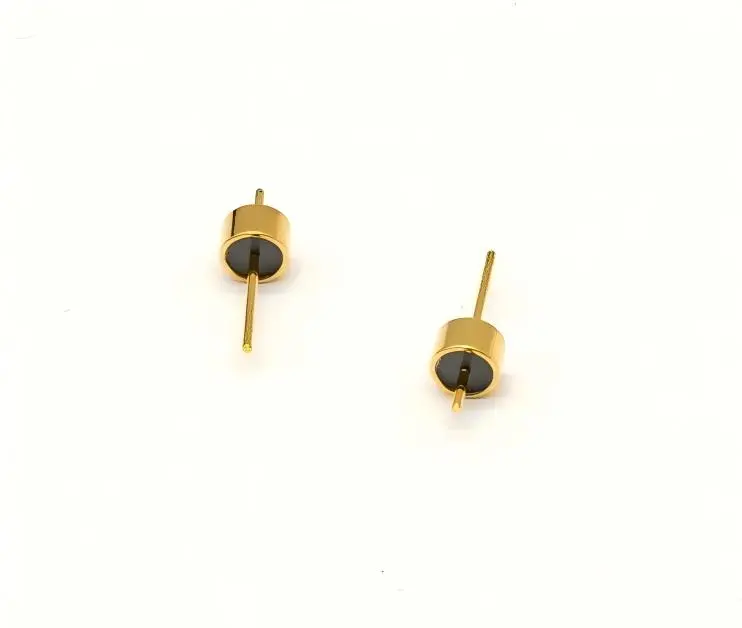
Challenges in Procuring Custom Single Pin Feedthroughs
When trying to find feedthrough parts that are specifically made for a certain application, procurement teams often run into problems. These problems happen when strict technical standards meet limited source capabilities. This creates risks that can throw off project schedules and go over budget.
Complex Customization Requirements Across Sectors
For medical devices, special needs come up, and feedthroughs need to meet both electrical requirements and biocompatibility standards like ISO 10993. During sterilization cycles using gamma radiation or ethylene oxide, these parts must keep their hermetic integrity. For aerospace projects, strict outgassing characteristics are needed to keep vacuum settings clean. Materials must be tested according to ASTM E595 standards to show that they lose less than 1% of their total mass and collect less than 0.1% of their volatile condensable materials. Manufacturers of semiconductor equipment need feedthroughs that can work with plasma environments and corrosive process gases. This means that the surfaces need to be treated in special ways and the right materials need to be chosen. For vacuum furnace uses above 1000°C, ceramic-sealed systems with alumina or other refractory insulators are needed instead of normal glass sealing. Customizing the sizes makes things even more complicated. The shapes of the mounting flanges have to match the shapes of the existing equipment, and the length and diameter of the pins have to fit certain enclosure wall thicknesses and internal clearance limits.
Limitations of Standard Catalog Products
Off-the-shelf feedthrough components are easy to find, but they don't always work perfectly with the needs of a specific application. Standard products usually come with fixed voltage ratings that may be much higher than what is needed, which adds extra cost, or they may not provide enough safety margins. The current grades for catalog items are based on general rules that don't take into account how your equipment's container handles heat. Standard pin length measurements often need to be changed by cutting and refinishing, which adds to the cost of labor and raises the risk of contamination. Mounting flange sizes and bolt patterns are based on industry standards, which means they might not work with the equipment you already have, which could mean spending a lot of money to rethink the mounting options. The way materials are put together in standard products is based on what will appeal to the biggest market, not what will work best in your specific application.
Understanding Supplier Capability Constraints
Different single pin feedthrough suppliers have very different levels of production flexibility. For example, many makers set up their processes to make standard goods in large quantities instead of custom products. Suppliers that focus on commodity products often require orders of 1,000 pieces or more, which can be hard for prototype development or low-volume production because it costs a lot to keep inventory on hand and can affect cash flow. Custom designs have much longer lead times than standard products. Usually, it takes between 8 and 16 weeks for providers to finish planning, making tools, and testing the first product. Quality control rules for custom parts need validation testing that has already been done for standard products, which takes more time and costs more money. Some certifications, like RoHS compliance, UL recognition, or military standards (MIL-DTL-38999), need testing equipment and paperwork that smaller suppliers might not have.
How to Evaluate Single Pin Feedthrough Suppliers for Custom Needs
To find a manufacturing partner that can provide custom feedthrough solutions, you need to carefully consider their technical skills, production capabilities, and service reliability. We suggest that you focus your evaluations on factors that have a direct effect on the success of the project.
Technical Capabilities and Engineering Support
Engineering knowledge is what sets skilled custom makers apart from sellers of standard products. Check to see if the supplier has engineers with backgrounds in materials science who know how to handle the complicated interactions that happen when conductor metals, insulating materials, and housing alloys are heated and cooled. Design simulations that use finite element analysis tools can help predict where heat stress will be distributed and find possible failure modes before the prototype is made. Access to new materials is very important. Suppliers who work directly with specialty glass makers or ceramic material developers can offer better options for use in harsh environments or at high temperatures. Prototyping experience shows whether a supplier can quickly change designs while still offering small samples for testing to make sure they work without setting ridiculously high minimum orders. Ask for examples of past custom projects that were similar to what you need, and look at the technical drawings and performance test data to get an idea of how complex the designs were.
Quality Systems and Industry Certifications
ISO 9001 approval is a basic way to make sure that a quality management system is being used, but it doesn't guarantee expert competence for specific parts. As9100 approval means that a system meets the strict configuration control and tracking standards of the aerospace industry and can be used in important applications. When a component product is recognized by UL, it means that its design has been checked for safety by a third party and meets electrical safety standards. RoHS and REACH compliance paperwork makes sure that materials meet environmental rules that are needed for goods to be sold in Europe and around the world. To meet military specifications (MIL-DTL standards), a lot of tests must be done, and the production process must be closely watched. This leads to higher reliability in all situations. To make sure that the quality systems that are said to be in place are actually being used, ask for inspection reports, material certifications, and test data from recent production lots.
Comparing Sourcing Options: Direct Manufacturers vs. Distributors
When you work directly with manufacturers, you can get clear prices without any markups from distributors, talk to engineering teams directly about technical issues, and be able to negotiate unique terms for prototyping and production amounts. Most of the time, manufacturing partners give you a better view of production schedules and capacity, which lets you make more accurate delivery promises. Distributors are useful because they have built relationships with many makers, giving them access to different technology systems and production skills through a single point of contact. To meet manufacturers' minimum order amounts, distribution partners can combine smaller orders from several customers, but this may make wait times longer. Another group is OEM single pin feedthrough suppliers. These are companies that put feedthrough parts into bigger assemblies. They can provide system-level solutions, but they might not be able to meet the needs of customers who just need a single part.
Critical Supplier Evaluation Questions
When talking to possible suppliers, we suggest asking specific questions that show real capabilities instead of marketing claims. Find out how they handle the custom design process and how many design changes they usually go through before deciding on the final specs. Find out how long it takes to make a prototype and how many are needed at a minimum. Be sure to make the distinction between first-article samples and pre-production numbers. Ask them what kinds of tests they can do and whether they use helium mass spectrometry to find leaks, do voltage breakdown testing, and temperature cycling confirmation in-house or hire outside labs to do them. Ask about production scalability to find out how they can go from making a sample to making a lot of them without having to change their tools or methods. Talk about how they handle tracking materials and keeping track of lots, especially for uses that need paperwork according to AS9100 or medical device quality system rules. Knowing their guarantee terms and how they handle failures shows that they are confident in the trustworthiness of their products and want to help their customers.
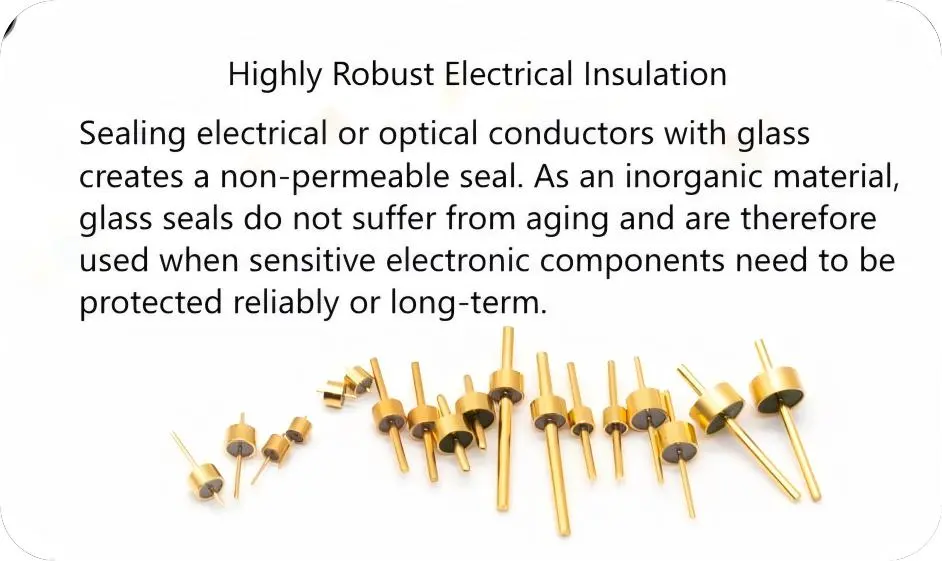
How Custom Single Pin Feedthrough Solutions Add Value to Your Procurement
Instead of settling for less-than-ideal standard products, buying customized feedthrough components has clear advantages that make the extra engineering work and possible higher cost worth it. These benefits are especially important in situations where the performance of a component has a direct effect on the reliability of the system, the efficiency of operations, or compliance with regulations.
Precision Matching to Electrical and Mechanical Requirements
Custom-engineered solutions improve electricity performance factors based on your exact needs, rather than using general guidelines. With the right safety margins, voltage ratings can meet the needs of the real application. This way, there is no need for over-specification, which adds cost, or under-specification, which increases the risk of dielectric breakdown. You can change the amount of current a conductor can carry by choosing a conductor size that balances electrical performance with mechanical concerns. This lets you make small designs without having to worry about thermal management. Impedance matching for RF and high-frequency signal uses is possible by choosing the right insulation dielectric constant and conductor shape. This keeps the signal integrity in a way that standard components can't. Custom mounting flange designs that match the geometry of existing equipment make mechanical integration a lot better. This gets rid of the need for adapter plates and makes assembly simpler. The length and placement of pins can be changed to fit different enclosure configurations. This makes it easier to route cables and connect connectors while keeping the package volume as small as possible.
Enhanced Reliability in Demanding Environments
Custom feedthroughs are made with materials that are specially chosen to handle environmental problems that normal goods might not be able to handle. Ceramic insulation materials and refractory metal brazing methods are useful in high-temperature situations because they keep the seal above 300°C, which is above the point at which regular glass sealing breaks. Corrosion resistance can be improved by carefully choosing the housing material and surface treatment. For example, for chemical processing environments, 316 stainless steel with electropolished surfaces is best, while nickel plating is best for marine applications. For cryogenic performance, materials need to have thermal expansion coefficients that are compatible across a wide temperature range. This is to make sure that the seal doesn't break during cooling cycles. Tolerating radiation in nuclear or space applications means choosing materials that don't get damaged when atoms move around and don't let induced conductivity happen in insulators.
Compliance and Risk Reduction Benefits
Instead of hoping that standard goods will meet certification needs, custom solutions let you fully match the rules that apply to your business. Medical device feedthroughs can be made and tested to meet biocompatibility standards, such as cytotoxicity, sensitization, and insertion tests according to ISO 10993 guidelines. As required by NASA or ESA standards, aerospace parts can be made from materials and methods that meet low outgassing and flammability requirements. To meet the high purity standards of the semiconductor industry for ultrahigh vacuum systems, specific cleaning methods and material choices can be made that limit the production of particles and hydrocarbon contamination. When you work with an experienced custom provider, you can use their knowledge of regulations and current certifications. This makes it easier for you to submit paperwork to agencies and stay in compliance.
Process Efficiency and Communication Advantages
Getting together with a good custom feedthrough manufacturer and working together on technical issues makes the project go more smoothly. Working directly with engineers cuts down on the communication problems that come up when you work through distributors, which speeds up the process of solving problems and improving designs. Having dedicated project management for custom orders makes it clear who is responsible for what and how to communicate the state of the order, which makes the buying team's job easier. The prototype's adaptability lets ongoing improvements be made based on test results without committing to large production numbers too soon. When you work with the same custom maker for a long time, they learn your needs and tastes over time. This means they can respond faster to future projects and maybe even use the same design for different product lines.
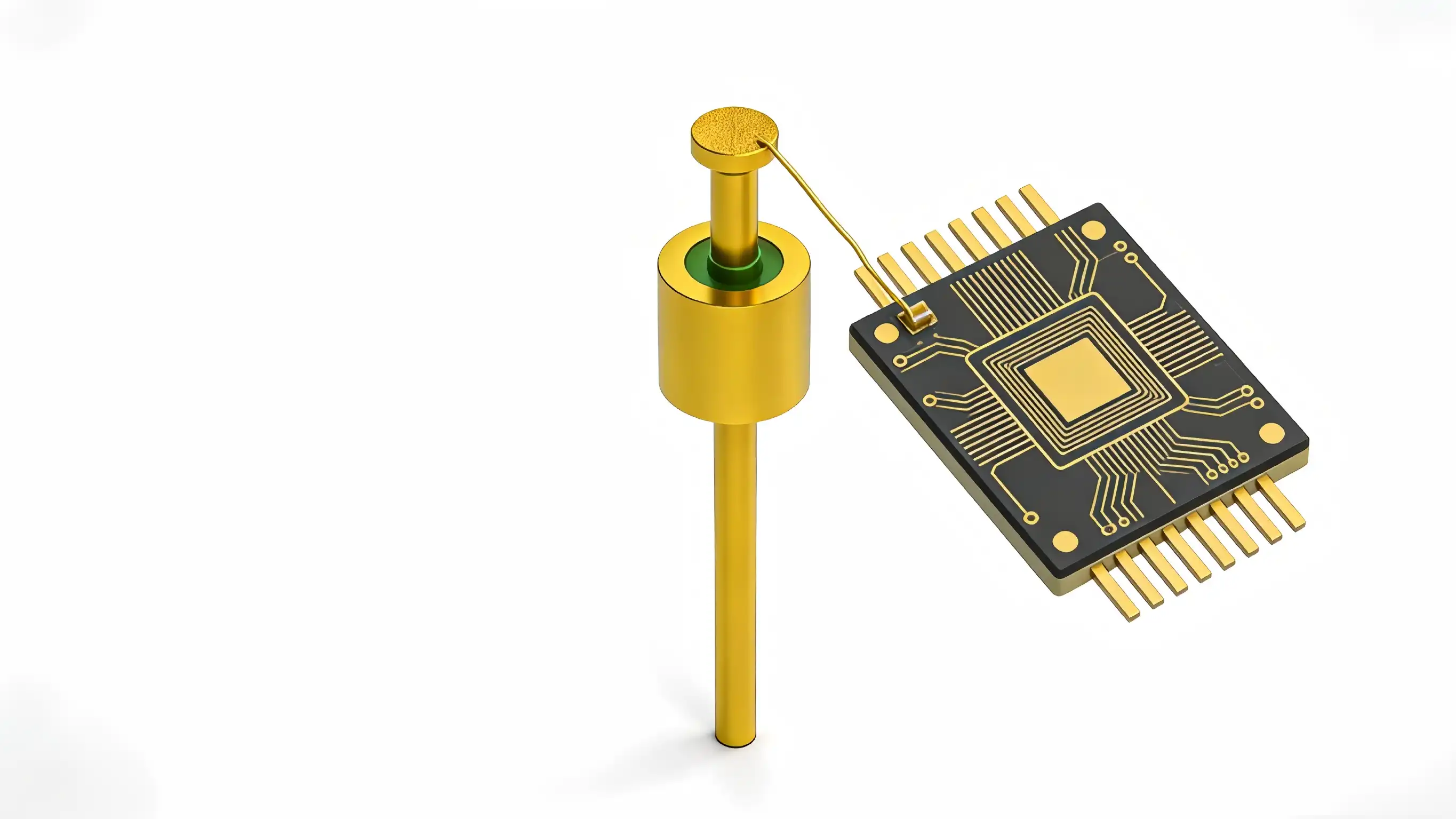
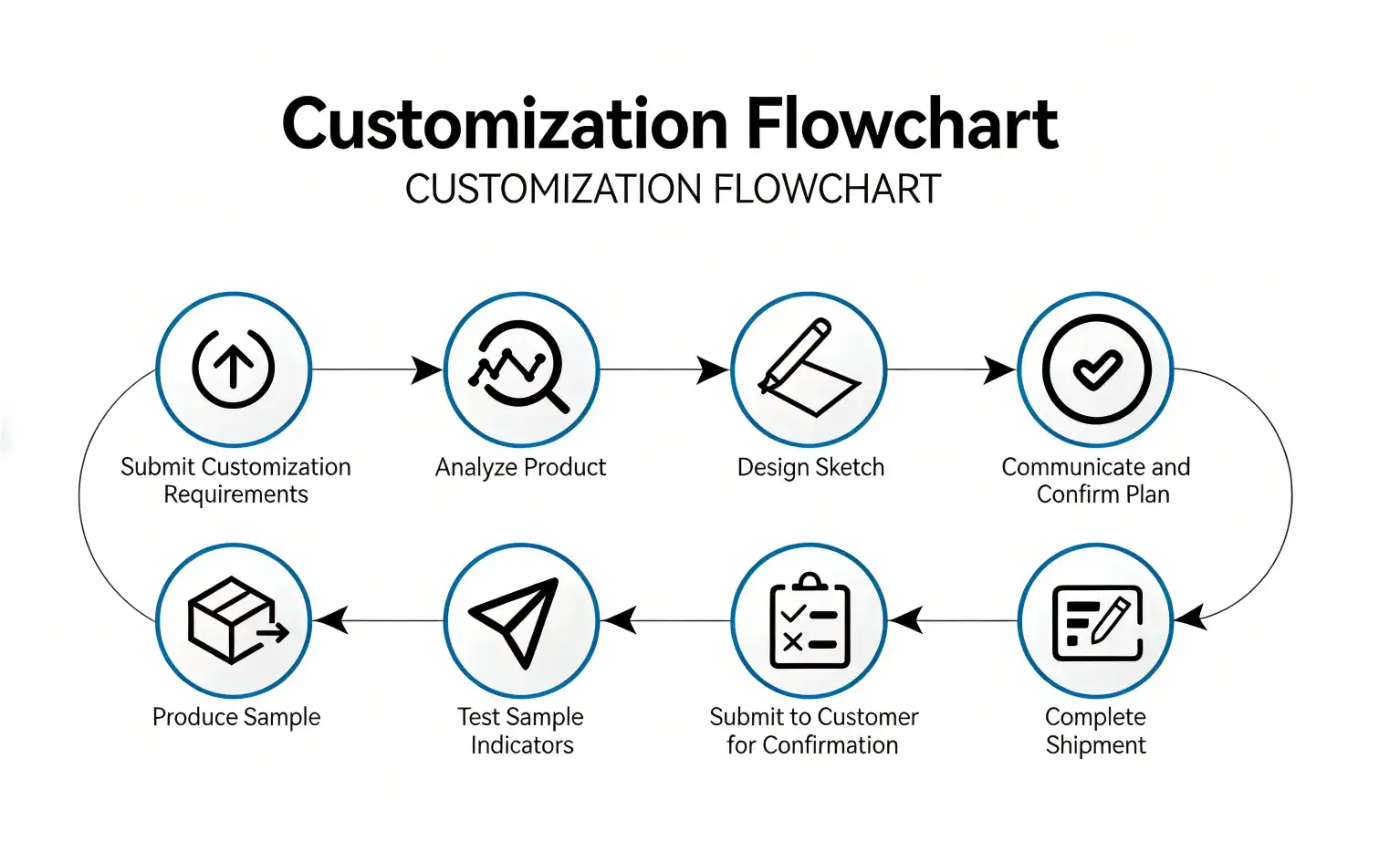
Practical Steps to Place Custom Single Pin Feedthrough Orders
How to easily go through the buying process for custom feedthrough parts when you use a structured method that carefully handles technical description, seller engagement, and production management.
Defining Technical Requirements Comprehensively
Start by writing down the electrical requirements, such as the voltage rating with the right safety factor, the maximum load current carrying requirements, and the insulation resistance targets. Give details about the environment, such as the temperature range that can be used, any exposure to moisture or corrosive substances, the vacuum level (if needed), and any radiation or sterilization exposure. Set technical limits, such as the size and design of the mounting flange and bolts, the pin's length and diameter, the way it has to be oriented, and any space restrictions. It's important to write down any material preferences or restrictions, such as the need for biocompatibility, RoHS compliance, specific metal allergies for medical uses, or outgassing limits. It's important to be clear about the requirements for performance validation. These include leak rate specs and test methods, voltage breakdown testing techniques, temperature cycle test parameters, and any shaking or shock testing that meets MIL-STD-810 or a similar standard. It is important to be clear about what kind of quality paperwork is needed from the start. For example, for each production lot, you should have material licenses, dimensional inspection records, and electrical test data.
Engaging Suppliers and Requesting Quotations
To make sure you get reasonable quotes, get in touch with several qualified providers and give them all the same technical information. Ask for more information than just the price. For example, ask about the engineering help that is included during the design phase, the number of prototypes that are available and how much they cost, how the costs of tooling or setup are spread out over the production volumes, and the production lead times for different order sizes. Ask for recommendations from customers who have had similar unique needs, preferably in the same field as you. Set up technical meetings with the engineering teams of your suppliers to find out how well they understand your application and how they plan to solve design problems. Before hiring an engineer full-time, ask for preliminary design ideas or feasibility studies to see how creative they are with technology and how they solve problems.
Prototype Development and Testing Phases
Custom feedthrough projects can be helped by staged validation, which starts with first article examples that are used to check the sizes and run the first tests. Set the number of prototypes that you need—usually 5–10 pieces are enough for testing while keeping sample costs low. Set clear acceptance standards before making the prototype. These should include allowed limits for size and shape, electrical requirements, and required leak rates with specific test methods. Instead of just using general qualification tests, plan validation tests that will mimic the conditions of a real application. Write down all of the test results, including measurements that meet the requirements and any observations of poor performance that mean the design needs to be tweaked. During testing, keep in touch with the seller on a regular basis, sharing results quickly and working together on plan changes if needed. Once the prototype has been tested and found to meet all the requirements, the design should be approved for production tooling and full-scale production.
Production Order Management and Delivery Coordination
The number of handmade parts that are made balances the cost of keeping supplies with the cost of making each one and the time it takes to make them. Talk to your suppliers about volume pricing breaks and learn how the number of items you order affects the cost per unit. Also, find out if blanket purchase orders with scheduled releases can help you. Lead time management requires setting realistic goals. For example, after the design is approved, custom feedthrough production usually takes 8 to 12 weeks, which includes getting the materials, making the product, inspecting it for quality, and testing it for the final time. Include these dates in your project plans along with enough time to account for possible delays. Custom orders usually have different payment terms than regular purchases. For example, you might need to put down a deposit to cover the cost of the tools or make payments along with the project's milestones. When planning shipping and logistics, it's important to think about how to package hermetic components, especially fragile ceramic or glass-sealed assemblies that need protective containers.
After-Sales Support and Long-Term Partnership
Custom parts should come with clear warranty terms that cover flaws in the material or the work that was done, but not problems caused by improper use. Having access to technical support for questions about installation or to fix problems with potential components is very helpful. Set up procedures for failure analysis if parts don't work as expected in an application. These should include how to authorize returns and how long the investigation should take. When you get repeat orders, it's important to keep all of your records, like custom specifications, approved drawings, and test reports, so you can easily place another order without going through the whole engineering cycle again. Long-term relationships with suppliers allow designs to be improved over time by taking into account lessons learned from field experience and changing application needs to create better part specs.
Conclusion
Getting a custom single pin feedthrough supplier, picking the right supplier, communicating clearly about technical issues, and planning the project in a way that is realistic. The right manufacturing partner has technical know-how, flexible output, and quality systems that can turn complicated requirements into reliable parts. We've looked at how detailed requirements description, careful supplier review, and structured buying methods can reduce risks and improve results. Finding suppliers who see your project as a joint engineering challenge instead of a transactional commodity buy is key to custom feedthrough sourcing success. These suppliers should be able to provide solutions that improve the performance and reliability of your product.
FAQ
Can suppliers customize feedthroughs for extreme vacuum or high-voltage environments?
Using glass-to-metal sealing or ceramic brazing, qualified makers can definitely make feedthroughs for ultrahigh vacuum uses with leak rates below 1x10⁵ atm·cc/sec. Customization of high voltages up to 50kV or more is possible with special insulator design, longer creepage distances, and materials that don't conduct corona. The important thing is to work with providers who have experience with these tough uses instead of general-purpose connector makers. Ask for test data from projects that are similar to yours that show how well they worked in conditions that match your needs.
What are typical lead times for custom single-pin feedthrough orders?
Custom feedthrough lead times depend on how complicated the design is and how much capacity the supplier has. Usually, it takes between 8 and 16 weeks from approval of the specifications to delivery. This schedule includes improving the engineering design, making tools for specific parts, making prototypes and testing them, and then starting full production runs. Most prototypes are shipped within 4 to 6 weeks. Most of the time, suppliers who have their own manufacturing processes and skills can deliver faster than those who outsource the fabrication steps. You might be able to pay more for rush services, which could cut down on wait times by 30 to 40 percent.
How can buyers ensure quality and certification compliance?
To start ensuring quality, choose suppliers that have the right certifications, like ISO 9001 for quality systems, AS9100 for aerospace uses, or ISO 13485 for medical devices. Ask for first article inspection records that show that the prototype samples were checked for size and electrical safety. Make it clear right away what approvals and paperwork are needed for the materials (RoHS, REACH, material tracking, etc.). Along with production shipments, there should be proof of helium leak testing for hermetic sealing and results of high-pot voltage breakdown tests. For important applications, you might want to do supplier audits to see how they actually make things and how they handle quality control beyond just showing certificates.
Partner with Chuangyu for Custom Single Pin Feedthrough Manufacturing
As a company with almost 20 years of experience in RF and microwave parts, Shaanxi Chuangyu Electronic Technology offers precisely designed feedthrough options. Our Xi'an production facility is 1,000 square meters and combines advanced manufacturing with strict quality control. It makes hermetically sealed parts that meet strict requirements for vacuum systems, high-voltage applications, and harsh environments. We provide full engineering support from the initial design consultation to the validation of the prototype and full-scale production. Our lead times are usually 20% faster than the averages in the industry. We know a lot about both glass-sealed and ceramic-insulated feedthrough methods and work with companies in the semiconductor, medical device, solar, and aircraft industries. Contact our technical team at chuangyuwz01@cymicrowave.com to talk about your unique needs with an experienced single pin feedthrough supplier who knows how to find the right mix between performance standards, the ability to make the product, and delivery dates. Visit cymicrowave.com to learn more about all the precision connectors and parts we can make for you.
References
1. Anderson, M. J., & Thompson, R. K. (2021). Hermetic Sealing Technologies for Electronic Packaging: Materials Science and Manufacturing Processes. Journal of Electronic Materials Engineering, 45(3), 178-194.
2. Chen, W., Liu, H., & Patel, S. (2022). Vacuum Feedthrough Design Optimization for Semiconductor Manufacturing Equipment. IEEE Transactions on Components, Packaging and Manufacturing Technology, 12(5), 823-835.
3. Davidson, L. R. (2020). Glass-to-Metal Sealing: Theory, Practice, and Quality Assurance. Materials Science Handbook Series, Volume 17. Technical Publishing International.
4. European Connector Manufacturers Association. (2023). Standards and Best Practices for Custom Electrical Feedthrough Components in Medical Device Applications. ECMA Technical Report 2023-04.
5. Miller, K. P., & Yoshida, T. (2021). Reliability Assessment of Hermetic Feedthroughs in Aerospace Applications Under Thermal Cycling and Vacuum Exposure. Aerospace Materials and Structures Journal, 38(2), 445-462.
6. Zhang, Q., Roberts, D. M., & Kumar, A. (2022). Procurement Strategies for Custom Electronic Components: A Framework for Technical Evaluation and Supplier Selection. Supply Chain Management Review, 26(4), 52-68.