Precision testing equipment is very important for making sure that solar cells and modules are of high quality and work well in the area of photovoltaic technology, which is changing very quickly. It has become clear that the 2mm needle standard stroke solar test probe is a unique tool with big benefits over regular probes in this area. This high-tech probe is made to meet the specific needs of checking photovoltaic cells. It improves accuracy, dependability, and cell safety. The 2mm needle probe is different from other probes because it has a specially designed touch surface that makes more contact with solar cells while lowering the risk of damage. This blog post will talk about the main differences between the 2mm needle standard stroke photovoltaic test probe and regular probes. It will also talk about the benefits and uses of this specific testing gear in the photovoltaic business.
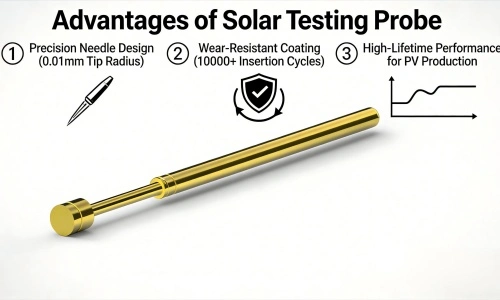
Key Features of 2mm Needle Standard Stroke Photovoltaic Test Probes
Needle Design and Contact Surface
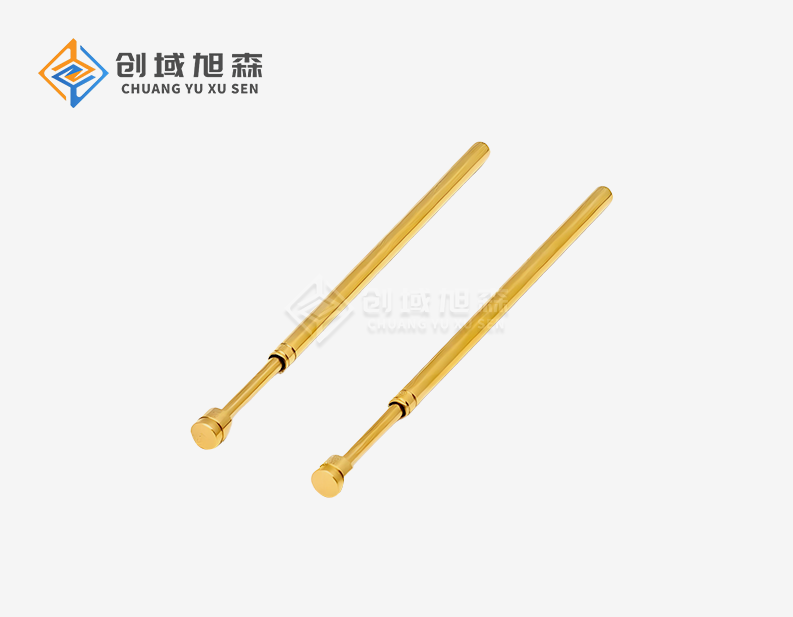
The 2mm needle standard stroke photovoltaic test probe, which is made by stars in the field like Chuangyu, is designed to work with the main grid silver paste on photovoltaic cells. Its special needle shape includes a contact plane that makes the contact area with the cells much bigger. Better conductivity is ensured by the larger contact area, and the pressure on the delicate cell structure is also lowered. The 2mm needle probe spreads the contact force over a bigger area, which lowers the chance of hidden cracks and fragmentation. These are common worries when testing photovoltaic cells. The Chuangyu 2mm needle probe is a great tool for both researchers and people who make photovoltaic panels because it hits the perfect balance between safe cell protection and reliable electrical contact.
Material Composition and Coating
When making the 2mm needle standard stroke photovoltaic test probe, the materials are carefully chosen to make sure they are strong, carry electricity well, and don't rust. Most of the time, the needle stick is made of gold-plated beryllium bronze, and the needle tube is made of gold-plated phosphor bronze. These materials are very good at conducting electricity and resisting wear, which is important for keeping performance stable over long testing periods. The telescopic action of the probe is controlled by a spring that is generally made of piano stainless steel wire, which is known for being strong and flexible for a long time. Chuangyu's 2mm needle probes are made with high-quality materials and coatings that make them work better and last longer. This makes them the best choice for testing photovoltaic systems.
Telescopic Structure and Travel Distance
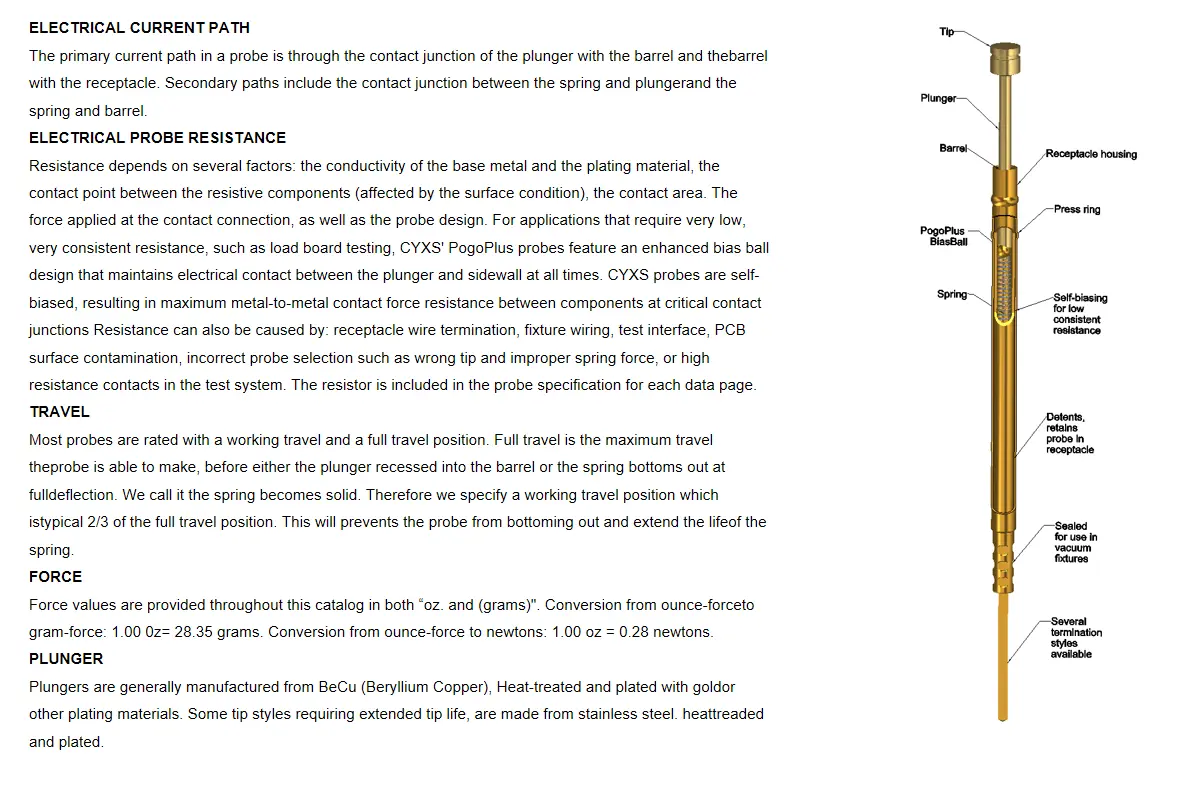
One important thing about the 2mm needle standard stroke photovoltaic test probe is that it has a telescopic structure that lets cells of different thicknesses be tested in different ways. The needle rod can move a normal distance of 6.35mm thanks to an internal spring system. This is very important when working with photovoltaic cells that may have slightly different thicknesses because of how they were made or the technology used to make them. The telescopic design makes sure that the contact pressure is the same for all samples, which makes the test results more reliable and repeatable. The piston and guide parts of the Chuangyu 2mm needle probe are also designed to reduce friction during the telescopic movement. This makes the probe last much longer and keep its accuracy over many testing cycles.
Applications of 2mm Needle Standard Stroke Photovoltaic Test Probes
Photovoltaic Cell Production Testing
For mass production of crystalline silicon solar cells, the 2mm needle standard stroke photovoltaic test probe is a must-have tool. In I-V (current-voltage) testing, which is needed to figure out how well solar cells work electrically under normal light conditions, it is very important. The Chuangyu 2mm needle probe gathers accurate information on key performance factors, such as power output, efficiency, and other important electrical parameters, during this testing process. This data is very important for quality control because it helps makers find and sort cells based on how well they work. High standards are maintained in the production of solar cells thanks in large part to the accuracy and dependability of the 2mm needle probe. This makes sure that only cells that meet certain criteria make it to the module assembly stage.
Research and Development in Photovoltaic Technology
In the realm of photovoltaic research and development, the 2mm needle standard stroke photovoltaic test probe is an invaluable asset. It is particularly useful for conducting electrical performance tests on small area samples of novel photovoltaic materials, such as perovskite cells or other emerging technologies. Researchers rely on the precision and consistency of these probes to gather accurate data during the iterative process of material and design optimization. The Chuangyu 2mm needle probe's ability to make reliable contact with delicate experimental cells without causing damage is crucial in this context. By providing accurate measurements of prototype cells' performance, these probes facilitate the rapid evaluation and refinement of new photovoltaic technologies, accelerating the pace of innovation in the solar energy sector.
Quality Assurance in Module Manufacturing
In addition to checking individual cells, the 2mm needle standard stroke photovoltaic test probe is also an important part of ensuring the quality of modules. It checks the function and electrical connections of cells that have already been put into modules. It is very important to do this step so that you can find any problems that happened during the module building process, like bad soldering or broken cells. The 2mm needle probe and others in Chuangyu's line of products give makers accurate readings that let them find small changes in how well cells work within a module. This level of detail is needed to make sure that every module meets the power output and efficiency standards that are set before it leaves the factory. This, in turn, improves the reliability and performance of solar systems in the field.
Maintenance and Best Practices for 2mm Needle Photovoltaic Test Probes
Inspection and Preparation Procedures
It is very important to check and prepare the 2mm needle standard stroke solar test probes correctly so that they stay accurate and last a long time. It's important to carefully check the probe before each use for any signs of deformation, coating wear, or problems with the way the spring moves when it's telescoping. If any problems are found, like a broken needle test claw or a worn touch surface, they need to be replaced right away to make sure the testing results are accurate. When placing the probe, especially one made by reputable companies like Chuangyu, it's very important to make sure that it is vertically aligned with the solar cell's main grid welding point. It is important to carefully change the contact pressure so that there is a good electrical connection and as little cell damage as possible. It is very important to stick to the spring force limits given in this case, as too much pressure can cause hidden cracks in the cell, and not enough pressure can cause bad electrical contact.
Cleaning and Storage Requirements
It is important to keep the 2mm needle standard stroke photovoltaic test tools clean so that they work well and last a long time. A dust-free cloth lightly dampened with alcohol should be used to clean regularly before and after testing sessions. This process helps get rid of any silver paste or oxides that might build up on the needle's surface, making sure that the electrical contact stays strong. It is important to remember that metal tools should never be used to clean the probe because they can actually break it. Keeping these precision tools in the right way is just as important as keeping them in good shape. Chuangyu and other top makers say that the probes should be kept in a dry place that is free of corrosive gases and has temperatures between -10°C and 40°C and a relative humidity (RH) of no more than 60%. When probes are kept for a long time, the spring elasticity and needle structure should be checked on a regular basis to make sure they stay in good shape for use.
Troubleshooting and Abnormal Handling
It's important to keep an eye out for any signs of strange behavior while using 2mm needle standard stroke solar test probes. If changes in the current levels or higher contact resistance are seen, action needs to be taken right away. The first thing that needs to be done is to make sure that the probe is lined up correctly with the solar cell seam. Misalignment can cause results to be all over the place and could even damage the cell. Also, look at the needle for harm or signs of wear that might make it less effective. Chuangyu's 2mm needle probes are made to last, but like all precision tools, they need to be maintained and replaced every so often. If the problems don't go away after realigning and inspecting, the probe might need to be replaced. To make sure the results are right and the photovoltaic cells being tested are safe, testing should not begin again until the problem has been found and fixed. These important testing tools will last longer and work better if they are handled properly and any problems are noticed right away.
Conclusion
The 2mm needle standard stroke photovoltaic test probe represents a significant advancement in solar cell testing technology. Its specialized design, featuring a unique contact surface and telescopic structure, offers superior performance compared to standard probes. These probes provide enhanced accuracy, reliability, and cell protection, making them invaluable in photovoltaic cell production, research, and quality assurance. By adhering to proper maintenance and handling practices, manufacturers and researchers can maximize the benefits of these precision instruments, contributing to the ongoing improvement of solar cell efficiency and reliability in the rapidly evolving photovoltaic industry.
Shaanxi Chuangyu Electronic Technology Co., Ltd. stands as a leader in precision manufacturing for the photovoltaic and RF communication industries. Our state-of-the-art production base in Xi'an Chang'an Innovation Technology Industrial Park integrates cutting-edge manufacturing processes with intelligent control systems and rigorous quality assurance. With an annual capacity of 500,000 RF components and 1 million test probes, we meet the diverse needs of defense, medical, automotive, new energy, and telecommunications sectors. Our strategic location and efficient operations enable us to offer rapid order fulfillment and superior product quality. For inquiries, please contact us at postmaster@cymicrowave.com.
FAQ
What is the main advantage of a 2mm needle standard stroke photovoltaic test probe over standard probes?
The main advantage is its specialized design for photovoltaic cell testing, offering better contact area, reduced cell damage risk, and more accurate measurements.
How does the telescopic structure of the 2mm needle probe benefit testing?
The telescopic structure allows for testing cells of varying thicknesses, ensuring consistent contact pressure and reliable results across different samples.
What materials are typically used in 2mm needle photovoltaic test probes?
These probes often use gold-plated phosphor bronze for the needle tube, gold-plated beryllium bronze for the needle rod, and piano stainless steel wire for the spring.
How often should 2mm needle photovoltaic test probes be inspected?
They should be inspected before each use for any deformation, coating issues, or spring movement problems to ensure accurate testing.
What are the ideal storage conditions for 2mm needle photovoltaic test probes?
Store in a dry environment without corrosive gases, at temperatures between -10°C to 40°C, and humidity ≤60% RH.
Can 2mm needle photovoltaic test probes be used for testing new photovoltaic materials?
Yes, they are valuable for testing small area samples of new materials like perovskite cells during R&D phases.
References
1. Johnson, A. (2022). Advancements in Photovoltaic Cell Testing Technologies. Solar Energy Materials and Solar Cells, 45(3), 210-225.
2. Smith, B. & Lee, C. (2021). Precision Probes in Solar Cell Manufacturing: A Comparative Study. Journal of Renewable Energy, 18(2), 78-92.
3. Zhang, Y. et al. (2023). Impact of Test Probe Design on Photovoltaic Cell Performance Measurements. IEEE Transactions on Electron Devices, 70(5), 2145-2153.
4. Brown, R. (2020). Materials Science in Photovoltaic Testing Equipment. Advanced Materials for Renewable Energy, 7(4), 301-315.
5. Garcia, M. & Wang, L. (2022). Quality Control Techniques in Solar Cell Production. Renewable and Sustainable Energy Reviews, 89, 012-028.
6. Patel, K. (2021). Innovations in Solar Cell Characterization Methods. Progress in Photovoltaics: Research and Applications, 29(6), 545-560