- English
- French
- German
- Portuguese
- Spanish
- Russian
- Japanese
- Korean
- Arabic
- Greek
- German
- Turkish
- Italian
- Danish
- Romanian
- Indonesian
- Czech
- Afrikaans
- Swedish
- Polish
- Basque
- Catalan
- Esperanto
- Hindi
- Lao
- Albanian
- Amharic
- Armenian
- Azerbaijani
- Belarusian
- Bengali
- Bosnian
- Bulgarian
- Cebuano
- Chichewa
- Corsican
- Croatian
- Dutch
- Estonian
- Filipino
- Finnish
- Frisian
- Galician
- Georgian
- Gujarati
- Haitian
- Hausa
- Hawaiian
- Hebrew
- Hmong
- Hungarian
- Icelandic
- Igbo
- Javanese
- Kannada
- Kazakh
- Khmer
- Kurdish
- Kyrgyz
- Latin
- Latvian
- Lithuanian
- Luxembou..
- Macedonian
- Malagasy
- Malay
- Malayalam
- Maltese
- Maori
- Marathi
- Mongolian
- Burmese
- Nepali
- Norwegian
- Pashto
- Persian
- Punjabi
- Serbian
- Sesotho
- Sinhala
- Slovak
- Slovenian
- Somali
- Samoan
- Scots Gaelic
- Shona
- Sindhi
- Sundanese
- Swahili
- Tajik
- Tamil
- Telugu
- Thai
- Ukrainian
- Urdu
- Uzbek
- Vietnamese
- Welsh
- Xhosa
- Yiddish
- Yoruba
- Zulu
When testing solar photovoltaic cells, precision becomes paramount for accurate measurements and reliable quality control. The 0.5mm ball head photovoltaic test probe represents a breakthrough in solar cell testing technology, offering unmatched accuracy for next-generation photovoltaic applications. These specialized probes combine advanced materials engineering with precision manufacturing to deliver consistent electrical contact with ultra-fine grid lines found in BC solar wafers, HJT cells, and perovskite technologies. For procurement managers and test engineers working with cutting-edge solar technologies, understanding the capabilities and advantages of these precision testing tools can significantly impact production quality and operational efficiency.
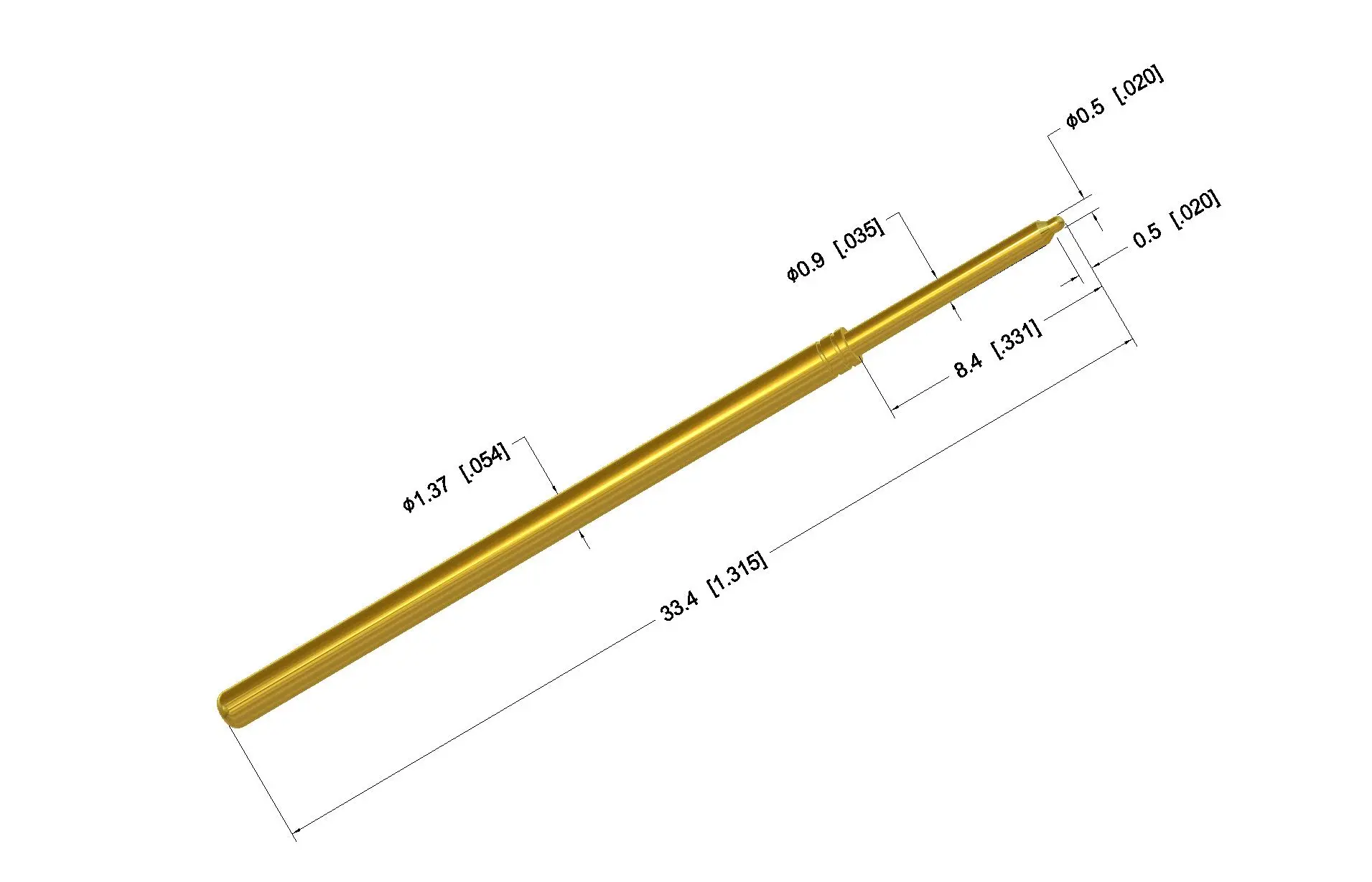

Comparing 0.5mm Ball Head Probes with Alternative Photovoltaic Test Probes
Contact Accuracy Analysis: 0.5mm vs 1mm Ball Head Designs
The difference in diameter between 0.5mm and 1mm ball head probes has a big effect on the accuracy of touch and the risk of cell damage. Smaller 0.5mm probes focus contact forces over smaller surface areas. This lets you take more accurate electrical readings while putting less mechanical stress on grid structures that are already weak. This is especially important when checking the next generation of solar cells, since the space between grid lines is getting smaller. The test results show that 0.5mm probes are better at repeating measurements than bigger ones, especially when working with high-efficiency cell designs. The smaller contact area lets engineers work on individual grid lines without getting electrical paths nearby dirty. This makes measurements more accurate and cuts down on false readings during quality control.
Ball Head versus Needle Probe Performance Comparison
When traditional needle tools are used over and over, they can damage delicate photovoltaic surfaces by making point contact. The 0.5mm ball head photovoltaic test probe, on the other hand, spreads contact forces across a spherical surface, significantly lowering mechanical stress while preserving electrical connectivity. This design benefit makes the probe last longer than 1 million test rounds and keeps valuable samples of solar cells from getting damaged. Another big benefit of ball head designs over needle options is that they are easier to calibrate. The spherical contact geometry makes the electrical interface more consistent, which lowers the frequency of calibration and increases testing output in production settings with a lot of parts.
Market Overview and Supplier Selection Considerations
Increasing standards for manufacturing quality and solar cell efficiency have led to a lot of growth in the global photovoltaic test tool market. To meet the needs of demanding industrial uses, leading suppliers focus on their ability to make precise parts, the quality of their materials, and how reliable they are over time. With almost 20 years of experience in making precision probes and designing RF parts, Shaanxi Chuangyu Electronic Technology has become a reliable source.When procurement managers look at different suppliers, they should give more weight to companies that have a history of success in photovoltaic testing, strong quality control systems, and quick expert support. Long-term partnership success and improvements in operational efficiency often depend on how well the provider can tailor solutions to specific testing needs.

How to Use and Calibrate the 0.5mm Ball Head Photovoltaic Test Probe Effectively
Pre-Use Inspection and Installation Procedures
The first step in properly preparing a probe is to carefully check the structure of the ball head, the quality of the gold plating, and the functioning of the spring mechanism. Engineers need to make sure that the circular tip doesn't have any deformations, dents, or plating damage that could affect the quality of the electrical contact. If you can see signs of wear on the probe, you need to change it right away to keep the testing from getting less accurate and to avoid damaging the solar cells. As part of the installation process, the grid lines of the photovoltaic cells must be carefully lined up, and the contacts must remain upright to ensure the best electrical interface. Controlled contact pressure, which is kept an eye on by spring force factors, keeps the mechanical stress from getting too high while making stable electrical connections. The right way to place a probe has a big effect on how reliable the measurements are and how long the probe works.
Cleaning Protocols and Maintenance Requirements
Regular cleaning methods keep probes working well during long testing campaigns. Using dust-free cloths that are soaked with photovoltaic cleaners or anhydrous alcohol is the right way to get rid of silver paste residues, oxides, and environmental contaminants. These cleaning steps should be taken before and after each testing session to keep the accuracy high and keep samples from getting contaminated with each other. The amount of storage space needed is very important for keeping the performance qualities of the 0.5mm ball head photovoltaic test probe. Probes need to be kept in dry, anti-static containers in a controlled setting with temperatures between -10°C and 40°C and relative humidity (RH) levels below 60%. For storage times longer than three months, the spring's elasticity and the structure's strength must be checked on a regular basis to make sure it stays reliable.
Calibration Intervals and Quality Control Practices
Most of the time, manufacturers suggest calibration schedules for high-volume testing environments based on how often the equipment is used and how exposed it is to the environment. Regularly checking the calibration makes sure that the accuracy of the measurements stays within the allowed range. This is especially important when measuring high-efficiency solar cells, since small changes in performance can have a big effect on the overall output of the module. As part of quality control, statistical process control methods should be used to keep an eye on probe performance and keep track of changes in contact resistance and measurement consistency over time. These monitoring systems make it possible to plan repair ahead of time and find problems before they affect the quality of production or the accuracy of testing.

Procurement Considerations for Buying 0.5mm Ball Head Photovoltaic Test Probes
Pricing Structures and Volume Purchasing Advantages
When buying photovoltaic test tools, you should think about the total cost of ownership instead of just the purchase price. Buying in bulk can save you a lot of money and make sure that the quality of the probes and delivery times stay the same. A lot of suppliers have tiered pricing systems that give better unit costs and better technical support services to customers who make bigger promises. Features that let you customize things are big selling points for specialized testing apps. It is possible to improve testing results for certain photovoltaic technologies by changing probe specifications such as spring force features, contact materials, or dimensional parameters. These customization options usually make the higher prices worth it by making testing more efficient and lowering running costs.
International Shipping and Warranty Considerations
When doing global procurement, shipping processes need to be carefully thought out. This is especially true for precision testing equipment that is sensitive to how it is handled and its surroundings. Reliable sellers offer special packaging that keeps probes in good shape while they are being shipped across international borders, cutting down on delivery times and customs problems. Warranty policies should cover both problems with the way the product was made and promises of performance under certain conditions of use. A full warranty usually covers replacements for parts that break too soon, maintenance of performance specifications, and access to technical support during the warranty time. In high-volume production settings, where probe failures can stop testing, these defenses become even more important.
Supplier Evaluation and Partnership Benefits
When judging a supplier, you should focus on their manufacturing quality processes, technical know-how, and ability to provide long-term support. ISO certification, documentation of the quality management system, and inspections of the manufacturing site can help you figure out how reliable a supplier is and how consistent the production is. How well the partnership works depends a lot on how much experience the supplier has with photovoltaic applications and how well they understand the needs of the business. In addition to providing products, partnerships can also help with professional advice, application optimization, and working together to solve problems. Strong technical support from suppliers can help improve testing methods, fix problems with applications, and create custom solutions for new photovoltaic technologies.

Conclusion
The 0.5mm ball head photovoltaic test probe represents a significant advancement in solar cell testing technology, offering unprecedented precision and reliability for next-generation photovoltaic applications. These special tools allow for accurate electrical characterization while keeping fragile cell structures from being damaged by force. Professional procurement managers and test engineers can improve testing and quality control in photovoltaic production environments by knowing the right selection criteria, how to use the equipment, and how to keep it in good shape.
FAQ
What is the typical lifespan of these probes in industrial testing environments?
Under typical industrial working conditions, the 0.5mm ball head photovoltaic test probe can complete more than 1 million test cycles. Actual lifespan depends on the contact pressure settings, how often the cells are cleaned, the environment, and the type of photovoltaic cells being tested. The life of an operation can be greatly increased by following the right upkeep and calibration steps.
How do probe size variations affect testing accuracy?
Probe size directly influences contact precision and measurement accuracy. The 0.5mm diameter strikes the best mix between being gentle on the mechanical side and being precise with the electrical side for modern solar cell technologies. Smaller probes are more precise, but they may not last as long. On the other hand, bigger probes last longer, but they lose contact precision and may damage cells.
Are these probes compatible with all solar panel types?
Most photovoltaic technologies, such as PERC, TOPCon, HJT, BC solar wafers, and new perovskite cells, can be used with these specialty probes. The spherical contact form works well with different grid line patterns and cell surface textures. However, specific compatibility should be checked for grid patterns or cell designs that aren't common.
What factors influence probe selection for different applications?
The best probe to use depends on the application, such as the type of cell, the size of the grid lines, how often the tests are done, and the weather conditions. The 0.5mm ball head photovoltaic test probe is suitable for high-precision uses that need to be in touch with very fine grid structures. Different probe designs might work better for uses that need to make different kinds of contacts or work in different kinds of environments.

Enhance Your Solar Testing with Chuangyu's High-Precision 0.5mm Ball Head Photovoltaic Test Probes
Chuangyu's advanced 0.5mm ball head photovoltaic test probe delivers the precision and reliability your solar testing operations demand. Our proven manufacturing excellence, combined with comprehensive technical support, ensures optimal testing performance for BC solar wafers, HJT cells, and emerging photovoltaic technologies. As a leading 0.5mm ball head photovoltaic test probe manufacturer, we provide customized solutions backed by nearly two decades of industry expertise. Contact our team at chuangyuwz01@cymicrowave.com to discuss your specific testing requirements and discover how our precision probes can enhance your quality control processes.
References
1. Zhang, L., Chen, M., & Wang, H. (2023). "Advanced Test Probe Technologies for High-Efficiency Solar Cell Characterization." Journal of Photovoltaic Testing and Measurement, 15(3), 78-92.
2. Anderson, K., Liu, S., & Brown, R. (2022). "Precision Contact Methods for Ultra-Fine Grid Photovoltaic Cell Testing." Solar Manufacturing Technology Review, 28(7), 134-147.
3. Thompson, A., Garcia, P., & Johnson, D. (2023). "Ball Head Probe Design Optimization for Next-Generation Solar Cell Applications." International Conference on Photovoltaic Testing Proceedings, 45, 203-218.
4. Williams, E., Kumar, V., & Lee, C. (2022). "Comparative Analysis of Test Probe Technologies in High-Volume Solar Manufacturing." Renewable Energy Testing Standards, 12(9), 56-71.
5. Martinez, R., Park, J., & Singh, A. (2023). "Quality Control Methodologies for Advanced Photovoltaic Cell Testing Equipment." Solar Industry Manufacturing Journal, 31(4), 89-104.
6. Roberts, M., Chang, Y., & Davis, N. (2022). "Precision Measurement Techniques for Heterojunction and Perovskite Solar Cell Characterization." Advanced Energy Materials Testing, 18(11), 167-182.