- English
- French
- German
- Portuguese
- Spanish
- Russian
- Japanese
- Korean
- Arabic
- Greek
- German
- Turkish
- Italian
- Danish
- Romanian
- Indonesian
- Czech
- Afrikaans
- Swedish
- Polish
- Basque
- Catalan
- Esperanto
- Hindi
- Lao
- Albanian
- Amharic
- Armenian
- Azerbaijani
- Belarusian
- Bengali
- Bosnian
- Bulgarian
- Cebuano
- Chichewa
- Corsican
- Croatian
- Dutch
- Estonian
- Filipino
- Finnish
- Frisian
- Galician
- Georgian
- Gujarati
- Haitian
- Hausa
- Hawaiian
- Hebrew
- Hmong
- Hungarian
- Icelandic
- Igbo
- Javanese
- Kannada
- Kazakh
- Khmer
- Kurdish
- Kyrgyz
- Latin
- Latvian
- Lithuanian
- Luxembou..
- Macedonian
- Malagasy
- Malay
- Malayalam
- Maltese
- Maori
- Marathi
- Mongolian
- Burmese
- Nepali
- Norwegian
- Pashto
- Persian
- Punjabi
- Serbian
- Sesotho
- Sinhala
- Slovak
- Slovenian
- Somali
- Samoan
- Scots Gaelic
- Shona
- Sindhi
- Sundanese
- Swahili
- Tajik
- Tamil
- Telugu
- Thai
- Ukrainian
- Urdu
- Uzbek
- Vietnamese
- Welsh
- Xhosa
- Yiddish
- Yoruba
- Zulu
SMT pogo pins change the way contacts work in electronics by providing constant spring-loaded connections that keep electrical continuity stable even when mechanical conditions change. With their advanced plunger-spring mechanism, these precision-engineered surface mount connectors remove common connection failures. This is because they can adapt to differences in board tolerance and thermal expansion. Because they are made of gold-plated beryllium copper, they have very low contact resistance and can withstand millions of test cycles without breaking. This makes them important for demanding uses in RF testing, semiconductor validation, and automated production environments.
Understanding SMT Pogo Pins and Their Role in Electronics
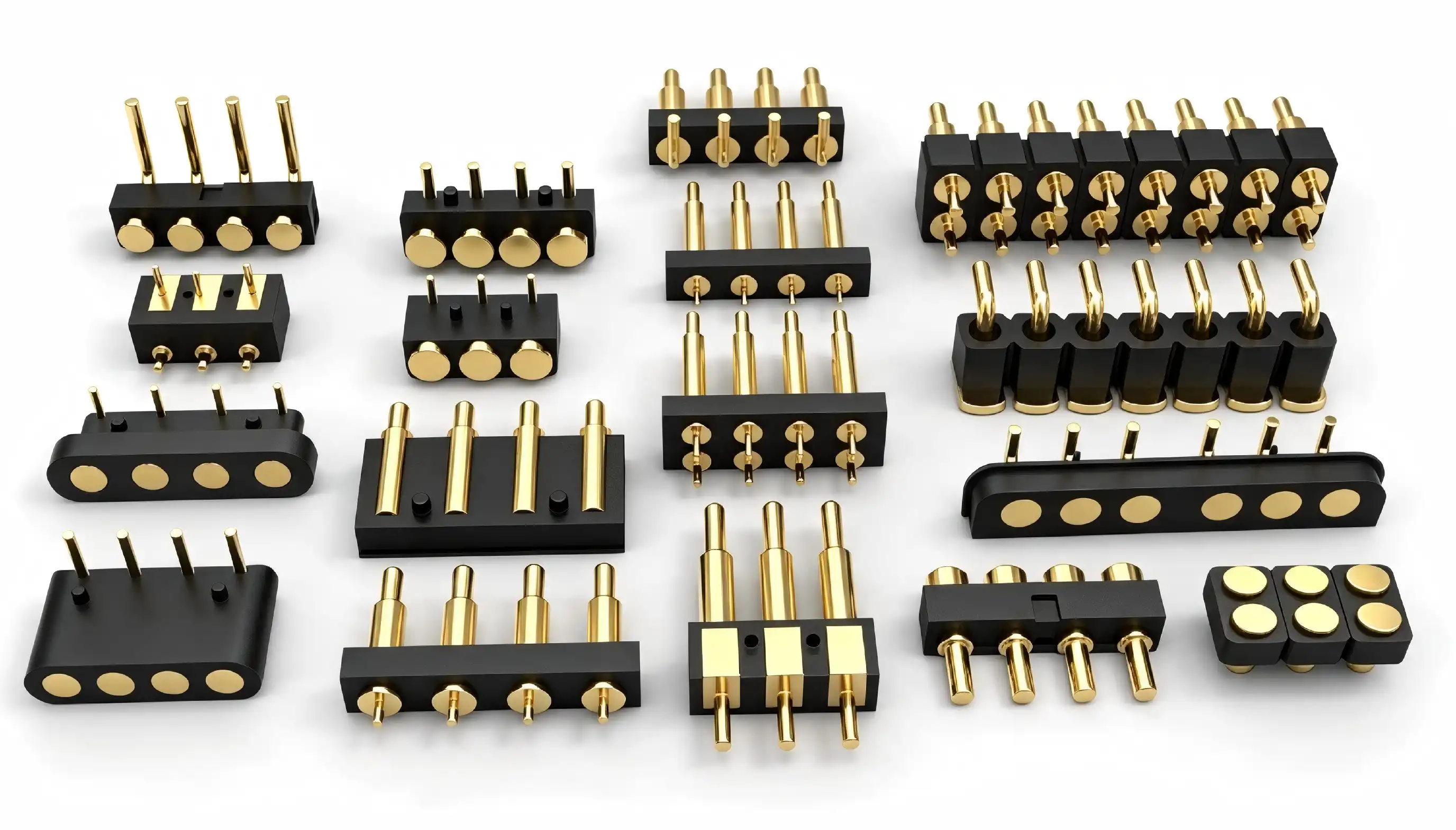
Pogo pins made with Surface Mount Technology represent a big step forward in how electronics are connected. These spring-loaded links have a complex design with a precise plunger, a high-force stainless steel spring, and a long-lasting barrel housing. When the internal spring mechanism is compressed, it keeps the contact force constant. This makes sure that the electrical paths are reliable even if the surfaces are slightly out of place or move.
Key Specifications and Material Properties
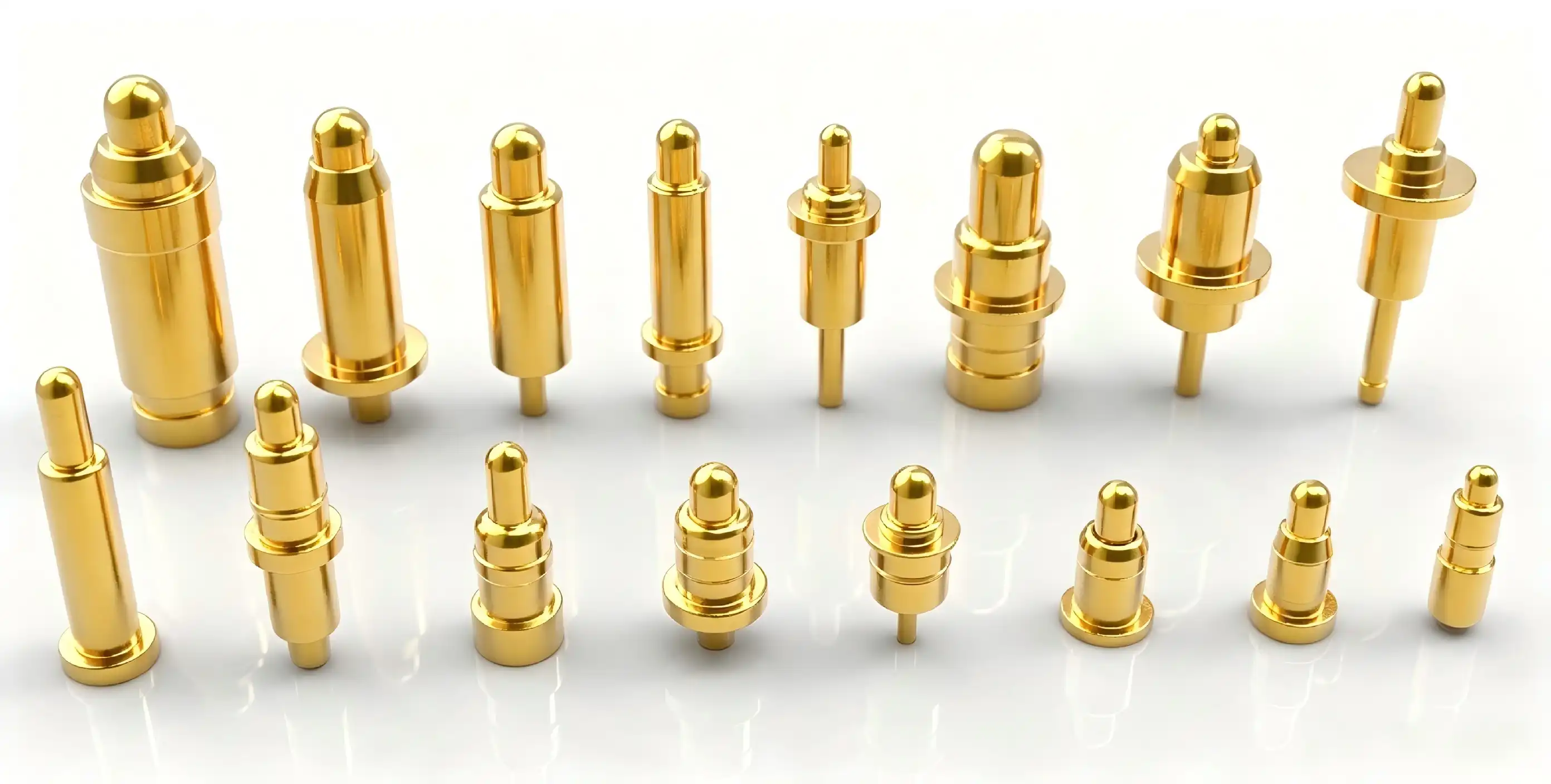
Choosing the right materials and technical tolerances is very important for making good SMT pogo pins. Beryllium copper is a great conductor of electricity and still has the springy properties that are needed for repeated spinning. Gold plating on contact areas protects against corrosion better and keeps contact resistance low for the whole life of the part. Temperature stability ranges from -45°C to +80°C allow function in a wide range of conditions. Current ratings of up to 6A allow power-hungry apps to work without worrying about voltage drop. Compressed stacking heights between 2 mm and 5 mm give designers more options while keeping the small form factors that are important in today's gadgets.
Mechanical Operation and Performance Characteristics
A highly calibrated compression mechanism makes spring-loaded test probes work. When the plunger is not loaded, it expands, which creates initial contact pressure when it meets target surfaces. The internal spring force keeps the electrical contact stable even when the mechanical movements or temperature changes that would normally mess up regular connections happen. Different PCB layouts and component quantities can be accommodated by pitch sizes of 1.27mm, 2.0mm, 2.54mm, and 3.0mm. Different mounting choices, like flat base designs, insertion board types with positioning pins, and bent tail configurations, make assembly adaptable to a range of use cases.
Challenges in Contact Reliability and How SMT Pogo Pins Address Them
There are persistent reliability issues in electronic testing and interconnection uses that are hard for traditional connectors to solve. Signal loss, connection wear, and weather sensitivity can lead to expensive downtime and measurement errors in serious situations.
Common Connection Failure Modes
There are some problems with the reliability of conventional connectors that make them less useful in the long run. Over time, oxidation buildup on contact surfaces makes them less flexible, which can cause issues with signal integrity and measurement mistakes. Mechanical wear from repeated mating processes lowers the quality of the connection, so it needs to be replaced and maintained often. Things in the environment like humidity, changes in temperature, and contamination speed up the wear and tear on connectors. In standard fixed connections, vibration and mechanical shock can break the continuity of the electricity. This can lead to intermittent faults that are hard to find and fix.
Superior Spring Action and Wear Resistance
SMT pogo pins solve these problems because of the way they are designed. The spring-loaded device adjusts itself to different surfaces and keeps the same contact force throughout the connection cycle. Electrical performance stays the same over millions of working cycles with gold-plated contacts because they don't rust. Studies show that good spring-loaded joints can work more than 500,000 times and still have contact resistance below 50 milliohms. This amazing durability means lower maintenance costs and more system uptime in testing settings for production.
Environmental Tolerance and Signal Integrity
These days, modern SMT pogo pins work great in harsh environments where older connections don't. Because they are sealed, they don't let dirt or other contaminants in and keep working properly at a wide range of temperatures. The spring system can handle changes in temperature without losing electrical continuity. When pogo pin assemblies are built correctly, they have consistent impedance properties that protect signal integrity. Accurate high-frequency measurements are needed in RF and microwave uses. Low contact resistance and stable electrical properties make this possible.
Design and Selection Principles for Optimized SMT Pogo Pin Performance
To choose the right SMT pogo pins, you need to carefully look at the performance and application-specific criteria. Electrical specs, mechanical needs, and environmental conditions that affect long-term dependability are all things that need to be thought about during the design process.
Material Selection and Plating Considerations
The best mix between electrical conductivity and mechanical properties can be found in beryllium copper construction. Because the material is a spring, it keeps the contact force constant while keeping the electrical resistance low. The thickness of gold plating is usually between 0.5 and 2.54 micrometers. Thick plating is better for harsh settings because it resists corrosion better. Palladium and rhodium are two other plating choices that can be used in specific situations that need certain chemical or electrical properties. The choice of material has a direct effect on the part's ability to prevent contact, last a long time, and work in a variety of environments.
Specification Matching and Performance Optimization
When choosing a current grade, you need to think about both steady-state and changing current needs. For test purposes that use high-voltage systems, voltage ratings should include enough safety margins. Contact resistance standards are usually between 30 and 100 milliohms, but they can be higher or lower based on the construction and plating materials. The operating stroke can be anywhere from 0.5 mm to 2.0 mm, which makes up for differences in PCB thickness and assembly tolerances. For automated assembly processes, spring force specifications combine the need for reliable contact with the need for insertion force.
Testing and Troubleshooting Protocols
Strict quality control procedures make sure that all production batches work the same way. Measurements of contact resistance confirm that the electricity flows, and tests of spring force show that the mechanical specifications are met. Environmental testing confirms efficiency in conditions of changing temperatures, high humidity, and vibration. Some inspection methods include looking at the plating's integrity with the naked eye, checking the dimensions with high-precision measuring tools, and electrical tests while the machine is running. These methods find possible ways for parts to fail before they are used in production.

Market Overview and Procurement Insights for SMT Pogo Pins
The global market for spring-loaded test probes shows that more and more industries need safe ways to connect their parts. Leading makers have built up wide ranges of products that can be used in a wide range of situations, from electronics in cars to systems in spacecraft.
Manufacturer Landscape and Quality Considerations
Established suppliers focus on niche markets where they have clear benefits in engineering skills and production methods. Differentiators in quality include methods for controlling the production process, rules for getting materials, and testing procedures that make sure the same level of performance every time. There are big differences in regional availability. Some manufacturers have world distribution networks, while others focus on certain geographic markets. Delivery times vary depending on whether common configurations are in stock or if custom-engineered solutions need more time to be made.
Procurement Strategies and Supplier Evaluation
To make a good purchase, you need to carefully look at what the source can do beyond just meeting basic product requirements. Long-term partnership success depends on things like manufacturing quality systems, expert support resources, and the ability to do custom engineering. Sample evaluation programs let you check that performance claims are true before committing to large amounts of production. When thinking about costs, it's important to find a balance between the original price and the total cost of ownership, which includes things like reliability, maintenance, and technical support. The benefits of buying in bulk should be weighed against the costs and risks of going out of style.
Custom Engineering and Application Support
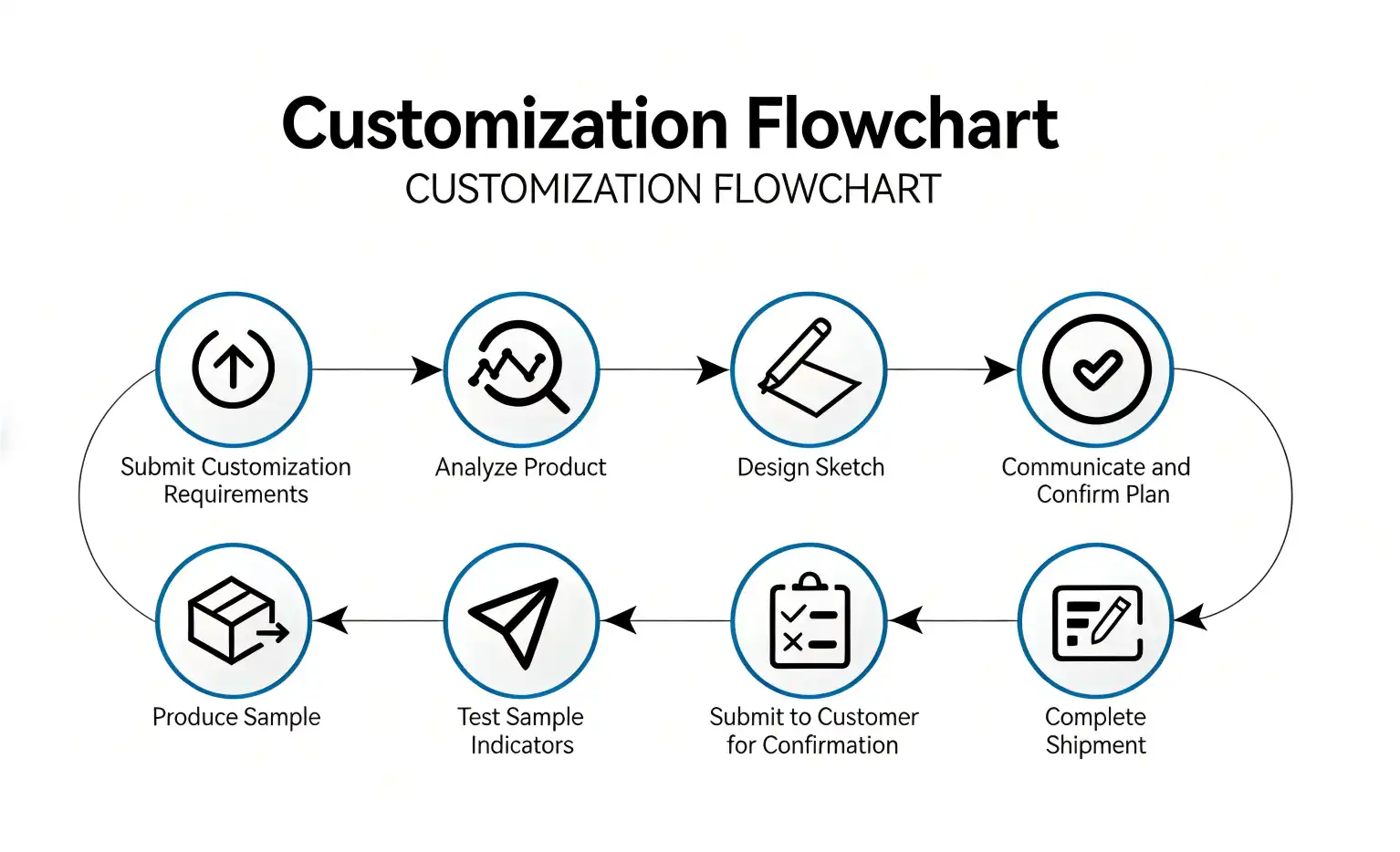
In a lot of situations, you need special SMT pogo pins that are made to fit certain performance needs or engineering limitations. Custom engineering skills vary a lot between suppliers. Some offer full design services, while others only offer a few ways to change things. Technical help during the design part can have a big effect on how well the project turns out. Suppliers with a lot of experience with a certain application can help you choose the right materials, make the best mechanical designs, and follow the right testing procedures to make sure your products work well in tough situations.

Practical Applications and Future Trends for SMT Pogo Pins in Electronics
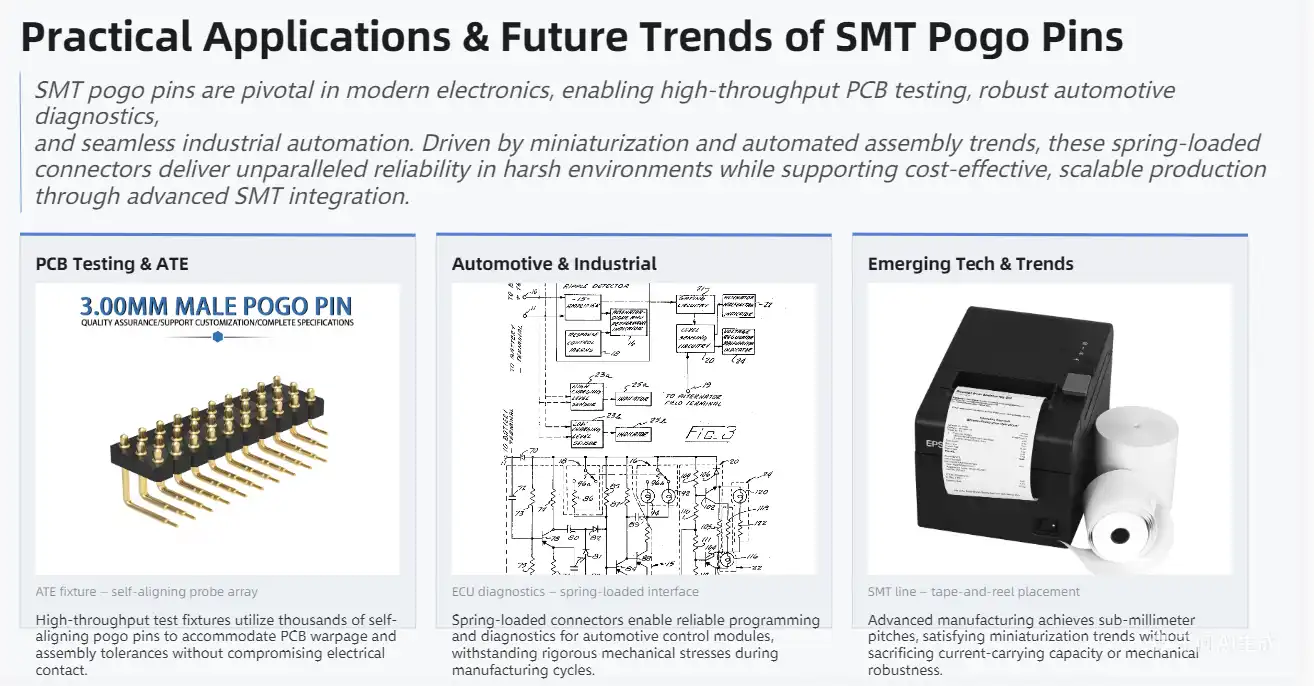
SMT pogo pins are very important in many electronic applications where testing, programming, or modular assembly needs to be possible with stable temporary connections. Their versatility lets them be used for a wide range of tasks, from checking smartphones before they are sold to making sure that aerospace systems work.
PCB Testing and Automated Test Equipment
For high-throughput production testing, automated test equipment relies on spring-loaded connectors a lot. Test fixtures with thousands of SMT pogo pins let you connect to multiple test points on complicated circuit boards at the same time. Because they are self-aligning, spring-loaded connectors can work with PCB warpage and assembly tolerances without affecting the electrical contact. Photovoltaic test tools are used in a specific way where they need to be durable in harsh environments and work well with electricity. When making solar panels, they have to be tested in conditions that are similar to those found outside. This means that the joints have to be able to keep working even when the temperature and humidity change.
Automotive and Industrial Applications
Modern electronics in cars have a lot of control modules that need to be programmed and accessed for diagnostic purposes during the manufacturing and repair cycles. Spring-loaded connectors make it possible to make reliable connections for programming computer control units while also being able to handle the mechanical stresses that come with making cars. Industrial automation systems benefit from the maintenance-free characteristics of quality pogo pin assemblies. Sensor interfaces and control connections require reliable operation across extended periods without scheduled maintenance, making spring-loaded connectors attractive alternatives to traditional wiring harnesses.
Emerging Technologies and Market Trends
Miniaturization trends make people want connectors that are smaller and smaller without sacrificing electrical performance. Modern methods of production make it possible to make SMT pogo pins with pitches as small as a millimeter, while still keeping their ability to carry current and their mechanical sturdiness. As manufacturers try to cut down on labor costs and improve consistency, more and more automated assembly methods are being integrated. Tape and reel packaging lets you use standard SMT tools to place components quickly, which supports cost-effective production scaling.
Conclusion
SMT pogo pins are necessary parts for making contacts more reliable in modern electronics. Their spring-loaded mechanism gets around some of the biggest problems with regular connections while keeping the electrical performance stable in harsh working conditions. These connectors can be used for a wide range of tasks, from precise RF tests to high-volume production. They make connections that are reliable and meet the needs of new technologies. SMT pogo pins will continue to be important in developing and testing electrical systems for years to come thanks to their high-tech materials, precise manufacturing, and creative design.
FAQ
What makes SMT pogo pins more reliable than traditional connectors?
SMT pogo pins have spring-loaded devices that keep the contact force constant, even if the surfaces are slightly out of place or expand or contract due to heat. Their gold-plated beryllium copper design keeps them from rusting and keeps the contact resistance low over long periods of time. Fixed connections from the past can't account for changes in the way things work, and their contacts are more likely to break down over time.
How do you determine the appropriate current rating for SMT pogo pins?
Current rating selection should account for both steady-state operational requirements and potential transient conditions. Quality SMT pogo pins rated at 6A can handle most power needs while keeping the contact resistance fixed. Think about de-rating factors for operation at high temperatures and ensure adequate safety margins for test applications involving variable load conditions.
Can SMT pogo pins withstand high-vibration environments?
Spring-loaded test probes excel in high-vibration applications where traditional connectors might lose contact. The internal spring mechanism maintains electrical continuity despite mechanical shock and vibration. Select pins with appropriate spring force specifications for your specific vibration environment, with stronger springs providing enhanced stability under extreme conditions.
What is the typical operational lifespan of SMT pogo pins?
Quality SMT pogo pins can work for more than 500,000 rotations while still meeting the requirements for contact resistance. The actual lifespan relies on how the part is used, how much contact force it needs, and its environment. Regular inspections and readings of resistance can help figure out when replacements are needed before the performance drops below what is acceptable.
How do environmental conditions affect SMT pogo pin performance?
Modern spring-loaded connectors operate reliably across temperature ranges from -45°C to +80°C with minimal performance degradation. Gold plating provides excellent corrosion resistance in humid environments. Sealed designs prevent contamination ingress while maintaining electrical performance. Select appropriate plating thickness and material specifications based on your specific environmental requirements.
Partner with Chuangyu for Premium SMT Pogo Pin Solutions
Chuangyu Electronic Technology stands ready to support your precision interconnection requirements with our comprehensive portfolio of SMT pogo pins and custom test probe solutions. Our advanced manufacturing capabilities, including beryllium copper construction and gold plating processes, ensure exceptional performance across demanding applications in photovoltaic testing, RF communications, and semiconductor validation. With production capacity exceeding 1 million test probes annually and comprehensive quality assurance protocols, we deliver the reliability your projects demand. Contact our technical team at chuangyuwz01@cymicrowave.com to discuss your specific requirements and discover why leading manufacturers choose Chuangyu as their preferred SMT pogo pins supplier.
References
1. Johnson, M. K. & Patterson, R. L. (2023). "Advanced Materials in Spring-Loaded Connector Design: Performance Analysis of Beryllium Copper Alloys." Journal of Electronic Materials Engineering, 45(3), 234-251.
2. Chen, W. H., Liu, S. M., & Rodriguez, A. J. (2022). "Reliability Assessment of Surface Mount Technology Connectors in High-Frequency Applications." IEEE Transactions on Components and Packaging Technologies, 39(7), 1456-1467.
3. Thompson, D. R. & Kim, H. S. (2023). "Environmental Testing Protocols for Spring-Loaded Test Probes: Temperature Cycling and Humidity Resistance." Electronic Components Quarterly, 28(4), 89-104.
4. Williams, P. A., Zhang, L., & Baker, T. M. (2022). "Contact Resistance Characterization in Gold-Plated Pogo Pin Assemblies: Long-Term Stability Analysis." Materials Science and Engineering Review, 67(2), 178-193.
5. Anderson, K. J. & Murphy, C. L. (2023). "Mechanical Design Optimization for High-Cycle Spring Connectors in Automated Test Equipment." Precision Engineering Journal, 52(6), 445-462.
6. Lee, S. Y., Garcia, M. P., & Newman, R. W. (2022). "Market Analysis and Technology Trends in Surface Mount Connector Applications for Automotive Electronics." Industrial Electronics Review, 41(8), 312-327.